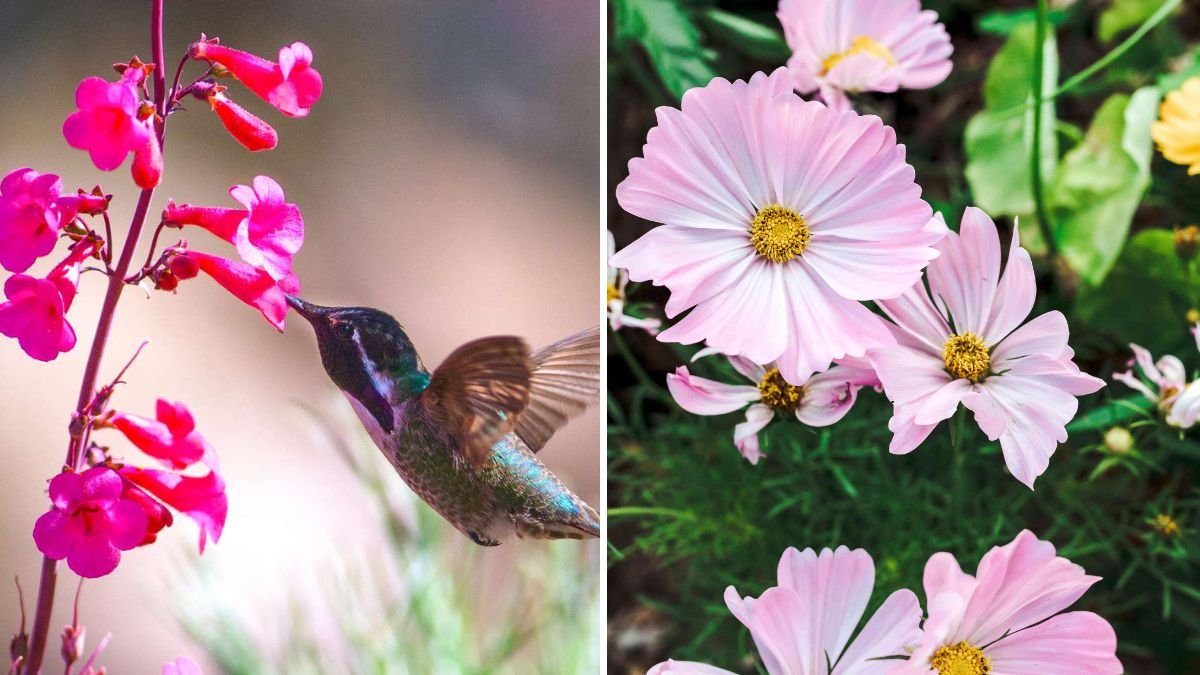
Avibrant garden isn’t just about beauty—it’s also about supporting a thriving ecosystem. Pollinators like bees, butterflies, hummingbirds, and other beneficial insects play a crucial role in fertilizing plants, ensuring fruit and seed production, and maintaining biodiversity. By choosing the right flowers, gardeners can attract these essential visitors, enhancing both garden health and productivity.
In this article, we’ll explore five expert-recommended flowers that naturally draw pollinators, why they’re effective, and tips for integrating them into your garden.
1. Lavender (Lavandula spp.)
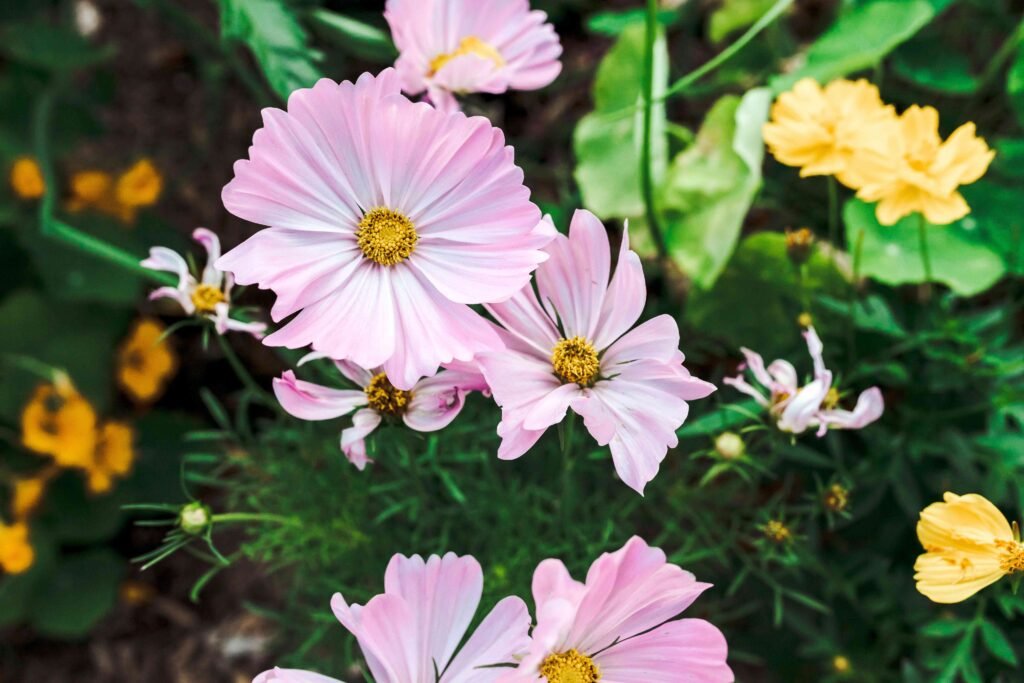
Lavender is a pollinator magnet, famous for its soothing fragrance and striking purple blooms. Bees, butterflies, and even hummingbirds are naturally attracted to lavender’s nectar-rich flowers.
Key Features:
- Pollinators Attracted: Honeybees, bumblebees, butterflies
- Bloom Time: Late spring to mid-summer (with some varieties blooming into fall)
- Sun Requirements: Full sun
- Soil: Well-draining, slightly alkaline soil
Expert Tips:
- Plant in clusters for maximum visual and olfactory attraction.
- Deadhead spent flowers to encourage continuous blooming and nectar production.
- Lavender also deters certain pests, making it a dual-purpose plant for your garden.
Why It Works: The tubular flowers provide easy access to nectar, while the strong fragrance acts as a natural beacon for pollinators.
2. Coneflower (Echinacea purpurea)
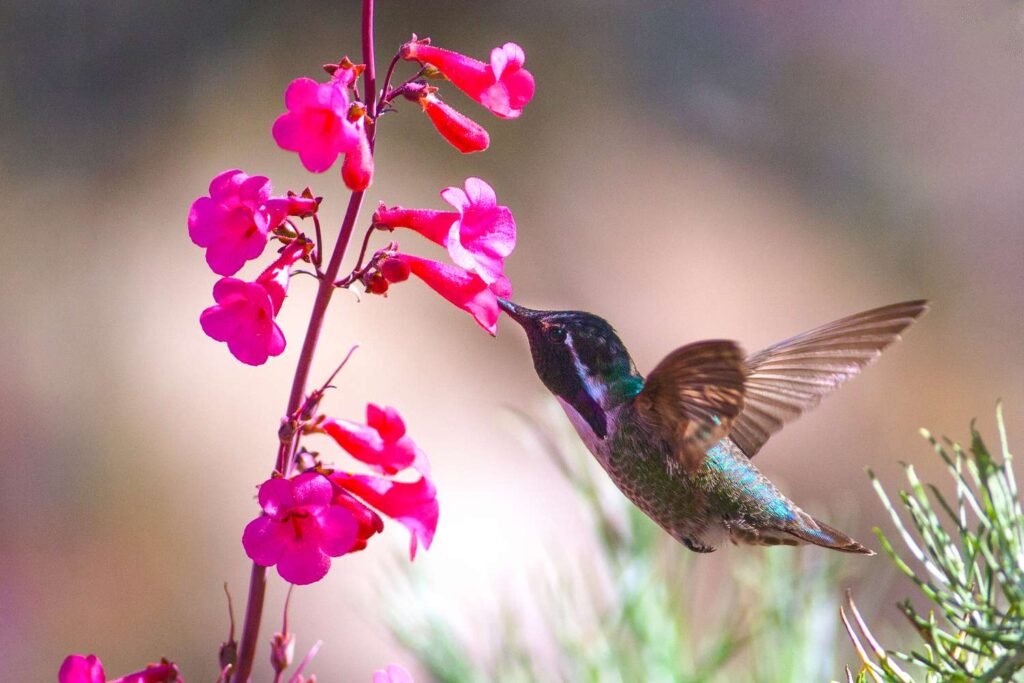
Coneflowers are a favorite among gardeners and experts alike for attracting a wide variety of pollinators. With their large, vibrant blooms and nectar-rich centers, coneflowers provide both beauty and ecological benefit.
Key Features:
- Pollinators Attracted: Bees, butterflies, hummingbirds
- Bloom Time: Summer to early fall
- Sun Requirements: Full sun
- Soil: Well-draining soil, tolerant of drought once established
Expert Tips:
- Leave spent blooms on some plants to provide seeds for birds later in the season.
- Combine different coneflower colors to create a pollinator-friendly palette.
- Avoid heavy pesticide use, which can deter or harm pollinators.
Why It Works: The central disk is rich in pollen, and the large petals make the flower highly visible to pollinators searching for food.
3. Butterfly Bush (Buddleja davidii)
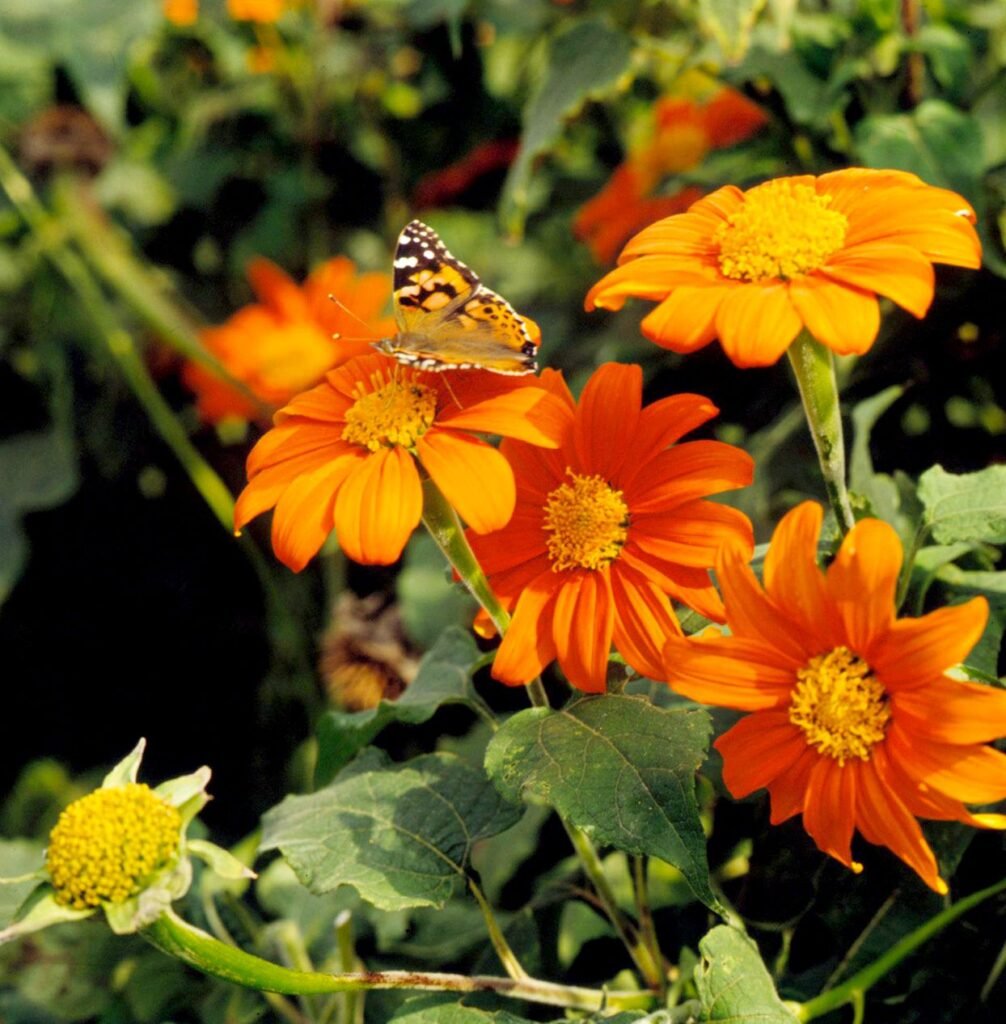
As the name suggests, butterfly bushes are especially attractive to butterflies, though they also appeal to bees and hummingbirds. Their long, fragrant flower spikes make them a standout feature in any garden.
Key Features:
- Pollinators Attracted: Butterflies, bees, hummingbirds
- Bloom Time: Summer to early fall
- Sun Requirements: Full sun
- Soil: Well-draining, fertile soil
Expert Tips:
- Plant in sunny, open areas where pollinators can easily access the blooms.
- Deadhead flowers to encourage more blooms throughout the season.
- Some regions consider butterfly bush invasive; check local guidelines before planting.
Why It Works: Its elongated, nectar-filled spikes provide an easy landing platform for butterflies and hummingbirds, while bright colors serve as visual cues.
4. Bee Balm (Monarda didyma)
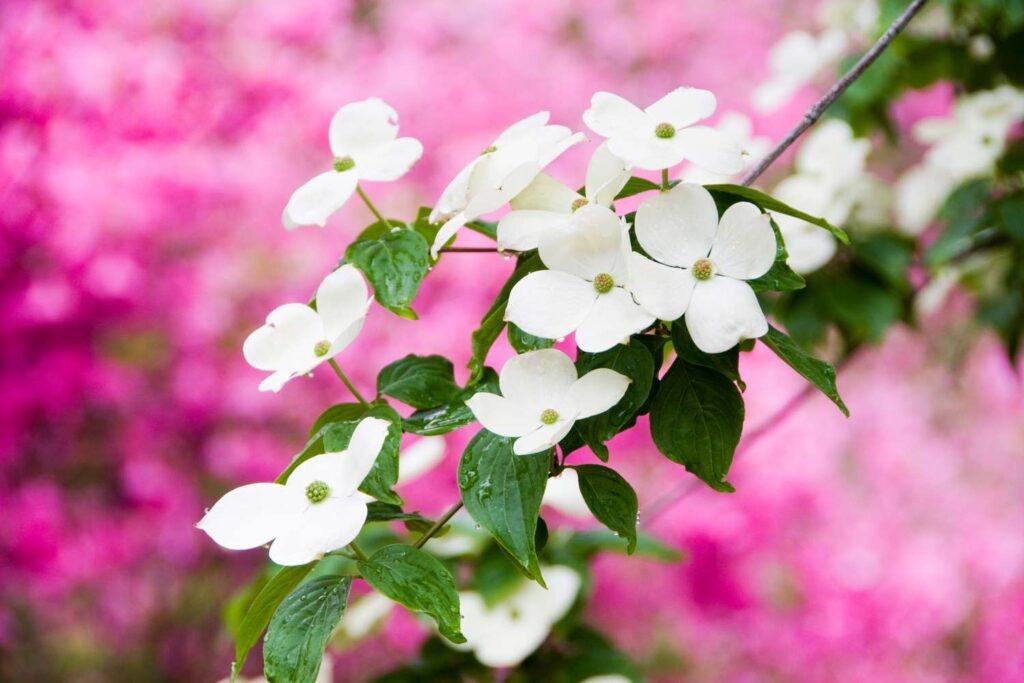
Bee balm is not only visually stunning with bright red, pink, or purple clusters but also highly effective in attracting pollinators. Its aromatic foliage adds another layer of interest while supporting garden biodiversity.
Key Features:
- Pollinators Attracted: Bees, butterflies, hummingbirds
- Bloom Time: Mid-summer
- Sun Requirements: Full sun to partial shade
- Soil: Moist, well-draining soil
Expert Tips:
- Space plants adequately to promote airflow and prevent powdery mildew.
- Deadhead regularly to prolong flowering.
- Companion plant with other pollinator-friendly flowers to create continuous bloom and attract a variety of species.
Why It Works: Its nectar-rich flowers and strong aroma act as a magnet for bees and hummingbirds, while its structure provides easy landing and feeding platforms.
5. Zinnia (Zinnia elegans)
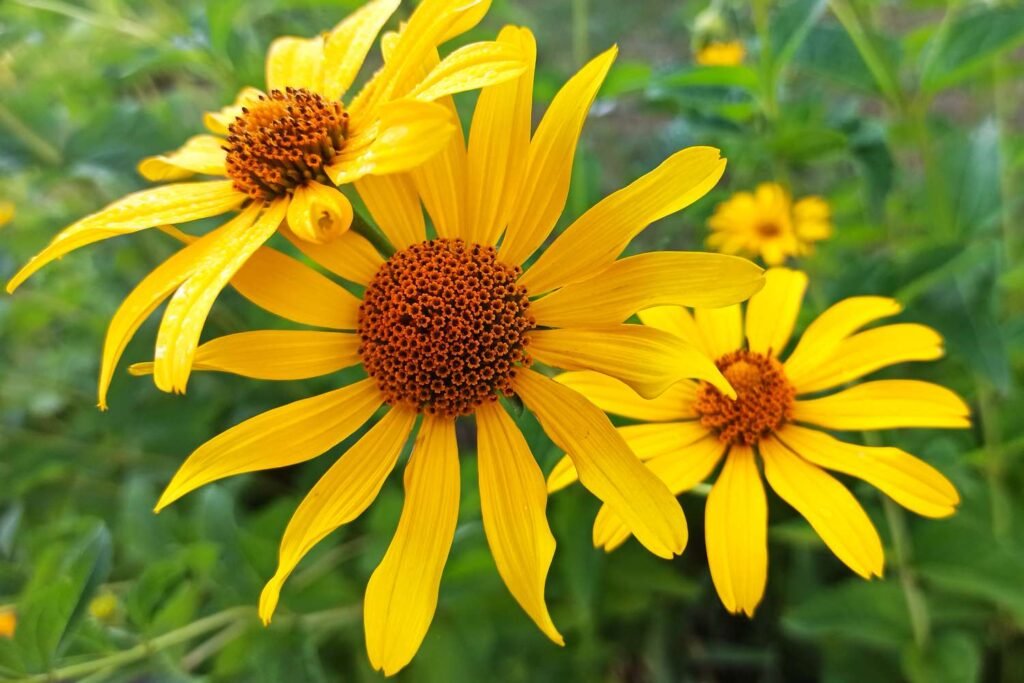
Zinnias are annuals that burst with bright colors, attracting pollinators from across your garden. They’re easy to grow and excellent for creating pollinator hotspots.
Key Features:
- Pollinators Attracted: Bees, butterflies, hummingbirds
- Bloom Time: Summer through fall
- Sun Requirements: Full sun
- Soil: Well-draining soil, moderately fertile
Expert Tips:
- Sow seeds directly in garden beds or containers for continuous bloom.
- Mix colors and heights to create a visually diverse pollinator garden.
- Avoid overcrowding; allow good airflow to prevent fungal diseases.
Why It Works: Their flat-topped blooms provide accessible nectar for pollinators, and the wide range of bright colors acts as a visual attractant.
Tips for Maximizing Pollinator Visits
- Plant in Clusters: Pollinators are more likely to visit groups of the same flower type rather than isolated plants.
- Continuous Bloom: Choose flowers with overlapping bloom times to provide food from spring through fall.
- Avoid Pesticides: Chemical sprays can harm pollinators; consider natural pest control options.
- Provide Water Sources: Shallow dishes with water or a small garden fountain help pollinators stay hydrated.
- Create Diverse Habitats: Include flowering plants of varying heights, colors, and scents to attract a variety of pollinators.
- Include Native Plants: Native species are often better adapted to local pollinators and climate conditions.
Benefits of Attracting Pollinators
- Enhanced Garden Productivity: Bees and other pollinators improve fruit and seed production.
- Biodiversity Support: Pollinator-friendly gardens contribute to ecosystem health.
- Visual and Sensory Appeal: Flowers with vibrant colors and fragrance improve the overall garden experience.
- Educational Opportunities: Watching pollinators can teach children and adults about nature and sustainability.
Conclusion
Pollinators are essential allies for gardeners, and planting the right flowers ensures they visit regularly. Lavender, coneflowers, butterfly bush, bee balm, and zinnias are top expert-recommended choices that not only provide food for pollinators but also enhance your garden’s beauty and diversity.
By planning for bloom timing, sun exposure, and grouping plants strategically, you can create a garden that is both a pollinator paradise and a visual delight. Supporting pollinators not only benefits your garden’s productivity but also contributes to the broader environmental health, making your garden a vibrant and sustainable ecosystem.
With the right selection of flowers and careful planning, your garden can thrive in color, fragrance, and ecological harmony, attracting buzzing bees, fluttering butterflies, and hummingbirds that will bring life and energy to every corner of your outdoor space.