
Indoor air quality has a significant impact on our health, mood, and productivity. Dust, allergens, volatile organic compounds (VOCs), and other pollutants can accumulate in our homes, leading to respiratory issues, fatigue, and headaches. One of the most natural and visually appealing ways to combat indoor air pollution is by incorporating air-purifying houseplants. Not only do they improve air quality, but they also enhance your living space with greenery and a sense of calm.
In this guide, we will explore five houseplants scientifically proven to purify the air naturally, along with detailed care instructions and benefits for each plant.
1. Snake Plant (Sansevieria trifasciata)
Why It Purifies the Air
The snake plant, also known as mother-in-law’s tongue, is famous for its ability to filter out toxins such as formaldehyde, benzene, xylene, and toluene. Remarkably, it continues to produce oxygen at night, making it an ideal plant for bedrooms.
Care Tips
- Light: Tolerates low light but thrives in bright, indirect sunlight.
- Watering: Water sparingly; allow soil to dry between waterings. Overwatering can cause root rot.
- Soil: Well-draining cactus or succulent mix.
- Maintenance: Low-maintenance; wipe leaves occasionally to remove dust.
Benefits
- Reduces indoor air pollutants.
- Improves sleep quality due to nighttime oxygen production.
- Extremely hardy and beginner-friendly.
Pro Tip: Snake plants can grow in narrow containers and tight spaces, making them perfect for apartments or offices.
2. Peace Lily (Spathiphyllum)
Why It Purifies the Air
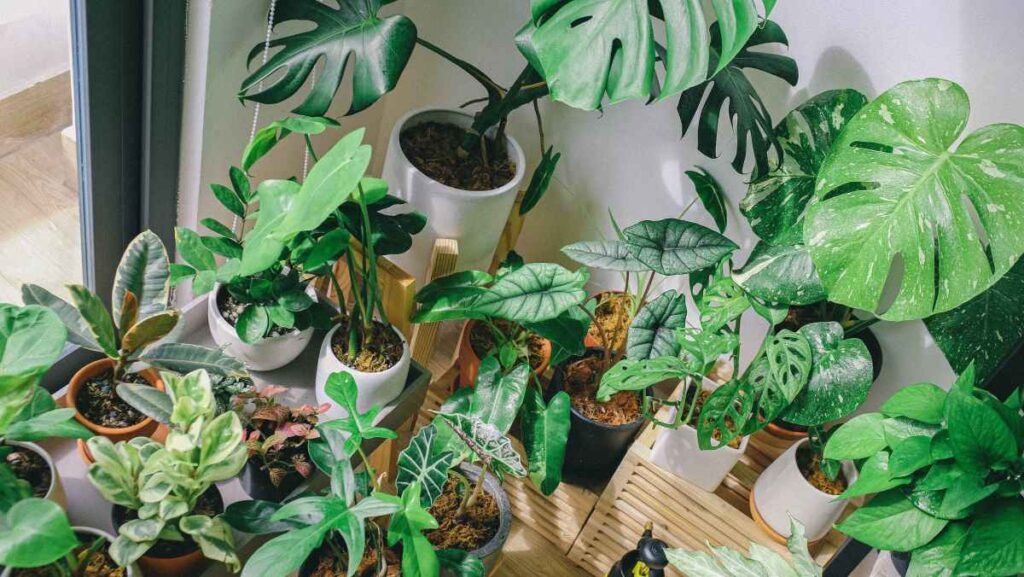
Peace lilies are not only elegant but also highly effective in removing ammonia, formaldehyde, benzene, and trichloroethylene from the air. They are one of the few houseplants capable of thriving in low-light indoor conditions while maintaining impressive air-purifying qualities.
Care Tips
- Light: Low to medium indirect light; avoid direct sun, which can scorch leaves.
- Watering: Keep the soil consistently moist but not soggy. Wilted leaves indicate a need for water.
- Humidity: Peace lilies enjoy higher humidity; mist leaves occasionally.
- Soil: Well-draining potting mix.
Benefits
- Removes harmful VOCs and pollutants.
- Produces beautiful white blooms, adding aesthetic appeal.
- Promotes a calming environment ideal for bedrooms or living rooms.
Pro Tip: Place peace lilies near kitchens or bathrooms to reduce indoor chemical residues and excess moisture.
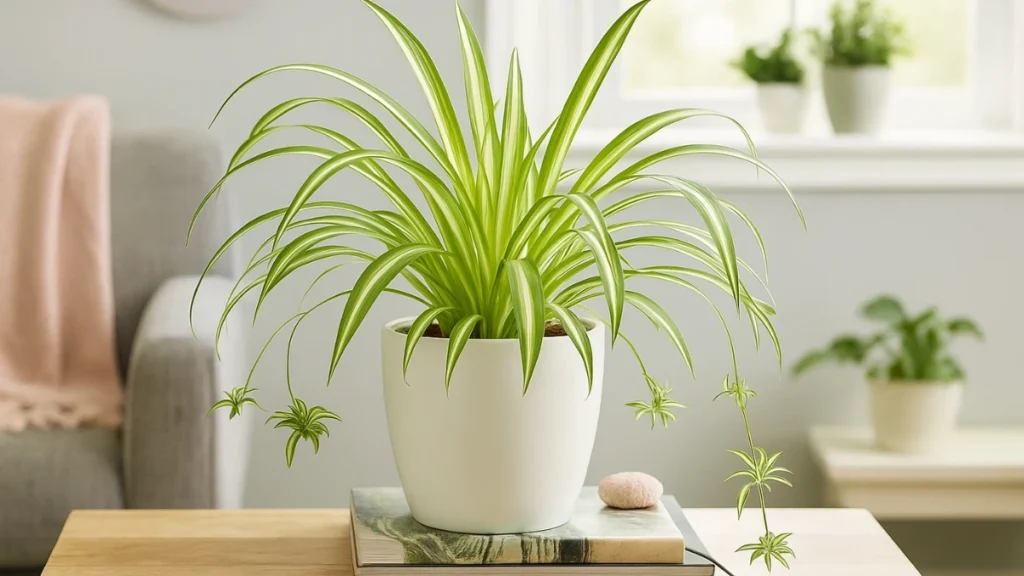
3. Spider Plant (Chlorophytum comosum)
Why It Purifies the Air
Spider plants are proven to eliminate pollutants such as carbon monoxide, formaldehyde, and xylene. Their unique arching leaves and small offshoots (“spiderettes”) make them a dynamic and visually engaging addition to any indoor space.
Care Tips
- Light: Bright, indirect sunlight; tolerates some shade.
- Watering: Water moderately; allow soil to dry slightly between waterings.
- Soil: Loose, well-draining potting mix.
- Propagation: Spiderettes can be easily propagated to create new plants.
Benefits
- Efficient at improving indoor air quality.
- Adds a lively, cascading aesthetic to shelves, hanging baskets, or tabletops.
- Resilient and easy to grow, ideal for beginners.
Pro Tip: Spider plants can thrive in slightly cooler temperatures, making them versatile for different indoor environments.
4. Aloe Vera (Aloe barbadensis miller)
Why It Purifies the Air
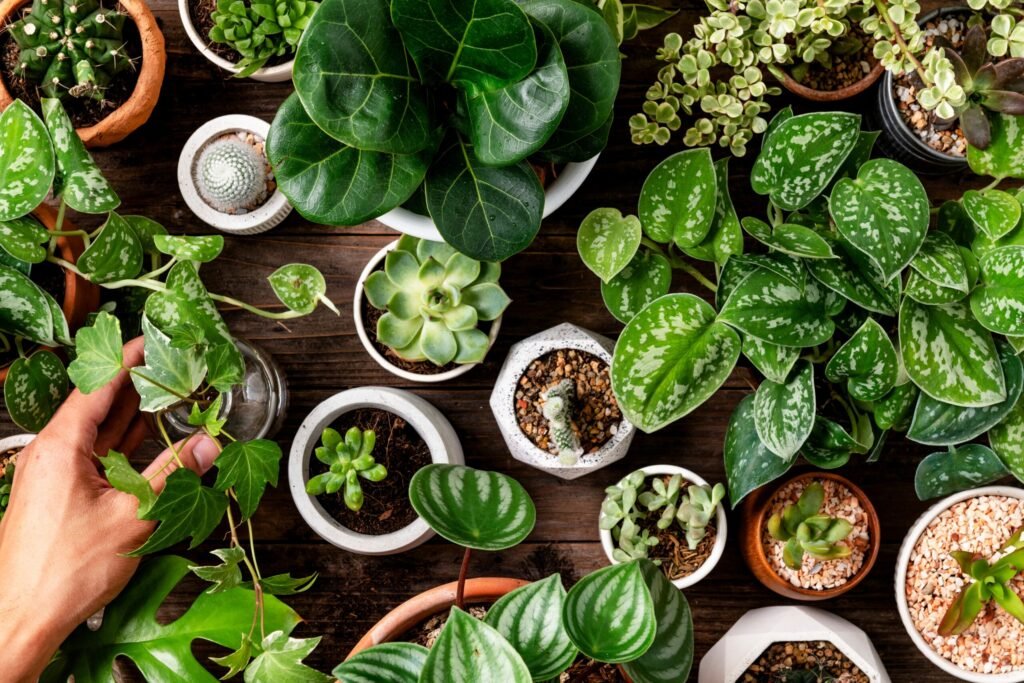
Aloe vera is well-known for its medicinal properties, but it’s also a natural air purifier. It effectively removes formaldehyde and benzene, chemicals often found in cleaning products, paints, and synthetic furnishings.
Care Tips
- Light: Bright, indirect sunlight; tolerates some direct sun.
- Watering: Water deeply but infrequently; allow soil to dry completely between waterings.
- Soil: Well-draining cactus or succulent mix.
- Maintenance: Remove dead leaves to keep the plant healthy.
Benefits
- Purifies indoor air and produces fresh oxygen.
- Provides leaves that can be used for soothing burns and skin care.
- Thrives with minimal attention, ideal for busy households.
Pro Tip: Place aloe vera near windows or workspaces for both air purification and easy access to its healing gel.
5. Boston Fern (Nephrolepis exaltata)
Why It Purifies the Air
Boston ferns are outstanding natural air filters, capable of removing formaldehyde and xylene. Unlike many succulents, they also help increase indoor humidity, which can improve respiratory health and prevent dry skin.
Care Tips
- Light: Indirect, filtered light; avoid direct sunlight which can scorch fronds.
- Watering: Keep soil consistently moist but not soggy. Ferns are sensitive to drying out.
- Humidity: Prefers high humidity; mist regularly or place near a humidifier.
- Soil: Rich, well-draining potting soil with organic matter.
Benefits
- Purifies air and adds moisture, especially useful in dry indoor climates.
- Lush foliage adds texture and aesthetic appeal.
- Creates a calming, natural environment conducive to relaxation.
Pro Tip: Boston ferns thrive in bathrooms or kitchens, where humidity levels are naturally higher.
How Houseplants Improve Indoor Air Quality
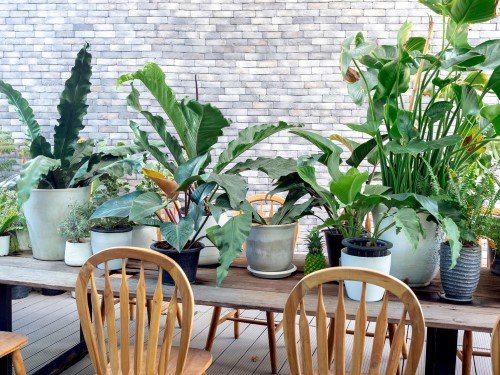
- Absorption of VOCs: Plants like snake plants, aloe vera, and peace lilies remove chemicals released by household products.
- Oxygen production: Most houseplants release oxygen during photosynthesis, improving air freshness.
- Humidity regulation: Ferns and peace lilies release moisture, which reduces airborne dust and allergens.
- Stress reduction: Greenery improves mood, reduces stress, and promotes productivity.
Tip: Combining multiple air-purifying plants can create a synergistic effect for cleaner, fresher indoor air.
Tips for Maximizing Air-Purifying Benefits
- Use proper containers: Ensure pots have drainage holes to prevent root rot.
- Position strategically: Place plants in areas where you spend the most time, such as bedrooms, living rooms, and offices.
- Regular cleaning: Wipe leaves with a damp cloth to remove dust and maintain photosynthesis efficiency.
- Rotate plants: Ensure all sides receive sufficient light for uniform growth.
- Monitor plant health: Remove dead leaves and prune unhealthy growth to keep plants thriving.
Creating an Indoor Plant Haven
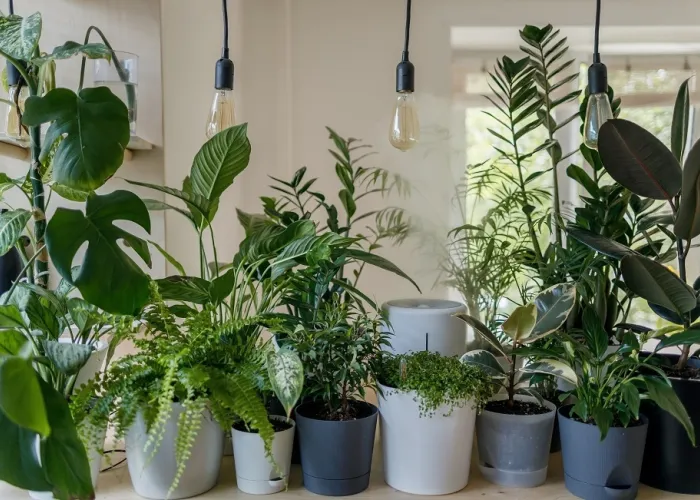
- Mix different plant sizes: Tall snake plants, medium peace lilies, and small aloe or spider plants.
- Use hanging planters for spider plants and trailing ferns to maximize space.
- Combine with decorative pots to enhance aesthetics while improving air quality.
- Incorporate into workspaces or bedrooms for functional and visual benefits.
Tip: An indoor plant collection not only purifies air but also creates a serene, natural ambiance that enhances overall well-being.
Final Thoughts
Incorporating air-purifying houseplants into your home is an easy, natural, and beautiful way to enhance indoor air quality, health, and aesthetics. Snake plants, peace lilies, spider plants, aloe vera, and Boston ferns are all excellent choices for both beginners and experienced gardeners.
Key takeaways:
- Choose plants suited to your light and humidity conditions.
- Water appropriately and maintain well-draining soil.
- Position plants where they can filter air effectively.
- Clean leaves and prune as needed to maintain health.
By carefully selecting and caring for these five natural air purifiers, you can enjoy cleaner air, improved respiratory health, and a calmer, greener home environment—all while adding vibrant life to your indoor spaces.