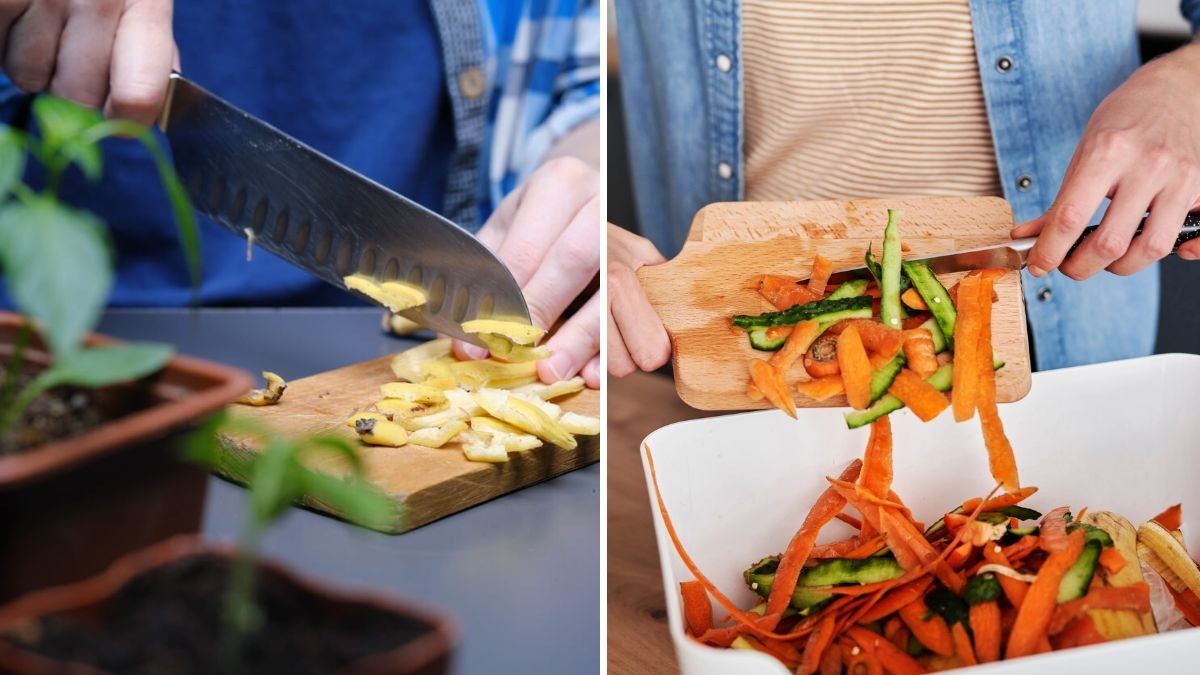
Sustainable gardening practices are gaining popularity as more gardeners seek eco-friendly ways to nourish their plants. One of the simplest and most cost-effective methods is using kitchen scraps as natural fertilizers. Instead of discarding vegetable peels, fruit cores, coffee grounds, or eggshells, these materials can be repurposed to enrich soil, provide essential nutrients, and promote healthy plant growth. This article explores five kitchen scraps that can be transformed into natural fertilizers, along with detailed instructions on how to use them, their benefits, and best practices for safe and effective application.
1. Coffee Grounds
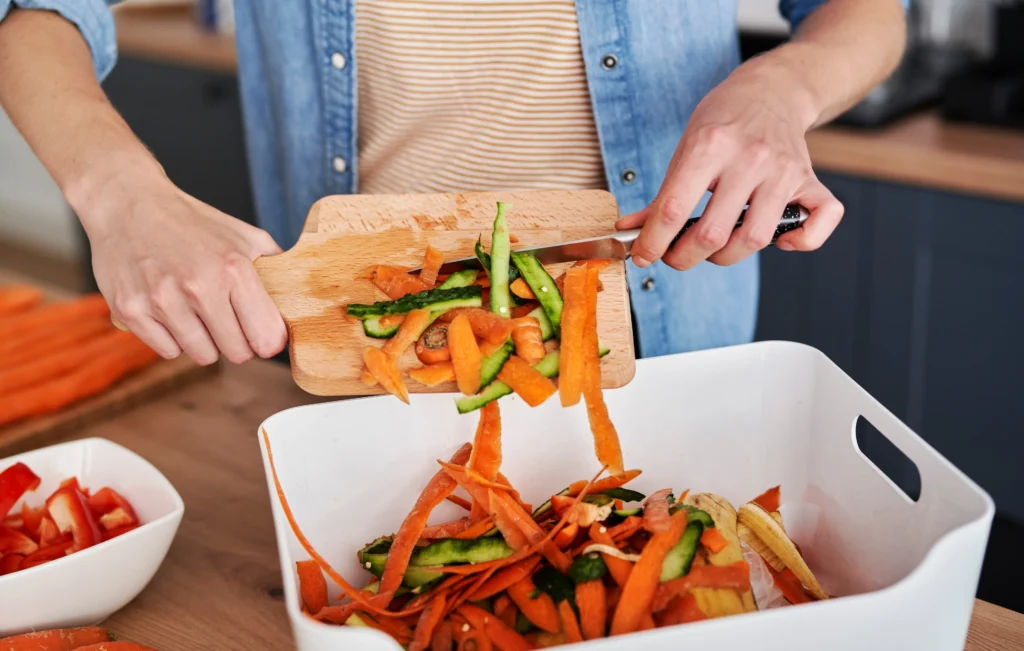
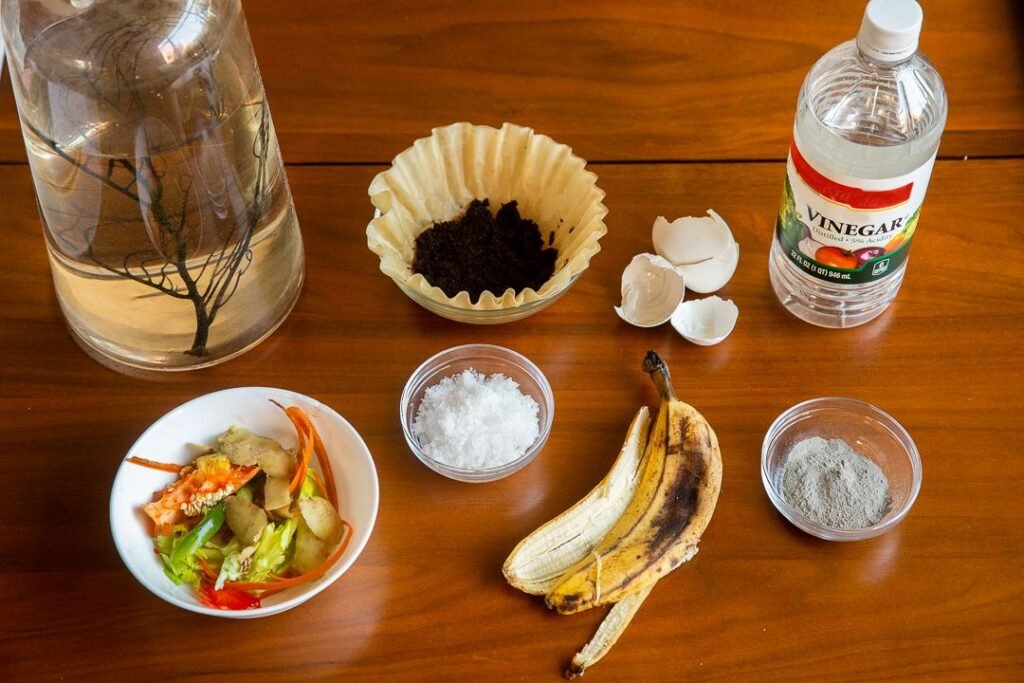
Coffee grounds are a readily available kitchen scrap that offers numerous benefits for your garden. They are slightly acidic and rich in nitrogen, making them an excellent additive for plants that thrive in acidic soil, such as tomatoes, peppers, and azaleas.
How to Use Coffee Grounds:
- Direct Application: Sprinkle used coffee grounds thinly over the soil surface and lightly mix them into the top layer.
- Composting: Add coffee grounds to your compost pile to provide nitrogen, balancing carbon-rich materials like dried leaves or paper.
- Liquid Fertilizer: Soak coffee grounds in water for a few days to make a nutrient-rich “coffee tea” that can be used to water plants.
Benefits:
- Improves soil structure and water retention.
- Provides nitrogen, supporting leafy growth.
- Attracts beneficial organisms like earthworms, which aerate soil naturally.
Tips: Avoid using coffee grounds in excessive quantities, as high concentrations can make soil overly acidic and inhibit seed germination.
2. Eggshells
Eggshells are a calcium powerhouse, providing a slow-release source of this essential nutrient. Calcium strengthens cell walls, preventing blossom-end rot in tomatoes and peppers, and supports overall plant development.
How to Use Eggshells:
- Crushed: Rinse and dry eggshells, then crush them into small pieces and sprinkle around the base of plants.
- Powdered: Grind dried eggshells into a fine powder and mix into potting soil or compost.
- Liquid Fertilizer: Boil crushed eggshells in water for 10–15 minutes, cool, and use the liquid to water plants.
Benefits:
- Supplies calcium, preventing common nutrient deficiencies.
- Improves soil aeration when mixed into heavy clay soils.
- Repels certain pests like slugs and snails when sprinkled around plants.
Tips: Avoid adding eggshells directly to acidic soil in large amounts without balancing pH, as they can neutralize soil acidity over time.
3. Banana Peels
Banana peels are a rich source of potassium and phosphorus, two nutrients essential for flowering, fruiting, and root development. They are particularly beneficial for fruiting plants like tomatoes, peppers, and eggplants.
How to Use Banana Peels:
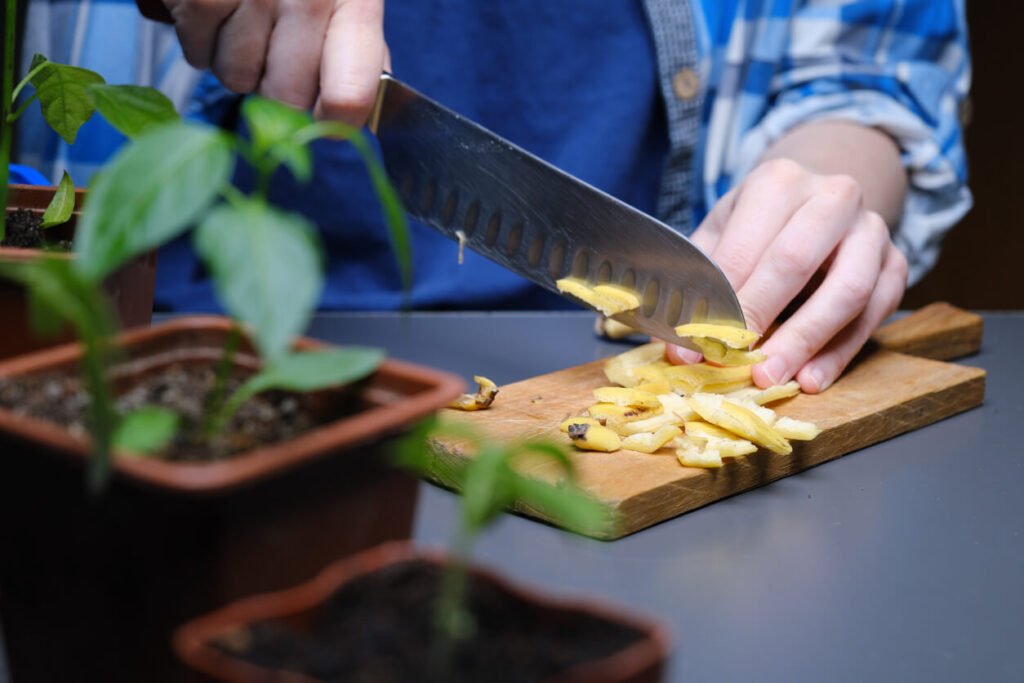
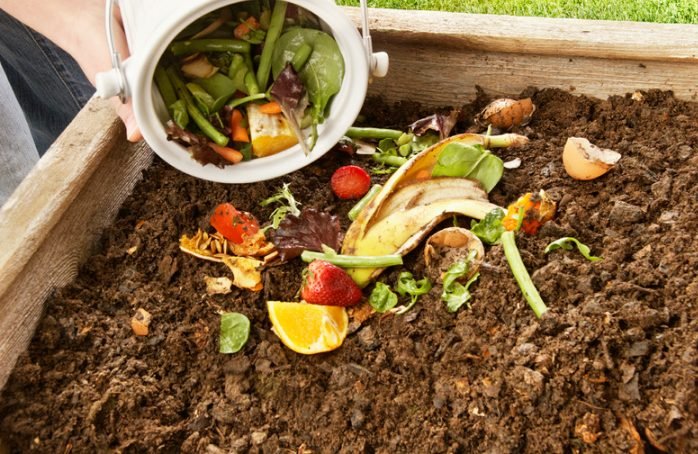
- Chopped: Cut peels into small pieces and bury them 2–3 inches deep near the base of plants.
- Blended Fertilizer: Blend banana peels with water to create a natural fertilizer liquid that can be poured directly onto soil.
- Composting: Add peels to your compost pile for nutrient enrichment.
Benefits:
- Encourages vigorous flowering and fruiting.
- Provides potassium for strong stems and disease resistance.
- Enhances microbial activity in soil when decomposed.
Tips: Avoid leaving whole banana peels on soil surfaces, as they can attract pests if not buried.
4. Vegetable Scraps
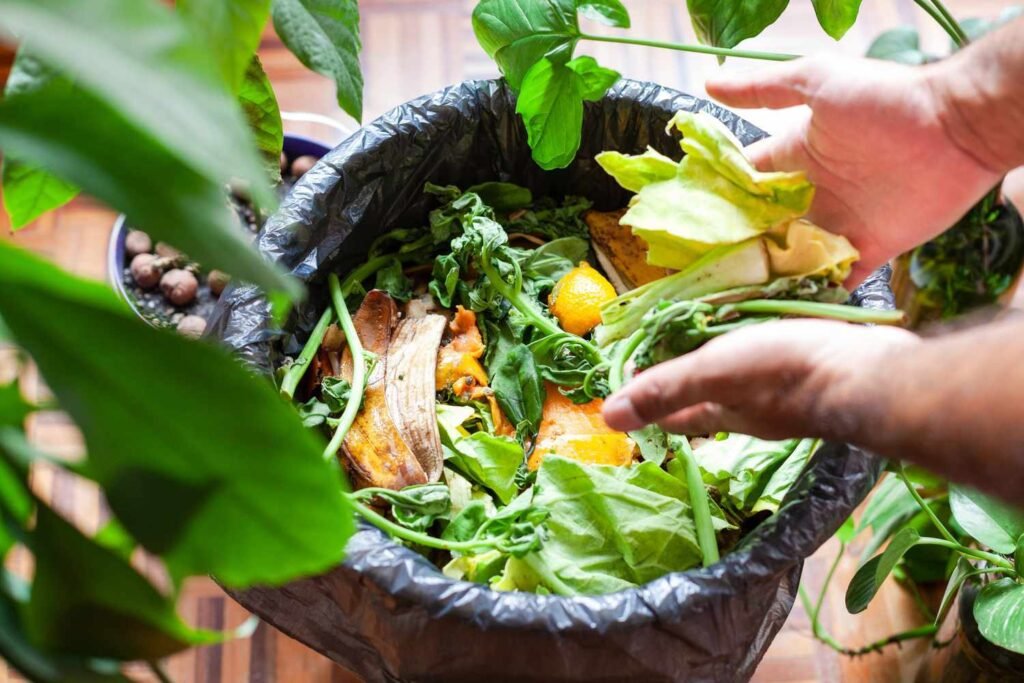
Vegetable scraps, including carrot tops, celery ends, onion skins, and potato peels, are excellent sources of nutrients like nitrogen, phosphorus, potassium, and trace minerals.
How to Use Vegetable Scraps:
- Composting: Chop scraps into smaller pieces and add them to your compost bin or pile. Mix with dry materials like leaves or shredded paper to maintain balance.
- Vegetable Broth Fertilizer: Boil vegetable scraps in water for 15–20 minutes, cool, and use the liquid to water plants.
- Direct Soil Amendment: Chop soft vegetable scraps and bury them in garden beds to decompose naturally, enriching the soil.
Benefits:
- Recycles kitchen waste into valuable nutrients.
- Improves soil structure and fertility.
- Encourages beneficial microorganisms that enhance plant growth.
Tips: Avoid using scraps from diseased plants, as pathogens can spread. Also, avoid large quantities of pungent scraps (like onion or garlic) directly on soil, which may repel some plants.
5. Used Tea Leaves
Used tea leaves are another nutrient-rich kitchen scrap that enhances soil fertility. They contain nitrogen, small amounts of phosphorus and potassium, and antioxidants that may benefit plant health.
How to Use Used Tea Leaves:
- Direct Application: Sprinkle dried or lightly damp tea leaves around the base of plants and mix into the soil.
- Composting: Add used tea leaves to compost, balancing with carbon-rich materials for optimal decomposition.
- Liquid Fertilizer: Steep tea leaves in water for a few days to create a nutrient-rich fertilizer liquid.
Benefits:
- Improves soil structure and water retention.
- Provides slow-release nutrients for sustained plant growth.
- Encourages beneficial soil organisms.
Tips: Avoid flavored or sweetened tea leaves when fertilizing plants, as additives may harm soil microorganisms.
Best Practices for Using Kitchen Scraps as Fertilizer
- Balance Nutrients: Different scraps provide varying nutrients. A mix of coffee grounds, banana peels, eggshells, and vegetable scraps ensures well-rounded soil nutrition.
- Composting is Key: Composting kitchen scraps before applying to soil allows decomposition, killing pathogens, and producing stable, nutrient-rich humus.
- Monitor Plant Response: Observe plant growth after applying natural fertilizers. Adjust application frequency and quantities based on plant needs.
- Avoid Contaminants: Do not use scraps containing oils, meat, or dairy (except eggshells) directly in soil, as they can attract pests and cause rot.
- Proper Storage: If you cannot compost immediately, store scraps in a sealed container in the refrigerator to prevent spoilage and odors.
Advantages of Using Kitchen Scraps as Fertilizer
- Eco-Friendly: Reduces household waste and promotes sustainable gardening practices.
- Cost-Effective: Minimizes the need for commercial fertilizers.
- Nutrient-Rich: Provides a wide range of essential nutrients naturally.
- Enhances Soil Health: Encourages microbial activity, improves soil texture, and supports long-term fertility.
- Safe for Edibles: When used correctly, natural fertilizers are safe for vegetables, fruits, and herbs.
Conclusion
Repurposing kitchen scraps as natural fertilizers is a simple and effective way to support healthy plant growth while reducing waste. Coffee grounds, eggshells, banana peels, vegetable scraps, and used tea leaves each provide specific nutrients that benefit different aspects of plant development. By incorporating these materials into compost, creating liquid fertilizers, or directly amending soil, gardeners can nurture lush, productive plants naturally and sustainably. Adopting these practices not only enhances plant health and yields but also promotes an eco-friendly gardening approach that aligns with modern sustainable living. With proper preparation, application, and monitoring, kitchen scraps can transform everyday waste into a valuable resource for a thriving garden.