
Gardening can be both rewarding and labor-intensive. Annuals offer bursts of color but require replanting every year, while perennials provide long-term beauty with minimal maintenance, making them ideal for gardeners seeking sustainable, low-effort landscaping. Perennials are plants that live for three or more years, often blooming season after season and gradually establishing a strong, resilient presence in the garden.
In this article, we’ll explore five perennial flowers that consistently return year after year with minimal effort, along with expert tips on planting, care, and maximizing blooms.
1. Daylilies (Hemerocallis spp.)
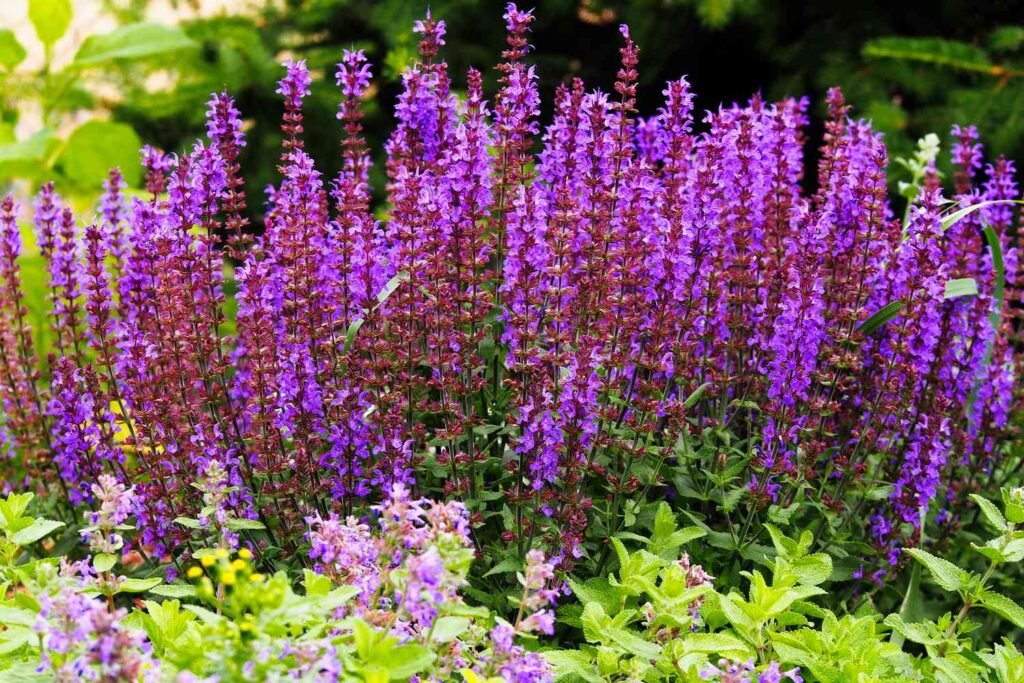
Daylilies are among the most versatile and low-maintenance perennials, renowned for their bright, trumpet-shaped flowers and adaptability to a variety of conditions.
Key Features:
- Bloom Time: Early to late summer, depending on the variety
- Sun Requirements: Full sun to partial shade
- Soil: Well-draining soil; tolerates a range of soil types
- Height: 1–4 feet
Expert Tips:
- Plant in clumps for a full, eye-catching display.
- Minimal watering is needed once established, though consistent moisture encourages larger blooms.
- Divide clumps every 3–4 years to rejuvenate the plant and increase flowering.
Why It Works: Daylilies are resilient, drought-tolerant, and resistant to most pests and diseases, making them perfect for gardeners who want reliable, low-effort beauty.
2. Coneflowers (Echinacea purpurea)
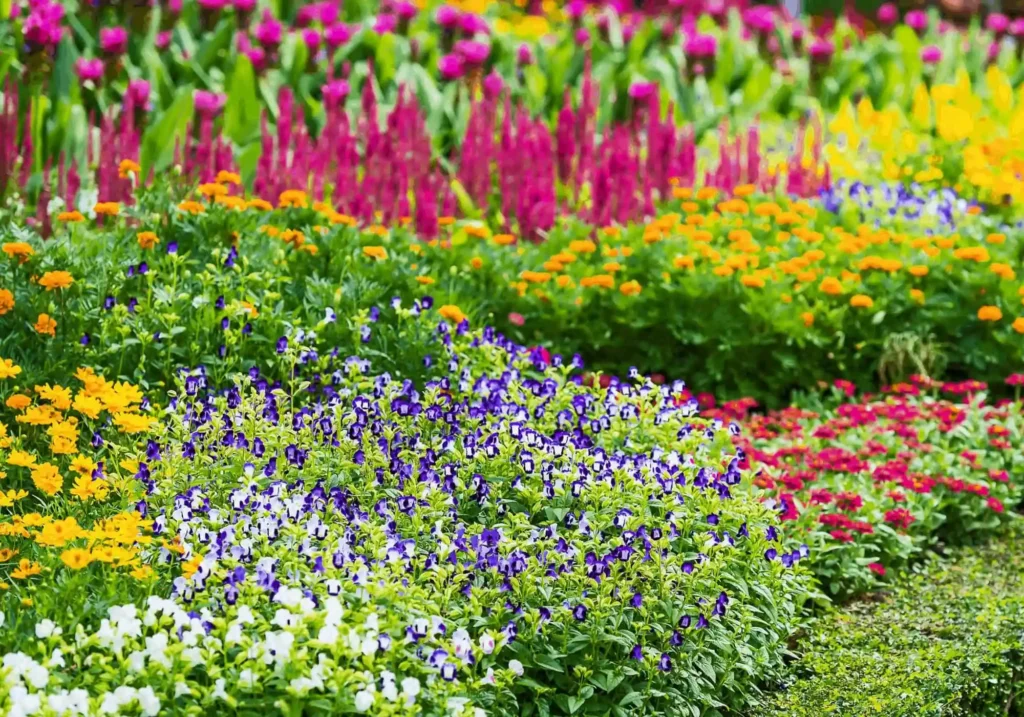
Coneflowers are sturdy perennials with daisy-like blooms and prominent central cones that attract pollinators such as bees and butterflies. They are highly adaptable and thrive in a range of garden conditions.
Key Features:
- Bloom Time: Summer to early fall
- Sun Requirements: Full sun
- Soil: Well-draining soil, moderately fertile
- Height: 2–4 feet
Expert Tips:
- Allow seedheads to remain in fall for winter interest and to feed birds.
- Deadhead only if you want to encourage extra blooms during the growing season.
- Combine with ornamental grasses or other perennials for a natural, meadow-like appearance.
Why It Works: Coneflowers are drought-tolerant, deer-resistant, and require very little maintenance once established, making them ideal for effortless year-to-year gardening.
3. Black-Eyed Susans (Rudbeckia hirta)
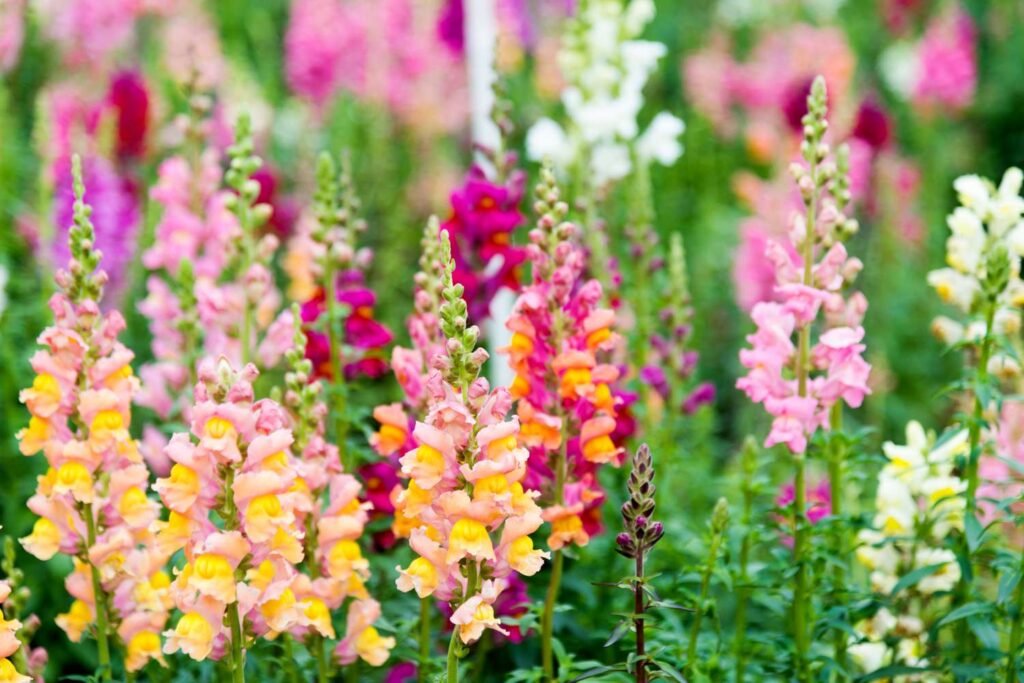
Black-eyed Susans are classic, sunny perennials that provide bright, cheerful color from midsummer through fall. Their long-lasting blooms and ease of care make them a favorite in both formal and informal gardens.
Key Features:
- Bloom Time: Summer to early fall
- Sun Requirements: Full sun
- Soil: Well-draining soil; tolerant of poor soil conditions
- Height: 1–3 feet
Expert Tips:
- Sow seeds or divide established plants every few years to maintain vigor.
- Allow some seedheads to drop naturally to self-seed and fill gaps for the next year.
- Plant in groups for maximum visual impact and pollinator attraction.
Why It Works: Black-eyed Susans thrive in a variety of climates, tolerate neglect, and reseed themselves naturally, ensuring blooms year after year with minimal effort.
4. Hostas (Hosta spp.)
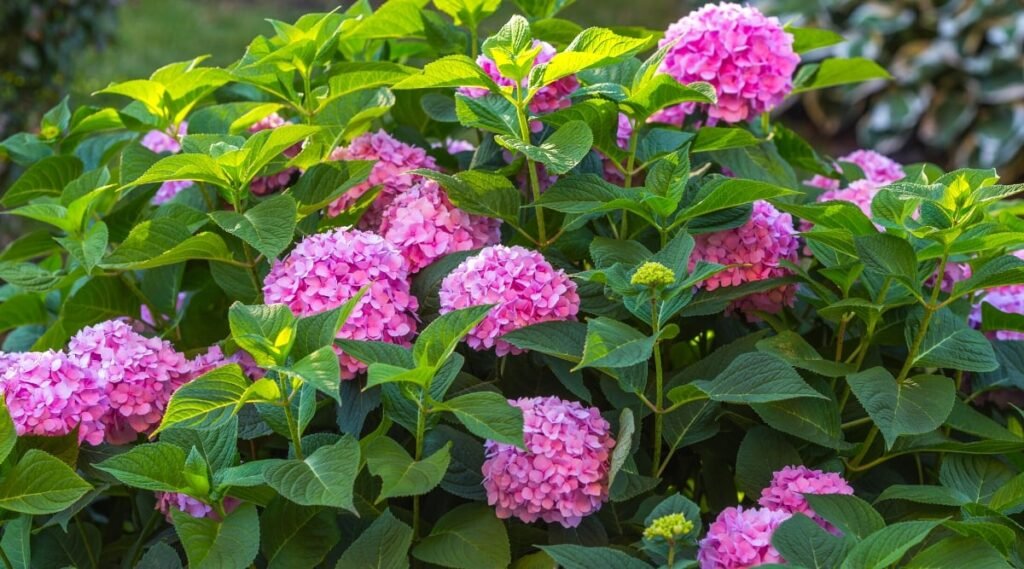
Hostas are shade-loving perennials prized for their lush foliage and subtle, elegant flowers. While they are grown primarily for their leaves, their summer blooms add a delicate touch to shaded areas.
Key Features:
- Bloom Time: Mid to late summer
- Sun Requirements: Partial to full shade
- Soil: Moist, well-draining soil
- Height: 1–3 feet
Expert Tips:
- Protect against slugs and snails, which are their main pests.
- Mulch around the base to retain soil moisture and suppress weeds.
- Divide clumps every 3–5 years to prevent overcrowding and maintain vigor.
Why It Works: Hostas are extremely hardy and can thrive in low-light conditions where many other perennials struggle, providing consistent foliage year after year with minimal care.
5. Peonies (Paeonia spp.)
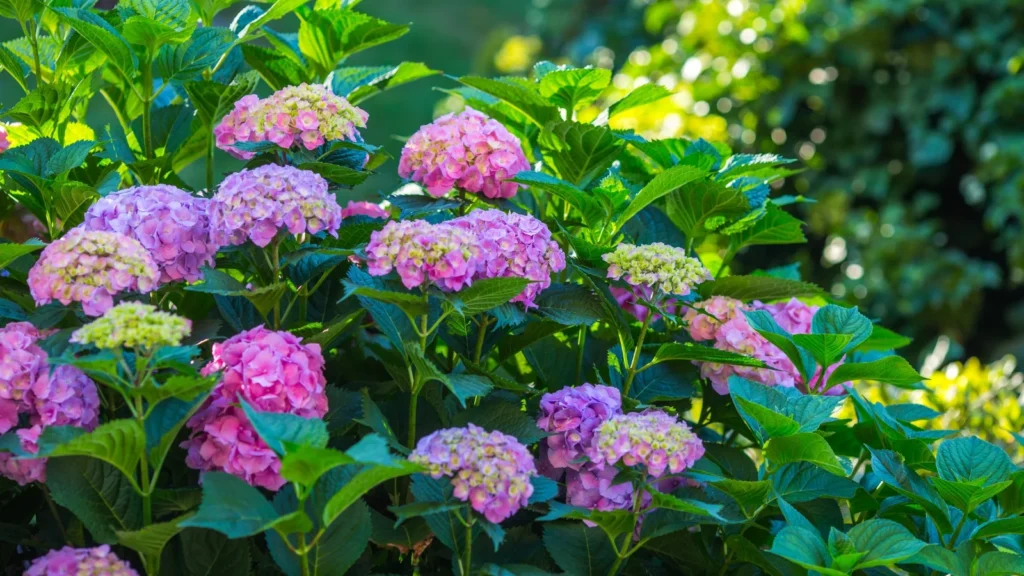
Peonies are long-lived perennials renowned for their large, showy blooms and sweet fragrance. Once established, they can thrive for decades, often blooming more profusely with age.
Key Features:
- Bloom Time: Late spring to early summer
- Sun Requirements: Full sun to partial shade
- Soil: Rich, well-draining soil
- Height: 2–4 feet
Expert Tips:
- Support tall stems with stakes or rings to prevent flopping.
- Avoid disturbing established roots; peonies dislike being moved frequently.
- Cut back foliage in fall to prevent disease and promote healthy growth next season.
Why It Works: Peonies are remarkably hardy, often requiring little attention once established. Their long lifespan and spectacular blooms make them a worthwhile investment for effortless beauty.
Tips for Successful Low-Maintenance Perennial Gardening
- Choose Native or Adapted Varieties: Plants well-adapted to your climate require less water, fertilizer, and care.
- Prepare Soil Properly: Adding compost or organic matter at planting helps perennials establish quickly and thrive with minimal intervention.
- Mulch for Moisture and Weed Control: A 2–3 inch layer of organic mulch conserves moisture, reduces weeds, and protects roots.
- Water Wisely: Deep, infrequent watering encourages strong root development.
- Divide Wisely: Periodically dividing crowded perennials rejuvenates them and ensures vigorous, long-lasting blooms.
- Plant in Groups: Mass plantings of the same perennial create dramatic impact and are easier to care for than scattered plants.
- Minimal Fertilization: Most perennials thrive with one or two applications of balanced fertilizer during the growing season.
Benefits of Choosing Perennials
- Long-Term Cost Savings: Fewer plants need to be purchased each year.
- Sustainable Gardening: Perennials reduce soil disturbance and promote a stable ecosystem.
- Wildlife Support: Many perennials attract bees, butterflies, and birds year after year.
- Consistent Beauty: With proper care, perennials return reliably, providing structure and color with minimal effort.
- Time-Saving: Reduced planting, watering, and maintenance compared to annuals.
Conclusion
Perennials are the perfect solution for gardeners seeking effortless, reliable, and long-term beauty. Daylilies, coneflowers, black-eyed Susans, hostas, and peonies are expert-recommended favorites that return year after year with minimal maintenance, providing vibrant color, structure, and interest in every garden.
By choosing perennials wisely, preparing the soil well, and following simple care guidelines, gardeners can enjoy a lush, thriving landscape with reduced effort and long-term rewards. These resilient plants not only beautify the garden but also support pollinators, wildlife, and a sustainable environment, ensuring your yard remains colorful, lively, and low-maintenance season after season.