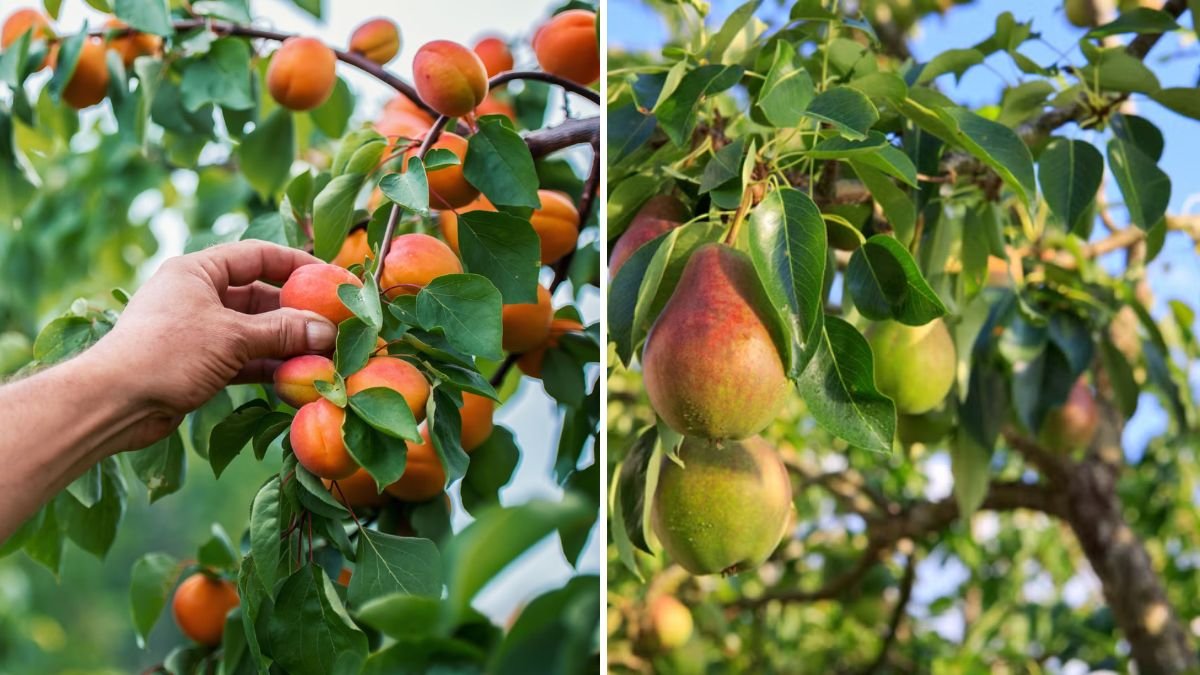
For home gardeners and orchard enthusiasts, the joy of planting a fruit tree comes with the anticipation of harvest. However, not all fruit trees are patient—some take years before producing edible fruit. If you want quick gratification without compromising on quality, choosing fast-fruiting trees is key. Gardeners often prioritize trees that bear fruit within a few years, thrive in container or backyard settings, and require manageable care. This guide highlights five trees that produce fruit quickly, detailing their characteristics, planting tips, and expert care recommendations.
Why Fast-Fruiting Trees Are Ideal
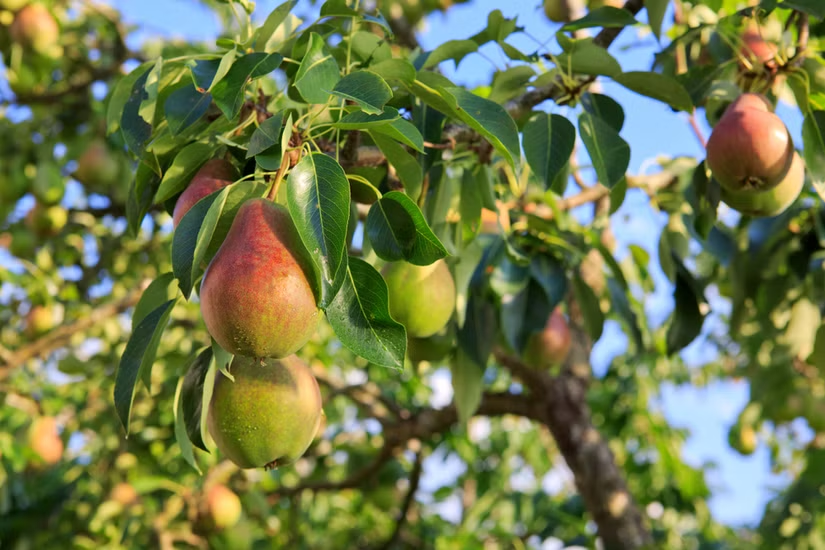
Fast-fruiting trees offer several advantages for both novice and experienced gardeners:
- Quick harvests: They allow you to enjoy fresh fruit sooner, often within 1–3 years.
- Space efficiency: Many fast-fruiting trees are dwarf or semi-dwarf varieties suitable for smaller gardens or containers.
- High motivation: Early fruiting keeps gardeners engaged and encourages continued care.
- Urban gardening-friendly: Ideal for patios, balconies, or backyard orchards where space is limited.
- Cost-effective: Fast fruiting reduces the time and resources invested before you see tangible results.
Choosing trees with these characteristics ensures a rewarding gardening experience and reduces the wait between planting and harvest.
1. Dwarf Lemon Tree (Citrus limon)
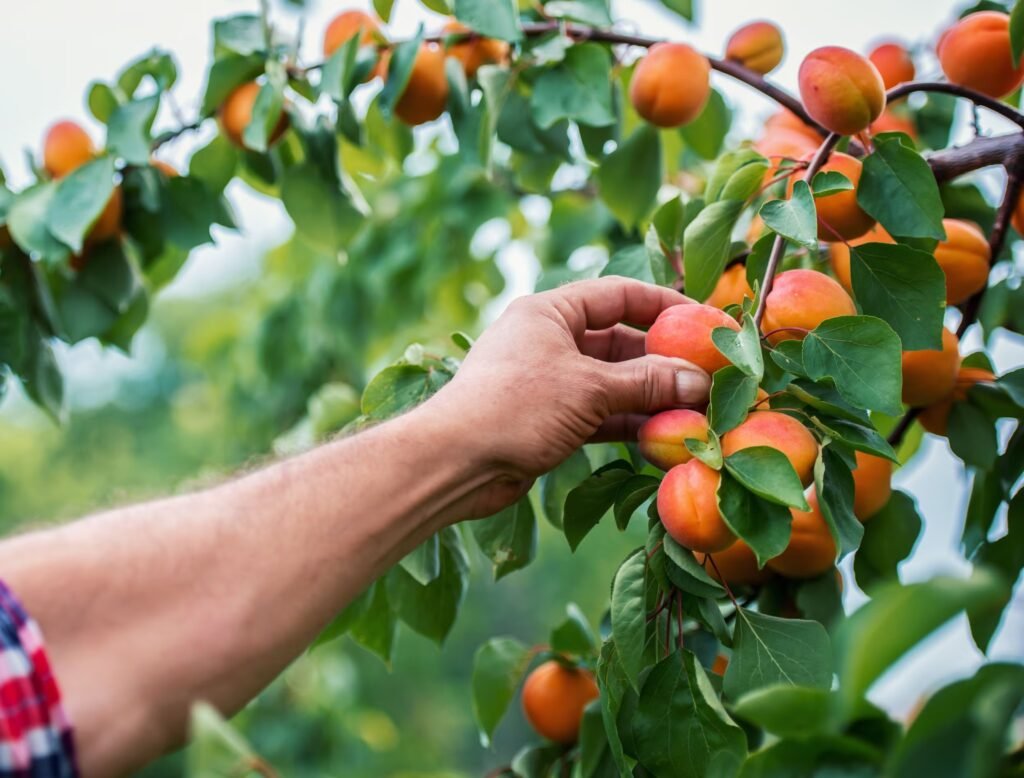
Lemon trees are popular for their fragrant flowers, bright fruit, and versatility in the kitchen. Dwarf varieties, in particular, are known for early fruiting and adaptability to containers.
Why they produce fruit fast:
- Dwarf cultivars like ‘Meyer’ lemon can bear fruit in as little as 1–2 years.
- Compact growth encourages faster flowering and fruiting cycles.
Planting and care:
- Use a 16–24 inch pot with well-draining potting mix rich in organic matter.
- Place in a location with 8–10 hours of direct sunlight daily.
- Water consistently, allowing the top inch of soil to dry between watering.
- Fertilize with a citrus-specific fertilizer every 6–8 weeks during the growing season.
Harvesting tips:
- Lemons are ready to harvest when they are fully yellow and slightly soft to the touch.
- Regular pruning encourages new growth and more fruiting sites.
2. Fig Tree (Ficus carica)
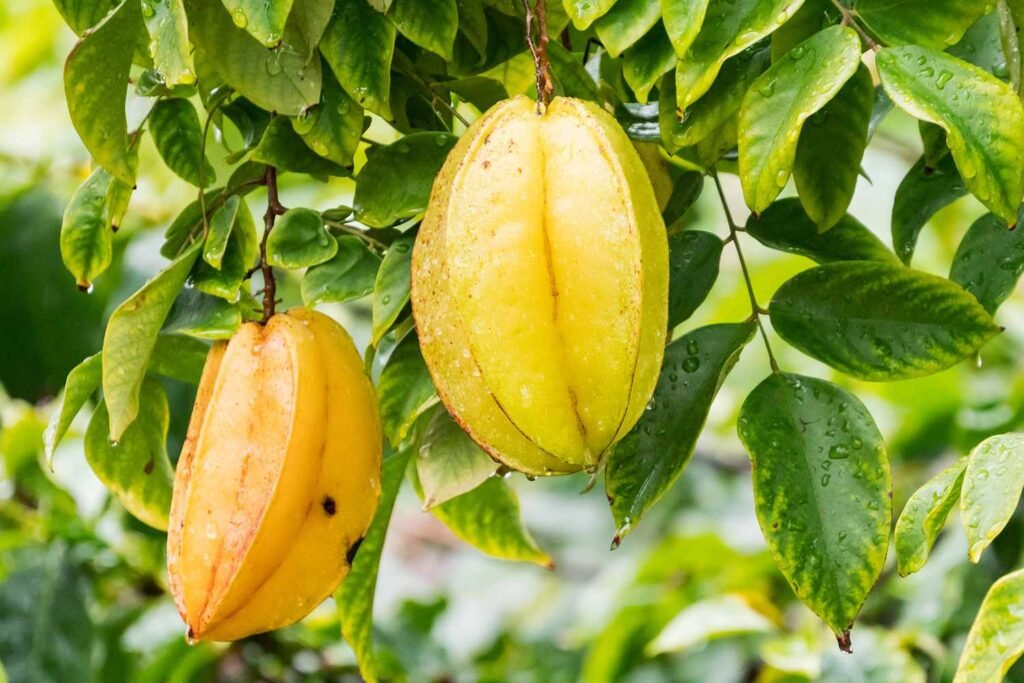
Figs are semi-hardy trees that adapt well to containers and small spaces, making them a favorite among home gardeners. They are known for their sweet, nutrient-rich fruits.
Why they produce fruit fast:
- Many dwarf or container-friendly varieties, such as ‘Petite Negra’ and ‘Brown Turkey,’ bear fruit within 1–2 years.
- Rapid growth in favorable conditions encourages early flowering and fruiting.
Planting and care:
- Use a 16–24 inch container or plant in well-draining garden soil.
- Provide full sun for 6–8 hours per day.
- Water moderately, keeping the soil slightly moist but not waterlogged.
- Apply a balanced fertilizer monthly during the growing season.
Expert tip: Prune lightly to maintain shape and encourage lateral branches, which are prime fruiting sites.
3. Papaya Tree (Carica papaya)
Papaya trees are tropical, fast-growing, and highly productive, making them an excellent choice for gardeners seeking rapid fruit production.
Why they produce fruit fast:
- Papayas can flower and produce fruit within 6–12 months of planting.
- Continuous growth in warm climates ensures multiple harvests per year.
Planting and care:
- Plant in a large container (18–24 inches) or directly in well-draining garden soil.
- Ensure full sun exposure, 6–8 hours daily.
- Water regularly but avoid waterlogging.
- Fertilize every 2–3 months with a balanced fertilizer rich in potassium for fruiting.
Harvesting tips:
- Fruits are ready when they turn yellow-orange and emit a fragrant aroma.
- Protect young trees from strong winds, as they are fragile.
4. Peach Tree (Prunus persica)
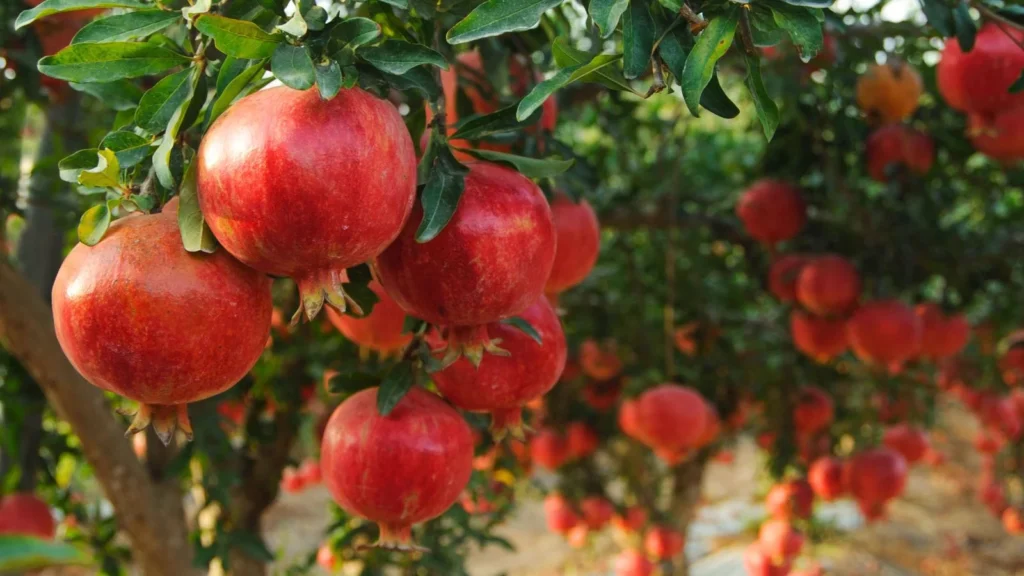
Peach trees are cherished for their sweet, juicy fruit and ornamental spring blooms. Certain varieties are particularly fast-fruiting, making them suitable for impatient gardeners.
Why they produce fruit fast:
- Dwarf and semi-dwarf varieties, such as ‘Bonanza’ or ‘El Dorado,’ can produce fruit in 2–3 years.
- Early-blooming varieties take advantage of spring sunlight to develop fruit quickly.
Planting and care:
- Use a 15–20 gallon container or plant in well-draining soil in a sunny location.
- Ensure at least 6–8 hours of sunlight daily.
- Water regularly, keeping the soil consistently moist during the growing season.
- Fertilize with a fruit-tree fertilizer in early spring and mid-summer.
Pruning tips:
- Remove dead or overcrowded branches in late winter.
- Thin fruit clusters to improve size and sweetness of peaches.
5. Dwarf Mulberry Tree (Morus spp.)
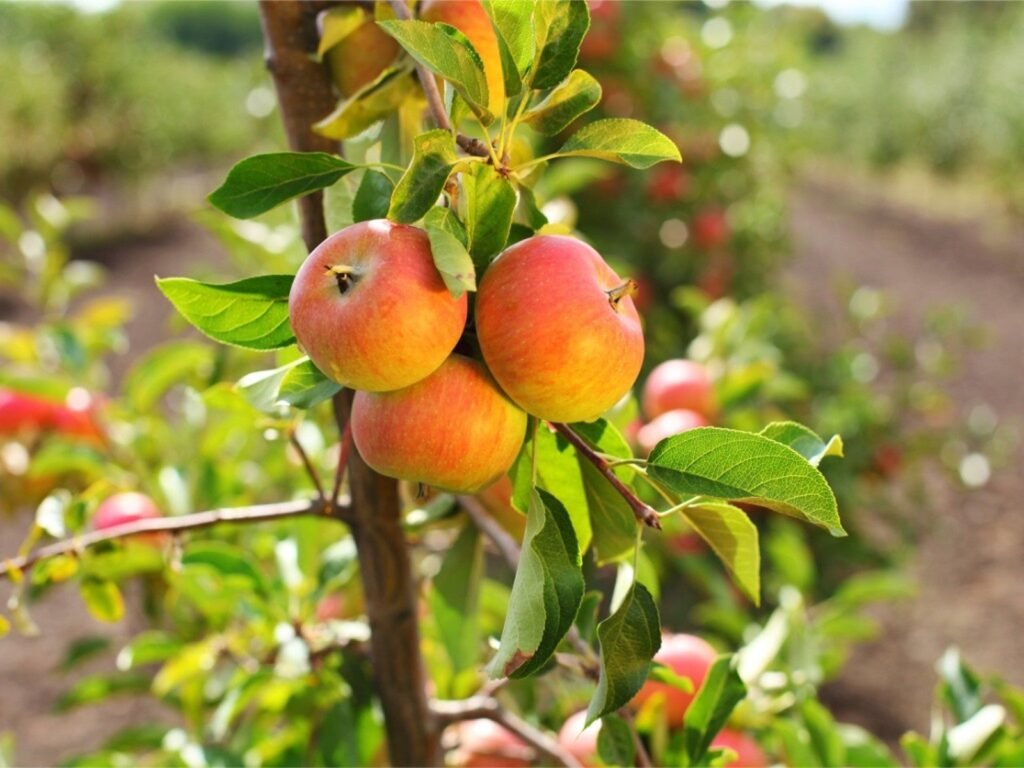
Mulberry trees are fast-growing, hardy, and versatile, offering sweet, nutrient-packed berries that can be eaten fresh, dried, or turned into jams.
Why they produce fruit fast:
- Dwarf mulberry varieties, such as ‘Dwarf Everbearing’ or ‘Issai,’ can produce fruit in 1–2 years.
- Rapid growth and early flowering support quick fruiting cycles.
Planting and care:
- Use a large container (18–24 inches) with rich, well-draining soil.
- Provide full sun exposure for at least 6 hours daily.
- Water consistently, particularly during flowering and fruiting.
- Fertilize with a balanced fertilizer in spring and midsummer.
Harvesting tips:
- Pick berries when fully colored and soft to the touch.
- Mulberries can stain surfaces; consider placing a tray or tarp beneath the tree during harvest.
General Tips for Growing Fast-Fruiting Trees
- Choose dwarf or semi-dwarf varieties: They fruit earlier than standard-size trees and are easier to manage.
- Container gardening: Many fast-fruiting trees adapt well to containers, offering flexibility and protection from frost.
- Sunlight: Most fruit trees require at least 6–8 hours of direct sunlight daily for optimal fruiting.
- Watering: Consistent moisture supports flowering and fruit development; avoid water stress.
- Fertilization: Use appropriate fertilizers during the growing season to enhance fruit size and sweetness.
- Pruning: Regular pruning removes dead wood, encourages lateral branches, and improves fruit quality.
- Pest and disease control: Inspect trees regularly and treat any infestations promptly to avoid reduced yields.
- Pollination: Some trees are self-pollinating, while others benefit from cross-pollination; check your variety.
By following these tips, gardeners can enjoy bountiful fruit quickly while maintaining healthy, productive trees.
Benefits of Fast-Fruiting Trees
- Early satisfaction: Quick harvests provide immediate gratification and encourage continued gardening.
- Urban gardening-friendly: Compact varieties fit on patios, balconies, or small yards.
- Nutritional value: Fresh, homegrown fruits are rich in vitamins, antioxidants, and flavor.
- Cost-effective: Fast fruiting reduces waiting time and maximizes return on gardening investment.
- Aesthetic value: Many fruit trees, such as peaches and figs, also produce beautiful flowers and foliage.
Choosing fast-fruiting trees ensures that even limited-space gardeners can enjoy fresh produce, vibrant greenery, and rewarding gardening experiences within a short time frame.
Conclusion
For gardeners eager to enjoy fresh fruit quickly, selecting the right fast-fruiting trees is crucial. Dwarf lemon trees, fig trees, papayas, peaches, and mulberries are among the most recommended by experienced gardeners for their rapid growth, early fruiting, and adaptability to containers or small spaces.
By understanding each tree’s specific requirements—including sunlight, watering, soil, and fertilization—gardeners can maximize yields and fruit quality. Regular pruning, pest management, and careful care ensure healthy trees and abundant harvests year after year.
Whether you are a novice gardener looking for immediate results or an experienced orchardist seeking efficient fruit production, these five trees offer the perfect combination of speed, taste, and visual appeal. Planting fast-fruiting trees brings both the joy of gardening and the reward of delicious, homegrown fruit within a remarkably short time, transforming any backyard, patio, or balcony into a thriving mini-orchard.