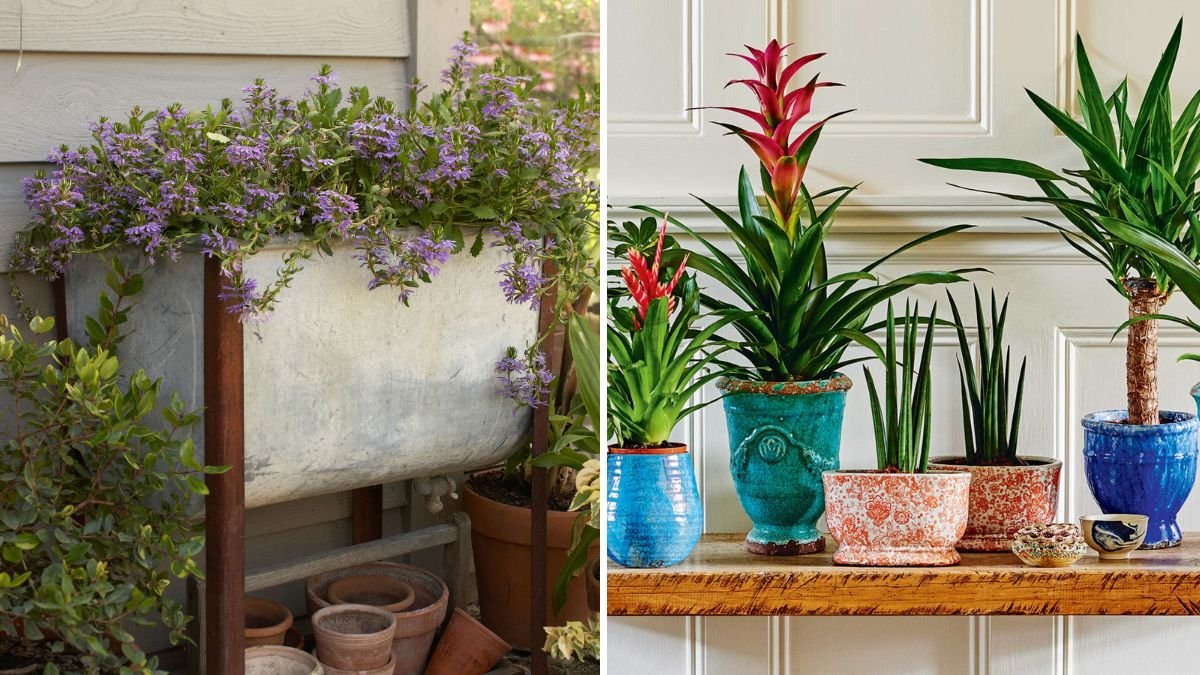
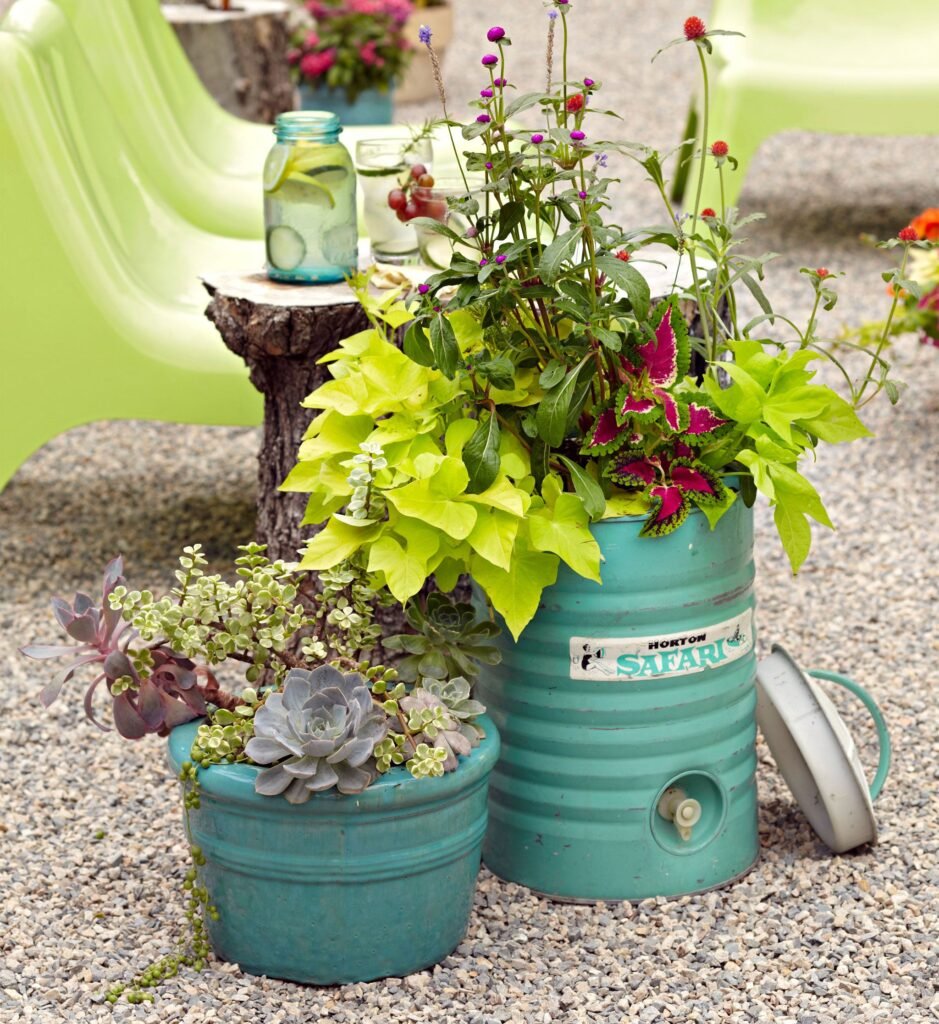
Gardening is a rewarding hobby that connects us to nature, encourages sustainable practices, and beautifies our living spaces. However, purchasing traditional planters can be expensive, especially for hobbyists or urban gardeners working with limited budgets. A creative and eco-friendly alternative is to repurpose everyday household items into planters. Upcycling not only reduces waste but also adds unique character and charm to your garden. This article explores five practical household items that can be transformed into planters, offering detailed guidance, benefits, and tips for success.
Why Upcycle Household Items as Planters?
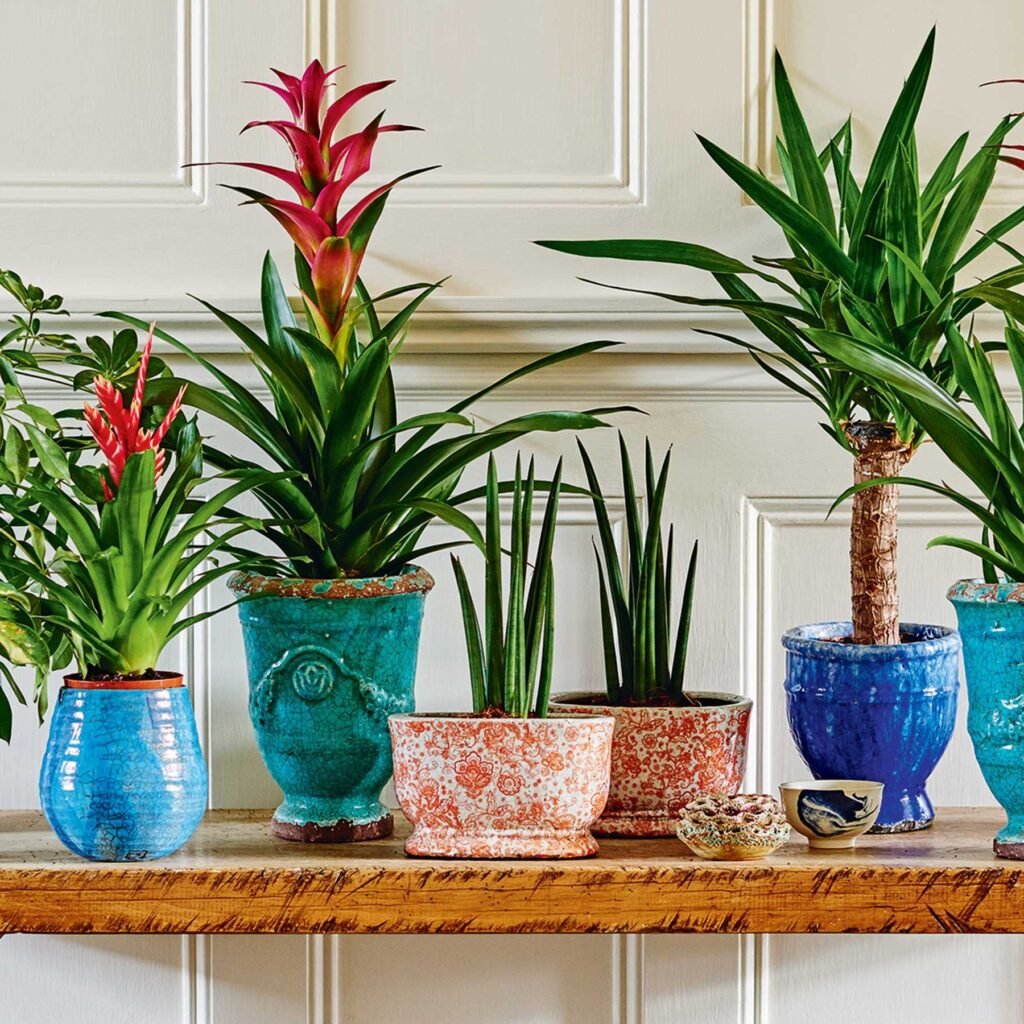
Upcycling is the process of reusing discarded or unused materials to create something useful and valuable. Using household items as planters provides multiple benefits:
- Cost Savings: Eliminates the need to purchase expensive pots and containers.
- Sustainability: Reduces landfill waste and promotes environmentally conscious gardening.
- Creativity and Personalization: Allows gardeners to infuse personality and style into their outdoor or indoor space.
- Flexibility: Many items are lightweight, portable, and adaptable to various plant types.
- Conversation Starter: Unique planters spark curiosity and showcase DIY ingenuity.
1. Tin Cans

Tin cans are one of the most versatile and accessible items for upcycled planters. They come in various sizes, making them suitable for herbs, small vegetables, or ornamental plants.
How to Use:
- Clean the can thoroughly to remove food residues.
- Punch 3–5 small drainage holes in the bottom using a nail or screwdriver.
- Optionally, paint or decorate the exterior for aesthetic appeal.
- Fill with potting soil and plant herbs, succulents, or flowers.
Benefits:
- Lightweight and durable.
- Perfect for windowsills, balconies, and indoor gardens.
- Can be easily grouped or hung using wire or twine.
Tips: Label cans with plant names using chalk paint or markers for easy identification.
2. Plastic Bottles
Plastic bottles are abundant in most households and can be transformed into vertical or hanging planters.
How to Use:
- Clean the bottle thoroughly.
- Cut the bottle horizontally or create a window for planting.
- Punch small drainage holes at the bottom or sides.
- Fill with lightweight soil and seeds or seedlings.
- Optionally, hang bottles using rope or create a vertical stack for a space-saving garden.
Benefits:
- Ideal for vertical gardening in small spaces.
- Lightweight and portable.
- Transparent bottles allow observation of root growth in educational setups.
Tips: Use different bottle sizes for layered planting and mix flowers, herbs, and leafy greens for a colorful display.
3. Old Wooden Crates
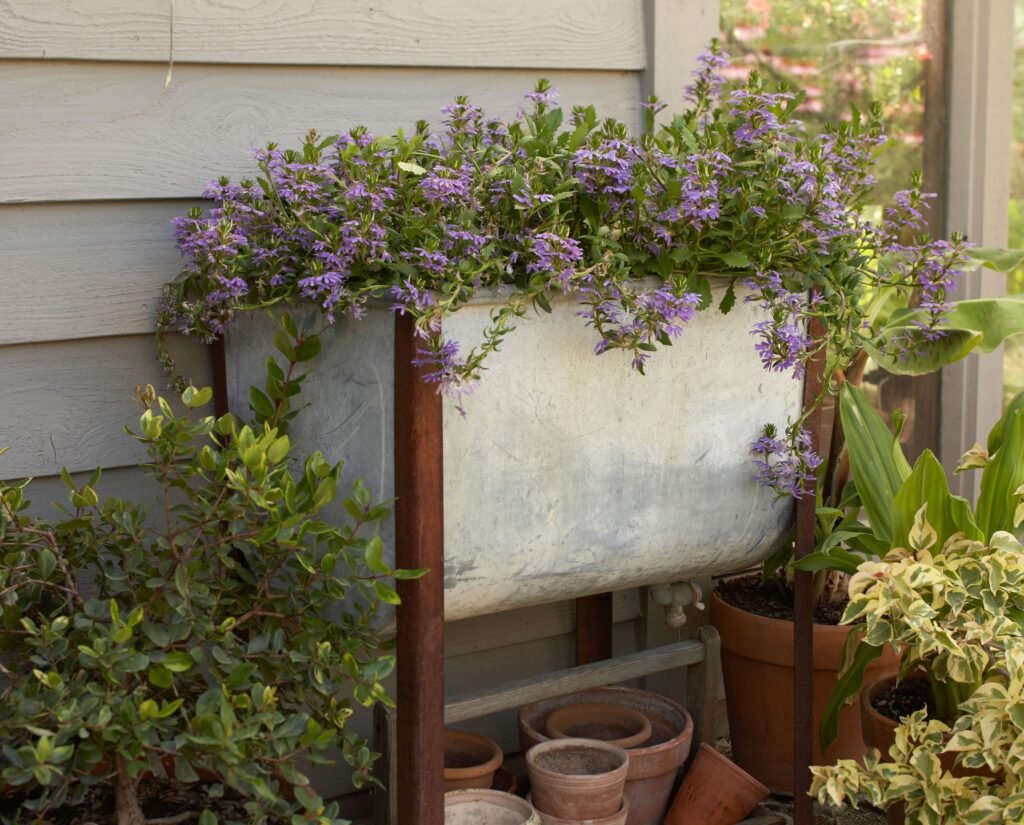
Wooden crates or boxes can be converted into rustic, large-scale planters perfect for patios, balconies, or raised beds.
How to Use:
- Sand rough edges and line the crate with landscape fabric to prevent soil loss.
- Drill 3–5 drainage holes at the bottom.
- Fill with a nutrient-rich potting mix suitable for the intended plants.
- Plant a mix of vegetables, herbs, or ornamental plants for visual appeal.
Benefits:
- Provides ample space for larger plants or multiple small plants.
- Natural aesthetic complements garden landscapes.
- Durable and reusable for multiple planting cycles.
Tips: Treat the wood with non-toxic sealant to prolong lifespan and prevent rot.
4. Teapots, Cups, and Kitchenware
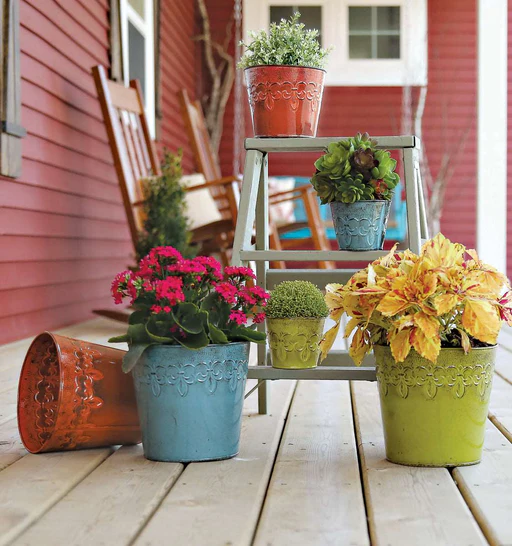
Old teapots, mugs, and bowls add charm and whimsy when repurposed as planters. These items are especially suitable for small plants like succulents and herbs.
How to Use:
- Drill or poke small drainage holes in the bottom if possible.
- Fill with succulent soil or potting mix.
- Plant small herbs, cacti, or ornamental succulents.
- Place in sunny windowsills, kitchen counters, or shelves.
Benefits:
- Adds character and personality to your indoor garden.
- Perfect for small, low-maintenance plants.
- Encourages creativity and aesthetic experimentation.
Tips: Group multiple mugs or teapots on a tray for a cohesive miniature garden display.
5. Old Drawers and Cabinets
Unused drawers or cabinet parts can be transformed into multi-plant containers, creating raised or tiered planter systems.
How to Use:
- Remove drawer slides or hardware that might interfere with planting.
- Drill adequate drainage holes in the bottom.
- Line with landscape fabric or plastic liner for added durability.
- Fill with soil and arrange plants according to light and space requirements.
Benefits:
- Large, spacious containers for herbs, leafy greens, or flowers.
- Can create a tiered or stacked garden for visual appeal and space efficiency.
- Recycles bulky items that would otherwise be discarded.
Tips: Paint or refinish drawers for aesthetic cohesion with your garden design. Stack multiple drawers to create a vertical garden for limited spaces.
Additional Tips for Using Upcycled Planters
- Soil and Drainage: Proper drainage is essential. Use soil suitable for your plants and ensure containers have holes or layers of gravel.
- Plant Selection: Match plants with container size and light availability. Succulents and herbs thrive in small containers, while vegetables need larger ones.
- Watering: Containers dry out faster than garden beds. Use mulch or DIY self-watering solutions for consistent moisture.
- Decoration: Paint, decoupage, or wrap containers to match your garden theme.
- Seasonal Care: Rotate plants, replenish soil nutrients, and move containers indoors during extreme weather if necessary.
Advantages of Upcycled Household Planters
- Cost-Effective: Minimizes spending on store-bought pots.
- Eco-Friendly: Reduces landfill waste and encourages recycling.
- Customizable: Personalize planters to fit your style and garden layout.
- Educational: Teaches sustainability and creative problem-solving.
- Functional and Aesthetic: Provides both a growing environment for plants and decorative value for living spaces.
Creative Ideas for Upcycled Planters
- Hanging Bottle Herb Garden: Hang multiple plastic bottles filled with herbs on a balcony railing.
- Mug Succulent Wall: Attach mugs to a wooden board for a quirky vertical garden.
- Drawer Raised Herb Bed: Stack drawers filled with herbs for a tiered kitchen garden.
- Crate Patio Garden: Line several wooden crates with landscape fabric and plant a mix of vegetables for a mini raised bed garden.
- Tin Can Fairy Garden: Paint small tin cans and create a whimsical miniature garden with moss, tiny flowers, and decorative figurines.
Conclusion
Upcycling household items into planters is a creative, sustainable, and cost-effective way to expand your gardening potential. From tin cans and plastic bottles to wooden crates, teapots, and old drawers, almost any unused household item can be transformed into a functional and attractive container for plants. By implementing proper soil, drainage, and plant selection techniques, these repurposed planters not only provide an environment for healthy plant growth but also add unique personality to indoor and outdoor spaces. Upcycled planters demonstrate how creativity and resourcefulness can turn everyday items into a thriving garden, promoting sustainability while maximizing both aesthetic and functional value.