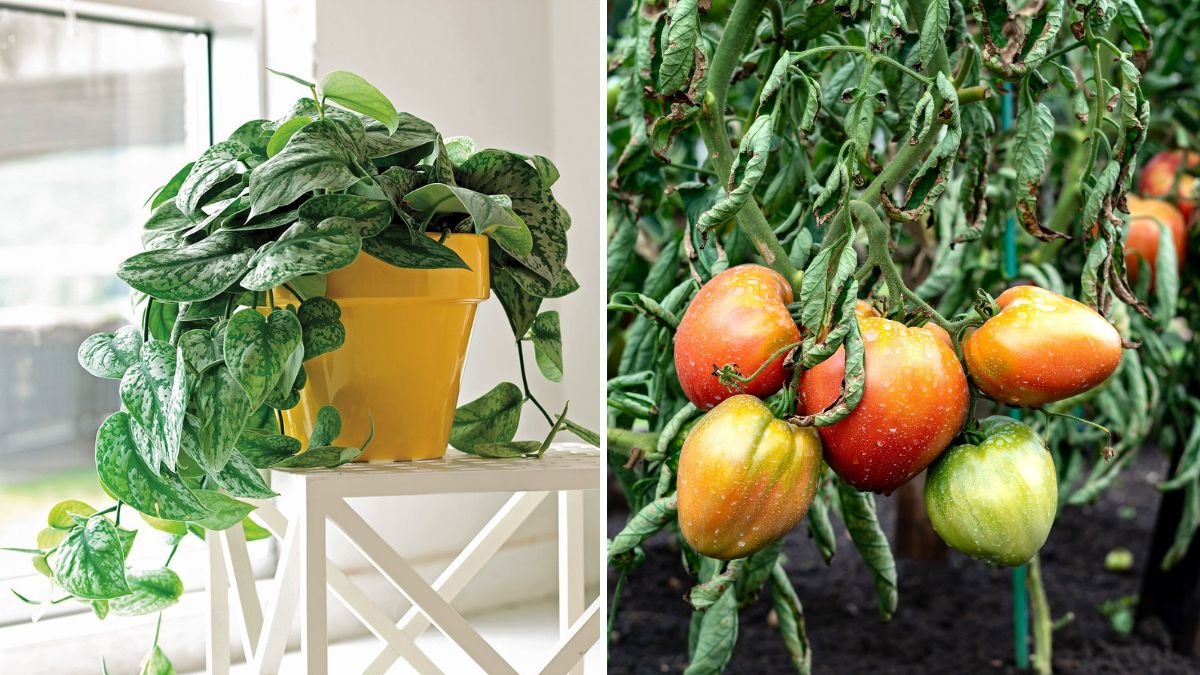
Hot weather can be challenging for gardeners, both indoors and outdoors. Even the hardiest plants can wilt under intense heat, leaving leaves droopy, discolored, or stressed. Wilting is a natural response to water loss, but prolonged exposure to heat can damage or even kill plants. Fortunately, there are several easy and effective ways to help plants recover and thrive even during scorching temperatures.
This guide explores six practical solutions to fix wilting plants in hot weather, ensuring your garden stays healthy, lush, and resilient.
1. Adjust Watering Practices
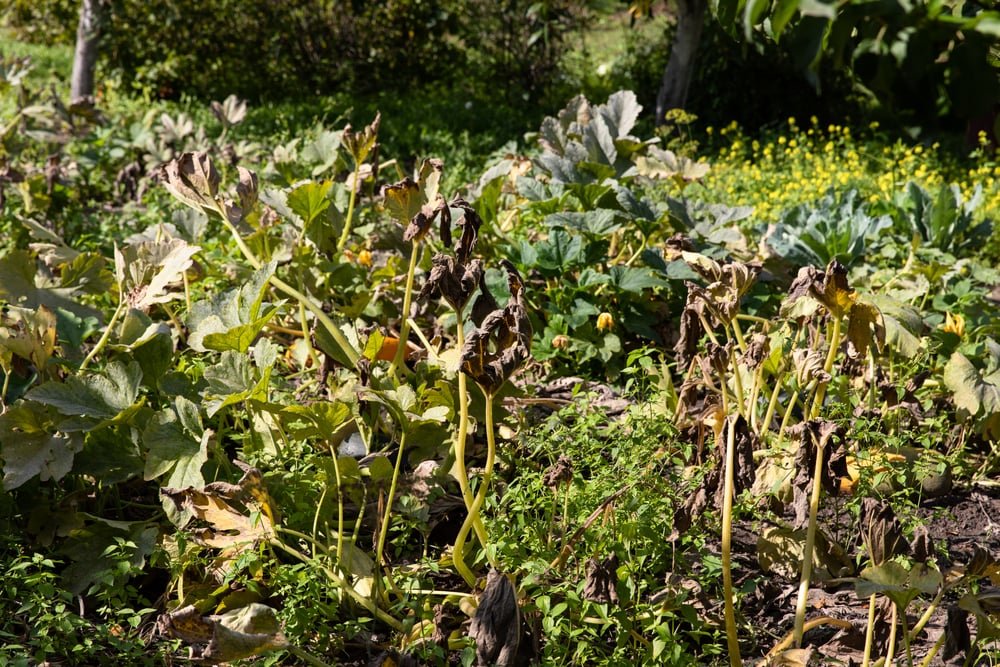
Wilting is often a result of water stress, either from drought or heat-driven evaporation.
Why It Happens:
- High temperatures increase transpiration, causing plants to lose water faster than roots can absorb it.
- Dry soil limits the plant’s ability to take up water, leading to drooping leaves and stressed growth.
How to Fix It:
- Water deeply rather than shallowly. Ensure water reaches the roots, not just the surface.
- Water early in the morning or late in the evening to reduce evaporation and maximize absorption.
- Avoid watering in the hottest part of the day; leaves may burn if water droplets act as lenses.
- Check soil moisture regularly by inserting a finger or a moisture meter. Soil should be evenly moist, not soggy.
Tip: For container plants, water more frequently as pots dry out faster than garden beds.
2. Provide Shade for Vulnerable Plants
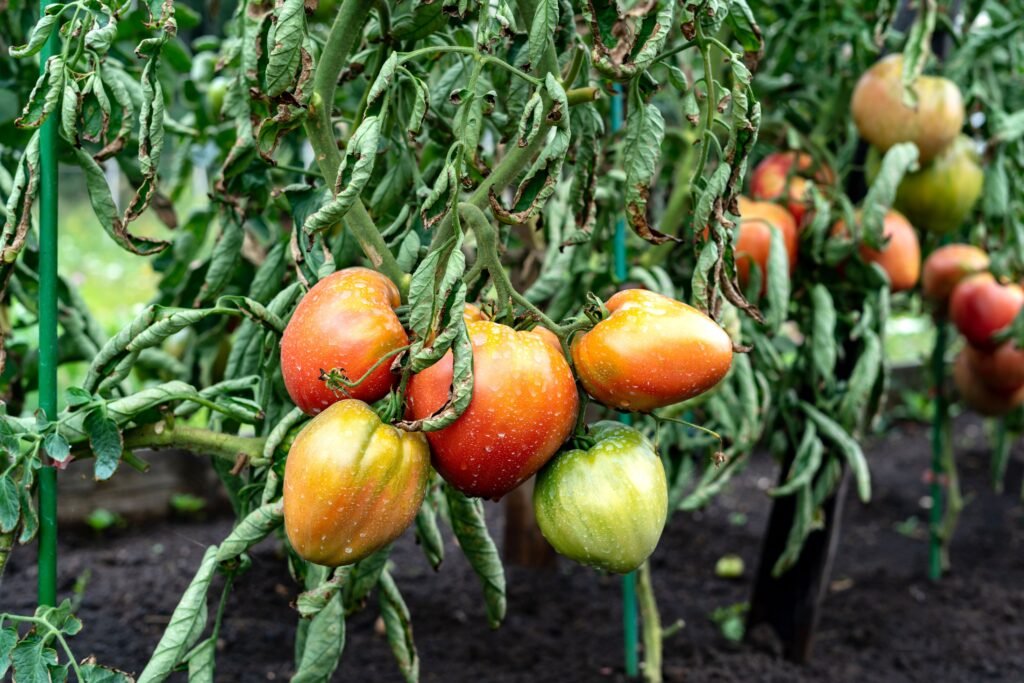
Excessive sunlight during heatwaves can scorch leaves and cause wilting, even in well-watered plants.
Why It Happens:
- Direct sun can increase leaf temperature, overwhelming a plant’s cooling mechanisms.
- Young or newly planted species are particularly sensitive.
How to Fix It:
- Use temporary shade structures, such as garden fabric, umbrellas, or lattice panels.
- Move potted plants to a shaded location during peak sun hours.
- Plant heat-sensitive species near taller plants or trees to provide natural shade.
Tip: Even a few hours of relief from the hottest sunlight can help plants recover and maintain turgor pressure in leaves.
3. Mulch to Retain Soil Moisture
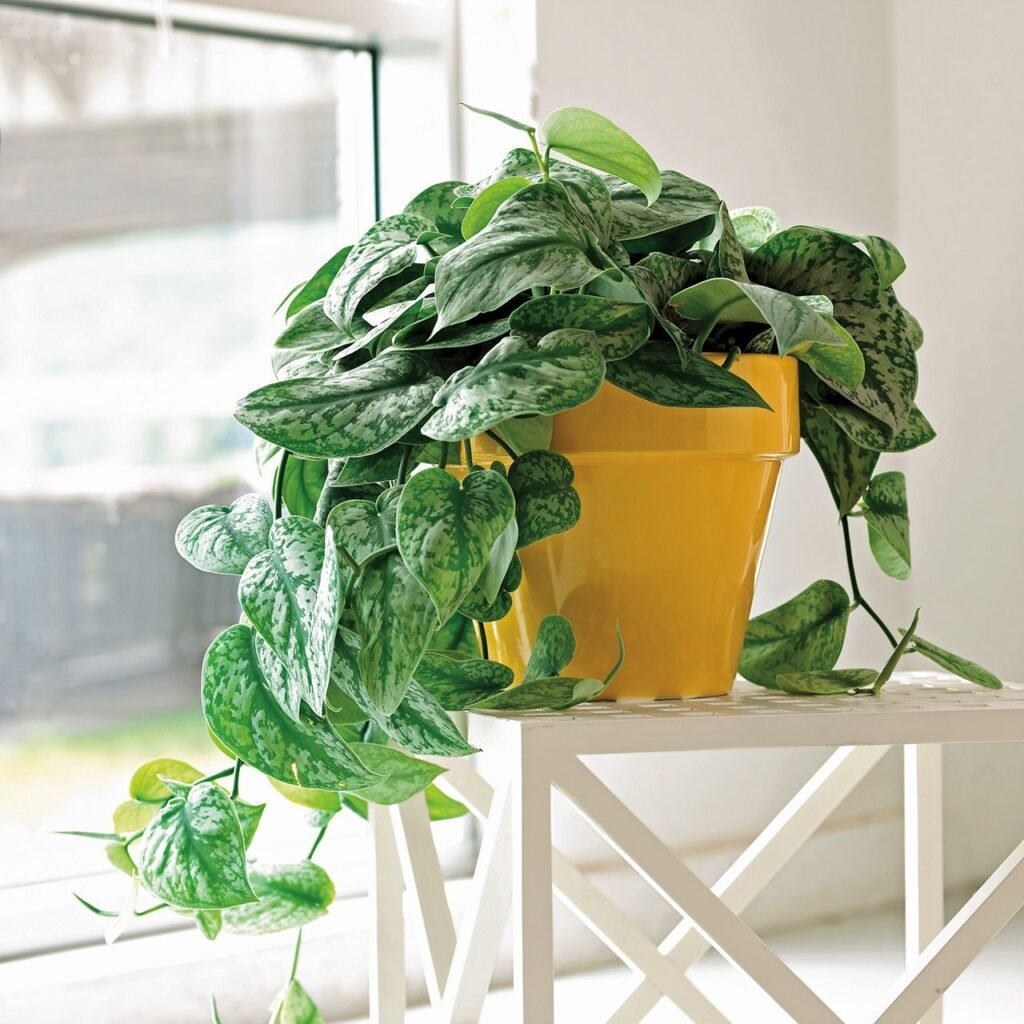
Mulching is a simple but highly effective technique to reduce heat stress and prevent wilting.
Why It Works:
- Mulch reduces soil evaporation, keeping roots cool and moist.
- Helps moderate soil temperature, protecting delicate root systems from overheating.
- Suppresses weeds, which compete for water and nutrients.
How to Apply Mulch:
- Spread a 2–4 inch layer of organic mulch around plants, leaving a small gap around the stem to prevent rot.
- Materials such as straw, shredded bark, or compost are ideal.
- Replenish mulch periodically as it decomposes, especially before and during hot weather.
Tip: Mulching is particularly beneficial for vegetable gardens and potted plants exposed to direct sun.
4. Improve Soil and Root Health
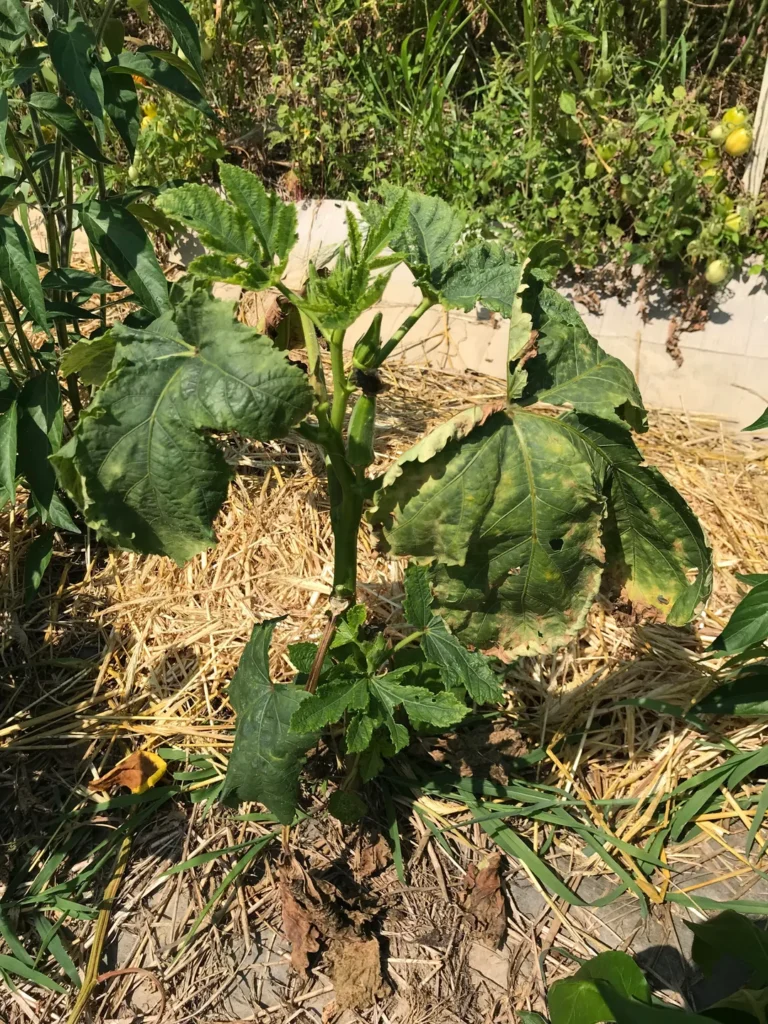
A healthy root system helps plants withstand heat stress more effectively.
Why It Matters:
- Heat damages roots and reduces water uptake efficiency.
- Compacted or poor-quality soil restricts root growth and moisture absorption.
How to Fix It:
- Aerate soil by gently loosening compacted areas around the base of plants.
- Incorporate organic matter, such as compost or aged manure, to improve moisture retention and nutrient availability.
- Avoid disturbing roots during the hottest part of the day.
- For container plants, ensure pots have adequate drainage holes to prevent root rot from overwatering.
Tip: Strong, healthy roots are more resilient to heat and recover faster after wilting.
5. Trim and Remove Damaged Foliage
Wilting leaves or branches can further stress the plant, reducing its ability to focus energy on recovery.
Why It Helps:
- Removing dead or scorched leaves reduces water loss through transpiration.
- Redirects the plant’s energy toward new growth and root recovery.
- Prevents potential fungal infections that thrive on damaged foliage.
How to Do It:
- Use clean, sharp pruning shears to cut away damaged leaves or stems.
- Avoid heavy pruning during heatwaves; focus only on obviously damaged parts.
- For flowering plants, deadhead spent blooms to conserve energy.
Tip: Light pruning can improve air circulation and reduce stress during hot weather.
6. Support Plants With Proper Nutrients and Hydration Boosters
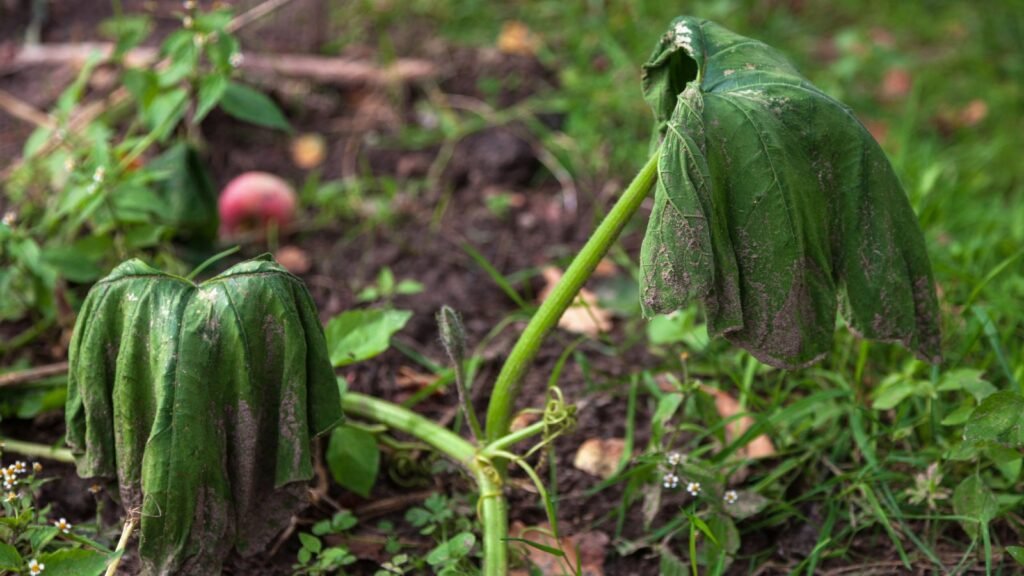
Plants stressed by heat may need additional nutrients to recover fully.
Why It Matters:
- Heat can impair nutrient uptake, leading to deficiencies that worsen wilting.
- A balanced nutrient supply strengthens plant resilience.
How to Fix It:
- Apply a liquid fertilizer or seaweed extract diluted according to package instructions. These solutions provide quick nutrients without stressing the plant.
- Foliar sprays can be used to boost hydration and deliver micronutrients directly to leaves.
- Avoid high-nitrogen fertilizers during heatwaves, as they promote leafy growth at the expense of root strength.
Tip: Combine nutrient supplementation with consistent watering to enhance recovery.
Additional Tips for Preventing Wilting in Hot Weather
- Group Plants Strategically: Cluster plants with similar water needs together to maintain consistent soil moisture.
- Use Self-Watering Containers: These reduce the risk of wilting for potted plants.
- Monitor Weather Forecasts: Anticipate heatwaves and adjust care routines in advance.
- Protect Newly Planted Specimens: Provide temporary shade and extra watering until roots are established.
- Maintain Consistent Care: Regular watering, mulching, and nutrient management reduce overall heat stress.
Tip: Proactive care during hot weather prevents severe wilting and protects plant health.
Conclusion
Wilting plants during hot weather can be alarming, but the problem is usually manageable with timely intervention and proper care. The six main fixes—adjusting watering, providing shade, mulching, improving soil and roots, trimming damaged foliage, and supporting plants with nutrients—can help plants recover quickly and thrive despite high temperatures.
Healthy, well-maintained plants are naturally more resilient to heat stress. By combining these strategies, gardeners can protect their plants, conserve water, and maintain vibrant, lush gardens even during the hottest months of the year.
Tip: Consistency is key—early action during heatwaves prevents wilting from becoming permanent damage and ensures your garden remains a source of beauty and calm throughout summer.