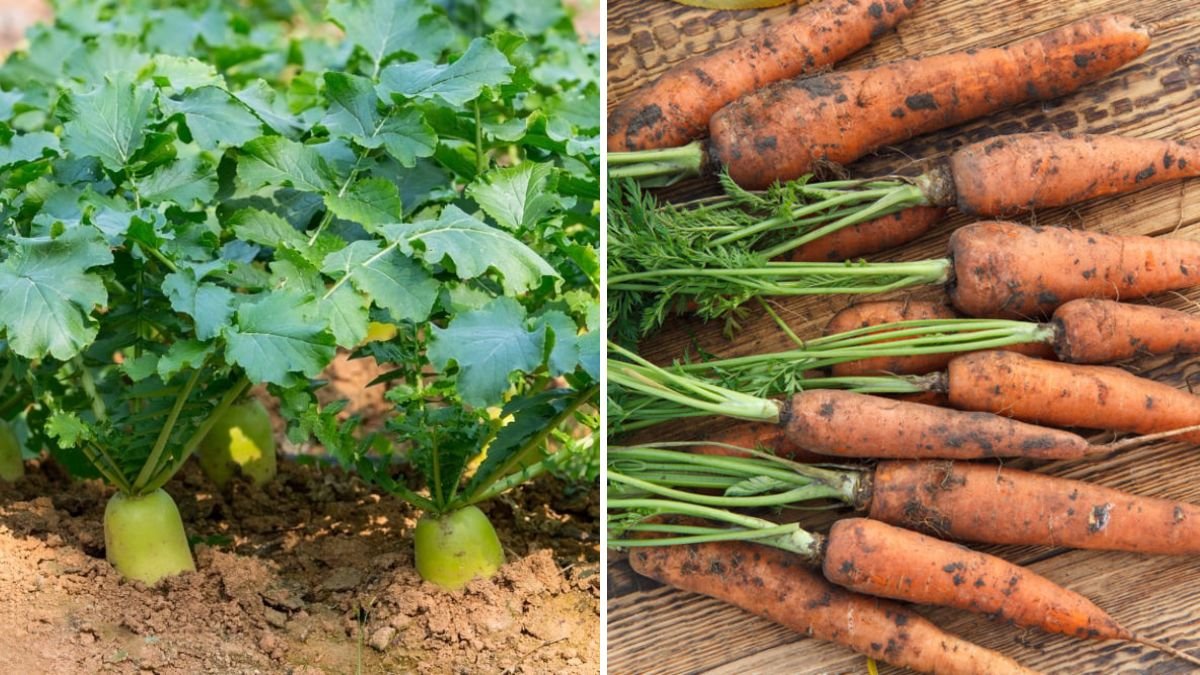
Winter is often considered a challenging season for gardeners. Cold temperatures, shorter days, and frosty conditions make traditional outdoor gardening nearly impossible in many regions. However, growing vegetables indoors during winter allows you to enjoy fresh, nutritious produce year-round. Indoor gardening also provides control over temperature, light, and soil conditions, enabling you to cultivate a thriving winter vegetable garden regardless of outdoor weather.
This guide highlights seven winter vegetables you can successfully grow indoors, with tips on setup, care, and maximizing harvests.
1. Leafy Greens: Spinach, Kale, and Lettuce
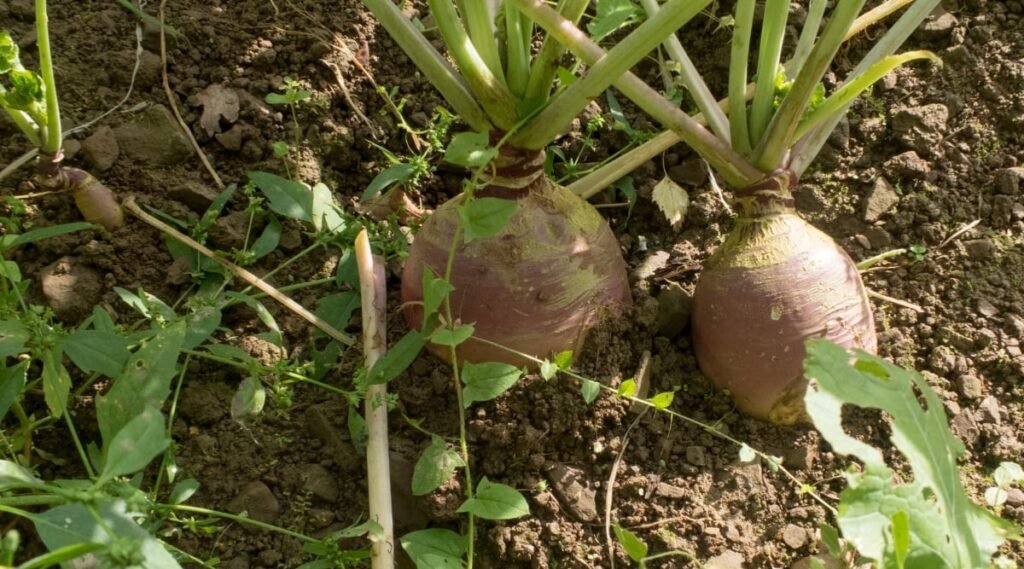
Leafy greens are ideal for indoor winter gardening because they thrive in cooler temperatures and require minimal space.
How to Grow:
- Containers: Use shallow trays or pots at least 6–8 inches deep.
- Soil: Light, well-draining potting mix enriched with compost.
- Light: Provide 12–16 hours of light using a sunny window or grow lights.
- Watering: Keep soil consistently moist, avoiding waterlogging.
- Harvesting: Begin harvesting leaves when they reach 4–6 inches, using a cut-and-come-again method.
Benefits:
- Rapid growth and frequent harvests.
- Nutrient-rich crops for salads, soups, and smoothies.
- Compact size makes them suitable for small indoor spaces.
Tip: Plant a mix of greens to stagger harvests and enjoy continuous fresh produce.
2. Carrots
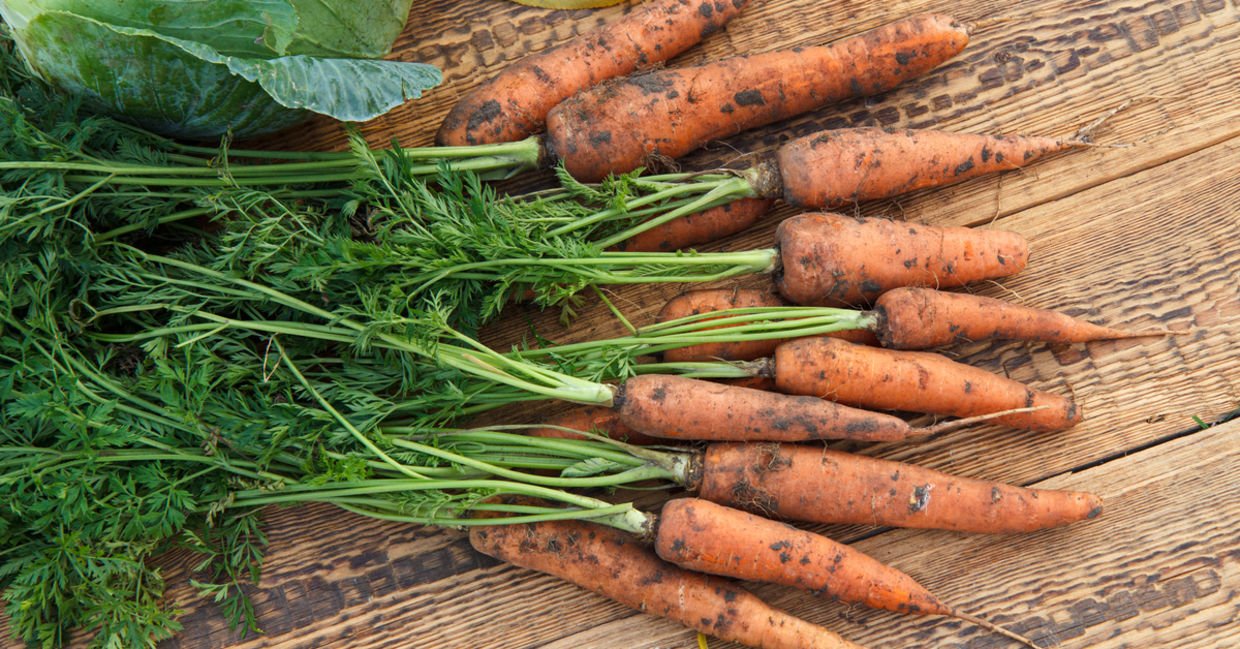
Carrots can be grown indoors if you provide deep containers to accommodate their roots.
How to Grow:
- Containers: At least 12 inches deep to allow roots to grow straight.
- Soil: Loose, sandy, and well-draining potting mix to prevent forked roots.
- Light: Bright, indirect light or 12 hours under grow lights.
- Watering: Keep soil evenly moist, but not soggy.
- Harvesting: Carrots are ready in 8–12 weeks, depending on the variety.
Benefits:
- Sweet, crunchy roots for winter snacking.
- Can grow multiple varieties, from baby carrots to long Nantes types.
- Indoor growth prevents frost damage common outdoors.
Tip: Thin seedlings early to prevent overcrowding and allow roots to develop properly.
3. Radishes
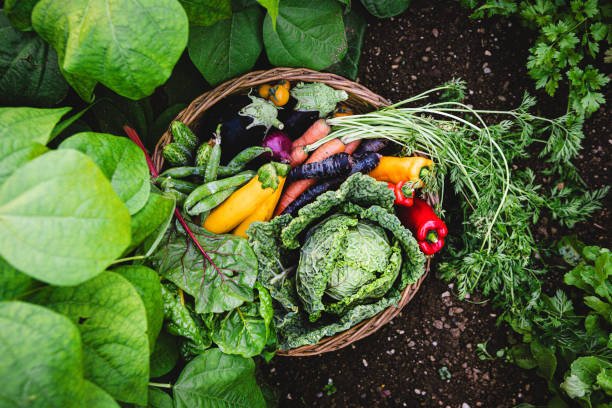
Radishes are fast-growing, making them ideal for indoor winter gardening. They can mature in 3–6 weeks, providing quick, fresh harvests.
How to Grow:
- Containers: Shallow trays or pots, 6–8 inches deep.
- Soil: Loose, well-draining soil rich in organic matter.
- Light: 12 hours of bright light daily.
- Watering: Keep soil evenly moist for uniform root development.
- Harvesting: Pull radishes when roots are firm and sized according to the variety.
Benefits:
- Quick turnaround allows multiple successive plantings.
- Adds spice and crunch to winter salads and garnishes.
- Minimal maintenance required, perfect for beginner gardeners.
Tip: Avoid letting radishes grow too long in the soil, as they may become woody or pithy.
4. Green Onions (Scallions)
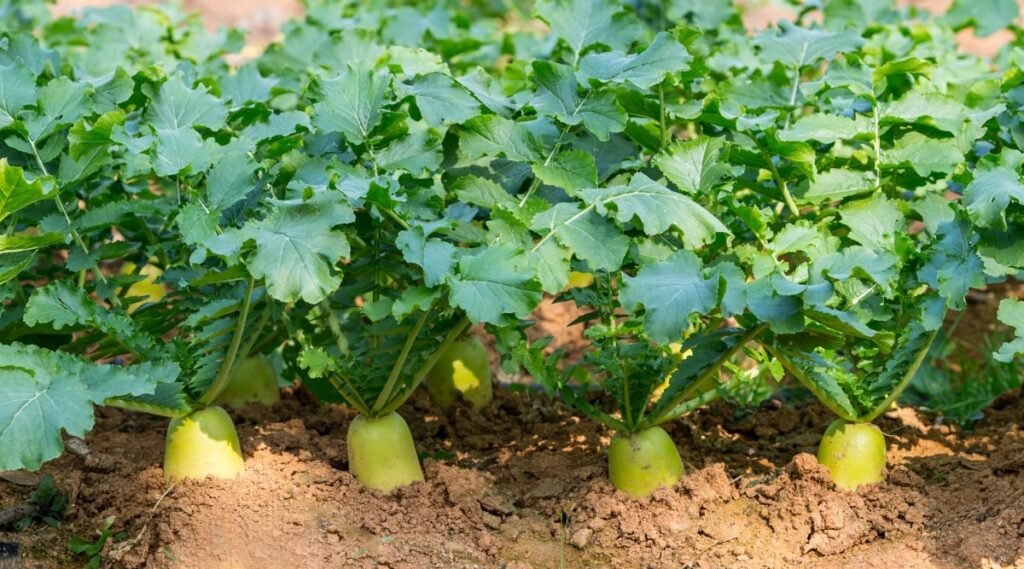
Green onions are extremely adaptable and can thrive in small pots on windowsills.
How to Grow:
- Containers: Small pots or recycled jars, 4–6 inches deep.
- Soil: Loose, well-draining potting mix.
- Light: 12 hours of sunlight or artificial light daily.
- Watering: Keep soil slightly moist, not waterlogged.
- Harvesting: Cut green tops when they reach 6–8 inches, leaving the bulbs to regrow.
Benefits:
- Continuous harvest with proper care.
- Adds flavor to soups, stir-fries, and salads.
- Can regrow from kitchen scraps by placing the root ends in water temporarily.
Tip: Rotate containers to ensure even sunlight exposure and consistent growth.
5. Herbs: Parsley, Cilantro, and Chives
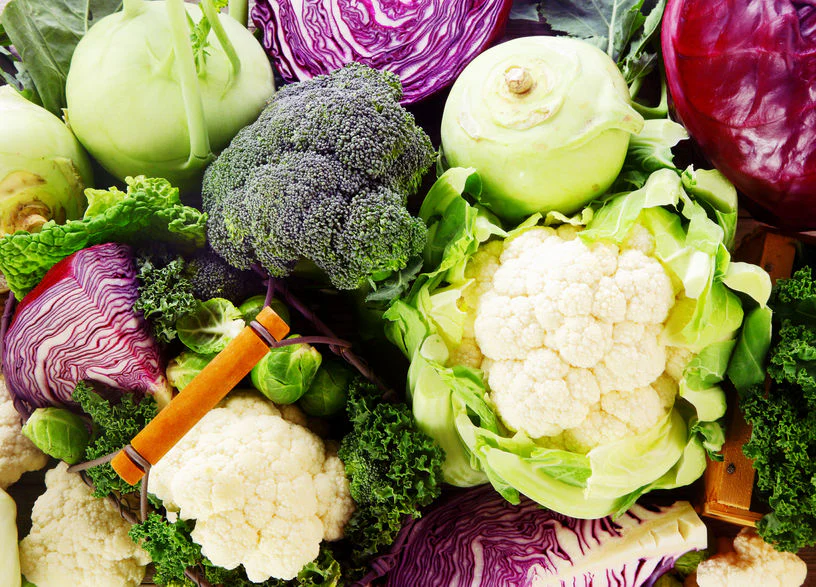
Winter is the perfect time to cultivate fresh herbs indoors, which add flavor and nutrition to meals.
How to Grow:
- Containers: Small pots, 6 inches deep, or window boxes.
- Soil: Light, well-draining potting mix.
- Light: 12–16 hours of sunlight or supplemental grow lights.
- Watering: Keep soil evenly moist, allowing the surface to dry slightly between watering.
- Harvesting: Snip leaves regularly to encourage bushy growth.
Benefits:
- Fresh herbs enhance flavor in winter dishes.
- Compact and suitable for small indoor spaces.
- Continuous regrowth allows year-round harvesting.
Tip: Rotate herbs frequently for uniform growth and avoid letting them flower too early, which can reduce leaf quality.
6. Beets
Beets are versatile, producing both edible roots and nutritious greens. They thrive indoors in deep containers.
How to Grow:
- Containers: At least 12 inches deep for roots.
- Soil: Loose, well-draining soil rich in organic matter.
- Light: 12 hours of bright light daily.
- Watering: Keep soil consistently moist.
- Harvesting: Roots are ready in 8–10 weeks; greens can be harvested earlier.
Benefits:
- Dual-purpose crop: roots for cooking, greens for salads.
- Sweet, tender roots ideal for winter recipes.
- Adaptable to container growth with proper depth and care.
Tip: Thin seedlings early to prevent overcrowding and encourage straight root development.
7. Peas
Peas are well-suited for indoor gardening with proper support structures, even during winter.
How to Grow:
- Containers: Medium-sized pots, 8–10 inches deep.
- Soil: Well-draining, nutrient-rich soil.
- Light: 12 hours of sunlight or artificial grow lights.
- Support: Provide small trellises, stakes, or netting for climbing.
- Watering: Keep soil moist but not soggy.
- Harvesting: Pick pods when they are plump and tender.
Benefits:
- Sweet, fresh pods enhance winter meals.
- Lightweight vines are easy to manage indoors.
- High protein content adds nutritional value to your diet.
Tip: Use dwarf or bush varieties indoors to reduce the need for extensive support.
Tips for Successful Indoor Winter Gardening
- Light is crucial: Place containers near south-facing windows or use full-spectrum grow lights for 12–16 hours daily.
- Temperature control: Most winter vegetables grow well at 60–70°F (15–21°C). Avoid placing plants near cold drafts or heat vents.
- Air circulation: Prevent fungal diseases by ensuring airflow around plants; small fans can help.
- Container size: Choose pots with adequate depth and width for root development.
- Soil quality: Use nutrient-rich, well-draining potting mix and supplement with organic fertilizers if needed.
- Watering consistency: Maintain even moisture, adjusting frequency based on indoor humidity and temperature.
- Regular harvesting: Encourages continuous growth and prevents overcrowding.
Benefits of Growing Winter Vegetables Indoors
- Year-round fresh produce: Enjoy vegetables even during cold, harsh winters.
- Space-efficient gardening: Perfect for apartments, balconies, or small homes.
- Health and nutrition: Access to fresh, organic vegetables enhances diet quality.
- Pest and disease control: Indoor growth reduces exposure to many outdoor pests.
- Sustainable gardening: Reduces dependency on store-bought produce and lowers carbon footprint.
Indoor winter gardening empowers you to stay connected to nature and maintain a steady supply of fresh vegetables even when outdoor gardens are dormant.
Conclusion
Growing vegetables indoors during winter is both practical and rewarding. By cultivating leafy greens, carrots, radishes, green onions, herbs, beets, and peas, gardeners can enjoy fresh, nutritious produce year-round. Proper attention to light, temperature, soil, watering, and container choice ensures healthy growth and abundant harvests.
Indoor winter gardening transforms cold months into a productive and enjoyable season, allowing you to savor the taste of homegrown vegetables, maintain healthy eating habits, and explore the joys of gardening year-round.
Whether you are a beginner or an experienced gardener, incorporating indoor winter vegetables into your home will provide continuous fresh harvests, vibrant flavors, and the satisfaction of self-sufficient gardening, no matter how cold it gets outside.