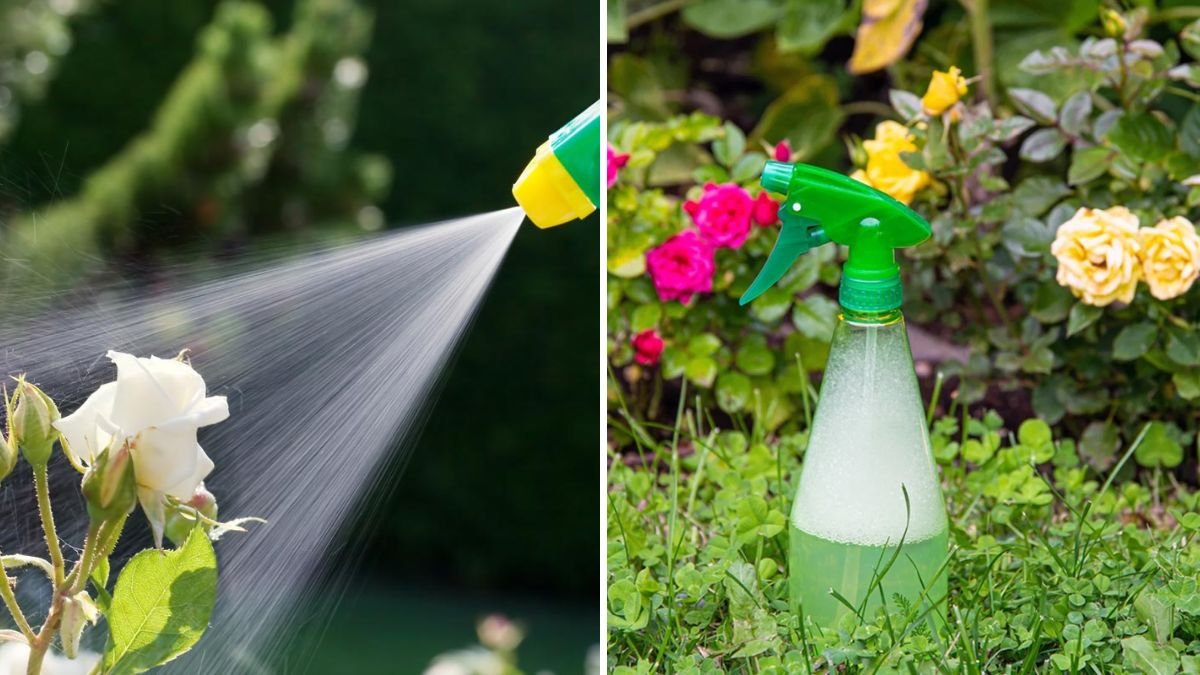
Pest management is one of the most challenging aspects of gardening. Insects, rodents, and fungal infections can damage crops, reduce yields, and affect the overall health of your plants. While chemical pesticides are widely available, they often pose health risks, harm beneficial insects, and contaminate soil and water. A safer, eco-friendly alternative is to create natural pest repellents at home using common household ingredients and garden materials. This article explores eight effective natural pest repellents, providing detailed instructions, benefits, and tips to protect your garden naturally.
Why Use Natural Pest Repellents?
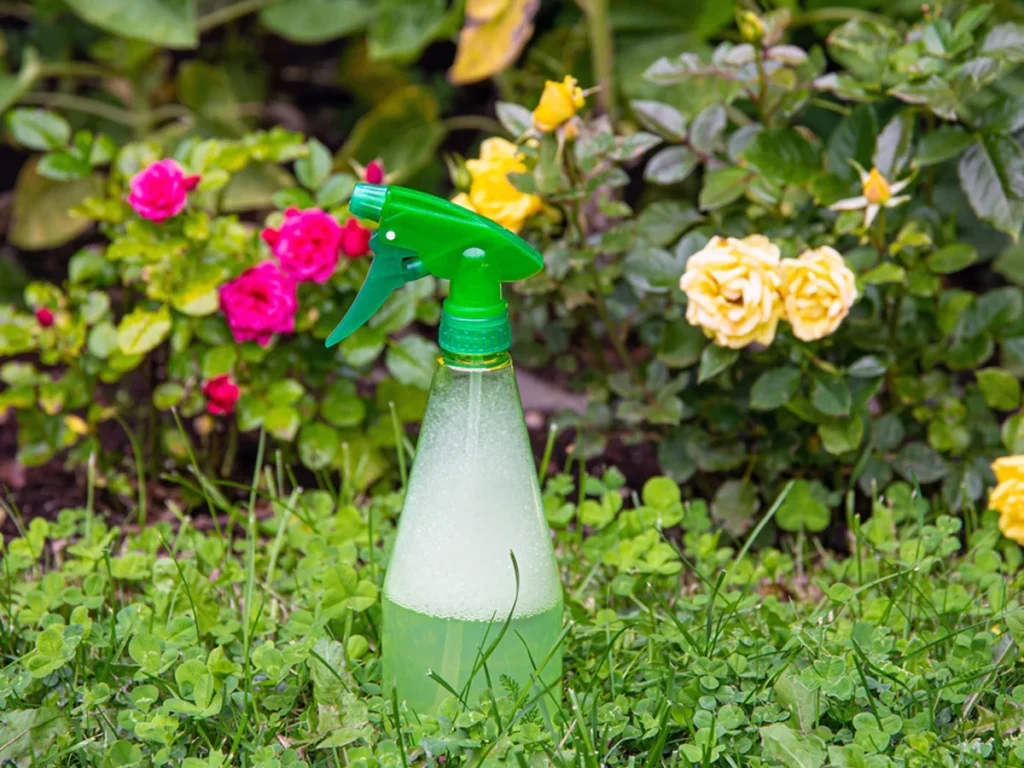
Natural pest repellents offer several advantages over chemical solutions:
- Safe for Humans and Pets: Non-toxic formulas reduce risks associated with chemicals.
- Eco-Friendly: Protect beneficial insects, birds, and soil microorganisms.
- Cost-Effective: Most ingredients are affordable and easily available.
- Customizable: Formulations can be adjusted for specific pests and plant types.
- Sustainable: Encourages self-sufficient gardening practices using household or garden resources.
1. Garlic Spray
Garlic is a potent natural insect repellent due to its sulfur-containing compounds, which deter aphids, beetles, and caterpillars.
How to Make:
- Crush 3–5 garlic cloves.
- Mix with 1 quart (1 liter) of water and let it sit for 24 hours.
- Strain the mixture to remove solids.
- Pour into a spray bottle and apply to the leaves, stems, and soil around plants.
Benefits:
- Repels a wide range of insects.
- Safe for edible and ornamental plants.
- Enhances plant resistance to some fungal infections.
Tips: Reapply every 7–10 days or after heavy rain for continued effectiveness.
2. Neem Oil Solution
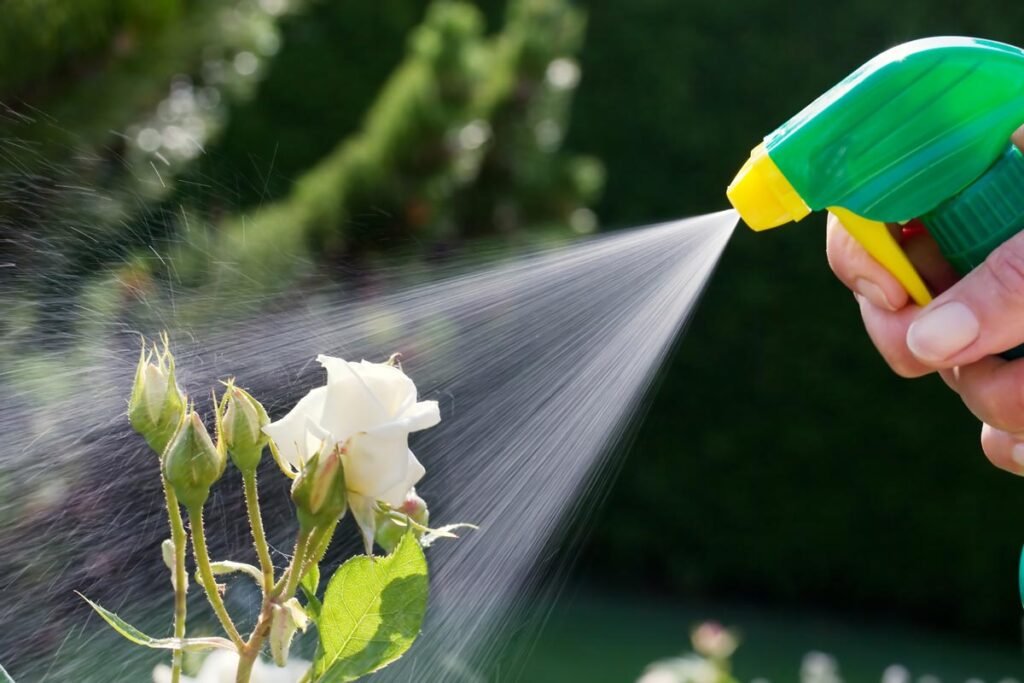
Neem oil, extracted from the seeds of the neem tree, disrupts insect feeding and reproduction, making it effective against aphids, whiteflies, mites, and more.
How to Make:
- Mix 2 teaspoons of neem oil with 1 quart (1 liter) of water.
- Add a few drops of mild liquid soap to emulsify the oil.
- Shake well and spray on all plant surfaces, including undersides of leaves.
Benefits:
- Non-toxic to humans, pets, and beneficial insects.
- Controls both insects and some fungal diseases.
- Can be stored for later use in a sealed container.
Tips: Avoid spraying during the hottest part of the day to prevent leaf burn.
3. Chili Pepper Spray
Capsaicin in chili peppers acts as a strong deterrent to many insects and some mammals like rabbits.
How to Make:
- Blend 2–3 fresh chili peppers with 1 quart (1 liter) of water.
- Let the mixture sit for a few hours and strain.
- Add a few drops of liquid soap to help the solution adhere to leaves.
- Spray directly on plants.
Benefits:
- Deters chewing insects, caterpillars, and some mammals.
- Quick-acting natural solution.
- Safe for organic gardening.
Tips: Wear gloves when handling peppers and avoid contact with eyes or skin. Reapply after rain.
4. Coffee Grounds
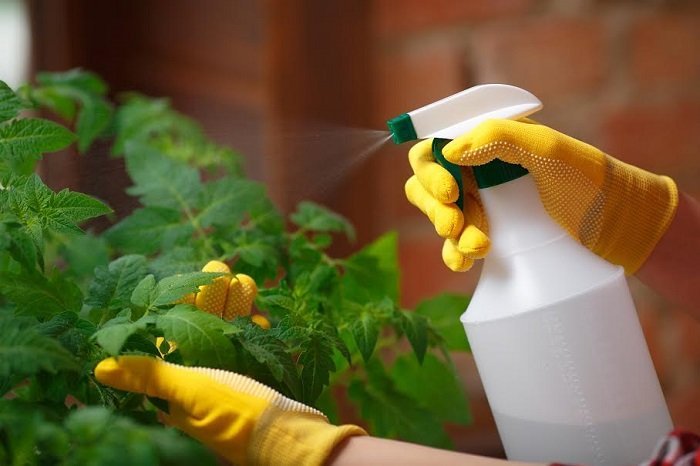
Used coffee grounds repel slugs, snails, and some soil-borne pests while adding organic matter to the soil.
How to Use:
- Sprinkle used coffee grounds around the base of plants.
- Mix lightly into the topsoil to improve soil texture.
- Refresh the layer every few weeks or after heavy watering.
Benefits:
- Acts as a barrier for soft-bodied pests.
- Improves soil structure and provides minor nutrients.
- Cost-effective and eco-friendly.
Tips: Avoid overuse, as too much caffeine can harm beneficial soil microbes.
5. Soap and Water Spray
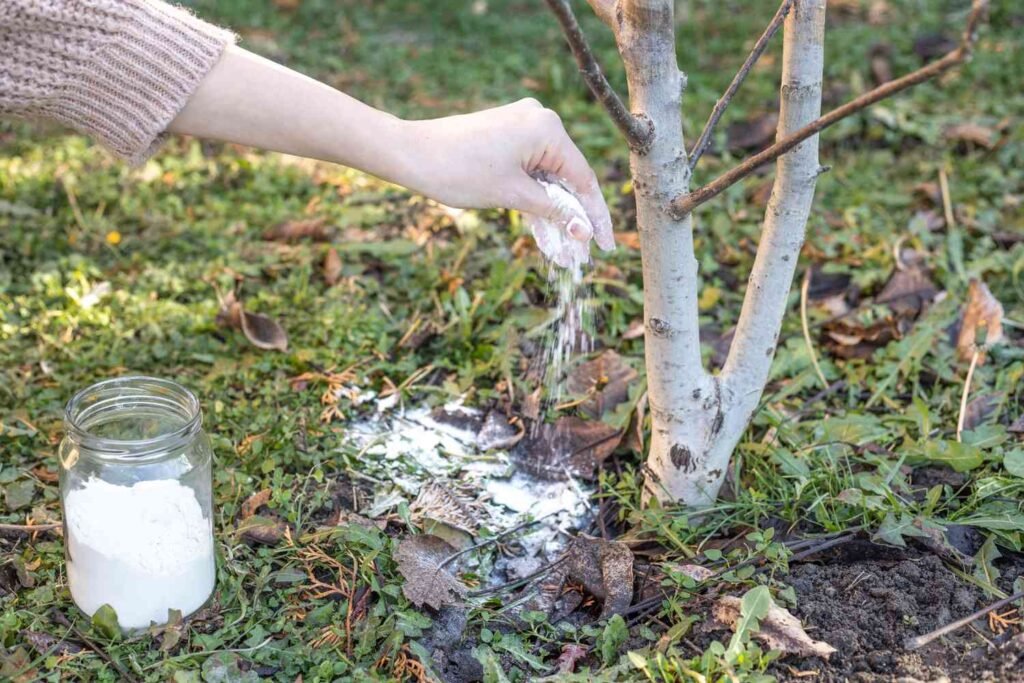
A simple soap solution can suffocate soft-bodied insects like aphids, mealybugs, and spider mites.
How to Make:
- Dissolve 1–2 teaspoons of mild liquid soap in 1 quart (1 liter) of water.
- Pour into a spray bottle and apply directly to affected areas.
- Repeat every 5–7 days or after rain.
Benefits:
- Easy to prepare with household ingredients.
- Non-toxic and biodegradable.
- Effective on a variety of soft-bodied pests.
Tips: Test a small leaf first to ensure the soap does not damage plants.
6. Eggshell Barriers
Crushed eggshells act as a physical barrier, deterring slugs, snails, and soft-bodied insects.
How to Use:
- Rinse and crush eggshells into jagged pieces.
- Spread around the base of susceptible plants.
- Replenish after heavy rainfall or when shells decompose.
Benefits:
- Non-toxic and completely natural.
- Improves soil calcium content as shells break down.
- Creates a simple, passive defense against pests.
Tips: Combine with mulch for better moisture retention and enhanced protection.
7. Herb and Flower Companions
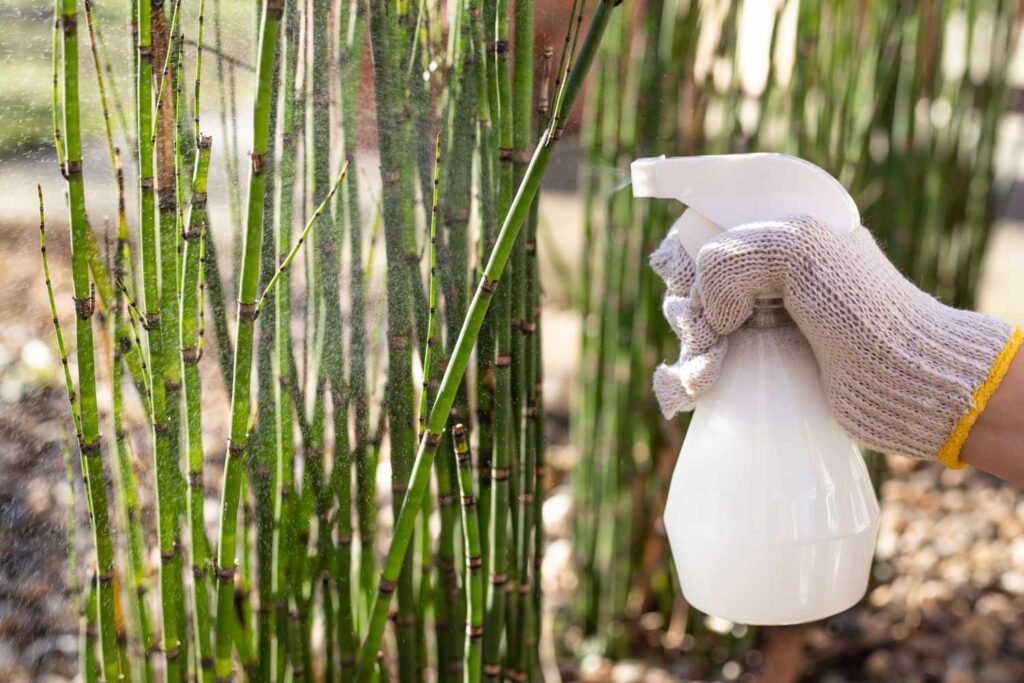
Certain herbs and flowers naturally repel insects and can be grown alongside crops for protection.
Examples:
- Marigolds: Repel nematodes, whiteflies, and aphids.
- Basil: Deters mosquitoes and flies.
- Mint: Repels ants and aphids.
- Rosemary and Sage: Discourage cabbage moths and beetles.
How to Use: Plant these companions around your main crops or in border rows. Crush leaves and release aroma periodically for additional effect.
Benefits:
- Enhances biodiversity and pollinator attraction.
- Reduces the need for chemical pest control.
- Adds aesthetic value to the garden.
Tips: Avoid invasive herbs like mint from spreading uncontrollably by using containers.
8. Vinegar Spray
Vinegar can repel some insects and fungal pathogens, though it must be used carefully to avoid plant damage.
How to Make:
- Mix 1 tablespoon of white vinegar with 1 quart (1 liter) of water.
- Add a few drops of mild soap for better adhesion.
- Spray lightly on plants, focusing on areas prone to pests.
Benefits:
- Affordable and easily accessible.
- Can deter ants, aphids, and some fungal pathogens.
- Non-toxic in diluted form.
Tips: Use sparingly and avoid spraying directly on plant leaves in strong sunlight to prevent burn.
Best Practices for Using Natural Pest Repellents
- Apply Regularly: Natural repellents are not as long-lasting as chemicals; reapply after rain or every 7–10 days.
- Target Specific Pests: Identify pests before treatment to choose the most effective repellent.
- Avoid Overuse: Excessive application can harm beneficial insects or alter soil chemistry.
- Combine Methods: Rotate and combine repellents for more effective pest management.
- Monitor Plants: Regular inspection ensures early detection and control of pest outbreaks.
Advantages of Home-Made Pest Repellents
- Safe for Food Crops: Suitable for vegetables, herbs, and fruit-bearing plants.
- Low Cost: Uses ingredients commonly found in the kitchen or garden.
- Environmentally Friendly: Reduces chemical runoff and protects soil and water quality.
- Encourages Sustainable Gardening: Promotes self-reliance and creative problem-solving.
- Preserves Beneficial Insects: Unlike harsh pesticides, these solutions protect pollinators and predators.
Conclusion
Natural pest repellents offer a sustainable, cost-effective, and safe approach to protecting your garden. By making garlic spray, neem oil solutions, chili pepper sprays, coffee barriers, soap sprays, eggshell barriers, companion planting, and vinegar sprays, gardeners can effectively control pests while nurturing healthy soil and promoting biodiversity. These eight methods demonstrate that with a little creativity and effort, it is possible to maintain a productive, chemical-free garden. Incorporating natural repellents into your gardening routine ensures bigger, healthier harvests, eco-friendly practices, and a safer environment for humans, pets, and wildlife alike.