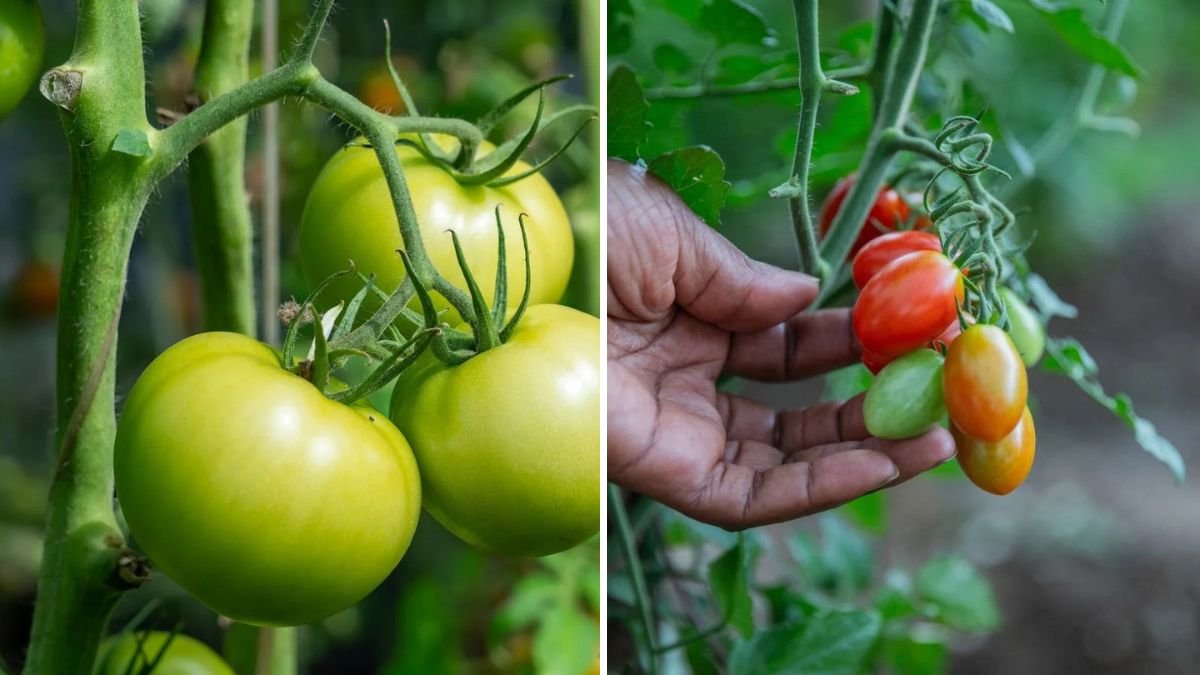
Green tomatoes on the vine are a common sight in late summer and early fall. Sometimes, frost or changing weather prevents them from fully ripening outdoors, leaving gardeners with an abundance of firm, unripe tomatoes. Instead of letting them go to waste, you can easily ripen green tomatoes indoors. With a few practical tricks and proper care, you can transform your green tomatoes into luscious, red fruits ready to eat. This guide details five effective methods to ripen green tomatoes quickly indoors while maintaining their flavor and texture.
Why Green Tomatoes Don’t Ripen Outdoors
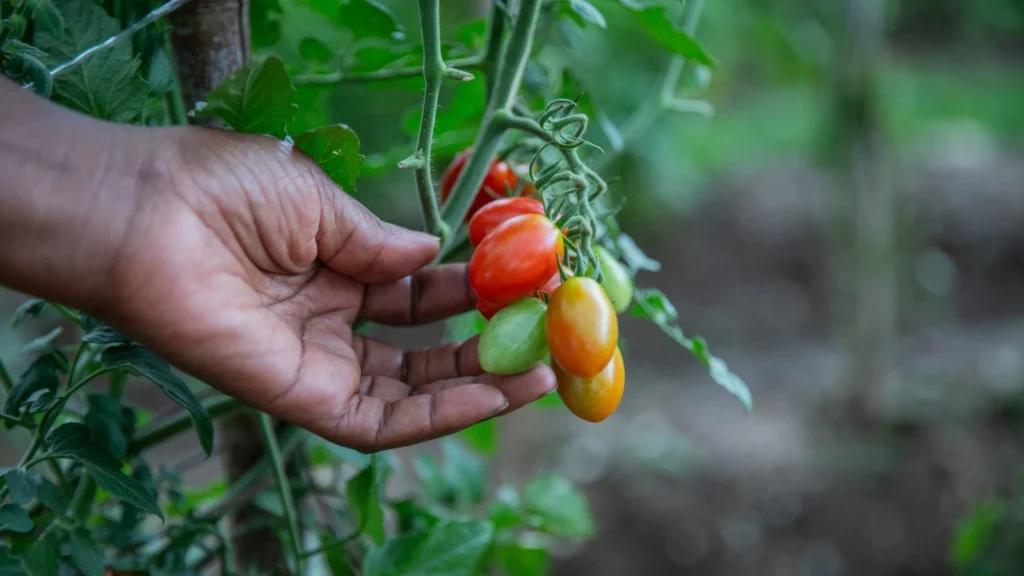
Before diving into the tricks, it’s important to understand why tomatoes sometimes fail to ripen on the plant.
- Temperature fluctuations: Tomatoes ripen best at temperatures between 65–75°F (18–24°C). Cooler temperatures slow down the ripening process, and frost can halt it completely.
- Short growing season: In regions with early fall frosts, tomatoes may not have enough time to mature fully outdoors.
- Insufficient sunlight: Lack of adequate sunlight prevents the plant from producing enough natural ethylene, the plant hormone responsible for ripening.
- Variety: Some tomato varieties naturally take longer to ripen.
By understanding these factors, gardeners can create the optimal indoor conditions to encourage green tomatoes to turn red quickly.
1. Use the Paper Bag Method
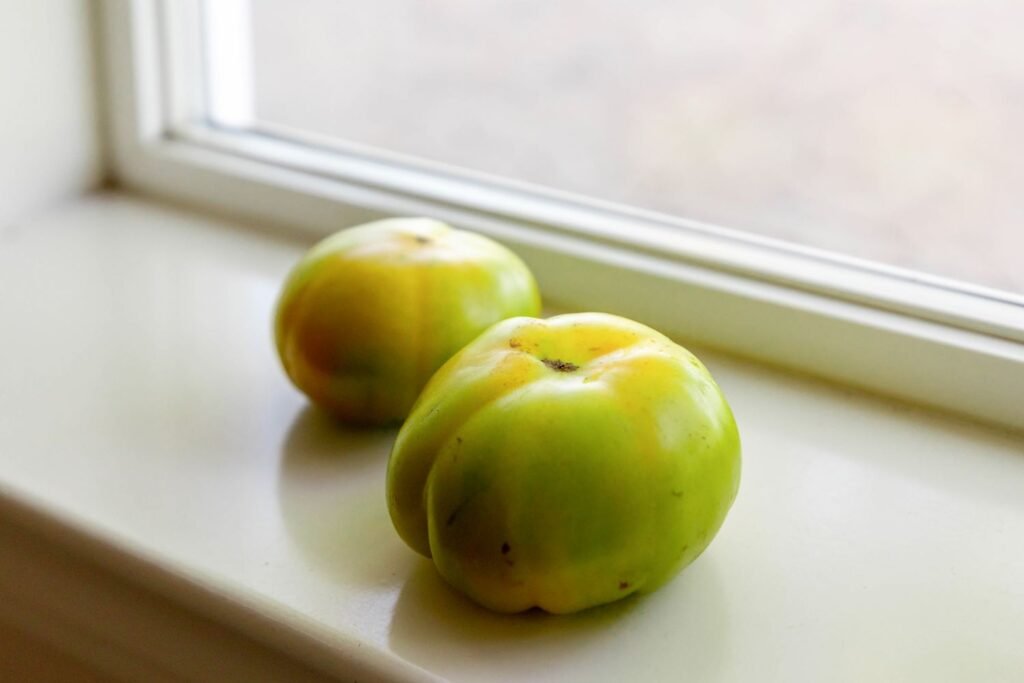
One of the simplest and most effective ways to ripen green tomatoes indoors is the paper bag method.
How it works:
Tomatoes release ethylene gas, a natural plant hormone that triggers ripening. Placing tomatoes in a closed environment, like a paper bag, concentrates the ethylene around the fruit, speeding up ripening.
Steps:
- Select firm, unblemished green tomatoes. Avoid any that are already rotting.
- Place one or two tomatoes in a paper bag.
- Optionally, add a ripe banana or apple to the bag. These fruits release additional ethylene, which accelerates the ripening process.
- Close the bag loosely and store it in a cool, dark place.
- Check daily for ripeness, removing any tomatoes that show signs of rot.
Timeframe: Tomatoes typically ripen in 3–7 days using this method, depending on their maturity stage.
2. Place Tomatoes in a Warm Indoor Spot
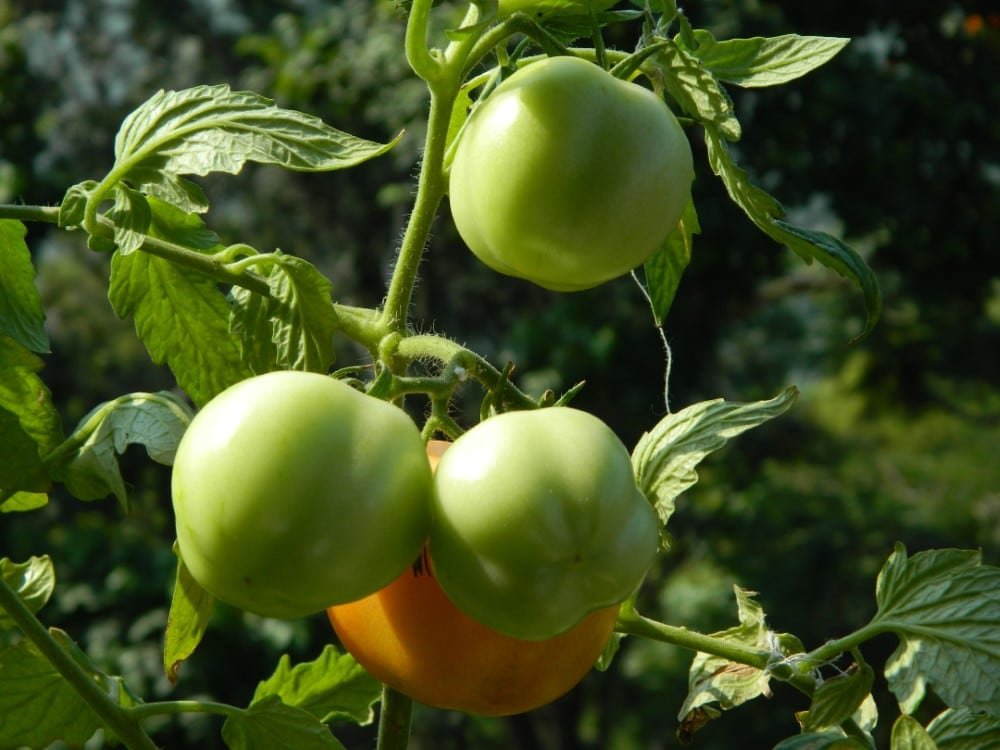
Temperature plays a crucial role in the ripening process. Tomatoes need warmth, but not extreme heat.
Optimal conditions:
- Keep green tomatoes at 65–75°F (18–24°C) for the fastest ripening.
- Avoid direct sunlight, which can overheat and damage the fruit.
- Choose a kitchen counter, windowsill away from direct sunlight, or a warm shelf.
Tips:
- Rotate the tomatoes daily to ensure even ripening.
- Grouping tomatoes together slightly can help maintain humidity and warmth, enhancing ethylene action.
Warm indoor conditions mimic the environment tomatoes naturally need to mature, reducing the time required to achieve full ripeness.
3. Use Ethylene-Producing Fruits to Accelerate Ripening
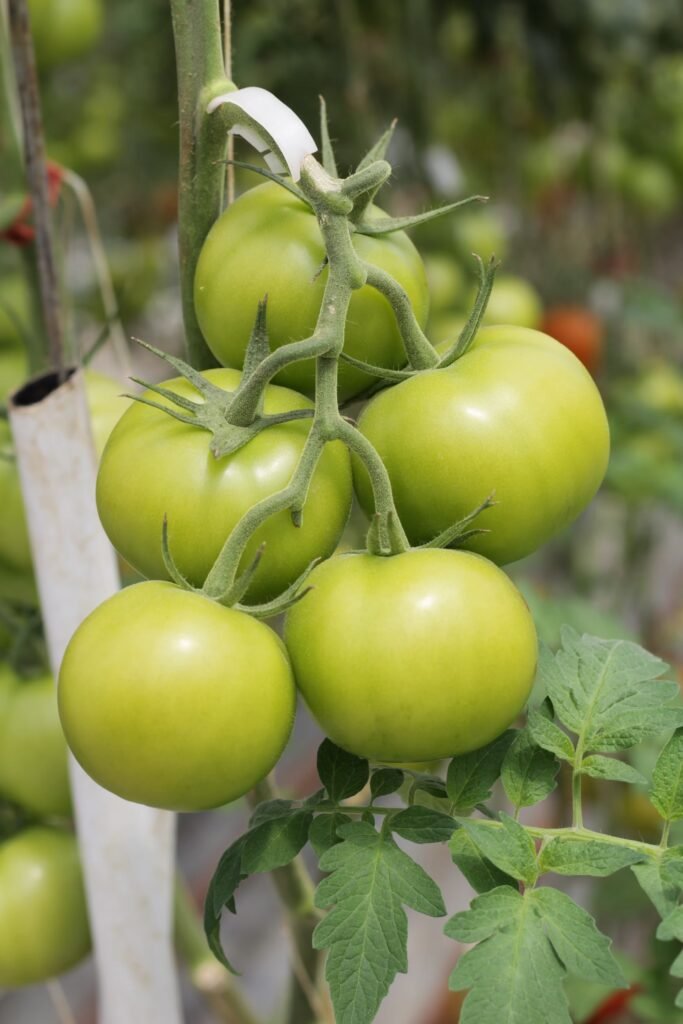
Ethylene is a naturally occurring plant hormone that signals fruits to ripen. You can leverage this hormone by combining green tomatoes with ethylene-producing fruits like bananas, apples, or avocados.
Steps to use ethylene for ripening:
- Place your green tomatoes in a cardboard box, paper bag, or even a bowl.
- Add a ripe banana or apple to the container.
- Cover loosely to trap ethylene gas but allow air circulation to prevent mold.
- Check daily for ripeness and remove any overripe or damaged tomatoes.
Tip: Using this method, green tomatoes can ripen 25–50% faster than leaving them alone, depending on their starting maturity.
4. Hang Tomatoes Upside Down
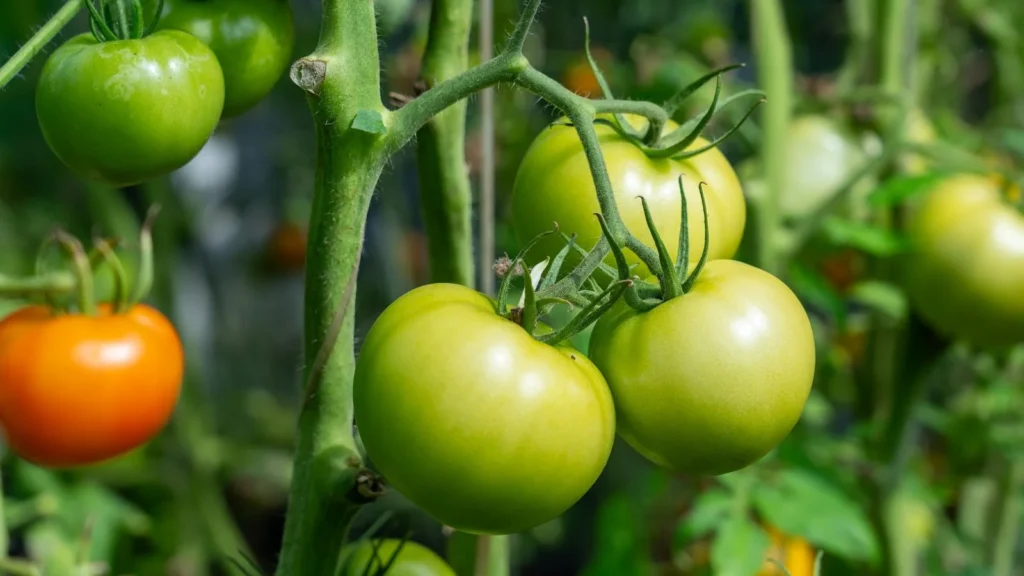
For larger green tomatoes or those harvested with stems attached, hanging them upside down is a creative and effective method.
Why it works:
Hanging tomatoes allows air to circulate around the fruit, reducing the risk of rot and encouraging even ripening. Gravity also helps maintain their shape, which is especially useful for larger varieties.
Steps:
- Thread a string or twine through the tomato stem.
- Hang the tomatoes in a warm, dark, and ventilated area.
- Ensure the tomatoes are spaced apart to prevent contact and bruising.
- Inspect them every few days, removing any that show signs of spoilage.
Benefits: This method minimizes bruising, keeps tomatoes firm, and works particularly well for heirloom or large varieties that might otherwise soften too quickly on a flat surface.
5. Speed Up Ripening with a Tomato Ripening Box
For serious gardeners with a larger harvest, a tomato ripening box is an excellent indoor solution.
How to create a ripening box:
- Use a cardboard box, wooden crate, or shallow basket.
- Layer green tomatoes and a few ripe tomatoes or ethylene-producing fruits.
- Cover the box loosely with newspaper or a cloth to maintain warmth and trap ethylene.
- Store the box in a warm, ventilated location away from direct sunlight.
Advantages:
- Allows you to ripen multiple tomatoes at once.
- Easy to monitor and rotate tomatoes for even ripening.
- Reduces waste by keeping tomatoes in a controlled environment.
Optional trick: Add a small plate of warm water in the box to slightly increase humidity, which can prevent shriveling of the fruit skin.
Additional Tips for Success
- Harvest at the right stage: Tomatoes that are too immature may never ripen fully indoors. Look for tomatoes that have started to show a slight color change or blush.
- Avoid refrigeration: Cold slows down the ripening process and can negatively affect the flavor and texture. Only refrigerate fully ripe tomatoes if needed.
- Inspect for damage: Remove bruised or damaged tomatoes promptly to prevent mold from spreading.
- Rotate and separate: For uniform ripening, turn the tomatoes regularly and avoid stacking them too closely.
Benefits of Ripening Green Tomatoes Indoors
- Maximizes your harvest: Extends the life of tomatoes even after frost.
- Enhances flavor: Properly ripened indoor tomatoes retain sweetness and acidity.
- Reduces waste: Prevents green tomatoes from being discarded due to early frost or poor weather.
- Convenience: Allows gardeners to enjoy fresh, vine-ripened tomatoes at any time.
- Experimentation: Indoor ripening methods let gardeners try different tricks and monitor results closely.
Conclusion
Ripening green tomatoes indoors is a practical solution for gardeners facing early frosts, limited growing seasons, or urban environments. By leveraging natural ethylene, optimal temperatures, and proper techniques, you can transform firm, green tomatoes into ripe, flavorful fruits in a matter of days.
Whether you use the paper bag method, warm indoor placement, ethylene-producing fruits, upside-down hanging, or a tomato ripening box, each technique offers unique benefits depending on your space, number of tomatoes, and desired speed of ripening. By combining these strategies and monitoring your tomatoes carefully, you can ensure a bountiful harvest that continues well into the cooler months.
Indoor ripening not only prevents waste but also allows you to enjoy fresh, delicious tomatoes long after outdoor conditions have changed, bringing the satisfaction of gardening success right into your kitchen.