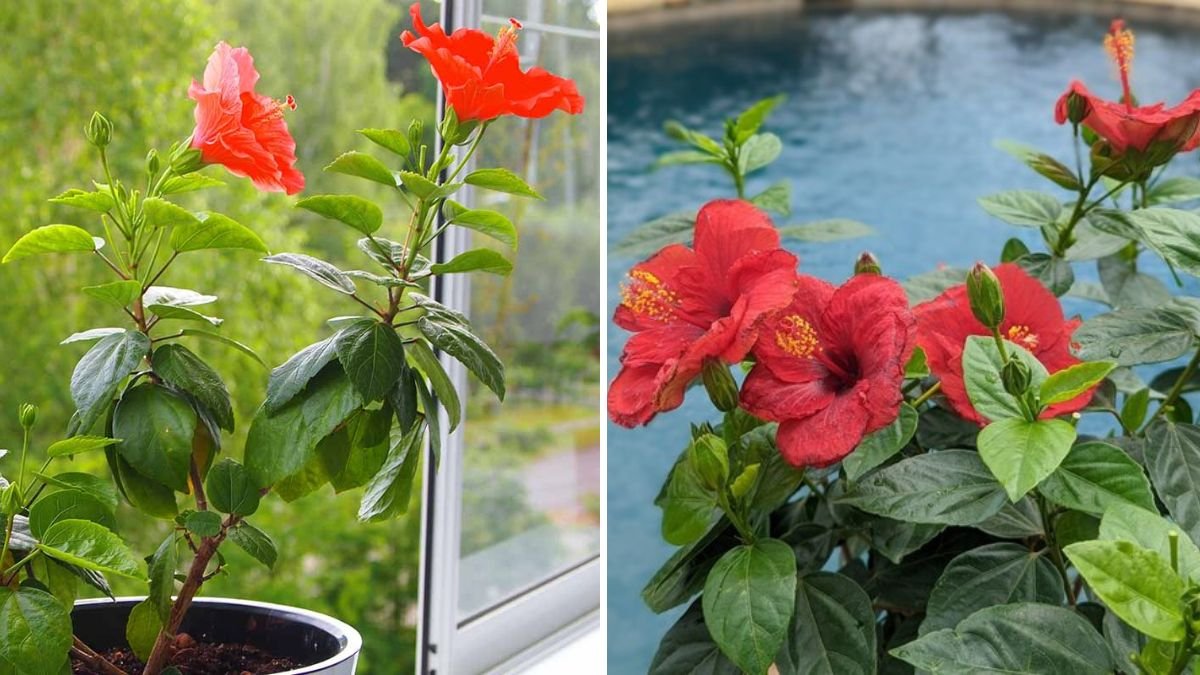
Hibiscus plants are celebrated for their tropical beauty, large colorful blooms, and lush foliage, making them a favorite in many gardens. However, most hibiscus varieties are sensitive to cold temperatures and cannot survive harsh winters outdoors in temperate regions. Overwintering potted hibiscus plants indoors is an essential technique to ensure that your plants survive the colder months and bloom vigorously again in spring.
In this article, we’ll explore step-by-step strategies, expert tips, and key considerations for successfully overwintering potted hibiscus indoors.
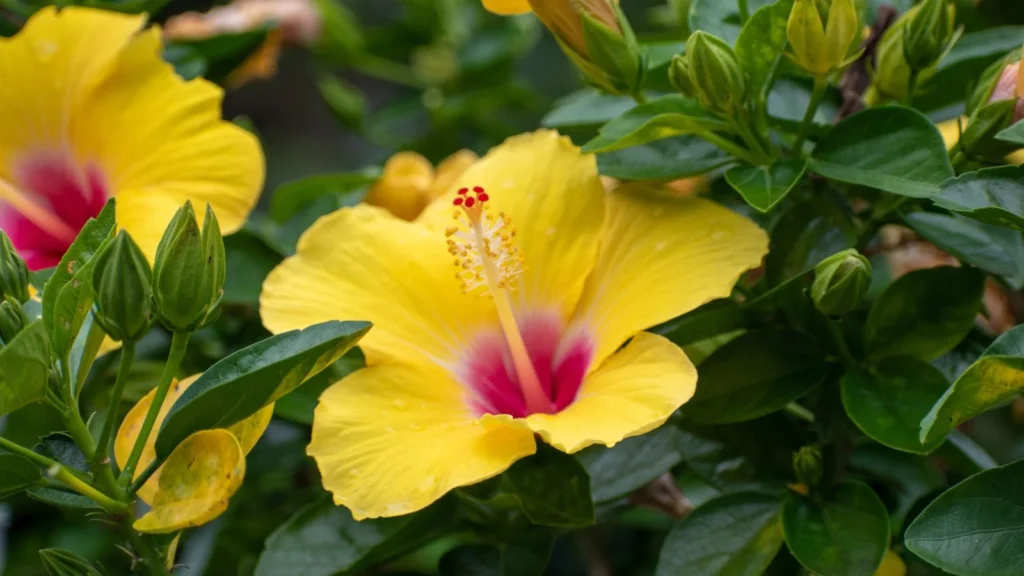
Understanding Hibiscus Dormancy
Hibiscus plants are tropical or subtropical perennials that respond to shorter days and cooler temperatures by entering a semi-dormant state. During dormancy:
- Growth slows down significantly
- Flowering ceases
- Leaves may drop naturally
Understanding this dormancy period is critical. Overwintering care focuses on reducing stress, preventing disease, and maintaining enough light and warmth to keep the plant healthy until spring.
1. Timing the Move Indoors
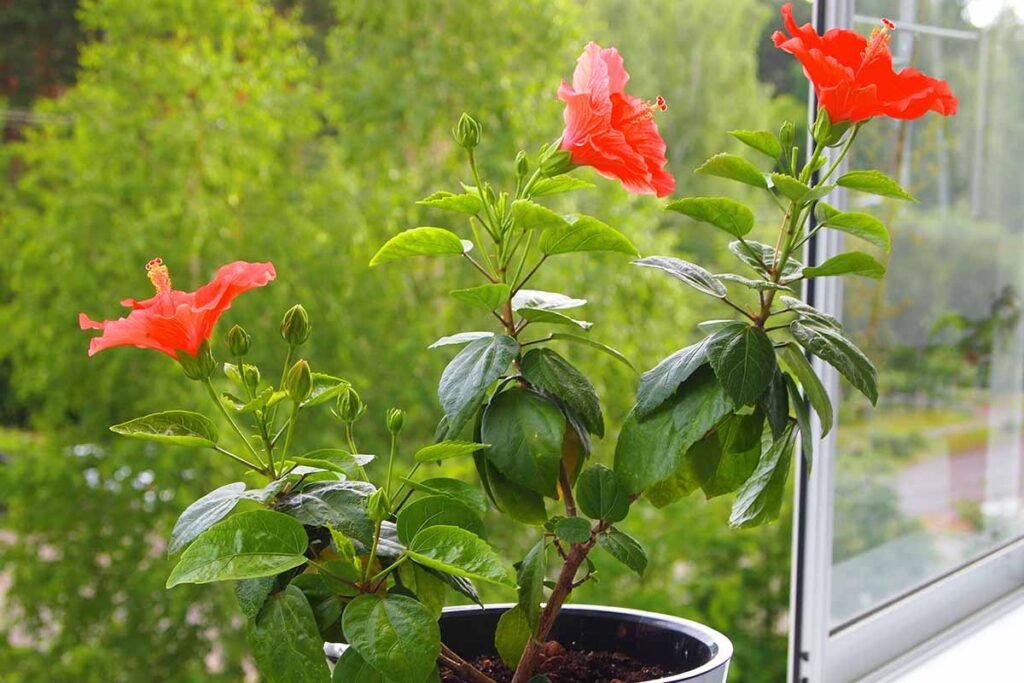
The first step in overwintering hibiscus is knowing when to bring them inside:
- Before the first frost: Hibiscus cannot tolerate temperatures below 50°F (10°C).
- Signs of readiness: Leaves may start to yellow slightly, and the plant slows its growth.
- Gradual transition: If possible, acclimate the plant by moving it into a sheltered area for a few days before bringing it indoors.
Tip: Waiting until after the first frost can shock the plant and cause leaf drop or dieback.
2. Preparing the Plant for Indoor Life
Before moving your hibiscus indoors, it’s important to prune and inspect the plant:
- Pruning: Cut back long, leggy stems by about one-third to reduce stress and encourage bushier growth next season.
- Remove dead or diseased foliage: This prevents pests and diseases from surviving the winter indoors.
- Repot if necessary: If roots are crowded or the soil is depleted, repot in fresh, well-draining potting mix to support overwintering.
Tip: Avoid heavy pruning that removes too much foliage, as the plant needs some leaves to photosynthesize and maintain energy.
3. Choosing the Right Location Indoors
The location of your hibiscus indoors greatly affects its survival:
- Light: Place the plant in a bright, sunny window or under supplemental grow lights for 10–12 hours a day. Hibiscus require light to maintain minimal growth and prevent leaf drop.
- Temperature: Keep daytime temperatures between 65–75°F (18–24°C) and nighttime temperatures around 55–60°F (13–16°C).
- Avoid drafts: Keep the plant away from heating vents, cold drafts, and frequently opened doors.
Tip: If indoor light is limited, consider rotating the plant occasionally and supplementing with LED grow lights to prevent legginess.
4. Watering During Dormancy
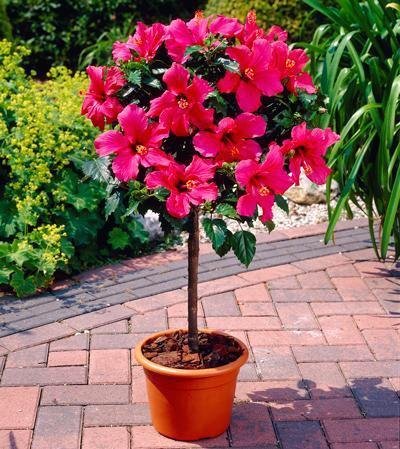
Watering needs decrease during the winter months because hibiscus growth slows and evaporation decreases:
- Check the soil weekly; water only when the top inch of soil feels dry.
- Avoid overwatering, as this can lead to root rot in low-light, cool conditions.
- Use room-temperature water to avoid shocking the roots.
Tip: Reduce watering gradually as the plant enters dormancy. Hibiscus are more susceptible to disease if kept constantly wet in cooler indoor temperatures.
5. Fertilizing in Winter
During dormancy, hibiscus do not require frequent fertilization.
- Stop feeding or drastically reduce fertilizer application in late fall.
- Resume fertilizing in early spring when new growth appears.
- If leaves remain on the plant and minor growth continues, a weak, balanced fertilizer once a month can support minimal growth.
Tip: Over-fertilizing during dormancy can stress the plant and lead to leaf drop or salt buildup in the soil.
6. Maintaining Humidity
Indoor air, especially with heating systems, can be dry in winter, which stresses hibiscus plants:
- Maintain humidity around 50–60% to prevent leaf drop.
- Methods to increase humidity:
- Place a shallow tray of water near the plant.
- Group plants together to create a microclimate.
- Use a humidifier in particularly dry rooms.
Tip: Avoid misting leaves excessively, as water on foliage can promote fungal issues in cooler conditions.
7. Controlling Pests and Diseases
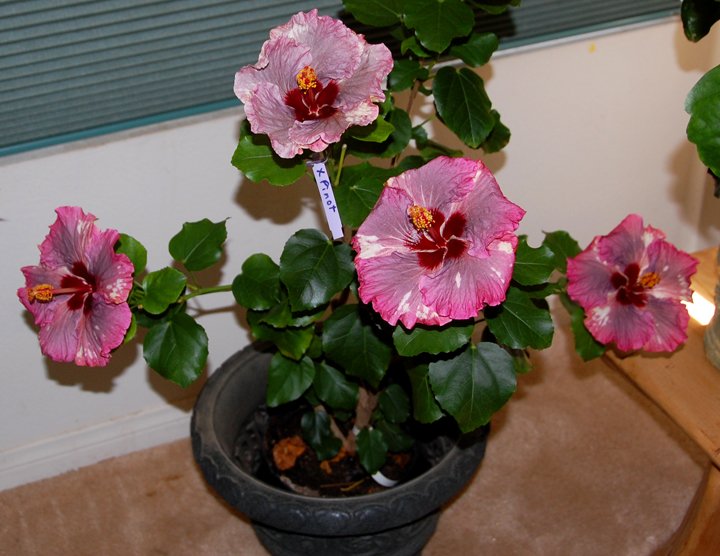
Pests often move indoors with plants in late fall, and indoor conditions can exacerbate infestations:
- Common indoor hibiscus pests include spider mites, aphids, and whiteflies.
- Inspect plants regularly and remove pests with gentle sprays of water or natural insecticidal soaps.
- Remove fallen leaves and debris to prevent fungal growth.
Tip: Early detection and intervention are key to keeping hibiscus healthy through the winter.
8. Pruning and Training During Winter
While heavy pruning should be done before moving the plant indoors, light maintenance during the winter helps:
- Remove any dead or yellowing leaves to prevent disease.
- Pinch back leggy stems if minimal growth occurs, encouraging a bushier shape for spring.
- Avoid forcing blooms, as the plant needs to conserve energy for the main growing season.
Tip: Think of winter pruning as maintenance rather than growth promotion.
9. Acclimating Back Outdoors in Spring
Once temperatures rise and the risk of frost has passed, it’s time to move hibiscus back outdoors:
- Gradually acclimate by placing the plant in a shaded or semi-sunny spot for a few days.
- Increase sunlight exposure over a week or two to prevent leaf scorch.
- Resume regular watering and fertilizing to encourage vigorous growth and summer blooms.
Tip: Returning hibiscus abruptly to full sun can cause stress and leaf burn. Gradual acclimation is essential.
10. Additional Expert Tips
- Label your plants: If you have multiple hibiscus varieties, labeling ensures you know bloom colors and growth habits.
- Monitor soil pH: Hibiscus prefer slightly acidic soil (pH 6.0–6.5); adjust if necessary before winter.
- Use decorative containers: Indoor pots with drainage holes allow for proper care while enhancing home aesthetics.
- Rotate periodically: Turning the plant ensures all sides receive light, preventing uneven growth.
Conclusion
Overwintering potted hibiscus indoors requires timely preparation, proper light, careful watering, and pest management. By following these steps, gardeners can ensure their tropical beauties survive the colder months, conserve energy during dormancy, and return vibrant and blooming in spring.
With patience and attentive care, your hibiscus plants can maintain health, structure, and energy, ready to reward you with lush foliage and stunning flowers once outdoor temperatures rise. Overwintering not only protects your investment but also guarantees a head start for a spectacular summer garden display.