Gardening is both an art and a science. While planting flowers in harmony can create vibrant, thriving landscapes, placing incompatible species together can lead to stunted growth, pest problems, and reduced blooms. Certain plants compete for nutrients, water, or sunlight, or even release chemicals that inhibit neighboring plants. To achieve a flourishing garden, it’s crucial to understand plant relationships and follow expert horticultural advice.
In this article, we’ll explore seven flower combinations that should never be planted together, the reasons behind these conflicts, and tips for creating healthy, balanced garden designs.
1. Roses and Tomatoes
Roses and tomatoes may both be garden favorites, but horticulturists advise keeping them apart.
Why They Clash:
- Both belong to the Solanaceae family and are susceptible to similar fungal diseases, such as black spot and powdery mildew.
- Tomatoes can attract aphids and whiteflies, which also attack roses.
- Crowding these plants reduces airflow, increasing disease risk.
Expert Tips:
- Plant roses in full sun with good spacing to allow airflow.
- Keep tomatoes in a separate bed or container to prevent cross-infection.
- Use companion plants like marigolds near tomatoes to naturally deter pests.
2. Lavender and Peppermint
Lavender is known for its drought tolerance and fragrant flowers, while peppermint spreads aggressively. Planting them together can create problems for both species.
Why They Clash:
- Peppermint grows rapidly and can overshadow lavender, limiting light and nutrients.
- Lavender prefers dry, well-draining soil, while peppermint thrives in moist conditions.
- Root competition can weaken lavender, causing sparse blooms.
Expert Tips:
- Plant peppermint in containers to control its spread.
- Provide lavender with sandy, well-drained soil away from aggressive perennials.
3. Sunflowers and Potatoes
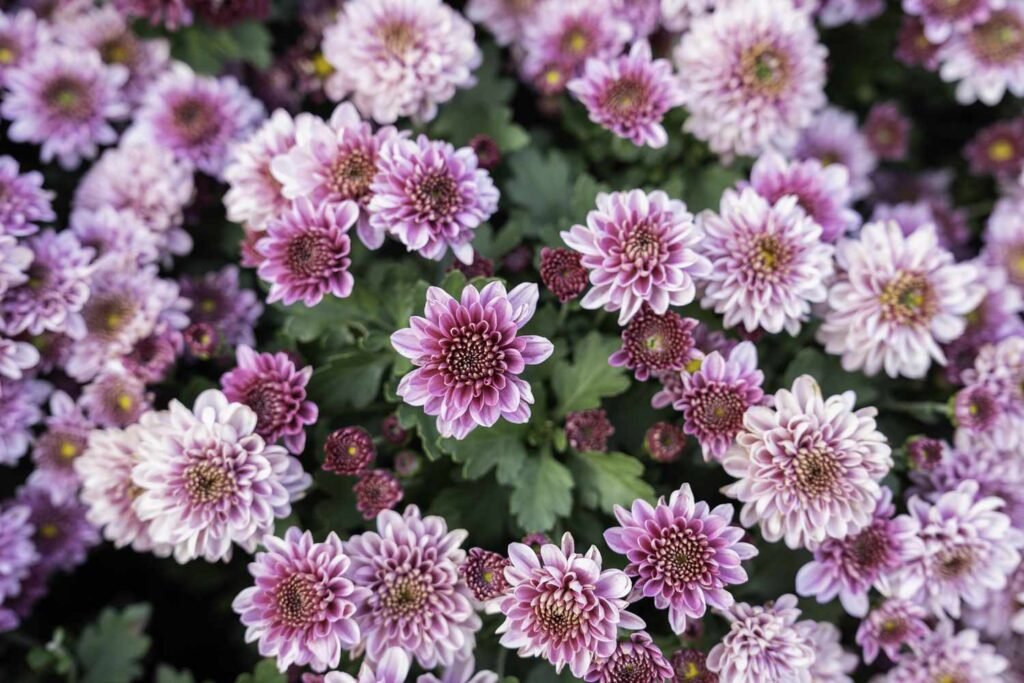
Sunflowers are striking and tall, but their placement near potatoes can be problematic.
Why They Clash:
- Sunflowers are heavy feeders and compete for nutrients, especially nitrogen, which potatoes need for strong tuber development.
- Dense sunflower foliage can shade potato plants, reducing photosynthesis.
- Both are susceptible to certain pests like aphids, which may spread more easily.
Expert Tips:
- Maintain at least a 3–4-foot distance between sunflowers and potato beds.
- Rotate crops annually to prevent soil nutrient depletion.
4. Marigolds and Fennel
Marigolds are praised for pest control, but planting them near fennel is discouraged.
Why They Clash:
- Fennel releases allelopathic chemicals that inhibit the growth of many nearby plants, including marigolds.
- Marigolds may fail to thrive due to reduced nutrient uptake.
Expert Tips:
- Plant fennel at the edge of the garden in isolated areas.
- Reserve beds for marigolds to maximize their pest-repelling benefits.
5. Hydrangeas and Oak Trees
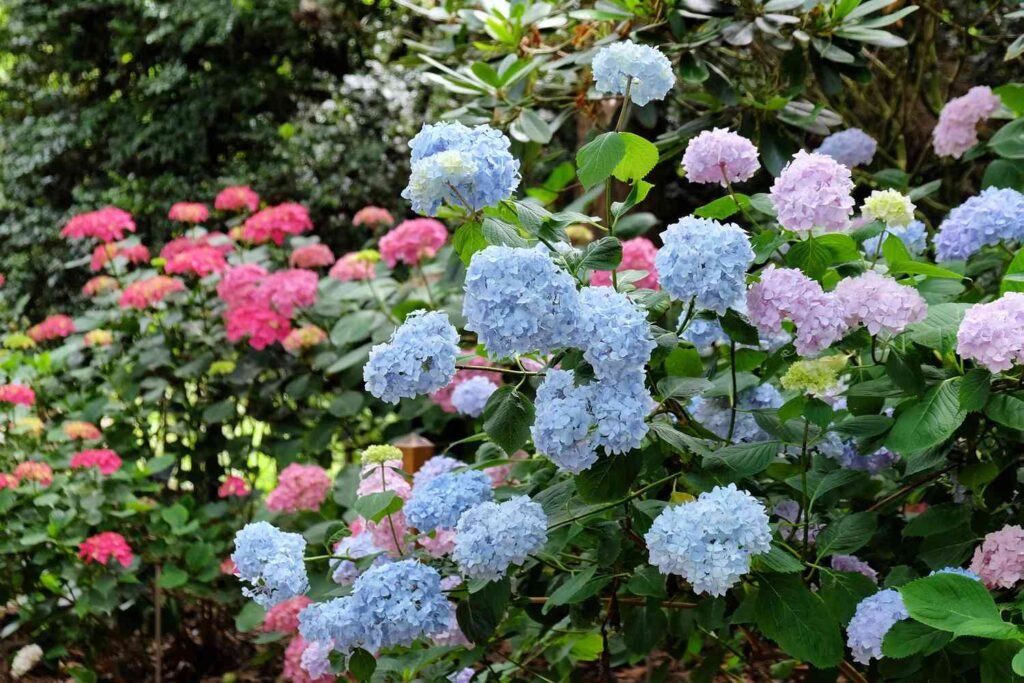
Hydrangeas are shade-tolerant, moisture-loving flowers, while oak trees can create challenging growing conditions for them.
Why They Clash:
- Oak roots compete heavily for water and nutrients.
- The dense canopy of oak trees limits sunlight, preventing hydrangeas from flowering abundantly.
- Oak leaves drop tannins, which acidify the soil and may hinder hydrangea growth.
Expert Tips:
- Plant hydrangeas in areas with morning sun and afternoon shade, away from large tree roots.
- Use raised beds or containers if growing near oak trees to reduce competition.
6. Daffodils and Irises
Daffodils and irises are popular spring-blooming bulbs, but planting them together can reduce overall flowering success.
Why They Clash:
- Daffodils emerge early and require light, while irises emerge later and can become shaded by surrounding foliage.
- Both have different soil moisture needs: daffodils prefer well-draining soil, while some iris varieties tolerate heavier soils.
- Bulb crowding can lead to disease spread and poor bloom production.
Expert Tips:
- Stagger planting locations or beds based on bloom time and sunlight requirements.
- Space bulbs adequately to reduce competition for nutrients and water.
7. Peonies and Tomatoes
Peonies are long-lived perennials that produce stunning blooms, while tomatoes are nutrient-demanding annuals. Planting them together can be detrimental to both.
Why They Clash:
- Tomatoes are heavy feeders and can deplete nutrients needed for peony growth.
- Crowding peonies with tomatoes can limit airflow, increasing the risk of fungal diseases.
- Peonies require undisturbed soil for decades, while tomatoes need yearly cultivation.
Expert Tips:
- Allocate permanent garden space for peonies.
- Plant tomatoes in separate, nutrient-rich beds for optimal productivity.
Additional Guidelines for Healthy Flower Gardens
To create a thriving garden and avoid planting conflicts:
- Know Plant Families: Avoid planting species from the same family together if they share pests or diseases.
- Consider Soil and Moisture Needs: Group plants with similar water and soil requirements to reduce competition.
- Account for Sunlight: Ensure taller plants do not shade smaller, light-loving flowers.
- Provide Adequate Spacing: Proper spacing improves airflow and reduces disease risk.
- Rotate Annuals: Moving annuals each year prevents soil depletion and minimizes pest buildup.
- Use Containers for Aggressive Growers: Plants like mint or peppermint can be confined to pots to prevent them from overtaking the garden.
- Monitor Plant Health: Early detection of nutrient deficiencies, pests, or diseases can prevent larger conflicts in mixed planting beds.
Benefits of Proper Plant Placement
- Enhanced Growth: Plants thrive when they receive optimal nutrients, light, and water without competition.
- Reduced Pest Problems: Correct pairings can naturally deter pests and reduce the need for chemical interventions.
- Long-Term Garden Health: Strategic planning ensures soil quality and plant longevity.
- Improved Aesthetics: Thoughtful arrangements create visually harmonious gardens that bloom consistently.
Conclusion
Planting flowers together is not just about color and design—it’s about understanding their growth habits, soil requirements, and interactions. Roses and tomatoes, lavender and peppermint, sunflowers and potatoes, marigolds and fennel, hydrangeas and oak trees, daffodils and irises, and peonies and tomatoes are combinations that horticulturists consistently advise against due to competition, shading, nutrient conflicts, and pest susceptibility.
By following these expert guidelines, gardeners can maximize bloom potential, maintain plant health, and reduce pest and disease issues. Proper plant placement ensures that your garden remains lush, vibrant, and low-maintenance, season after season.