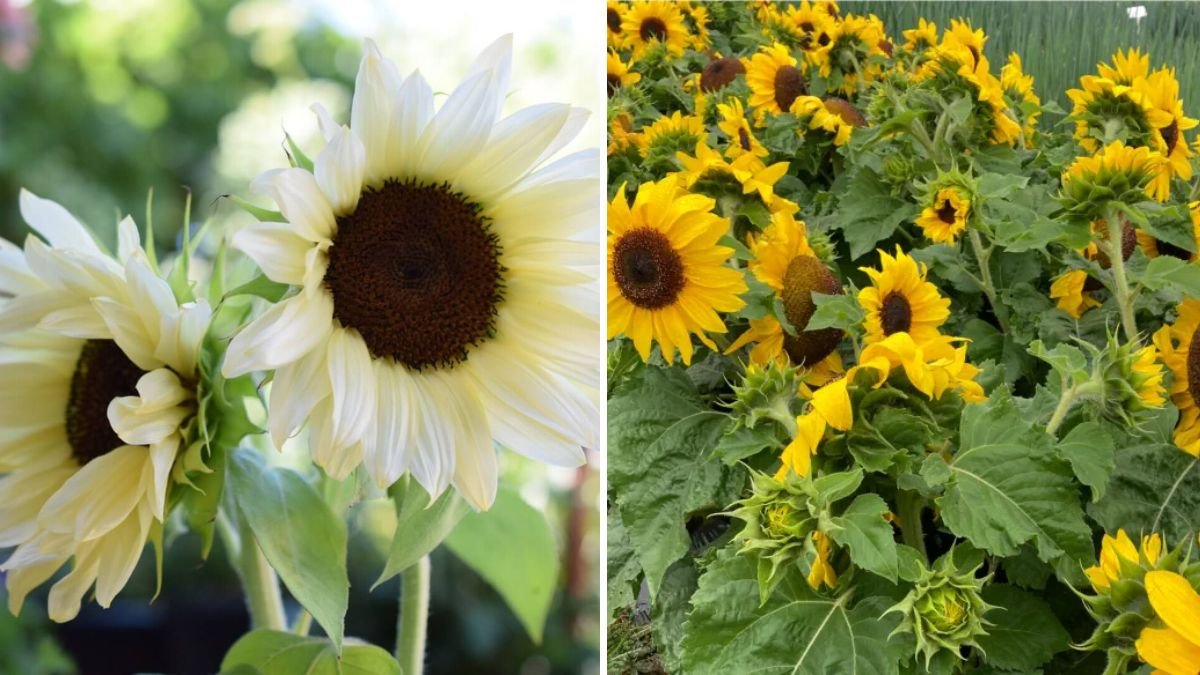
Sunflowers (Helianthus annuus) are one of the most iconic and cheerful garden flowers. Their bright yellow petals and tall, sunny faces bring instant charm to any outdoor space. While traditionally grown in the ground, sunflowers can thrive in containers, making them an excellent choice for balconies, patios, small gardens, or even indoor sunrooms. Growing sunflowers in pots allows gardeners to control soil quality, sunlight exposure, and spacing, ensuring healthy plants and abundant blooms.
In this article, we’ll explore step-by-step guidance, expert tips, and container gardening strategies for growing sunflowers that thrive and bring joy to your garden.
Understanding Sunflowers
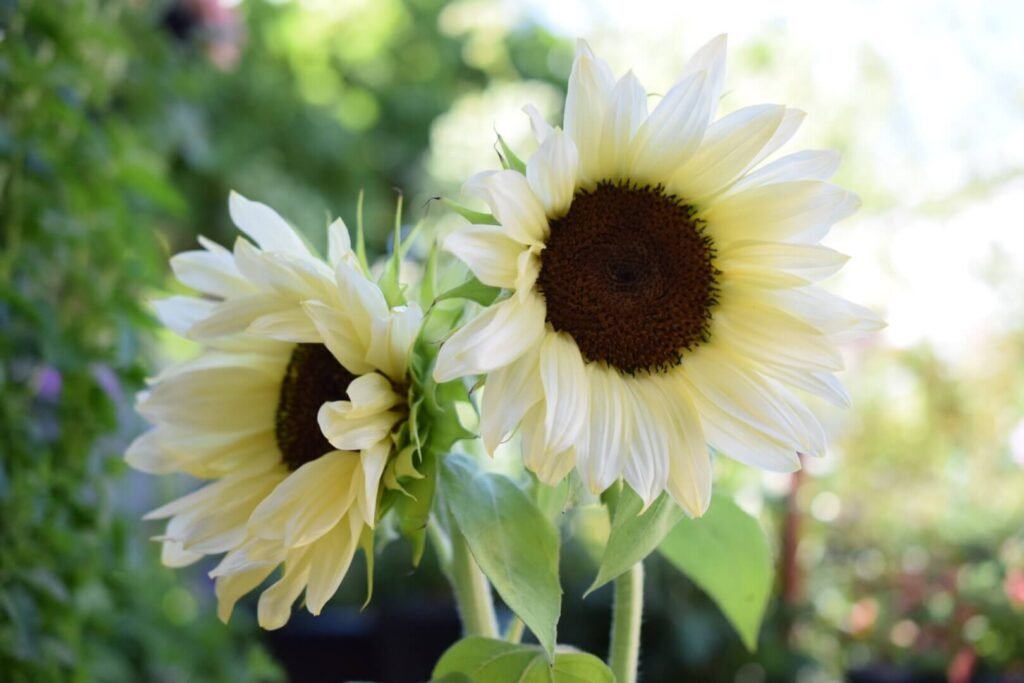
Sunflowers are annual plants that grow quickly, produce large, vibrant blooms, and are easy to cultivate. They are not just beautiful; they also provide seeds for snacking, bird food, and pollinator support. Growing sunflowers in containers requires attention to pot size, soil, water, and sunlight to ensure that these fast-growing plants reach their full potential.
1. Choosing the Right Sunflower Variety
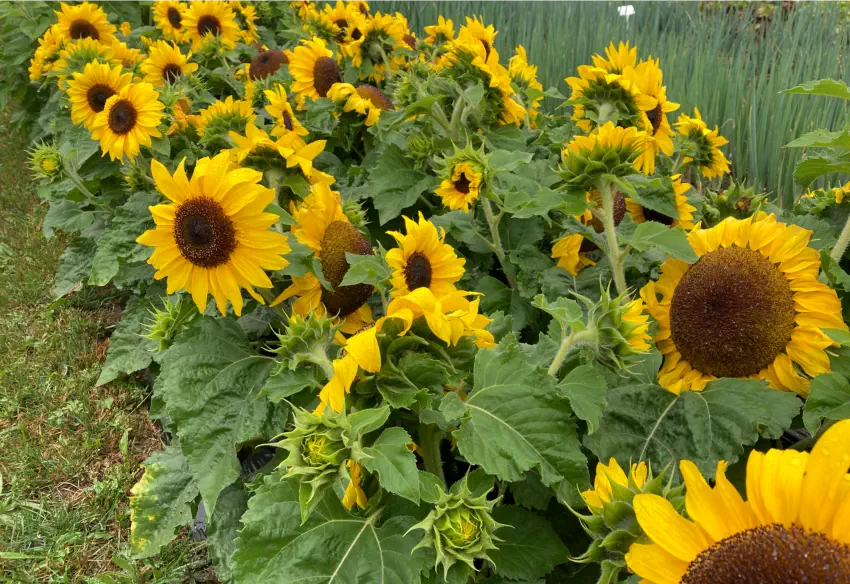
Not all sunflowers are suitable for container growth. Selecting a dwarf or medium-sized variety ensures the plant thrives without toppling over or outgrowing the pot.
Recommended Varieties for Containers:
- Dwarf Sunspots: Grows up to 2 feet, ideal for small pots or balcony planters.
- Teddy Bear: A fluffy, double-flowered variety, 12–24 inches tall.
- Big Smile: Compact with bright blooms, perfect for decorative containers.
- Sunfinity Series: Continuous blooming variety suitable for container cultivation.
Tip: Tall varieties like ‘Mammoth’ require very large containers and staking, so smaller varieties are generally easier to manage in pots.
2. Selecting the Perfect Container
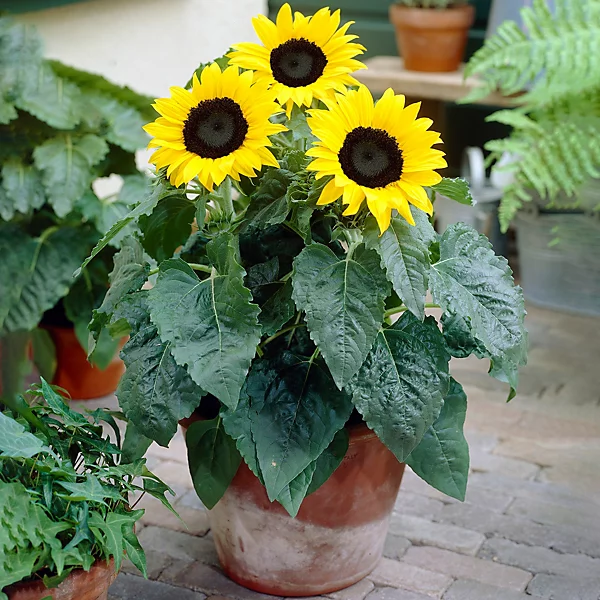
Choosing the right pot is critical for healthy sunflower growth:
- Size: A minimum of 12 inches in diameter and 12–18 inches deep for dwarf varieties; larger for medium-sized sunflowers.
- Material: Terracotta, ceramic, or heavy-duty plastic containers work well. Terracotta allows better aeration, while plastic retains moisture.
- Drainage: Ensure multiple drainage holes to prevent waterlogging, which can cause root rot.
Tip: Use a saucer to catch excess water, but avoid letting the pot sit in standing water.
3. Choosing and Preparing Soil
Sunflowers thrive in well-draining, nutrient-rich soil:
- Use high-quality potting soil with added compost or organic matter to provide essential nutrients.
- A slightly acidic to neutral pH (6.0–7.5) is ideal.
- Mix in perlite or sand to improve drainage and aeration.
Tip: Avoid heavy garden soil, which can compact in pots and suffocate roots.
4. Planting Sunflowers in Containers
Proper planting ensures strong, healthy plants:
- Fill the pot with prepared soil, leaving 2–3 inches at the top.
- Plant 2–3 seeds per container about 1 inch deep.
- Space seeds according to container size; for small pots, one sunflower is sufficient.
- Water gently but thoroughly to settle the soil.
- Place the container in full sun, as sunflowers require at least 6–8 hours of direct sunlight daily.
Tip: Thin seedlings after 2–3 weeks, leaving the strongest plant to grow.
5. Watering and Fertilization
Container-grown sunflowers need consistent moisture and nutrition:
- Watering: Keep the soil consistently moist but not soggy. Water at the base to avoid wetting foliage.
- Fertilization: Feed with a balanced, water-soluble fertilizer every 2–3 weeks. Avoid high nitrogen fertilizers, which promote leafy growth at the expense of blooms.
Tip: Mulch the surface with organic material to retain moisture and regulate soil temperature.
6. Supporting Growth
Even container-friendly varieties may need support:
- Staking: Use bamboo stakes or plant supports for medium varieties.
- Trellis or cage: Helps prevent the sunflower from bending or breaking in strong winds.
- Rotate pots: Turn containers periodically to ensure even sunlight exposure and straight growth.
Tip: For small, bushy varieties, staking may not be necessary, making them easier to grow in compact spaces.
7. Managing Pests and Diseases
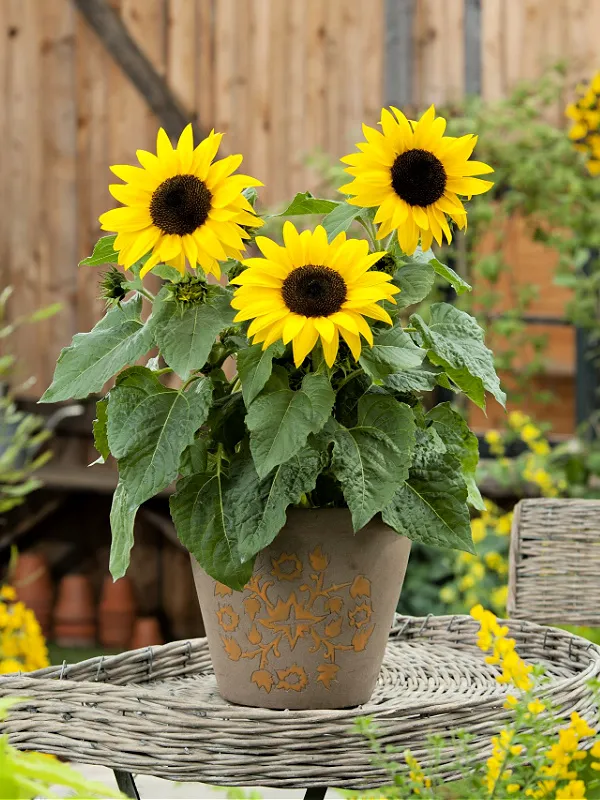
Sunflowers are relatively hardy, but container plants can still face problems:
- Aphids and Spider Mites: Spray with water or insecticidal soap to control infestations.
- Fungal Diseases: Ensure good airflow around plants and avoid wetting foliage to prevent mildew and rot.
- Birds: Cover blooms with netting if you are saving seeds, as birds love sunflower seeds.
Tip: Companion planting with marigolds or herbs nearby can help deter pests naturally.
8. Encouraging Continuous Blooms
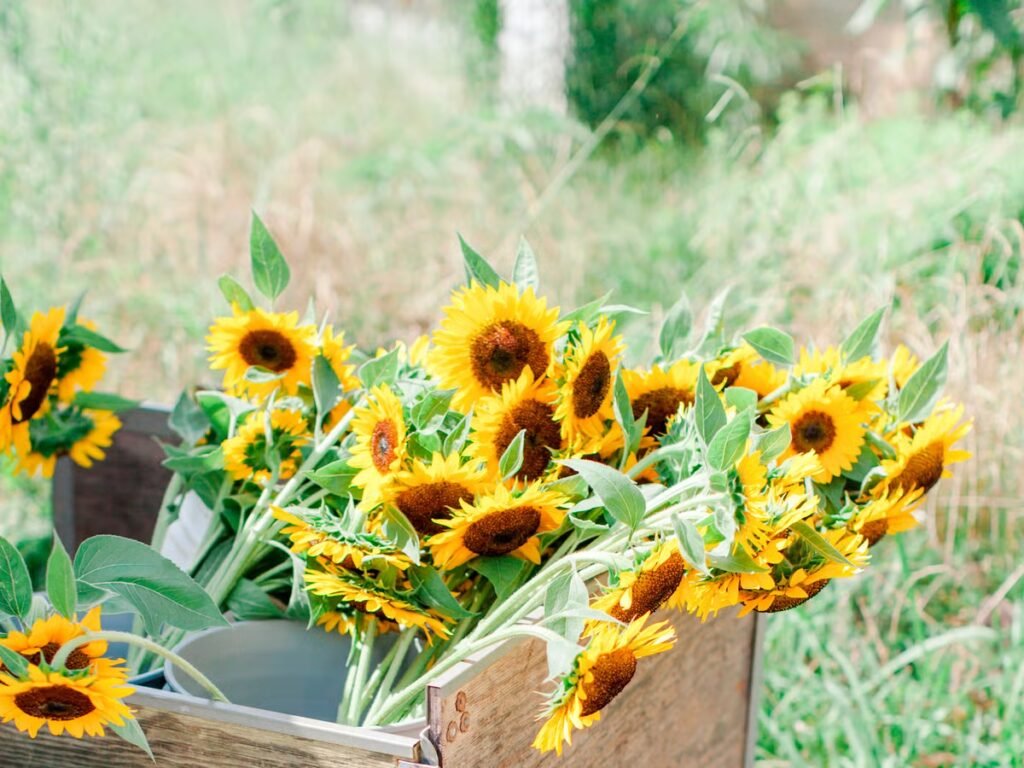
Sunflowers generally bloom in mid to late summer, but you can extend flowering in containers:
- Deadhead spent flowers to encourage the plant to produce additional blooms.
- Ensure the plant receives consistent sunlight and proper nutrition throughout the season.
- For continuous harvesting, consider planting staggered batches every 2–3 weeks.
Tip: Container-grown sunflowers often bloom earlier than ground-planted ones due to warmer soil in pots.
9. Harvesting Sunflowers
Sunflowers can provide edible seeds and decorative blooms:
- Cut flowers for arrangements when the petals are fully open.
- Allow seed heads to mature on the plant; harvest when the back of the head turns yellow-brown.
- Dry seeds in a cool, ventilated area before storing or roasting.
Tip: If growing sunflowers for seeds, leave one strong plant per container to maximize seed production.
10. Additional Tips for Container Success
- Use high-quality potting mix with slow-release fertilizer to reduce the need for frequent feeding.
- Place containers in wind-sheltered areas to prevent damage to tall stems.
- Consider growing dwarf varieties for small spaces, balconies, or patios.
- Rotate containers each season to maintain soil fertility and prevent pests.
Benefits of Growing Sunflowers in Containers
- Flexibility: Move pots for optimal sunlight or protection from weather.
- Pest Control: Easier to monitor and manage pests than ground-planted flowers.
- Space-Saving: Ideal for patios, balconies, or small gardens.
- Visual Appeal: Adds vertical interest and bright color to container arrangements.
- Edible and Decorative: Enjoy blooms, seeds, and support pollinators.
Conclusion
Growing sunflowers in containers is a rewarding and flexible gardening option. By selecting the right variety, choosing an appropriate pot, providing nutrient-rich soil, and maintaining consistent care, gardeners can enjoy cheerful, vibrant blooms throughout the growing season.
With proper attention to sunlight, water, and pest management, container sunflowers can thrive just as beautifully as their garden-planted counterparts. Whether you are a beginner gardener or an experienced enthusiast, potted sunflowers bring joy, color, and charm to your outdoor or indoor spaces, all while supporting pollinators and providing the satisfaction of homegrown beauty.