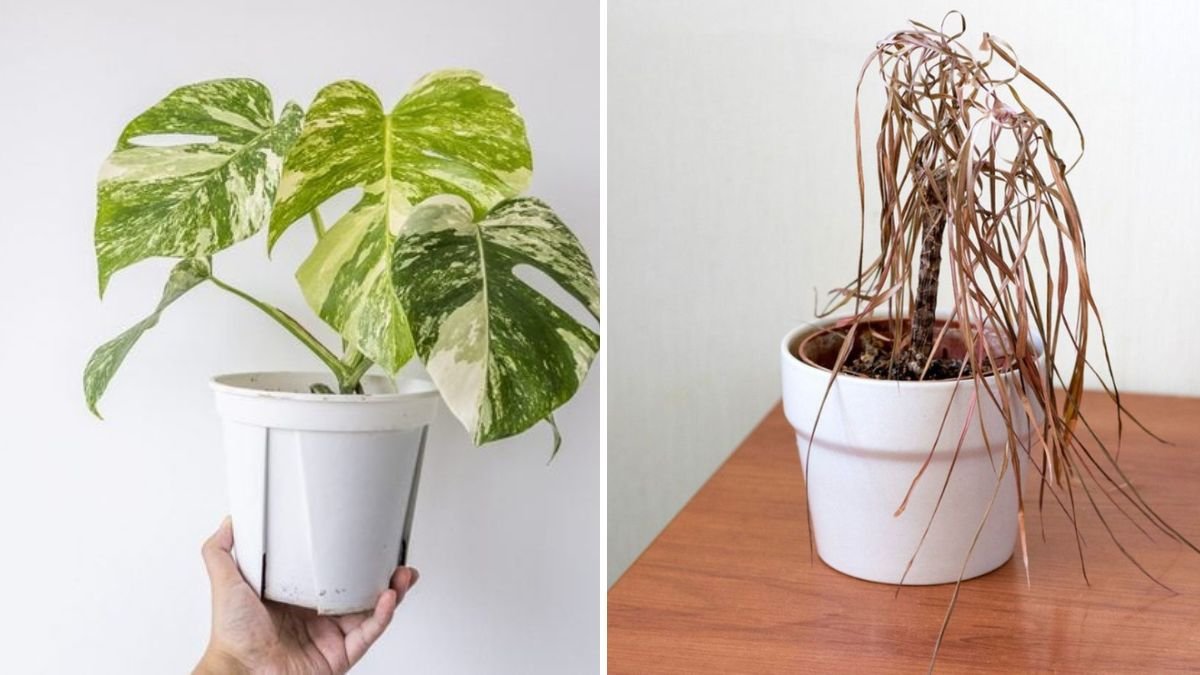
Houseplants bring life, color, and a sense of calm to indoor spaces, but even the most resilient plants can sometimes struggle. Overwatering, underwatering, low light, pests, or improper care can leave your plant wilting, yellowing, or on the verge of death. The good news is that with the right approach, many struggling houseplants can be revived and flourish again.
This guide will walk you through three simple steps to revive a dying houseplant, along with detailed tips to restore its health and ensure long-term vitality.
Step 1: Assess the Problem
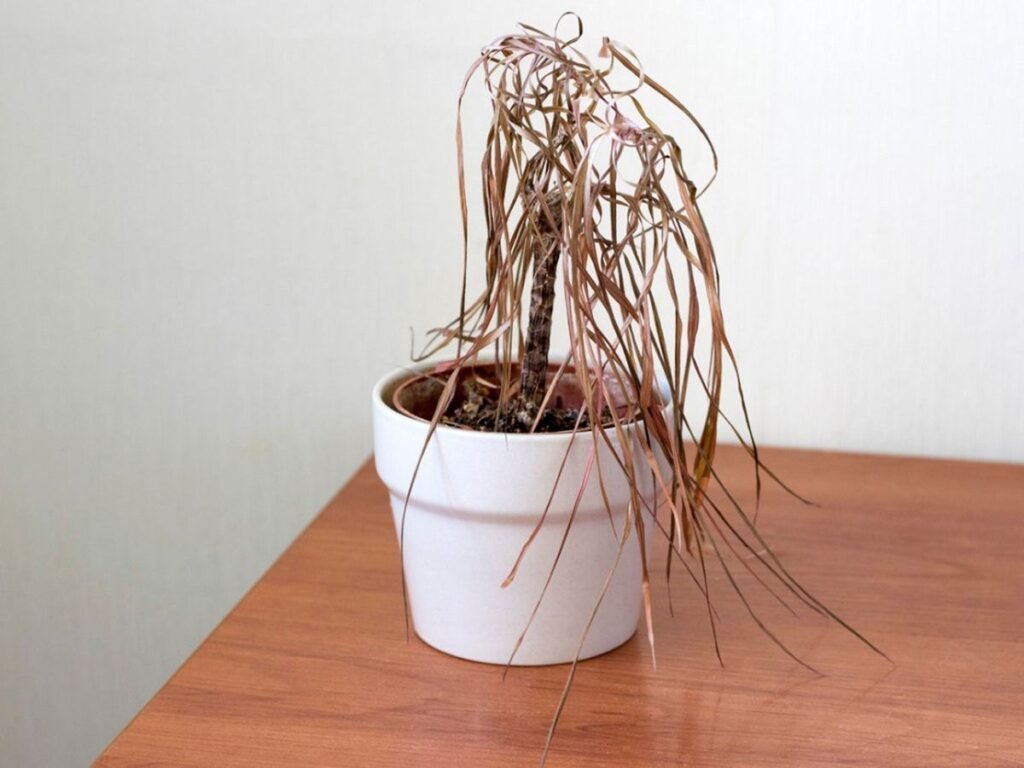
The first step in reviving a dying plant is diagnosing what’s wrong. Understanding the cause of stress is crucial for targeted intervention.
1. Check for Watering Issues
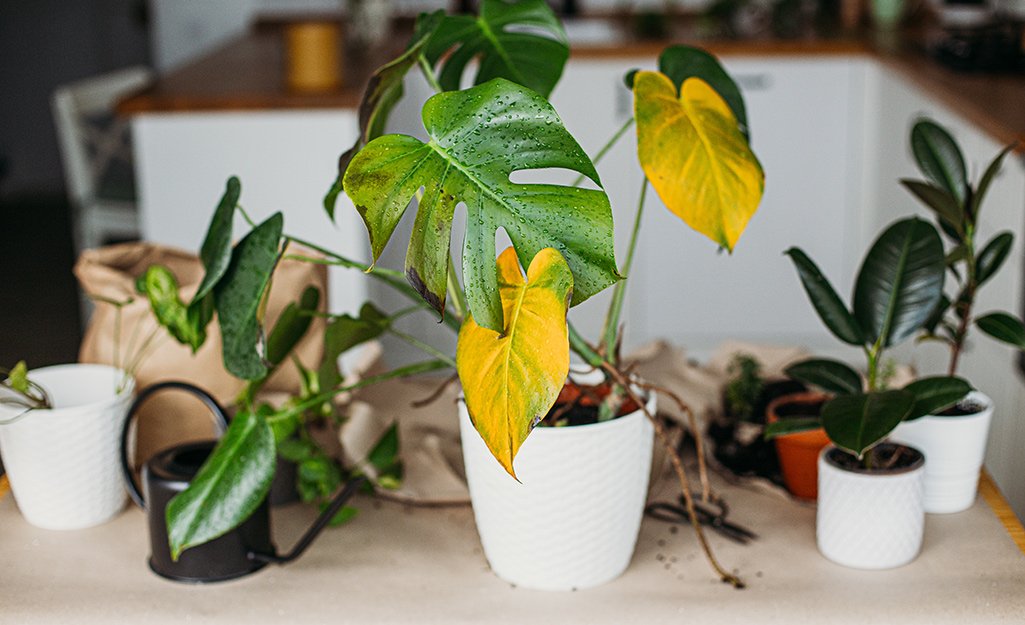
- Overwatering: Common signs include yellowing leaves, soft or mushy stems, and a sour or rotten smell from the soil. Overwatered roots may rot, preventing nutrient uptake.
- Underwatering: Wilting, brown, dry, or crispy leaves are indicators of dehydration.
Tip: Feel the soil about 1–2 inches deep. If it’s soggy, your plant is overwatered; if bone-dry, it’s thirsty.
2. Evaluate Lighting Conditions
- Too little light: Leggy stems, small or pale leaves, and slow growth.
- Too much light: Sunburned leaves, brown patches, or scorched edges.
Tip: Research your plant’s ideal light requirements and adjust placement accordingly.
3. Inspect for Pests and Disease
- Common pests: Aphids, spider mites, mealybugs, and scale can weaken plants.
- Signs: Sticky residue, webbing, small holes, or discoloration.
- Diseases: Fungal infections can cause spots, mold, or root rot.
Tip: Use natural pest treatments like neem oil or insecticidal soap and remove infected leaves promptly.
4. Examine Soil and Root Health
- Roots should be firm, white or light brown, and spread evenly in the soil.
- Black, mushy, or foul-smelling roots indicate rot.
Tip: If root rot is present, you may need to trim affected roots and repot the plant in fresh, well-draining soil.
Assessment Summary: Taking a careful look at watering, light, pests, and roots allows you to identify the exact problem and prepare for effective revival.
Step 2: Correct Care and Environmental Conditions
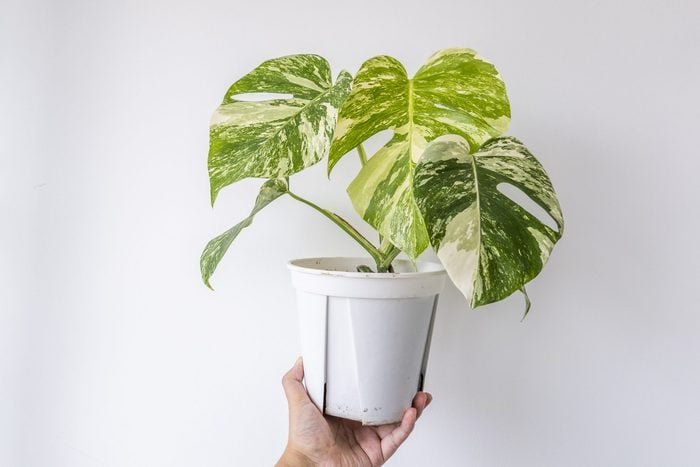
Once you’ve identified the cause of distress, it’s time to correct care routines and environmental conditions.
1. Adjust Watering Practices
- Overwatered plants: Remove the plant from its pot, gently shake off excess soil, trim rotten roots, and repot in fresh, well-draining soil. Water sparingly.
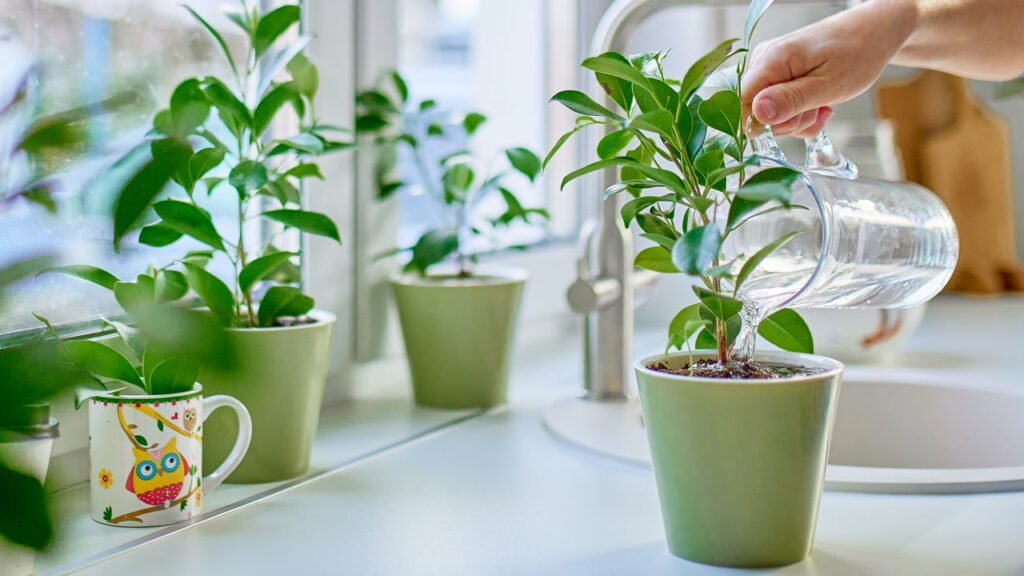
- Underwatered plants: Water deeply and thoroughly, allowing the soil to absorb moisture. Maintain a consistent watering schedule.
Tip: Always let the top inch of soil dry out for most houseplants before watering again.
2. Optimize Lighting
- Move plants closer to windows if light is insufficient or provide grow lights for indoor low-light areas.
- For sunburned plants, relocate to bright, indirect light to allow recovery.
Tip: Gradually acclimate plants to new lighting to avoid additional stress.
3. Address Pests and Disease
- Remove affected leaves and stems.
- Use natural pesticides, like neem oil, diluted soapy water, or insecticidal soap, depending on the plant type.
- Improve airflow and reduce excess humidity to prevent fungal issues.
4. Ensure Proper Temperature and Humidity
- Most houseplants thrive in 60–75°F (15–24°C).
- Avoid placing plants near heating vents, radiators, or drafty windows.
- Maintain moderate humidity; mist or use a humidity tray for tropical plants.
Tip: Stressful environmental conditions can hinder recovery even if care is corrected.
Step 3: Promote Recovery and Growth
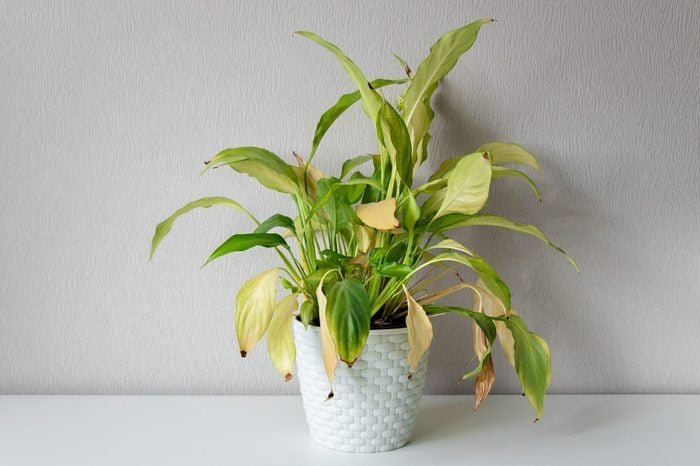
After correcting immediate problems, the focus shifts to nurturing new growth and strengthening the plant.
1. Prune Dead or Damaged Leaves
- Cut off brown, yellow, or mushy leaves to redirect energy to healthy parts of the plant.
- Trim leggy or unhealthy stems to encourage bushier growth.
Tip: Sterilize pruning tools with alcohol to prevent infection.
2. Fertilize Carefully
- Use a diluted, balanced fertilizer to support recovery during the growing season.
- Avoid over-fertilization, which can overwhelm stressed roots.
Tip: Slow-release fertilizers can provide steady nutrients without shocking the plant.
3. Repot if Necessary
- Choose a slightly larger pot with drainage holes.
- Use fresh, appropriate soil for the plant species.
- Repotting stimulates root growth and provides access to fresh nutrients.
Tip: Avoid repotting too frequently; only do so if roots are crowded or soil is depleted.
4. Monitor and Adjust
- Observe new growth and leaf color. Healthy leaves indicate recovery.
- Adjust watering, lighting, and humidity as the plant stabilizes.
- Keep a journal of watering dates and care routines to track progress.
Tip: Patience is key—revival can take several weeks to months depending on the plant’s condition.
Common Mistakes to Avoid
- Overcompensating with water: Drenching a thirsty plant can cause more harm than good.
- Ignoring light needs: Even well-watered plants won’t recover without proper light.
- Applying fertilizer too early: Can burn fragile roots.
- Neglecting pest management: Infestations can prevent recovery.
Tip: Slow, steady adjustments are better than drastic changes when reviving a plant.
Additional Tips for Long-Term Health
- Rotate plants: Ensure even light exposure.
- Dust leaves regularly: Improves photosynthesis.
- Group plants with similar needs: Easier to maintain proper care routines.
- Avoid stress: Sudden temperature changes or moving plants frequently can slow recovery.
Tip: Treat your houseplant like a patient—consistency and attention to detail are more important than quick fixes.
When to Accept the Loss
Sometimes, despite best efforts, a plant may not recover:
- Roots are completely rotten or non-existent.
- More than 80% of leaves are dead or dying.
- Signs of severe, persistent pest infestations.
Tip: Salvage healthy cuttings or propagate new plants if the parent cannot be saved.
Conclusion
Reviving a dying houseplant is achievable with careful assessment, corrective action, and patient nurturing. By following these three simple steps—assessing the problem, correcting care conditions, and promoting recovery—most houseplants can regain health and vitality.
Key takeaways:
- Always diagnose the underlying issue before attempting revival.
- Adjust watering, light, and environmental factors according to plant needs.
- Prune, fertilize carefully, and repot if necessary to encourage new growth.
- Monitor progress, be patient, and avoid quick, drastic measures.
With knowledge, consistency, and a little TLC, even a struggling houseplant can bounce back, adding beauty, oxygen, and a touch of nature to your indoor spaces.