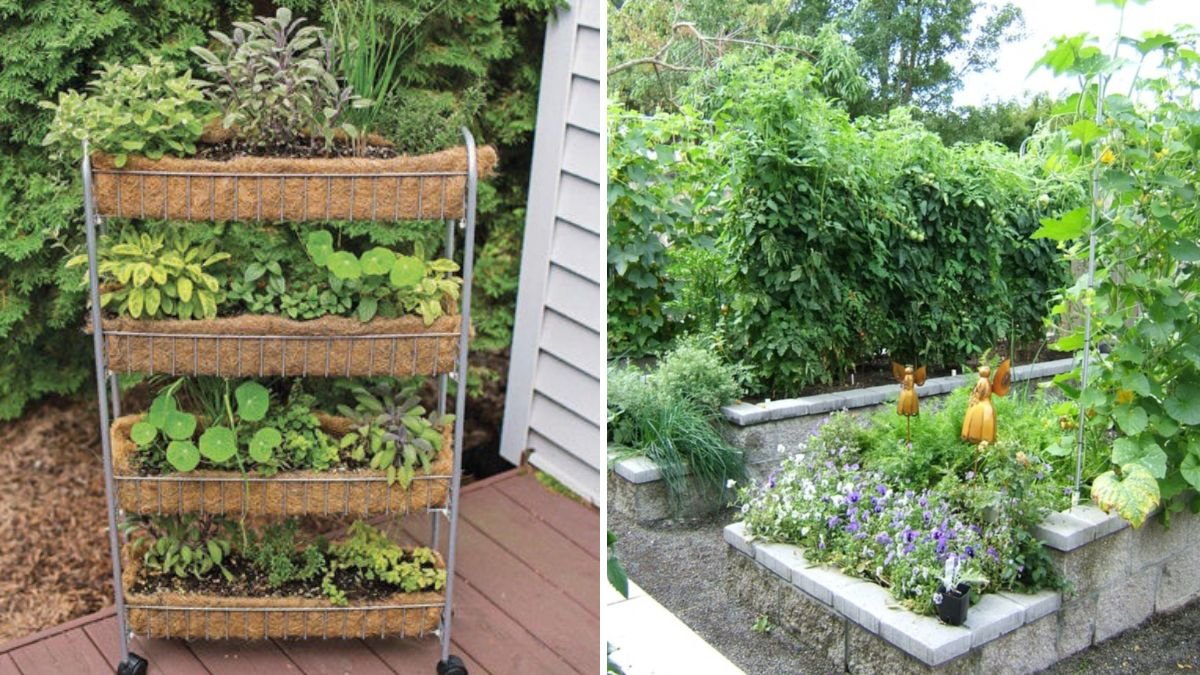
As urban living spaces shrink, the challenge of gardening in limited areas has inspired innovative solutions. Vertical gardening is one such solution, transforming walls, balconies, fences, and small patios into lush, productive green spaces. Vertical gardens not only maximize space but also enhance aesthetics, improve air quality, and provide fresh herbs, vegetables, and ornamental plants. This article provides a comprehensive guide to building a vertical garden for small spaces, detailing planning, materials, construction methods, plant selection, maintenance, and creative design ideas.
What is a Vertical Garden?
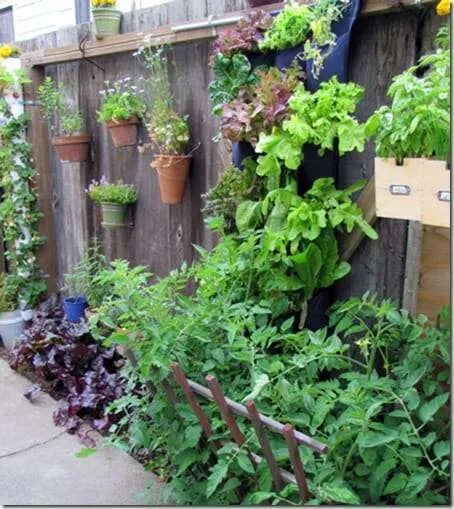
A vertical garden, also called a living wall, is a gardening system where plants grow upward rather than outward. These gardens use wall-mounted containers, trellises, hanging planters, or modular panels to grow plants in layers. Vertical gardens are particularly suited for urban dwellers, apartment balconies, patios, or any area with limited horizontal space. They are not only functional but also transform bland walls into vibrant, green focal points.
Benefits of a Vertical Garden
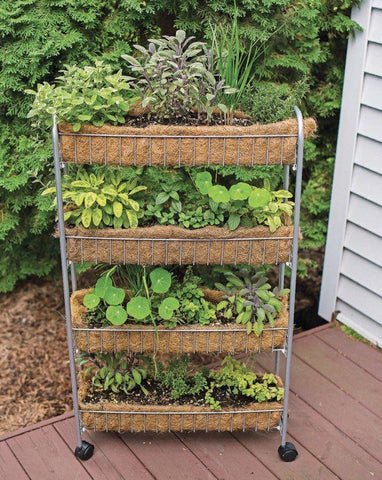
- Space Optimization: Vertical gardens allow you to grow more plants in a smaller footprint, perfect for apartments or patios.
- Aesthetic Appeal: Living walls create a visually stunning environment, adding texture, color, and greenery to vertical spaces.
- Air Quality Improvement: Plants in vertical gardens can absorb pollutants, filter dust, and release oxygen.
- Thermal Regulation: Vertical gardens help insulate walls, reducing heat absorption in summer and retaining warmth in winter.
- Mental Wellbeing: Green spaces promote relaxation, reduce stress, and enhance mood.
Planning Your Vertical Garden
Before building a vertical garden, careful planning ensures long-term success.
Step 1: Choose the Location
- Select a wall, fence, balcony, or corner that receives adequate sunlight.
- Most herbs and vegetables need 4–6 hours of sunlight daily.
- Ensure access to water for irrigation and consider ease of maintenance.
Step 2: Assess Weight and Support
- Consider the weight of planters, soil, and plants when fully saturated.
- Use sturdy walls or install additional support structures if necessary.
- Lightweight materials like PVC, felt pockets, or modular panels reduce load.
Step 3: Determine Garden Type
Vertical gardens can be categorized into several types:
- Pocket Planters: Fabric or felt pockets attached to walls or frames.
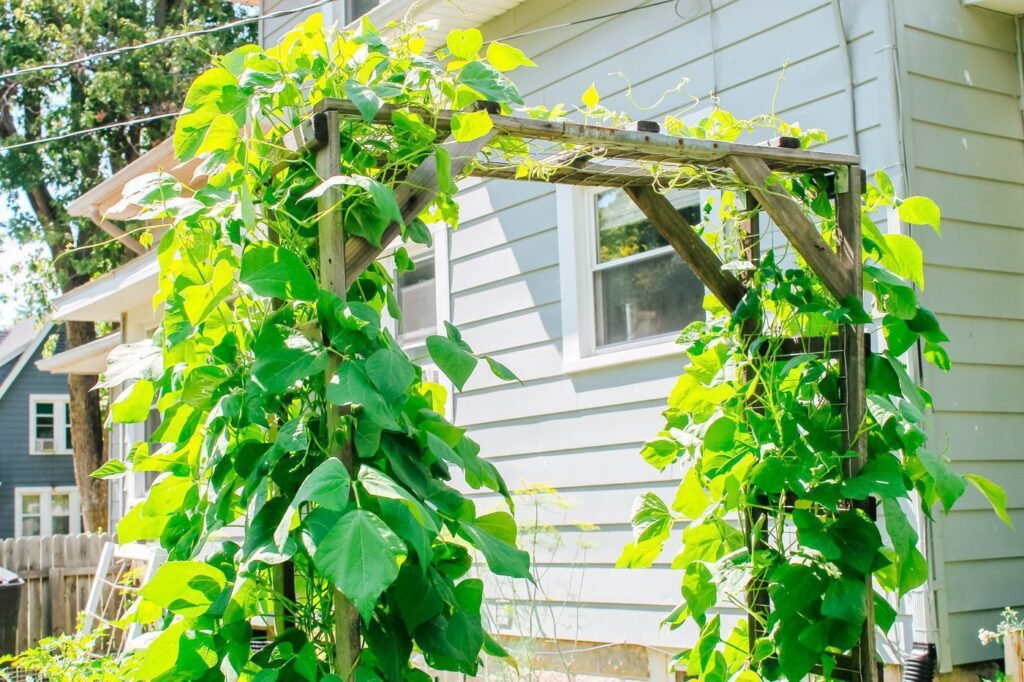
- Trellis Gardens: Plants climb vertically using trellises, ropes, or latticework.
- Hanging Planters: Pots suspended using hooks or ropes.
- Modular Panel Systems: Interlocking panels or containers mounted on walls.
- Hydroponic Vertical Gardens: Soil-free systems using nutrient solutions for high-tech setups.
Materials Needed
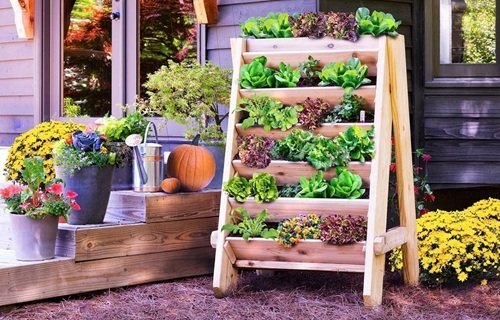
Depending on the type of vertical garden, you will need:
- Containers: Pots, recycled bottles, wooden boxes, or plastic planters.
- Mounting System: Wall brackets, screws, hooks, or frames.
- Soil Medium: Potting mix or specialized lightweight soil for vertical growth.
- Irrigation Supplies: Drip lines, watering cans, or self-watering systems.
- Support Structures: Trellises, rods, ropes, or mesh for climbing plants.
- Plants: Herbs, leafy greens, small vegetables, succulents, or flowering plants.
Tip: Upcycling household items like pallets, shoe organizers, or jars can create an eco-friendly and cost-effective vertical garden.
Step-by-Step Guide to Building a Pocket Vertical Garden
Step 1: Prepare the Wall or Frame
- Clean the surface and ensure it is structurally sound.
- Install a sturdy wooden or metal frame if the wall cannot support the full weight of the garden.
Step 2: Install Pockets or Containers
- Attach fabric or felt pockets to the wall or frame securely.
- Ensure pockets are evenly spaced for proper airflow and sunlight exposure.
- If using pots or bottles, drill holes for drainage and mount them using hooks or brackets.
Step 3: Add Soil and Plants
- Fill each pocket or container with lightweight potting soil.
- Choose plants suitable for vertical growth and sunlight availability.
- Arrange taller plants at the top and trailing plants at the bottom for aesthetics and optimal light access.
Step 4: Watering and Drainage
- Install a drip irrigation system for consistent watering or water manually as needed.
- Ensure excess water can drain safely to avoid root rot.
- Use mulch in pockets to retain moisture.
Best Plants for Vertical Gardens
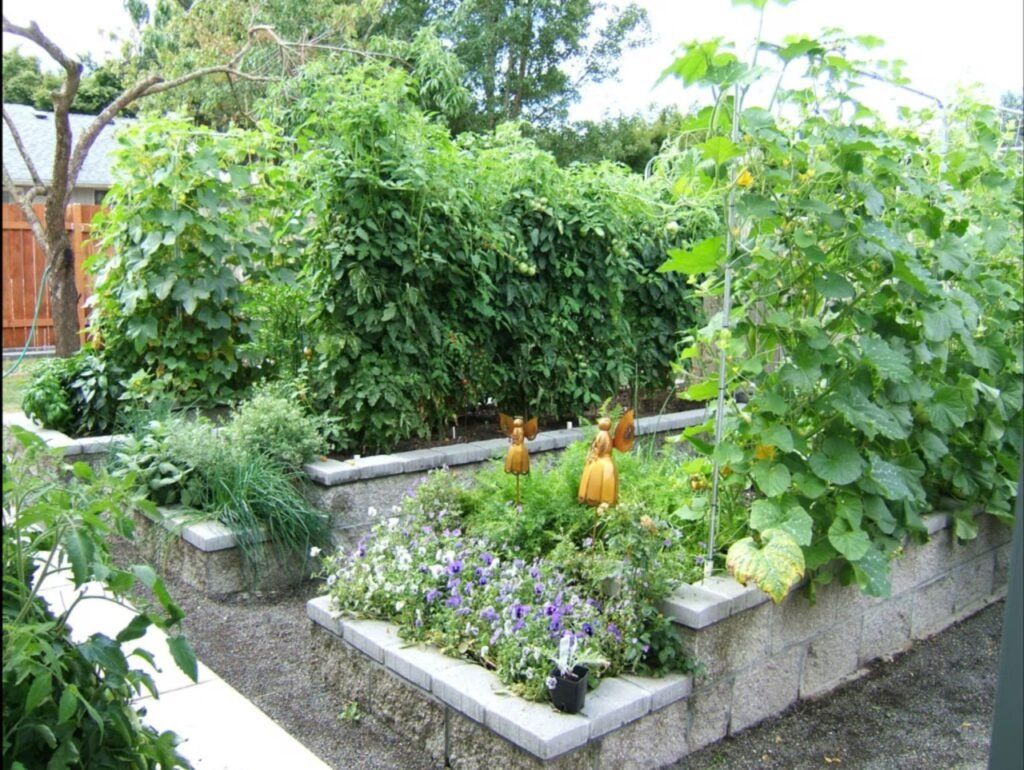
Vertical gardens thrive with plants that adapt well to confined spaces and partial to full sunlight. Popular choices include:
Herbs:
- Basil, Mint, Parsley, Thyme, Rosemary
- Grow fast, flavorful, and compact
Leafy Greens:
- Lettuce, Spinach, Kale, Arugula
- Shallow roots and rapid growth suit vertical planting
Small Vegetables:
- Cherry Tomatoes, Peppers, Radishes, Green Onions
- Choose dwarf or compact varieties for optimal vertical growth
Ornamental Plants:
- Ferns, Succulents, Ivy, Pothos, Spider Plants
- Provide aesthetic appeal, improve air quality, and are easy to maintain
Maintenance of Vertical Gardens
- Watering: Vertical gardens dry faster than horizontal beds, so consistent watering is essential. Use drip irrigation or self-watering systems to simplify care.
- Fertilizing: Apply liquid or slow-release fertilizer periodically to replenish nutrients.
- Pruning: Trim plants regularly to control growth, prevent overcrowding, and maintain appearance.
- Pest Management: Inspect plants for pests and diseases. Use organic pest control methods when possible.
- Cleaning: Remove dead leaves and debris to prevent mold and maintain healthy plant growth.
Creative Ideas for Small-Space Vertical Gardens
- Recycled Pallet Garden: Attach planters to an old wooden pallet for an affordable, rustic vertical garden.
- Hanging Jar Garden: Suspend mason jars with herbs or succulents using ropes or hooks.
- Shoe Organizer Wall: Repurpose a fabric shoe organizer to grow multiple small plants efficiently.
- Trellis with Climbing Plants: Grow peas, beans, or flowering vines on a trellis for greenery and food production.
- Succulent Mosaic Wall: Create artistic patterns using small succulents in a vertical arrangement.
Advantages of Vertical Gardens in Small Spaces
- Maximizes Vertical Space: Perfect for apartments, balconies, or small patios.
- Enhances Aesthetics: Creates visually appealing green walls and focal points.
- Boosts Food Production: Grow edible herbs and vegetables in limited areas.
- Improves Air Quality: Plants filter indoor and outdoor air pollutants.
- Reduces Heat: Green walls can insulate and cool building surfaces.
- Eco-Friendly: Encourages recycling and sustainable gardening practices.
Conclusion
Building a vertical garden is an innovative and practical solution for small-space gardening. By selecting the right location, designing a suitable structure, choosing appropriate plants, and maintaining proper care, anyone can create a thriving vertical oasis. Whether you opt for pocket planters, hanging jars, trellises, or modular panels, vertical gardens offer aesthetic appeal, space efficiency, and a sustainable way to grow edible or ornamental plants. With creativity, planning, and attention to detail, small urban spaces can be transformed into vibrant green areas, improving both your environment and well-being. Vertical gardening not only meets the challenges of limited space but also encourages a more sustainable, eco-conscious approach to modern living.