
As summer fades and temperatures begin to drop, gardeners often wonder what crops can still flourish in the cooler autumn months. Fall is an ideal time to grow certain vegetables, as many plants thrive in cooler weather and can even develop sweeter flavors with a touch of frost. By carefully selecting the right varieties, adjusting your planting schedule, and providing proper care, you can enjoy fresh, nutrient-rich produce well into late fall and early winter.
This guide highlights five fall vegetables that thrive in cooler weather, offering detailed insights into planting, care, and harvest strategies to ensure a bountiful autumn garden.
1. Kale
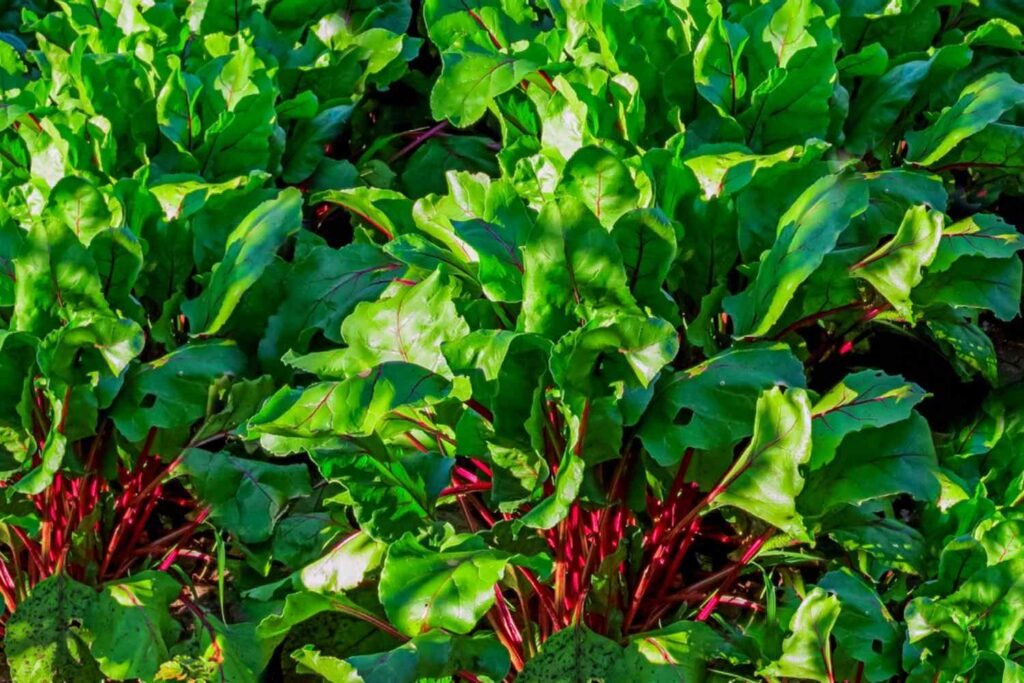
Kale is one of the most resilient leafy greens and is perfectly suited for fall gardening. It can tolerate frost and even develops a sweeter, milder flavor after exposure to cooler temperatures.
Planting and Care:
- Soil: Well-draining, fertile soil with a pH of 6.0–7.0.
- Sunlight: Full sun to partial shade.
- Planting Time: Sow seeds 6–8 weeks before the first expected frost.
- Spacing: 12–18 inches apart to allow for mature leaf growth.
- Watering: Keep soil consistently moist but not waterlogged.
Harvesting:
- Begin harvesting leaves when they are 6–8 inches long.
- Use a “cut-and-come-again” method, harvesting outer leaves first to allow inner leaves to continue growing.
Benefits:
- Rich in vitamins A, C, and K, as well as antioxidants.
- Extremely cold-hardy and low-maintenance.
- Adds vibrant color and texture to fall salads, soups, and smoothies.
Tip: Mulch around the base to retain soil warmth and moisture during cooler nights.
2. Broccoli
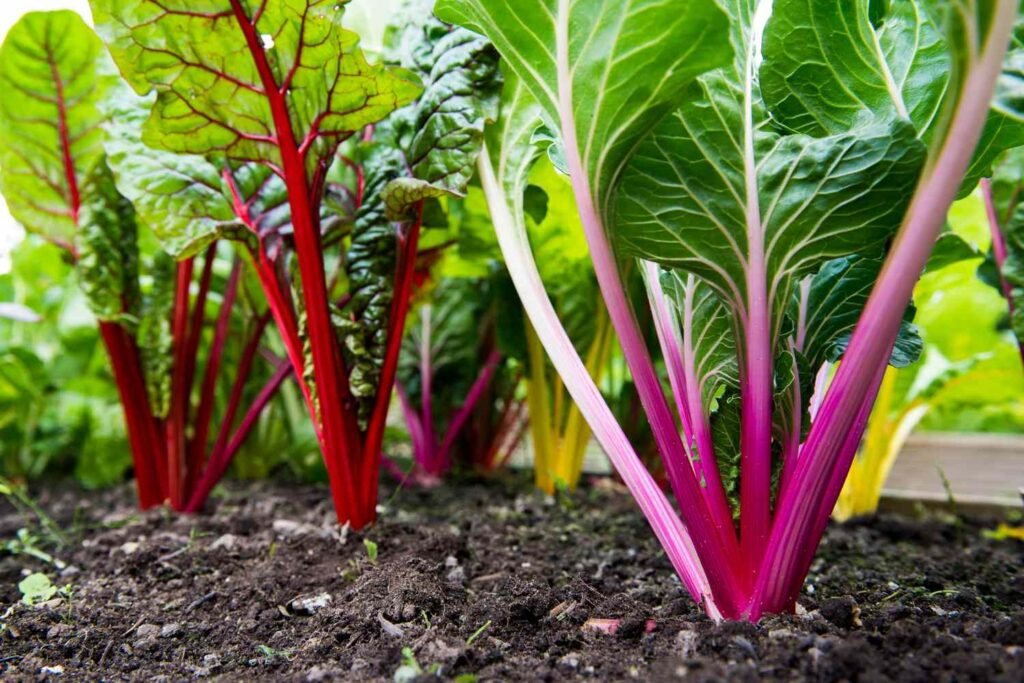
Broccoli thrives in the cool temperatures of fall, producing tender heads packed with nutrients. Unlike summer planting, fall-grown broccoli often has superior flavor and texture.
Planting and Care:
- Soil: Well-draining, fertile soil with added compost.
- Sunlight: Full sun (at least 6 hours daily).
- Planting Time: Start seedlings in late summer for a fall harvest.
- Spacing: 18–24 inches between plants.
- Watering: Maintain consistent moisture to support steady head development.
Harvesting:
- Harvest when heads are tight and firm, before florets begin to open.
- Side shoots often develop after the main head is harvested, extending the harvest period.
Benefits:
- High in vitamin C, fiber, and antioxidants.
- Thrives in cooler weather and tolerates light frost.
- Can be used in a variety of dishes, from roasted vegetables to stir-fries.
Tip: Protect young seedlings from early frost using row covers or light fabric if necessary.
3. Carrots
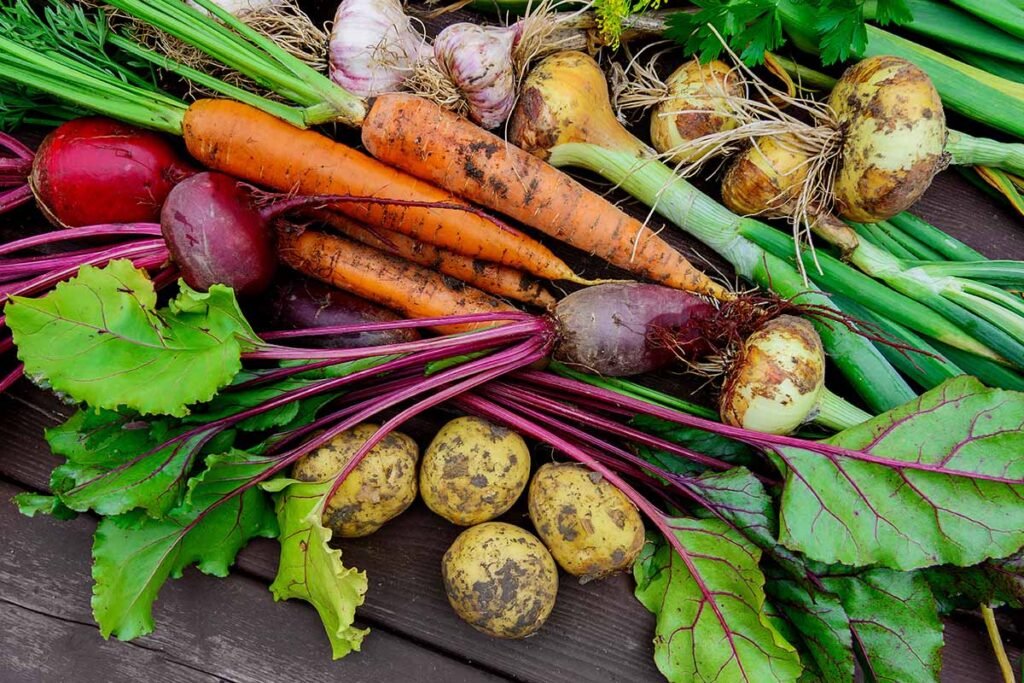
Carrots are well-suited for fall planting because cooler soil temperatures enhance their natural sweetness. Frost can improve flavor without harming the roots, making fall-grown carrots a delicious addition to winter meals.
Planting and Care:
- Soil: Loose, sandy, well-draining soil to allow straight root growth.
- Sunlight: Full sun, though partial shade is acceptable.
- Planting Time: Sow seeds 10–12 weeks before the first frost.
- Spacing: 2–3 inches apart in rows 12–18 inches apart.
- Watering: Keep soil evenly moist to prevent splitting or tough roots.
Harvesting:
- Carrots are ready 8–12 weeks after planting, depending on the variety.
- Gently pull carrots from the soil when they reach the desired size.
Benefits:
- High in beta-carotene, fiber, and antioxidants.
- Cold-tolerant and stores well for months in cool conditions.
- Sweet, flavorful roots perfect for roasting, stews, or raw snacking.
Tip: Mulch heavily to protect roots from early frost and maintain soil temperature.
4. Spinach
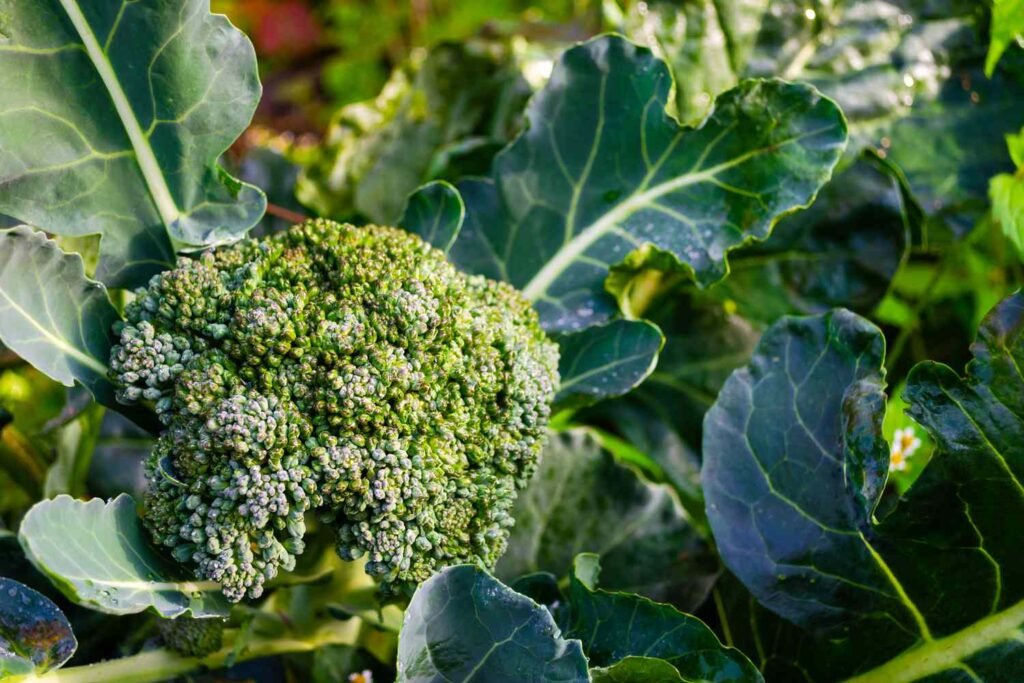
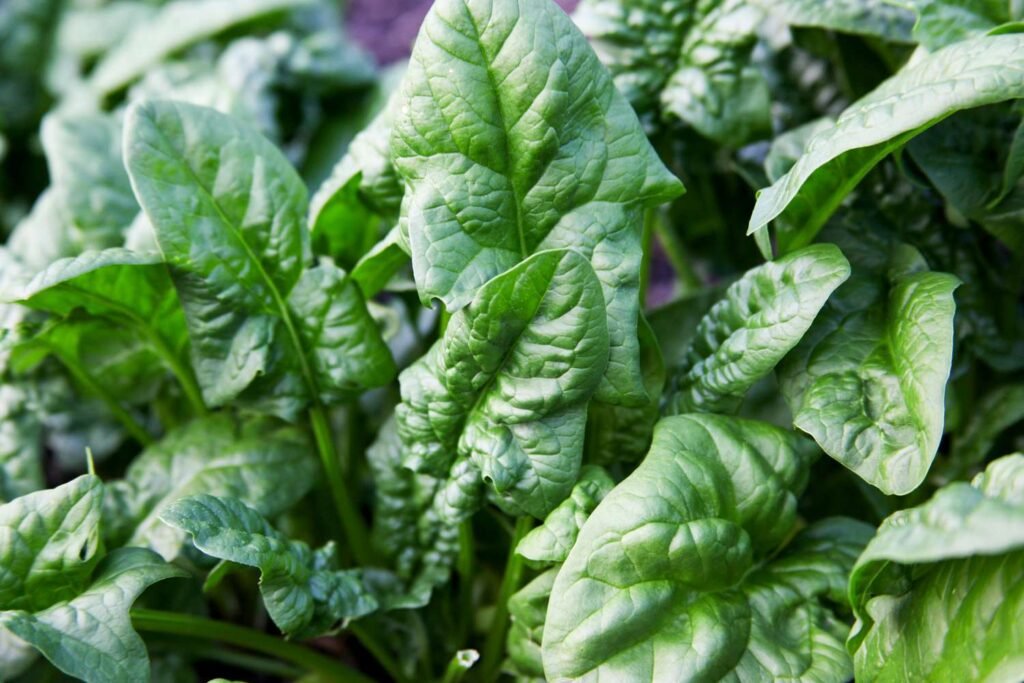
Spinach is a fast-growing, cold-hardy leafy green that thrives in the shorter days of fall. It is highly nutritious and can be continuously harvested if cared for properly.
Planting and Care:
- Soil: Fertile, well-draining soil enriched with organic matter.
- Sunlight: Full sun to partial shade; some afternoon shade helps prevent bolting.
- Planting Time: Sow seeds 6–8 weeks before the first frost.
- Spacing: 4–6 inches apart in rows 12–18 inches apart.
- Watering: Keep soil consistently moist, as dry soil can cause bitterness.
Harvesting:
- Begin harvesting leaves 4–6 weeks after planting.
- Use cut-and-come-again harvesting to encourage continuous growth.
Benefits:
- Rich in vitamins A, C, and K, iron, and calcium.
- Cold-tolerant and even withstands light frost.
- Ideal for salads, sautés, soups, and smoothies during fall and winter.
Tip: Use cloches or row covers during the coldest nights to extend the harvest season.
5. Brussels Sprouts
Brussels sprouts are uniquely suited for fall gardening because their flavor improves after exposure to frost, which reduces bitterness and enhances sweetness.
Planting and Care:
- Soil: Deep, fertile, well-draining soil enriched with compost.
- Sunlight: Full sun for optimal growth.
- Planting Time: Start seeds indoors in mid-summer or transplant seedlings outdoors in late summer for a fall harvest.
- Spacing: 18–24 inches apart to allow adequate air circulation.
- Watering: Keep soil evenly moist to support steady growth of sprouts along the stalk.
Harvesting:
- Begin harvesting the lower sprouts once they reach 1–2 inches in diameter.
- Continue picking upward as new sprouts mature.
- Plants can remain productive into early winter if protected from extreme cold.
Benefits:
- Rich in vitamins C and K, fiber, and antioxidants.
- Cold-hardy and often sweeter after frost exposure.
- Provides a nutritious, fresh addition to holiday meals.
Tip: Mulch and consider using row covers to protect young plants from frost while they mature.
Tips for Successful Fall Gardening
- Monitor Frost Dates: Know your local first frost date to plan planting and protection strategies.
- Use Mulch and Row Covers: These inexpensive methods insulate soil and protect crops from frost damage.
- Optimize Light Exposure: Fall days are shorter; place containers or beds in sunny locations or supplement with grow lights if indoors.
- Succession Planting: Sow seeds in intervals to ensure continuous harvests throughout the fall season.
- Water Consistently: Maintain even soil moisture; dry soil makes plants more susceptible to frost injury.
- Choose Cold-Hardy Varieties: Select vegetables specifically bred for fall and winter growing conditions.
By following these strategies, gardeners can maximize productivity and enjoy fresh, homegrown vegetables well into late fall and early winter.
Benefits of Growing Fall Vegetables
- Extended harvest season: Enjoy fresh produce beyond summer.
- Nutrient-rich crops: Many fall vegetables are high in vitamins, minerals, and antioxidants.
- Cost-effective: Reduce dependence on store-bought winter vegetables.
- Resilient crops: Cold-tolerant plants are less susceptible to pests and diseases common in warmer months.
- Flavor enhancement: Many vegetables, like carrots and Brussels sprouts, taste sweeter after exposure to light frost.
Fall gardening provides both nutritional and culinary benefits, offering gardeners an extended period of harvest and satisfaction.
Conclusion
Growing vegetables in fall is a practical, rewarding, and nutritious endeavor. Kale, broccoli, carrots, spinach, and Brussels sprouts are all ideal candidates for cooler weather, offering high yields, exceptional flavor, and cold-hardiness. By understanding planting schedules, soil requirements, and protective strategies, gardeners can enjoy fresh, homegrown vegetables even as temperatures drop.
With proper care, these fall vegetables not only withstand cooler weather but often flourish and improve in flavor, providing a rich harvest for soups, salads, stews, and other seasonal dishes. Fall gardening is an excellent way to extend your growing season, boost nutrition, and maintain a thriving garden year-round, all while embracing the beauty and bounty of cooler weather.