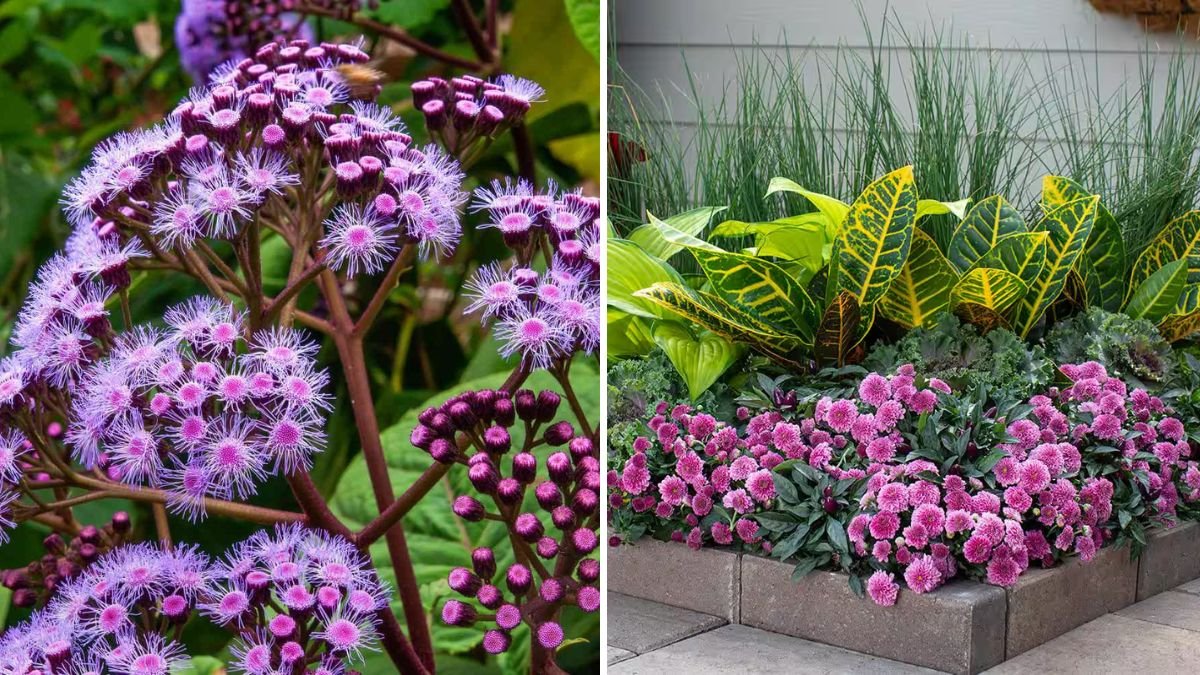
As summer fades and autumn approaches, many gardeners fear their vibrant landscapes will quickly lose color. However, fall-blooming perennials provide a perfect solution, extending the season of beauty well into the cooler months. These plants not only offer stunning hues but also attract pollinators and add texture to the garden when most annuals begin to fade.
This guide highlights five standout fall-blooming perennials that will bring lasting color and life to your garden, along with tips for planting, care, and maximizing bloom longevity.
1. Asters (Aster spp.)
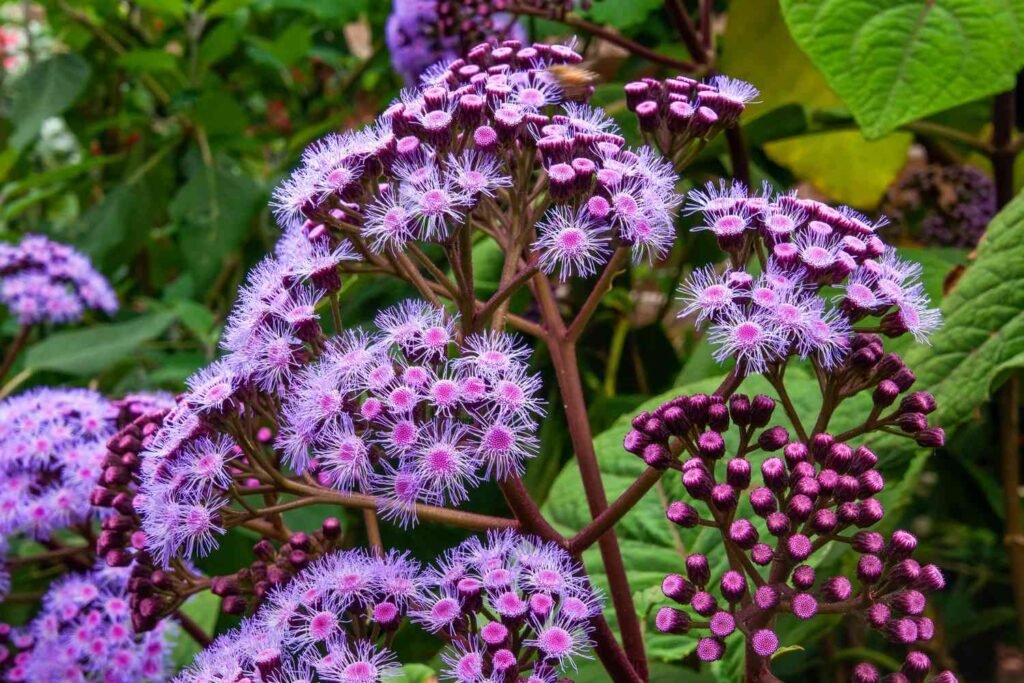
Asters are classic fall bloomers known for their vivid daisy-like flowers in shades of purple, pink, and white. They are hardy, adaptable, and provide a late-season nectar source for pollinators.
Planting and Care:
- Soil: Well-draining, moderately fertile soil.
- Sunlight: Full sun to partial shade; more sunlight ensures abundant blooms.
- Planting Time: Early spring or fall; divide every 2–3 years to maintain vigor.
- Watering: Keep soil moist but not waterlogged.
- Maintenance: Pinch back young plants in early summer to encourage bushy growth and more flowers.
Benefits:
- Long bloom period from late summer to late fall.
- Attracts butterflies, bees, and other beneficial insects.
- Adds vertical interest and a splash of color to late-season beds.
Tip: Choose shorter varieties for borders and taller varieties for back-of-bed planting.
2. Sedum (Sedum spectabile, ‘Autumn Joy’)
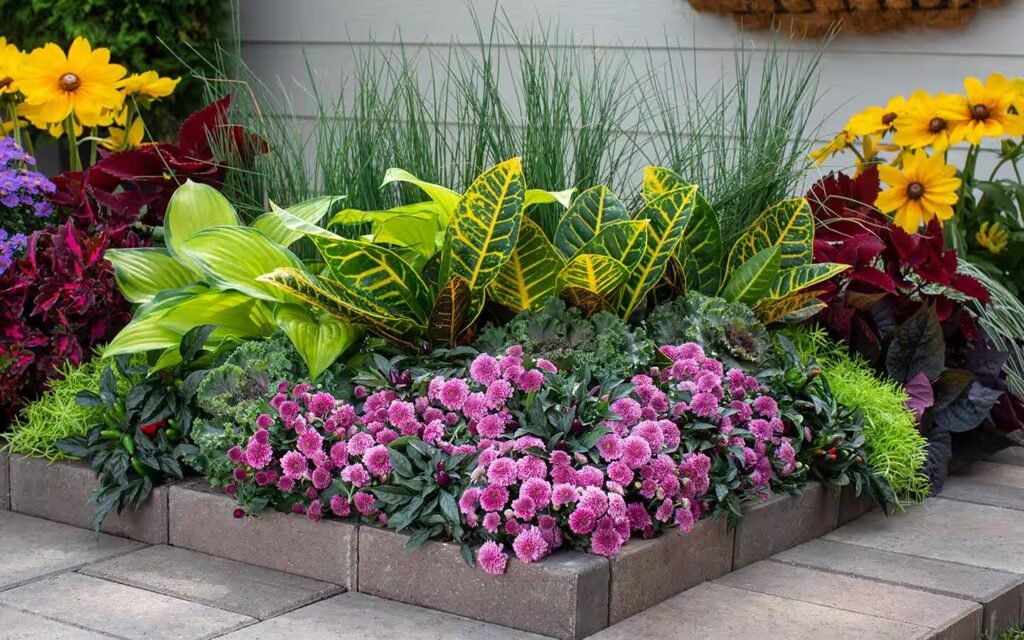
Sedums, especially the popular ‘Autumn Joy,’ are succulent perennials that bloom in late summer and continue well into fall. Their thick, fleshy leaves and clustered flower heads provide a unique texture in the garden.
Planting and Care:
- Soil: Well-draining, sandy or loamy soil. Avoid heavy clay.
- Sunlight: Full sun for best flowering.
- Planting Time: Spring or early fall for optimal establishment.
- Watering: Low to moderate; drought-tolerant once established.
- Pruning: Cut back dead stems in late winter or early spring to encourage new growth.
Benefits:
- Long-lasting blooms that turn from pink to deep copper in fall.
- Excellent for cut flowers and dried arrangements.
- Attracts pollinators, including bees and butterflies, late in the season.
Tip: Space plants 12–18 inches apart to allow air circulation and prevent fungal diseases.
3. Chrysanthemums (Chrysanthemum spp.)
Chrysanthemums, or mums, are perhaps the most iconic fall-blooming perennials, celebrated for their wide range of colors and textures. They are ideal for borders, containers, and mixed perennial beds.
Planting and Care:
- Soil: Well-draining, fertile soil enriched with compost.
- Sunlight: Full sun for maximum blooms.
- Planting Time: Early spring or late summer; divide every 3–4 years to maintain health.
- Watering: Moderate, keeping soil evenly moist. Avoid overhead watering to reduce disease risk.
- Deadheading: Remove spent blooms to encourage continuous flowering.
Benefits:
- Vibrant colors including yellow, orange, red, pink, and white.
- Long bloom season, typically September through November.
- Deer-resistant and hardy in many climates.
Tip: For fuller plants, pinch back stems during summer until mid-July to promote more flower buds in the fall.
4. Japanese Anemone (Anemone hupehensis)
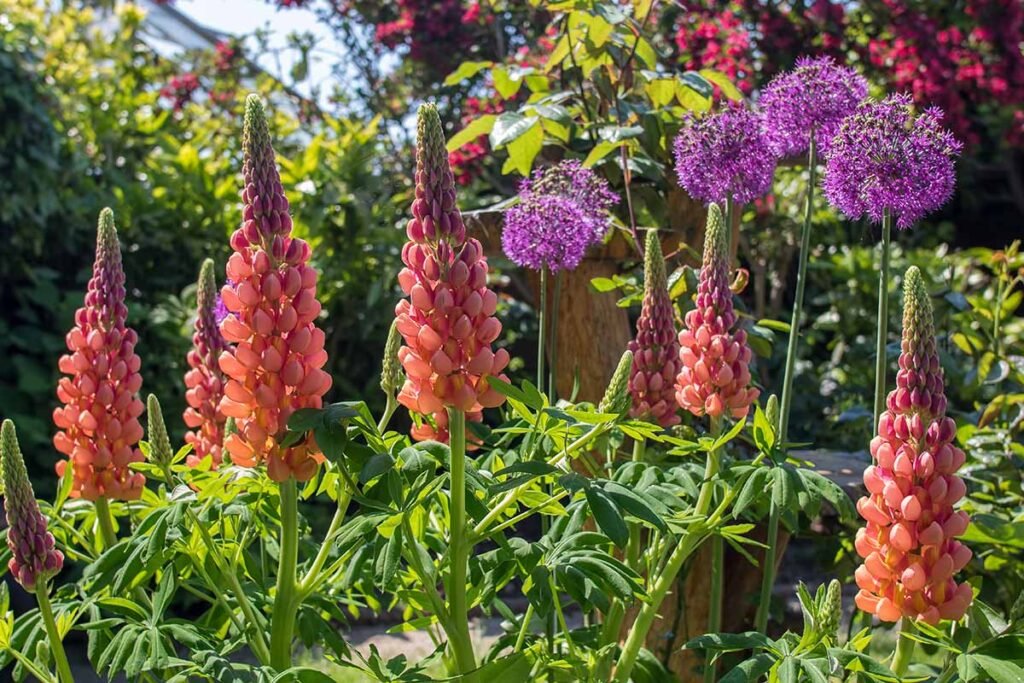
Japanese anemones are elegant, late-blooming perennials with delicate white or pink flowers that sway gracefully on tall stems. They provide vertical interest and a soft, romantic look in the garden.
Planting and Care:
- Soil: Moist, fertile, well-draining soil.
- Sunlight: Partial shade to full sun; prefers some shelter from harsh afternoon sun.
- Planting Time: Early spring or fall for best establishment.
- Watering: Keep soil consistently moist, especially during dry spells.
- Maintenance: Cut back stems to the ground after the first frost. Divide every 3–4 years to prevent overcrowding.
Benefits:
- Blooms from late summer through fall, providing garden color when many perennials fade.
- Deer-resistant and low-maintenance once established.
- Adds a soft, airy texture to borders and woodland gardens.
Tip: Japanese anemones can spread aggressively; consider planting in containers or controlling with root barriers.
5. Helenium (Helenium autumnale)
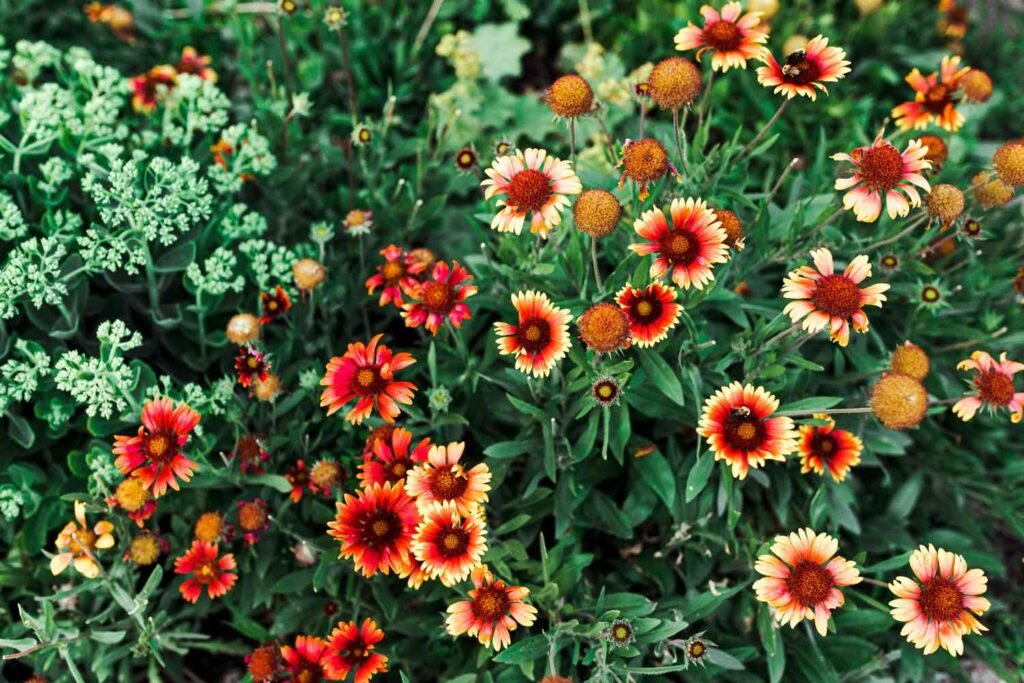
Helenium, also known as sneezeweed, produces bright, daisy-like blooms in shades of red, orange, and yellow. Its cheerful colors make it an excellent companion to other fall bloomers.
Planting and Care:
- Soil: Moist, fertile, well-draining soil.
- Sunlight: Full sun to encourage maximum flower production.
- Planting Time: Spring or early fall; divide clumps every 3–4 years to maintain vigor.
- Watering: Moderate; keep soil moist during dry spells.
- Deadheading: Remove faded flowers to prolong the bloom period.
Benefits:
- Long-lasting blooms from late summer to fall.
- Attracts butterflies, bees, and other pollinators.
- Adds vibrant, warm tones to fall gardens.
Tip: Plant Helenium in groups for a striking display of color and to enhance pollinator visits.
Tips for Maximizing Fall Bloom
- Proper Soil Preparation: Enrich soil with compost or organic matter in spring and summer to support late-season blooms.
- Deadheading: Regularly remove spent flowers to encourage more blooms and prolong flowering season.
- Watering: Maintain consistent moisture, particularly for perennials that bloom late in the season.
- Fertilization: Apply a balanced fertilizer in mid-summer to encourage healthy foliage and late flowering.
- Mulching: Apply mulch around plants in late summer to conserve soil moisture, regulate temperature, and protect roots.
- Sunlight Exposure: Ensure plants receive adequate light; most fall-blooming perennials require at least 6 hours of sunlight daily.
Tip: Companion plant these perennials with early-fading summer flowers to create seamless seasonal transitions in your garden.
Benefits of Planting Fall-Blooming Perennials
- Extended Garden Color: Maintain vibrant flowers well into late autumn.
- Pollinator Support: Provide nectar and pollen for bees, butterflies, and other pollinators at a time when few other plants are blooming.
- Low Maintenance: Once established, most fall perennials are hardy and require minimal care.
- Seasonal Interest: Adds texture, height, and visual appeal to garden beds when summer annuals fade.
- Cut Flowers: Many fall-blooming perennials make excellent bouquets, extending enjoyment indoors.
By strategically selecting fall-blooming perennials, gardeners can extend the color, vibrancy, and interest of their landscape, making autumn a season of continued beauty rather than decline.
Conclusion
Fall does not have to mean the end of your garden’s color. With the right perennials—asters, sedum, chrysanthemums, Japanese anemones, and helenium—you can enjoy vibrant blooms, attract pollinators, and maintain garden interest well into late autumn.
By preparing soil, providing consistent water, deadheading, and fertilizing strategically, these plants thrive and ensure your garden remains a stunning visual delight from late summer until the first frost. Planting fall-blooming perennials not only enhances the aesthetic appeal of your garden but also supports pollinators and adds texture, structure, and continuity to your landscape.
Fall is a season of rich, warm tones, and with these perennials, your garden can shine brightly and bloom beautifully, bridging the transition from summer to winter while providing months of enjoyment and natural beauty.