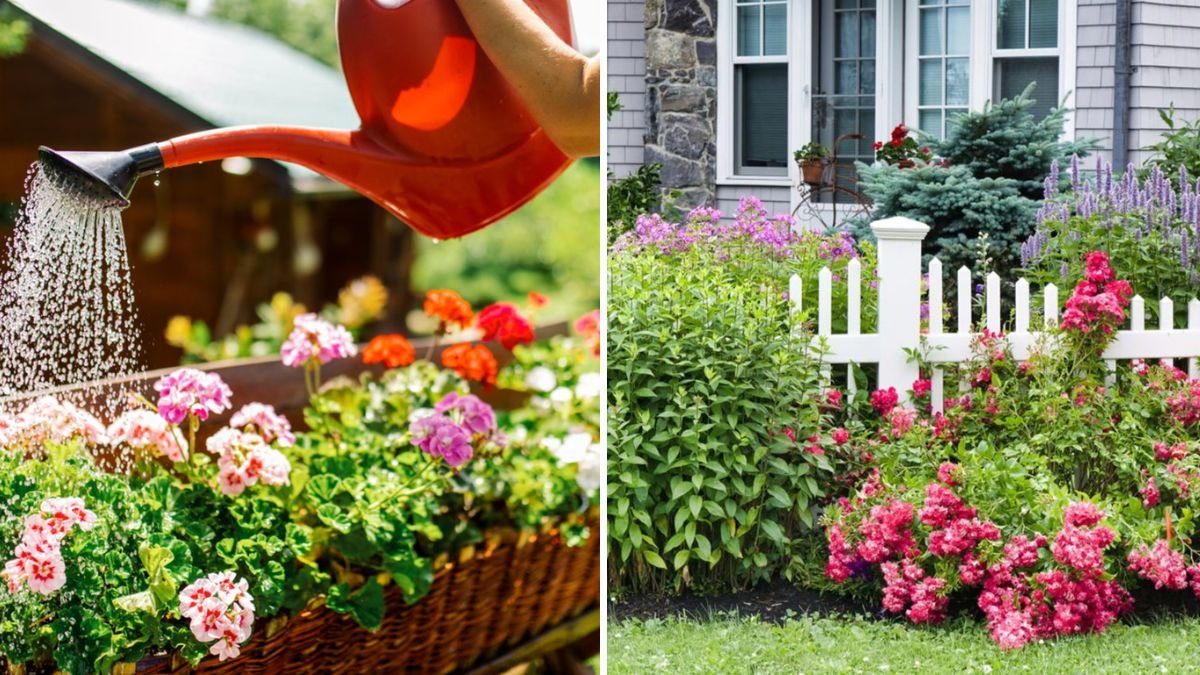
Spring is the most exciting time for gardeners. After a long winter, plants awaken, bulbs emerge, and the garden bursts into life. However, the success of your garden throughout the growing season depends on how well you prepare it in spring. Skipping essential spring tasks can lead to weak plants, poor yields, and a garden prone to pests and diseases.
This guide highlights six critical spring gardening tasks that every gardener should never skip, along with practical tips, step-by-step instructions, and expert advice to set your garden up for success.
1. Clean Up and Assess Your Garden
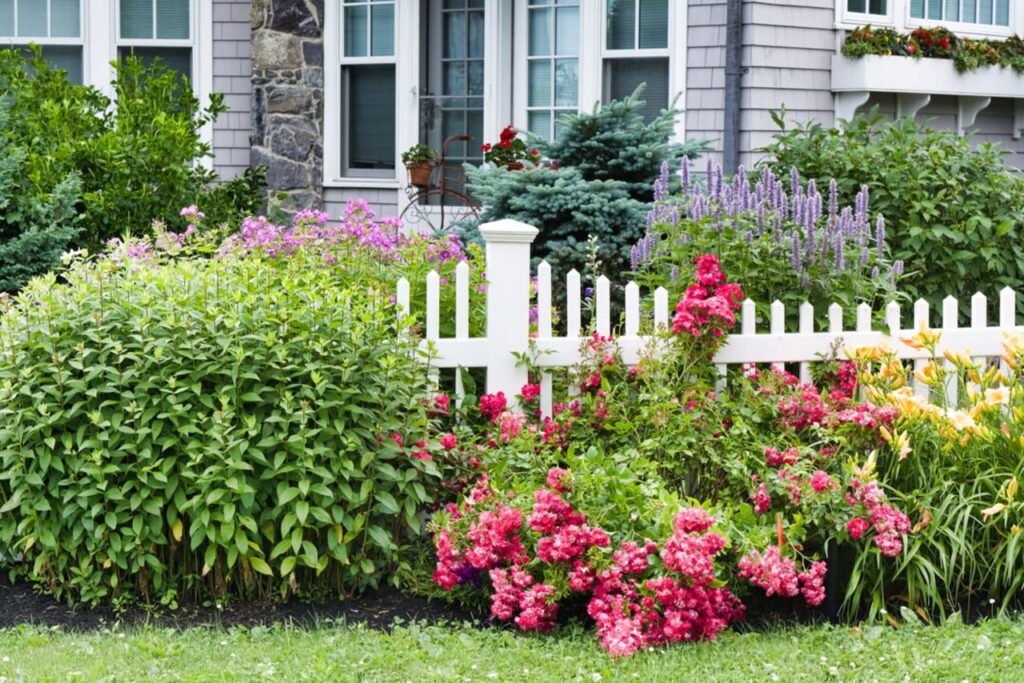
Spring cleaning in the garden is just as important as cleaning your home. Removing winter debris ensures that plants have room to grow and reduces the risk of pests and diseases.
Steps for Spring Clean-Up:
- Remove Dead Leaves and Plants: Clear out any fallen leaves, dead perennials, or old mulch that may harbor insects or fungal spores.
- Trim Damaged Branches: Prune shrubs and trees to remove broken, diseased, or dead branches.
- Check Garden Beds: Look for compacted soil or areas with poor drainage that may need attention.
- Inspect Tools and Structures: Sharpen pruners, clean pots, and check fences, trellises, and irrigation systems.
Benefits:
- Prevents disease carryover from the previous season.
- Encourages healthy new growth in spring.
- Creates a clean and organized environment for planting and maintenance.
Tip: Save healthy plant cuttings for propagation or compost the organic debris to enrich your soil.
2. Prepare and Amend the Soil
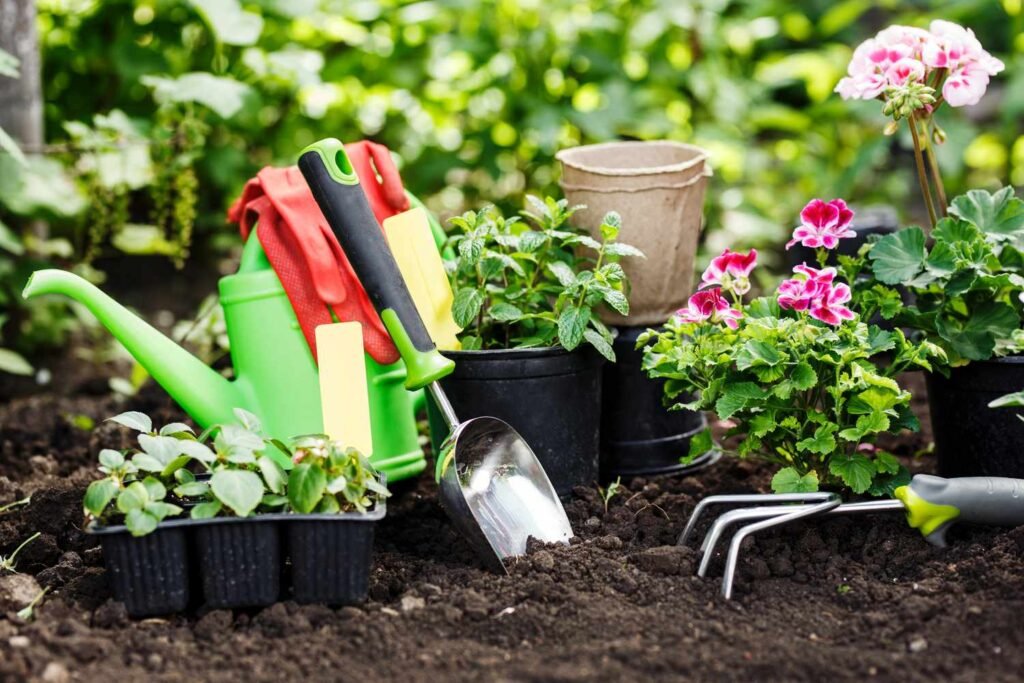
Healthy soil is the foundation of a thriving garden. After winter, soil often becomes compacted, depleted of nutrients, and in need of preparation.
Steps to Prepare Soil:
- Test Soil pH and Fertility: Use a soil test kit to identify nutrient deficiencies and pH levels.
- Loosen Compacted Soil: Use a garden fork or tiller to aerate soil, allowing roots to grow easily.
- Add Organic Matter: Incorporate compost, well-rotted manure, or leaf mold to improve structure and fertility.
- Adjust pH if Necessary: Lime can raise pH, while sulfur can lower it, depending on test results.
Benefits:
- Improves soil drainage and aeration.
- Provides essential nutrients for seedlings and perennial growth.
- Encourages beneficial soil microorganisms for long-term garden health.
Tip: Avoid working soil when it’s too wet, as this can cause compaction and destroy soil structure.
3. Plan and Plant Early Crops
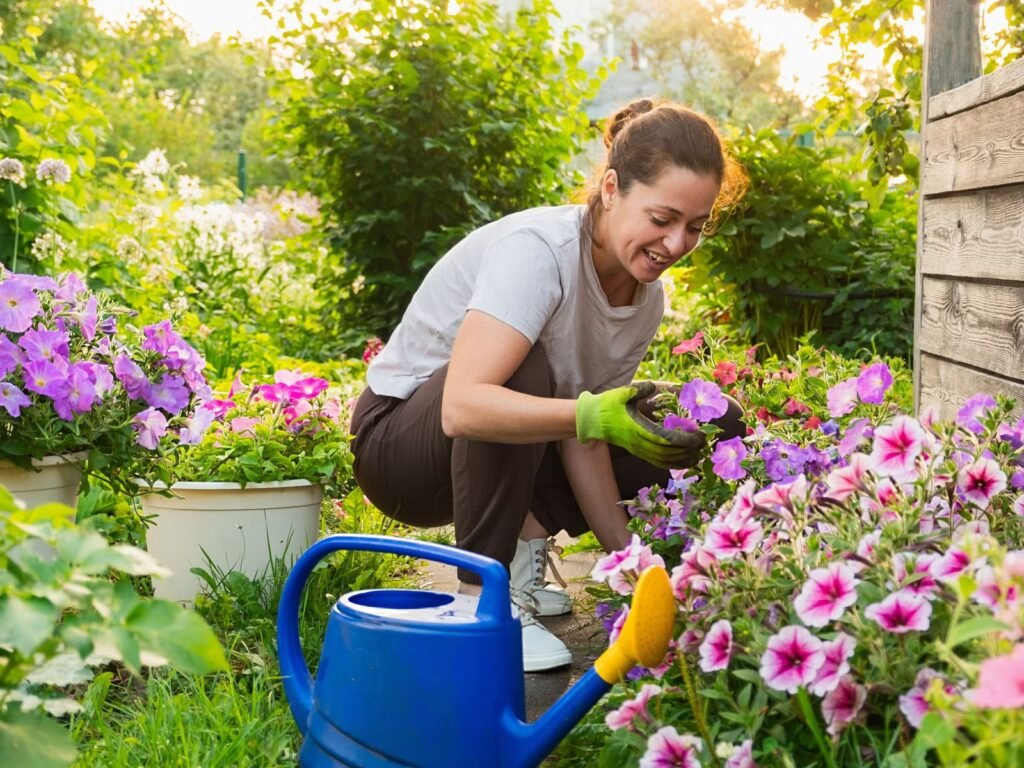
Spring is the perfect time to start planting, but careful planning ensures that crops thrive in their new environment.
Steps for Planting Early Crops:
- Choose Suitable Plants: Cool-season vegetables like lettuce, spinach, radishes, peas, and broccoli thrive in early spring.
- Start Seeds Indoors: For slower-growing plants like tomatoes and peppers, start seeds indoors 6–8 weeks before the last frost.
- Transplant Carefully: Harden off seedlings by gradually exposing them to outdoor conditions for 7–10 days before planting.
- Companion Planting: Plan bed layouts with companion plants to improve growth and reduce pests.
Benefits:
- Extends the growing season by giving plants a head start.
- Reduces the risk of heat stress later in spring.
- Ensures a continuous harvest throughout the growing season.
Tip: Label your beds and seed trays to stay organized and avoid confusion when multiple crops are planted simultaneously.
4. Prune and Shape Plants
Pruning is essential in spring to encourage healthy growth, improve airflow, and shape your plants for maximum beauty and productivity.
Pruning Tips:
- Remove Dead or Diseased Wood: Focus on stems and branches that did not survive winter.
- Thin Dense Growth: Open up crowded branches to improve sunlight penetration and reduce disease risk.
- Shape Ornamental Plants: Prune shrubs and hedges to maintain a desired shape and prevent overgrowth.
- Prune Fruit Trees and Berries: Cut back old wood to stimulate new growth and increase fruit production.
Benefits:
- Stimulates new growth and flowering.
- Reduces pest and disease issues by improving airflow.
- Enhances the appearance and structure of your garden.
Tip: Use sharp, clean tools to make precise cuts and minimize damage to plants.
5. Mulch and Protect Soil

Applying mulch in spring is an essential step that supports plant health, conserves moisture, and suppresses weeds.
Steps for Mulching:
- Choose the Right Material: Organic mulch like straw, wood chips, shredded bark, or compost works well.
- Apply Evenly: Spread 2–4 inches of mulch around plants, keeping it a few inches away from stems to prevent rot.
- Refresh Existing Mulch: Remove any old, compacted mulch and replace it with fresh material.
Benefits:
- Reduces soil moisture loss and temperature fluctuations.
- Suppresses weed growth and reduces competition for nutrients.
- Adds organic matter to the soil as it breaks down.
Tip: Mulch also provides a barrier against soil-borne diseases and keeps root zones cool during warm spring days.
6. Inspect and Maintain Garden Tools and Equipment
Efficient and effective gardening depends on having well-maintained tools. Spring is the ideal time to inspect and service all your gardening equipment.
Tool Maintenance Checklist:
- Sharpen Blades: Pruners, shears, hoes, and knives should be sharpened for clean cuts.
- Clean and Disinfect: Remove dirt, sap, and disease spores from all tools.
- Check Irrigation Systems: Test hoses, sprinklers, and drip lines to ensure proper operation.
- Replace or Repair: Fix broken handles, replace worn parts, and consider upgrading essential tools.
Benefits:
- Saves time and energy during the busy growing season.
- Prevents plant damage caused by dull or malfunctioning tools.
- Reduces the risk of spreading disease between plants.
Tip: Store tools in a dry, organized space to prolong their lifespan and improve accessibility.
Additional Tips for a Successful Spring Garden
- Plan Your Layout: Consider plant height, spacing, and companion planting to optimize sunlight and airflow.
- Early Pest Monitoring: Keep an eye out for early pests like aphids, slugs, and cutworms, and treat proactively.
- Start a Compost Bin: Use spring cleanup debris to create nutrient-rich compost for future use.
- Record-Keeping: Maintain a garden journal to track planting dates, varieties, fertilization, and harvest schedules.
By integrating these practices into your spring routine, you create a strong foundation for a thriving garden all season long.
Benefits of Completing Spring Gardening Tasks
- Stronger Plants: Healthy soil, proper pruning, and timely planting result in vigorous plants.
- Increased Yield: Early preparation and planting ensure longer harvests for vegetables and flowers.
- Reduced Pest and Disease Pressure: Cleaning, mulching, and pruning minimize potential problems.
- Enhanced Garden Aesthetics: Well-maintained plants, clear pathways, and organized beds create a beautiful landscape.
- Stress-Free Gardening: Completing essential tasks early allows for easier garden maintenance throughout the season.
Tip: Treat spring as an investment period—time spent preparing now pays off with a healthier, more productive garden later.
Conclusion
Spring gardening sets the tone for the entire growing season. By cleaning your garden, preparing soil, planting early crops, pruning, mulching, and maintaining tools, you establish the foundation for a thriving and vibrant landscape. Skipping these essential tasks can lead to weak plants, reduced yields, and increased pest problems, while careful attention ensures long-lasting beauty, abundant harvests, and a stress-free gardening experience.
These six spring gardening tasks are simple, practical, and highly effective, yet often overlooked. When done diligently, they allow your garden to flourish from early spring through summer and into fall, providing months of enjoyment, color, and productivity. Whether you are a beginner or an experienced gardener, committing to these tasks ensures that your garden reaches its full potential year after year.
Start your spring gardening routine today, and watch as your plants reward your efforts with healthy growth, vibrant blooms, and a bountiful harvest. A well-prepared garden in spring is not just a seasonal activity—it is the secret to gardening success.