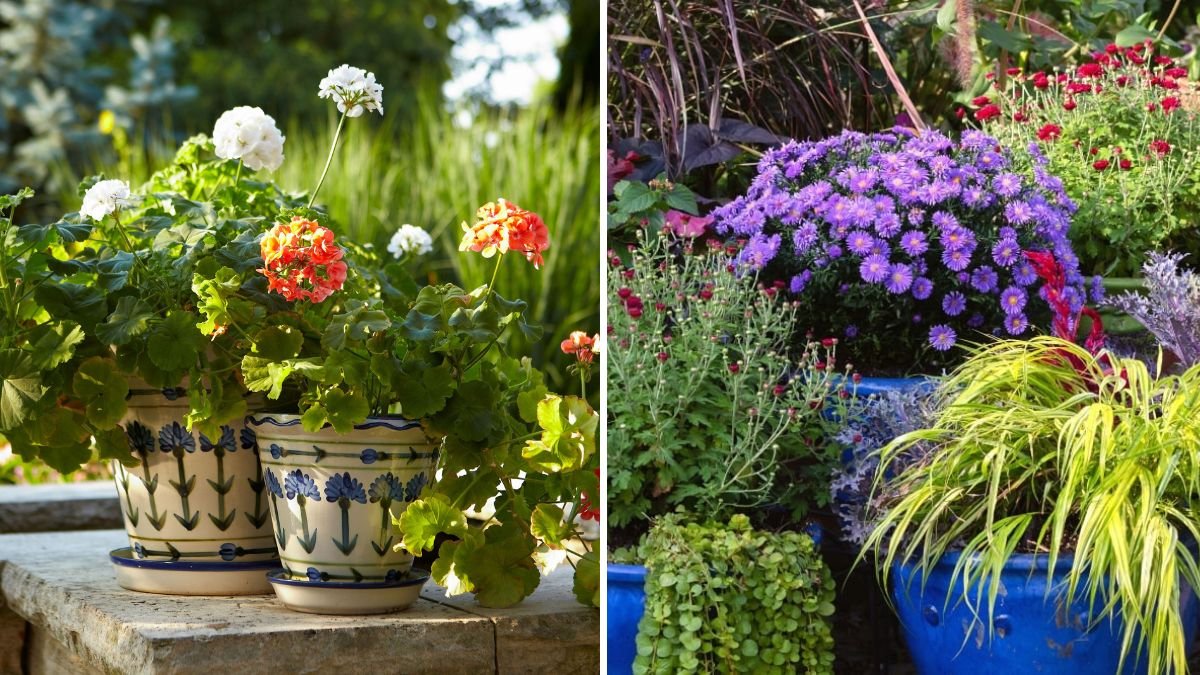
As temperatures drop and the days grow shorter, container plants face one of their greatest challenges: surviving the winter. Unlike in-ground plants, container plants are more exposed to cold, wind, and fluctuating moisture levels, making them highly vulnerable to frost damage, root freezing, and other winter stresses. However, with proper planning and care, gardeners can successfully overwinter their container plants, ensuring healthy growth and vibrant blooms in the following season.
This guide provides practical, step-by-step strategies to protect container plants through winter, from choosing the right location to insulating roots, adjusting watering, and monitoring plant health.
1. Understand Your Plants’ Hardiness
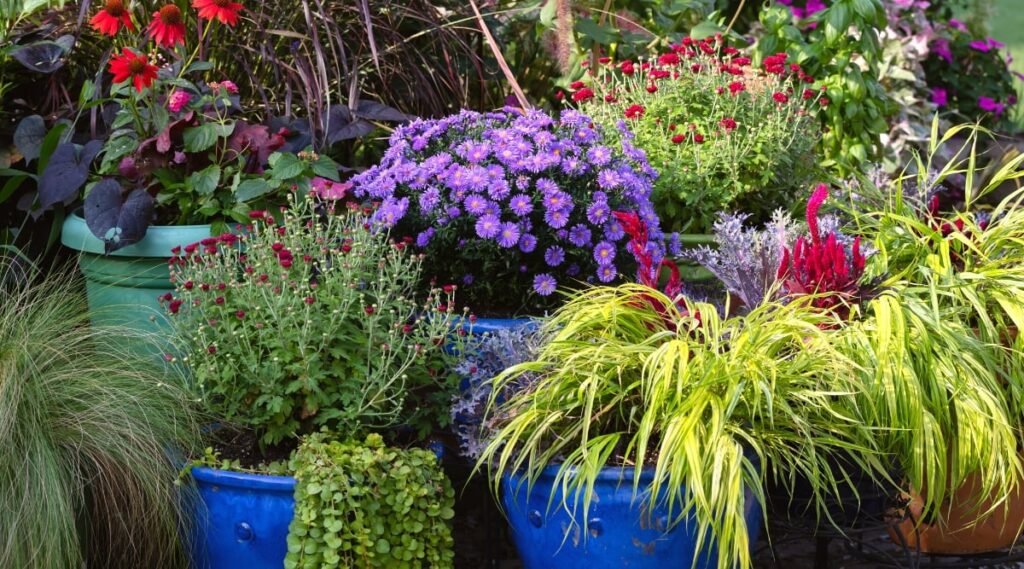
The first step in successful overwintering is understanding the cold tolerance of each plant:
- Tender perennials and tropical plants: Cannot survive frost and require indoor protection or heated spaces. Examples: Hibiscus, Bougainvillea, Fuchsias.
- Hardy perennials: Can survive mild winters but may benefit from insulation. Examples: Hostas, Heuchera, Lavender.
- Semi-hardy plants: Can tolerate light frost but need protection in extremely cold areas.
Benefits:
- Tailors overwintering strategies to each plant’s needs.
- Prevents unnecessary losses by providing proper protection for sensitive species.
Tip: Check your USDA hardiness zone or local climate guide to determine which plants need indoor protection versus outdoor insulation.
2. Choose the Right Location
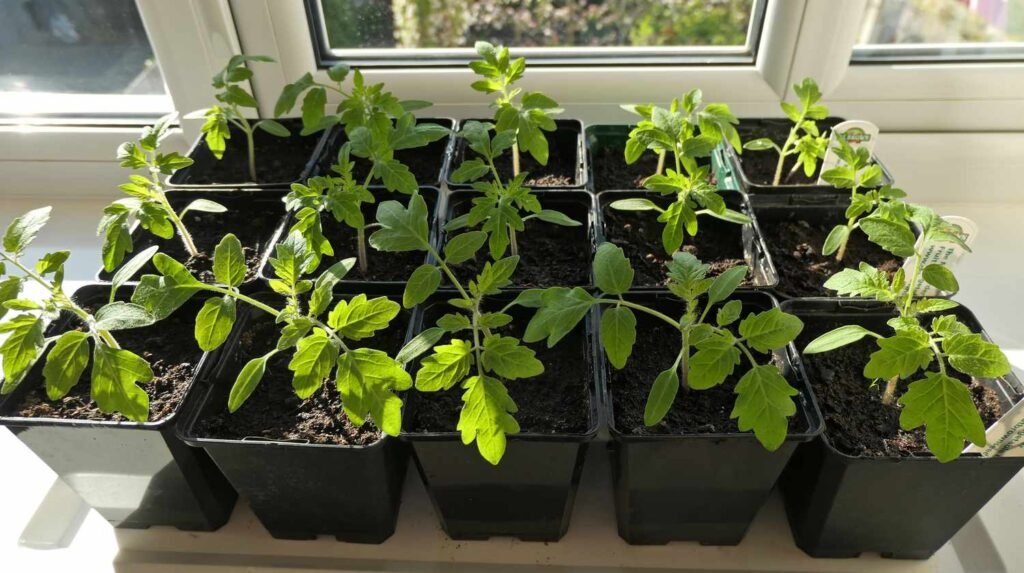
Where you place container plants for winter makes a significant difference in their survival.
Indoor Options:
- Bright, cool areas: Unheated sunrooms, garages with windows, or enclosed porches provide light without excessive warmth.
- Avoid warm indoor heat: High indoor temperatures can trigger early growth, making plants vulnerable to cold when returned outdoors.
Outdoor Options:
- Sheltered spots: Against walls, fences, or in corners to reduce exposure to wind and frost.
- South-facing areas: Receive maximum winter sunlight, warming containers and plants naturally.
- Group plants together: Creates a microclimate, retaining heat and humidity.
Benefits:
- Protects plants from frost, wind, and sudden temperature fluctuations.
- Helps maintain appropriate humidity levels for sensitive species.
- Reduces stress that can lead to disease or premature leaf drop.
Tip: If outdoor space is limited, consider temporarily moving plants under eaves or using protective coverings like frost cloths or cold frames.
3. Insulate Your Containers
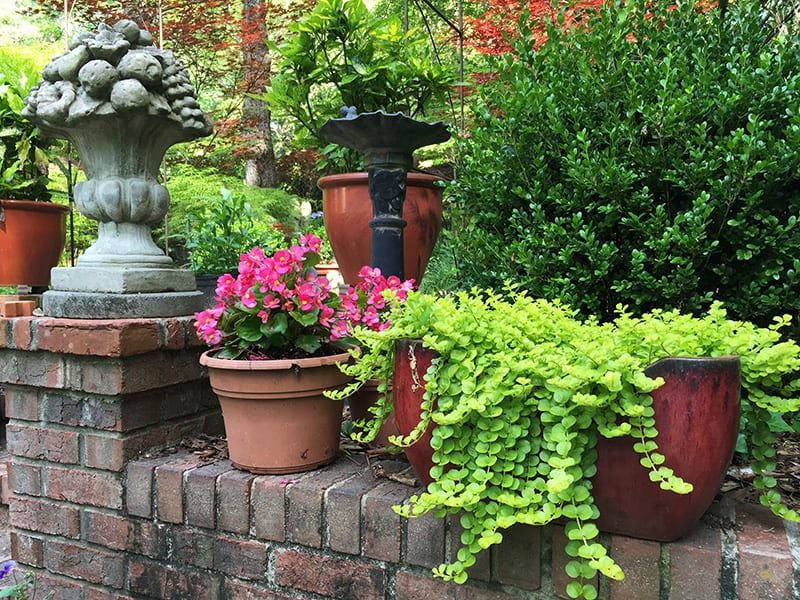
Container plants are more vulnerable in winter because roots are exposed to extreme cold. Proper insulation is key.
Insulation Techniques:
- Wrap pots: Use bubble wrap, burlap, or horticultural fleece around containers.
- Use double pots: Place a smaller pot inside a larger one with insulating material (straw, leaves, or Styrofoam) between them.
- Elevate pots: Place containers on bricks, wood, or pot feet to avoid direct contact with cold ground, which can freeze roots.
- Mulch top layer: Apply 2–3 inches of mulch over soil to protect root crowns.
Benefits:
- Reduces the risk of root freezing and soil heaving.
- Helps maintain a more stable temperature inside the pot.
- Protects tender roots from harsh winter winds.
Tip: Lighter-colored wraps reflect sunlight and prevent heat buildup, while darker wraps retain warmth in colder zones.
4. Adjust Watering and Fertilization
Winter watering requires a delicate balance. Overwatering can cause root rot, while underwatering can desiccate plants in dry, cold conditions.
Watering Guidelines:
- Check soil moisture regularly: Stick a finger 1–2 inches into the soil; water only when dry.
- Water in the morning: Allows excess water to evaporate and reduces the risk of frozen roots overnight.
- Avoid standing water: Ensure pots have proper drainage and remove saucers that trap water.
Fertilization Guidelines:
- Stop fertilizing tender plants: Fertilizing encourages new growth, which is vulnerable to cold damage.
- Optional for hardy perennials: Use minimal slow-release fertilizer to support roots without stimulating top growth.
Benefits:
- Maintains healthy hydration without promoting frost-sensitive growth.
- Reduces risk of fungal infections caused by excessive moisture.
- Ensures plants emerge strong and ready to resume growth in spring.
Tip: Use rainwater or room-temperature water to avoid shocking roots with cold tap water.
5. Prune and Clean Plants Before Winter
Pruning and cleaning container plants helps reduce disease and stress during winter dormancy.
Steps:
- Remove dead or damaged foliage: Prevents disease spread and reduces energy expenditure.
- Trim overly long or leggy stems: Helps plants maintain a compact shape and reduces breakage.
- Check for pests: Inspect leaves, stems, and soil for insects or eggs; treat infestations before moving plants indoors.
Benefits:
- Prevents fungal infections and pest infestations from surviving winter indoors.
- Reduces the plant’s energy requirements during dormancy.
- Promotes a healthier, more vigorous spring growth.
Tip: Avoid heavy pruning of flowering perennials that bloom early in spring, as this may remove flower buds.
6. Monitor Temperature and Light Conditions
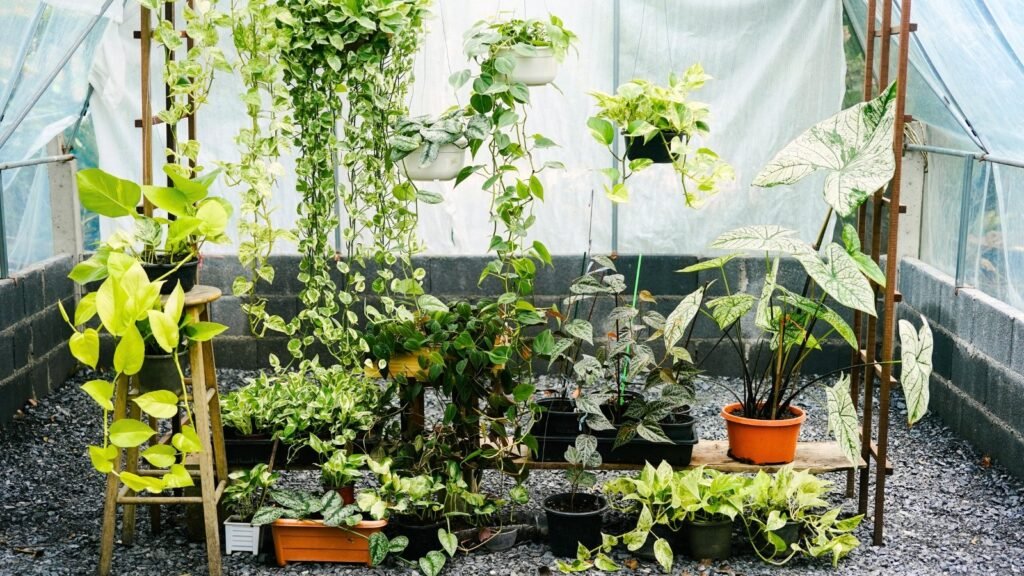
Maintaining the right environmental conditions is crucial for overwintering success.
Temperature Guidelines:
- Tropical plants: Keep in a frost-free space, ideally 55–65°F (13–18°C).
- Hardy perennials: Can tolerate colder temperatures but avoid prolonged exposure below their tolerance level.
Light Guidelines:
- Provide indirect sunlight: A south-facing window or bright porch ensures adequate light for photosynthesis.
- Supplement with grow lights: If natural light is insufficient, use LED or fluorescent grow lights 8–10 hours a day.
Benefits:
- Prevents plants from stretching or weakening due to low light.
- Minimizes frost damage and winter stress.
- Supports slow, steady growth without triggering premature flowering.
Tip: Rotate pots periodically to ensure even light exposure and prevent lopsided growth.
7. Special Considerations for Tropical and Tender Plants
Tropical plants require extra care during winter because they cannot tolerate freezing temperatures:
- Move indoors before first frost: Avoid waiting until frost appears; even a light freeze can kill tender plants.
- Maintain humidity: Use pebble trays, humidity trays, or room humidifiers to prevent dry indoor air from desiccating leaves.
- Reduce water and avoid fertilization: Tropical plants enter a semi-dormant state; overwatering can cause root rot.
Tip: Consider temporary microclimates like a greenhouse, sunroom, or cold frame for sensitive plants if indoor space is limited.
8. Benefits of Proper Overwintering
Overwintering container plants properly has multiple advantages:
- Preserves valuable plants: Protects rare, expensive, or sentimental plants from winter loss.
- Reduces replanting costs: Healthy overwintered plants can be reused year after year.
- Ensures early spring growth: Plants resume growth quickly when conditions improve.
- Supports garden continuity: Maintains garden structure and aesthetic without gaps in early spring.
- Improves overall plant health: Proper care reduces stress, disease risk, and pest problems.
By investing a few hours in winter preparation, gardeners can ensure that container plants emerge vigorous and ready for the growing season.
9. Common Mistakes to Avoid
- Neglecting root insulation: Exposed roots freeze quickly, killing plants.
- Overwatering: Leads to root rot in cold, poorly drained soil.
- Over-fertilizing: Encourages tender new growth vulnerable to frost.
- Placing plants in poorly lit areas: Causes legginess and weak growth.
- Ignoring pests: Insects and eggs can survive winter indoors if not removed.
Tip: Prevent problems by combining proper location, insulation, watering, and monitoring routines.
10. Conclusion
Overwintering container plants is both art and science. By understanding plant hardiness, providing proper shelter, insulating roots, adjusting watering and fertilization, pruning and cleaning, and monitoring light and temperature, gardeners can protect their plants from winter stress and enjoy a thriving spring garden.
These strategies ensure that your container plants—whether tropical, tender, or hardy perennials—survive cold months without loss, saving money, time, and effort. Winter may be harsh, but with careful preparation, your container plants can emerge in spring healthy, vibrant, and ready to grow, extending the beauty and productivity of your garden year-round.
By following these steps, gardeners can confidently overwinter their plants, knowing that spring will bring a lush, thriving garden filled with healthy foliage, flowers, and fresh produce. Proper overwintering is not just a seasonal task—it is an investment in the long-term health and success of your garden.