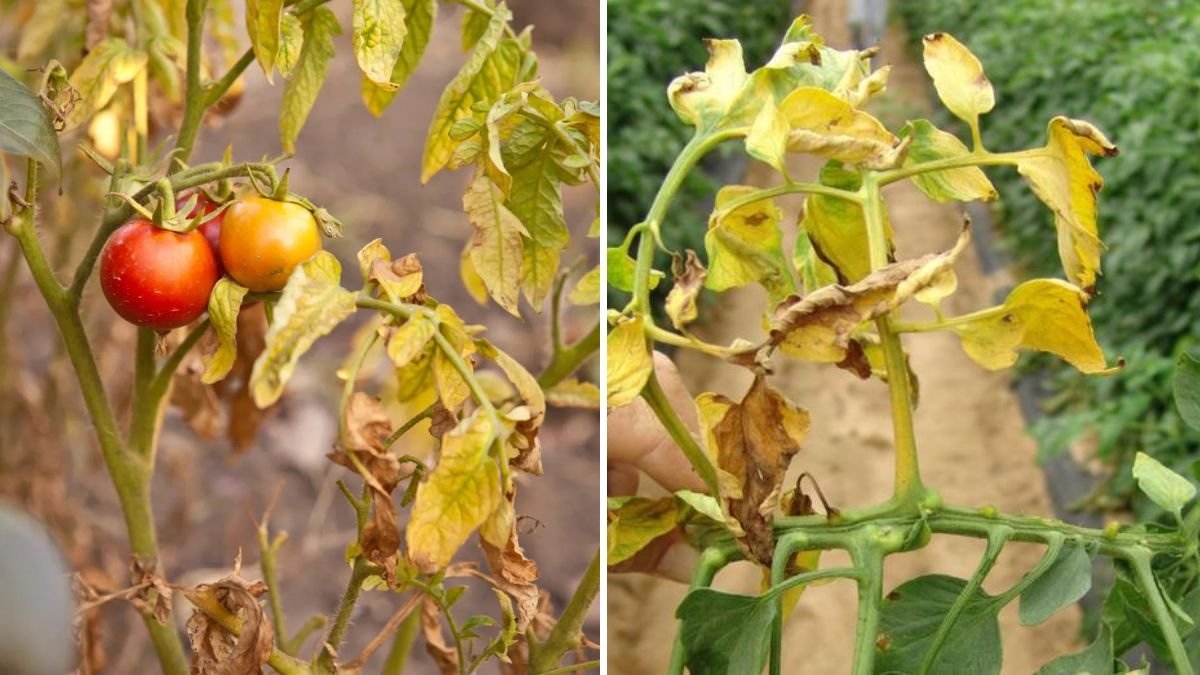
Tomatoes are one of the most beloved home garden crops, prized for their juicy fruits and vibrant flavor. Yet, one of the most common and frustrating problems gardeners face is yellowing leaves. Yellow leaves can signal a wide range of issues, from minor nutrient deficiencies to serious diseases. Understanding why your tomato leaves are turning yellow and how to address the underlying cause is essential for maintaining healthy, productive plants.
This guide explores the common reasons behind yellowing tomato leaves, how to identify the problem accurately, and the steps you can take to restore your plants’ health.
1. Nutrient Deficiencies
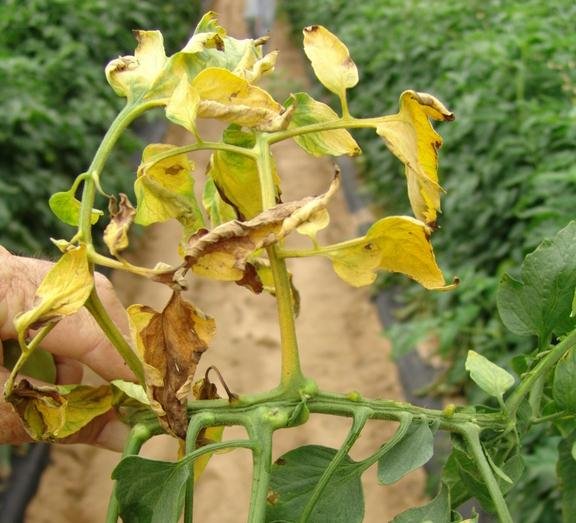
Nutrient deficiencies are one of the most common causes of yellow leaves in tomatoes. Each nutrient deficiency can display slightly different symptoms.
Nitrogen Deficiency
- Symptoms: Older leaves turn yellow first, often starting at the base of the plant. Growth may slow, and plants can appear pale.
- Cause: Nitrogen is a key element for leaf growth and photosynthesis.
- Solution: Apply a balanced fertilizer rich in nitrogen or use organic options like compost, blood meal, or fish emulsion.
Magnesium Deficiency
- Symptoms: Yellowing occurs between leaf veins (interveinal chlorosis), usually on older leaves. Leaves may curl or develop brown spots.
- Cause: Magnesium is essential for chlorophyll production.
- Solution: Apply Epsom salt (magnesium sulfate) to the soil or as a foliar spray.
Iron Deficiency
- Symptoms: New leaves at the top of the plant turn yellow while veins remain green (interveinal chlorosis).
- Cause: Iron is vital for photosynthesis.
- Solution: Use iron chelates in soil or foliar sprays to correct deficiencies.
Tip: Always test soil before applying fertilizers to avoid over-application, which can harm plants.
2. Overwatering or Poor Drainage
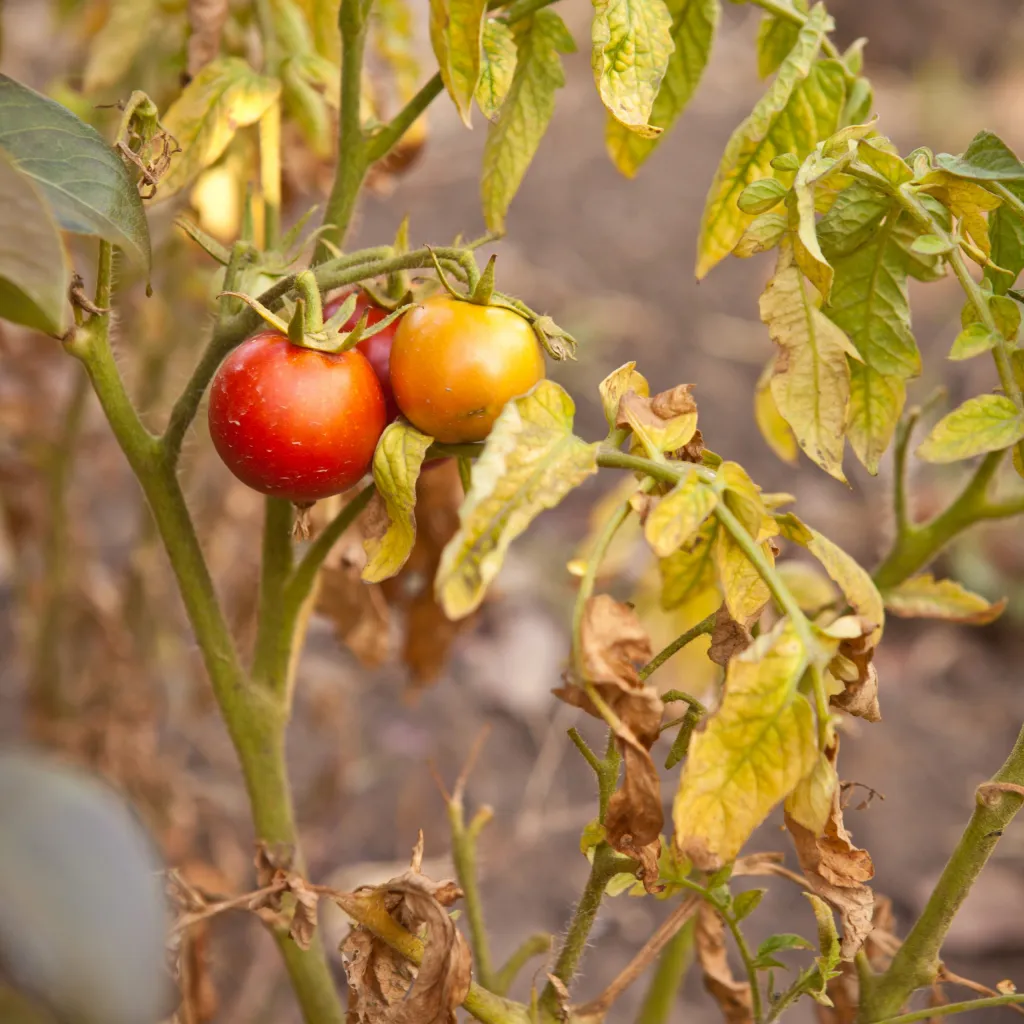
Excessive water or poor soil drainage can cause tomato leaves to turn yellow. Roots require oxygen to function, and waterlogged soil can suffocate them.
Symptoms of Overwatering:
- Lower leaves turn yellow first.
- Wilting despite moist soil.
- Root rot in severe cases.
Solutions:
- Ensure soil is well-draining; amend with compost or sand if necessary.
- Water deeply but allow soil to dry slightly between watering sessions.
- Use raised beds or containers to improve drainage.
Tip: Mulching helps regulate soil moisture while preventing waterlogging at the crown.
3. Underwatering or Drought Stress
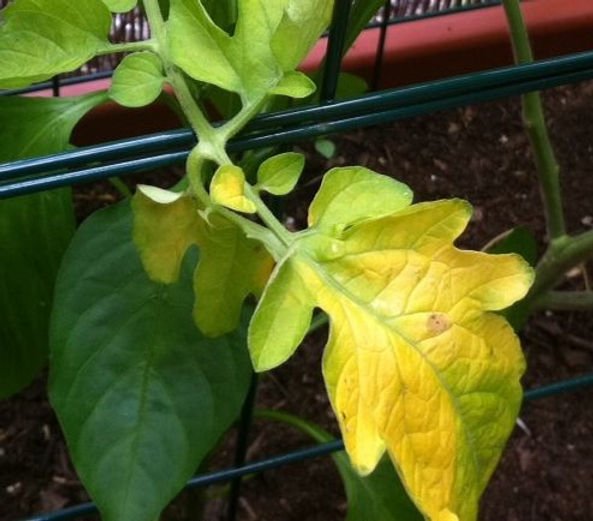
Conversely, insufficient water can also cause yellowing leaves. Tomatoes need consistent moisture to thrive.
Symptoms of Drought Stress:
- Yellowing of older leaves.
- Leaves may curl or develop crispy edges.
- Growth slows, and flowers may drop.
Solutions:
- Water consistently and deeply, aiming for 1–1.5 inches of water per week.
- Use mulch to retain soil moisture and reduce evaporation.
- Avoid watering only at the soil surface; ensure water reaches the root zone.
Tip: Early morning watering is best to reduce evaporation and disease risk.
4. Pests and Insects
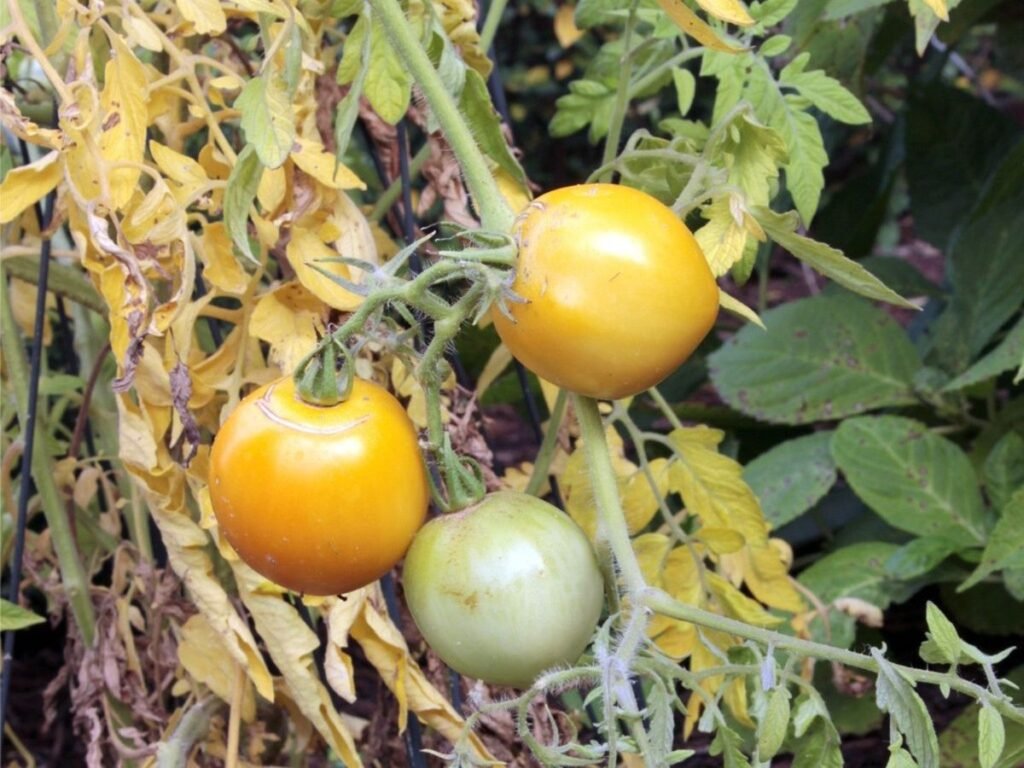
Insects can weaken tomato plants, leading to yellow leaves.
Common Culprits:
- Aphids: Small, soft-bodied insects that suck plant sap, causing yellowing and curling.
- Whiteflies: Tiny flying insects that feed on undersides of leaves, leaving them yellow and sticky.
- Spider Mites: Tiny mites that cause speckled yellowing, primarily on older leaves.
Solutions:
- Spray affected plants with insecticidal soap or neem oil.
- Introduce beneficial insects such as ladybugs or lacewings.
- Remove heavily infested leaves to prevent the spread.
Tip: Regularly inspect the undersides of leaves for early detection.
5. Diseases Causing Yellowing Leaves
Several diseases can manifest as yellow leaves, often with other symptoms.
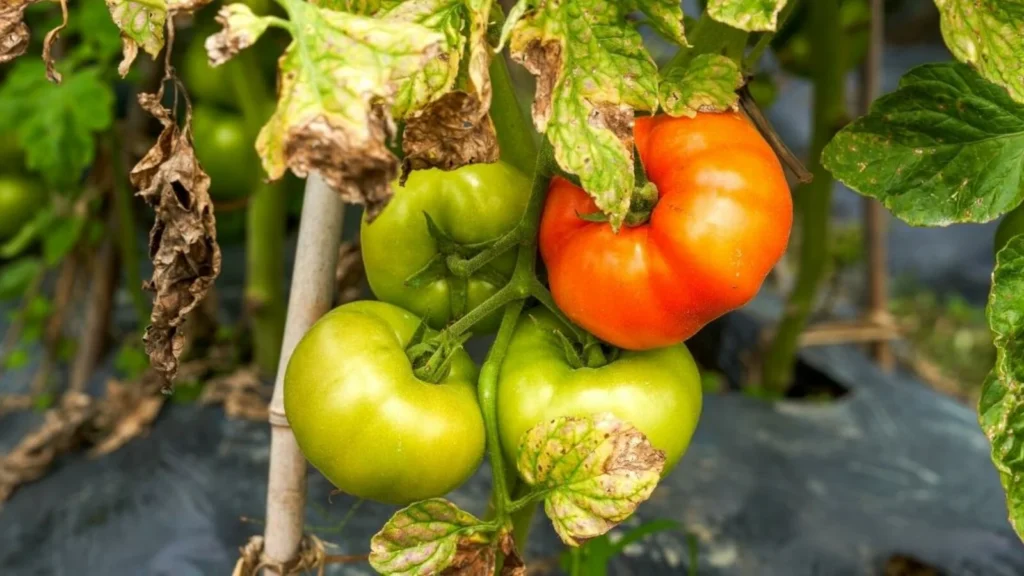
Fusarium Wilt
- Cause: Soil-borne fungus that enters through roots.
- Symptoms: Yellowing starts on lower leaves, progressing upward. Stems may show brown streaks.
- Management: Remove and destroy infected plants. Rotate crops and use resistant tomato varieties.
Verticillium Wilt
- Cause: Another soil-borne fungus affecting vascular system.
- Symptoms: Yellowing of older leaves, often with brown veins or leaf margins.
- Management: Rotate crops and avoid planting tomatoes in the same location for at least 3 years.
Early Blight
- Cause: Fungal disease.
- Symptoms: Yellowing leaves with brown spots with concentric rings, usually lower leaves first.
- Management: Remove infected leaves, apply fungicides, and practice good spacing for air circulation.
Tip: Disease-resistant varieties are the best long-term solution.
6. Environmental Stress
Environmental conditions like temperature extremes, insufficient sunlight, or wind can stress tomato plants and cause yellow leaves.
Causes and Symptoms:
- Excessive heat: Yellowing leaves may wilt or curl; flowers may drop.
- Insufficient sunlight: Leaves turn pale yellow due to reduced photosynthesis.
- Wind or physical damage: Broken leaves and stems lead to stress-related yellowing.
Solutions:
- Provide shade during extreme heat with shade cloths.
- Ensure plants receive at least 6–8 hours of direct sunlight daily.
- Protect plants from strong winds using barriers or cages.
Tip: Stress from sudden environmental changes can make plants more susceptible to pests and diseases.
7. Improper Fertilization
Incorrect fertilization can also lead to yellow leaves.
Overfertilization:
- Excess nitrogen can cause lush green foliage but reduced fruiting and eventually yellowing from nutrient imbalance.
Underfertilization:
- Lack of essential nutrients like potassium or magnesium can lead to leaf yellowing and weak growth.
Solutions:
- Use a balanced fertilizer suitable for tomatoes (for example, 10-10-10).
- Apply fertilizers according to soil test results and package directions.
- Consider organic options like compost, seaweed extract, or fish emulsion for gradual nutrient release.
Tip: Fertilize in early morning or late afternoon to prevent burning roots during hot sun.
Identifying the Cause: Step-by-Step
To effectively address yellowing leaves:
- Check soil moisture to determine if overwatering or drought is the cause.
- Inspect leaves for pests, spots, or other damage.
- Consider plant age: Lower leaves naturally yellow as plants mature.
- Examine growing conditions: Ensure adequate sunlight, drainage, and proper spacing.
- Test soil nutrients to detect deficiencies or imbalances.
Tip: Yellowing limited to older leaves is often normal, while widespread yellowing indicates a problem.
Preventive Measures for Healthy Tomato Leaves
- Proper watering: Water deeply and consistently.
- Balanced fertilization: Follow a nutrient schedule suitable for tomatoes.
- Crop rotation: Reduce disease risks by changing planting locations yearly.
- Pest monitoring: Inspect plants regularly and act early.
- Mulching: Helps maintain soil moisture and reduce temperature fluctuations.
- Pruning and staking: Improves air circulation and reduces disease risk.
Tip: A healthy tomato plant requires attention to soil, water, nutrition, and environmental factors to prevent yellowing leaves.
Conclusion
Yellowing tomato leaves are a common but manageable problem in home gardens. The causes can range from nutrient deficiencies, overwatering, or underwatering, to pests, diseases, and environmental stress. Identifying the root cause requires careful observation of leaf patterns, soil conditions, and plant environment.
By adopting proper watering techniques, balanced fertilization, disease prevention, pest management, and environmental adjustments, gardeners can maintain healthy, productive tomato plants year after year. Yellow leaves are not always a death sentence—they are a signal from your plant. By responding appropriately, you can restore vitality and enjoy a bountiful harvest of flavorful tomatoes for seasons to come.
Tip: Keeping a garden journal of watering schedules, fertilization, and environmental conditions helps track issues and prevent future yellowing.