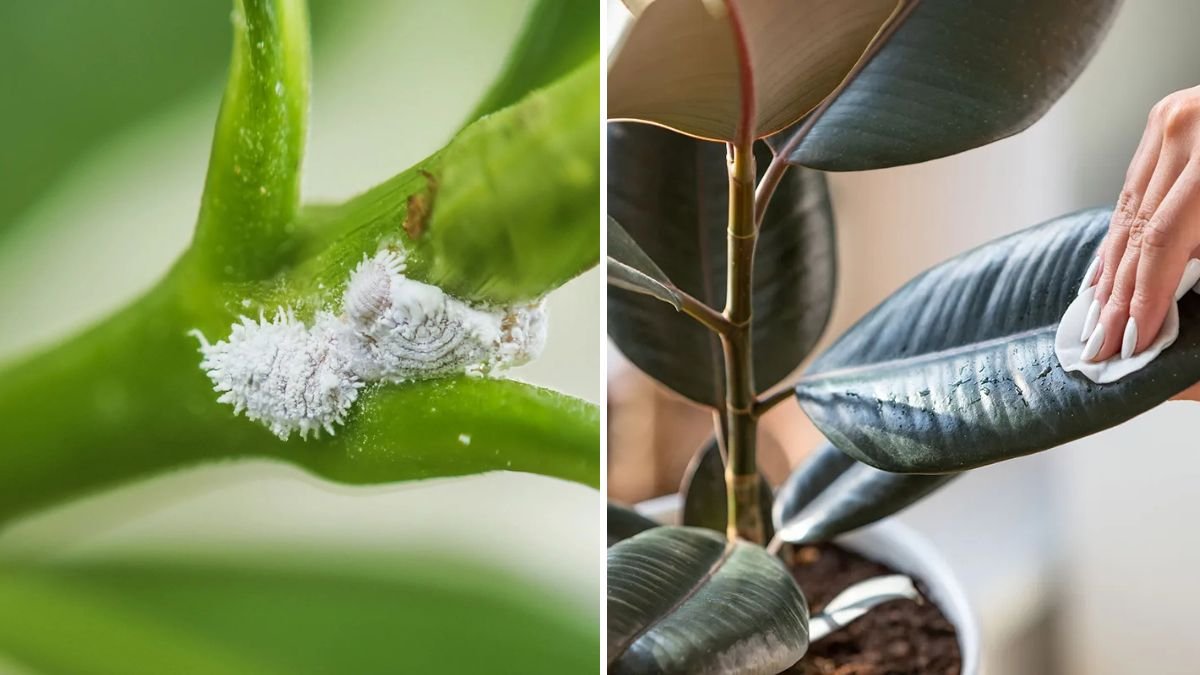
Houseplants can transform any indoor space into a lush, calming environment. However, even indoor plants are not immune to pests. Tiny insects or mites can infest leaves, stems, or roots, causing stunted growth, yellowing foliage, or even plant death if left unchecked. Recognizing common houseplant pests and knowing how to eliminate them naturally or safely is essential for maintaining a healthy indoor garden.
This guide explores eight common houseplant pests, their signs, and the most effective ways to control them.
1. Aphids
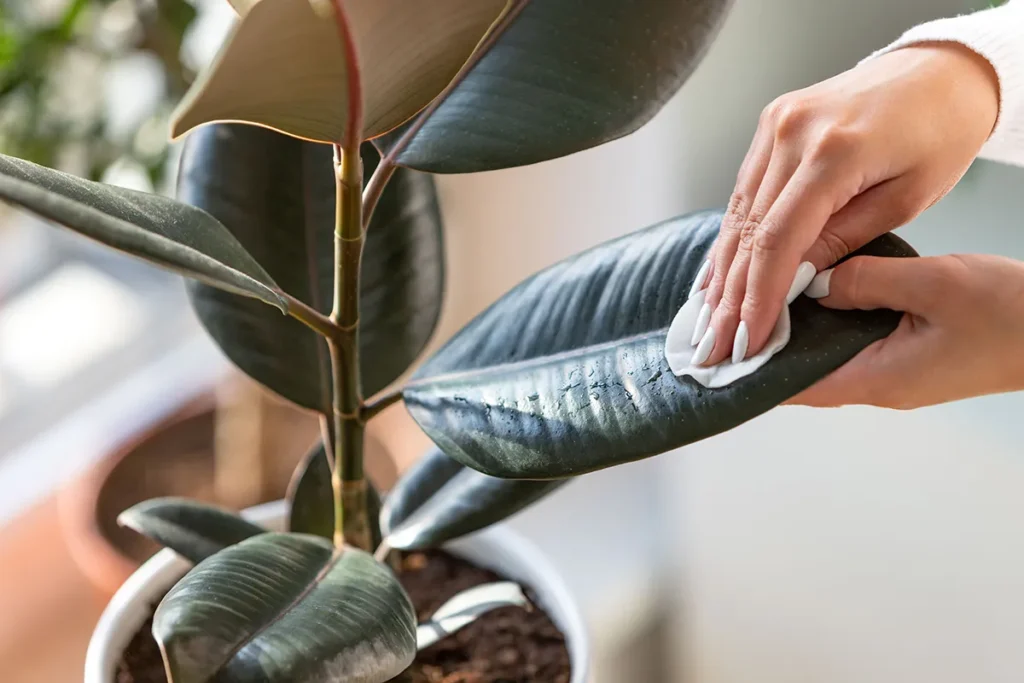
Aphids are soft-bodied insects that feed on plant sap, causing leaves to curl, yellow, or distort.
Signs of Aphid Infestation:
- Clusters of tiny green, black, or red insects on new growth.
- Sticky honeydew on leaves or nearby surfaces.
- Presence of ants feeding on the honeydew.
How to Eliminate Aphids:
- Spray with water to dislodge them from leaves.
- Use insecticidal soap or neem oil.
- Introduce beneficial insects like ladybugs for outdoor plants moved indoors temporarily.
- Regularly prune heavily infested leaves.
Tip: Aphids multiply quickly; early detection prevents widespread damage.
2. Spider Mites
Spider mites are tiny arachnids that thrive in dry conditions, often creating fine webs on leaves.
Signs of Spider Mites:
- Speckled or yellowing leaves.
- Tiny webbing, especially on the undersides of leaves.
- Leaves may become dry, brittle, and fall prematurely.
How to Eliminate Spider Mites:
- Increase humidity around the plant by misting or using a humidity tray.
- Spray affected plants with water or neem oil.
- Wipe leaves with a damp cloth or diluted mild soap solution.
- Isolate infested plants to prevent mites from spreading.
Tip: Spider mites reproduce quickly in dry, warm indoor environments, so humidity control is critical.
3. Mealybugs
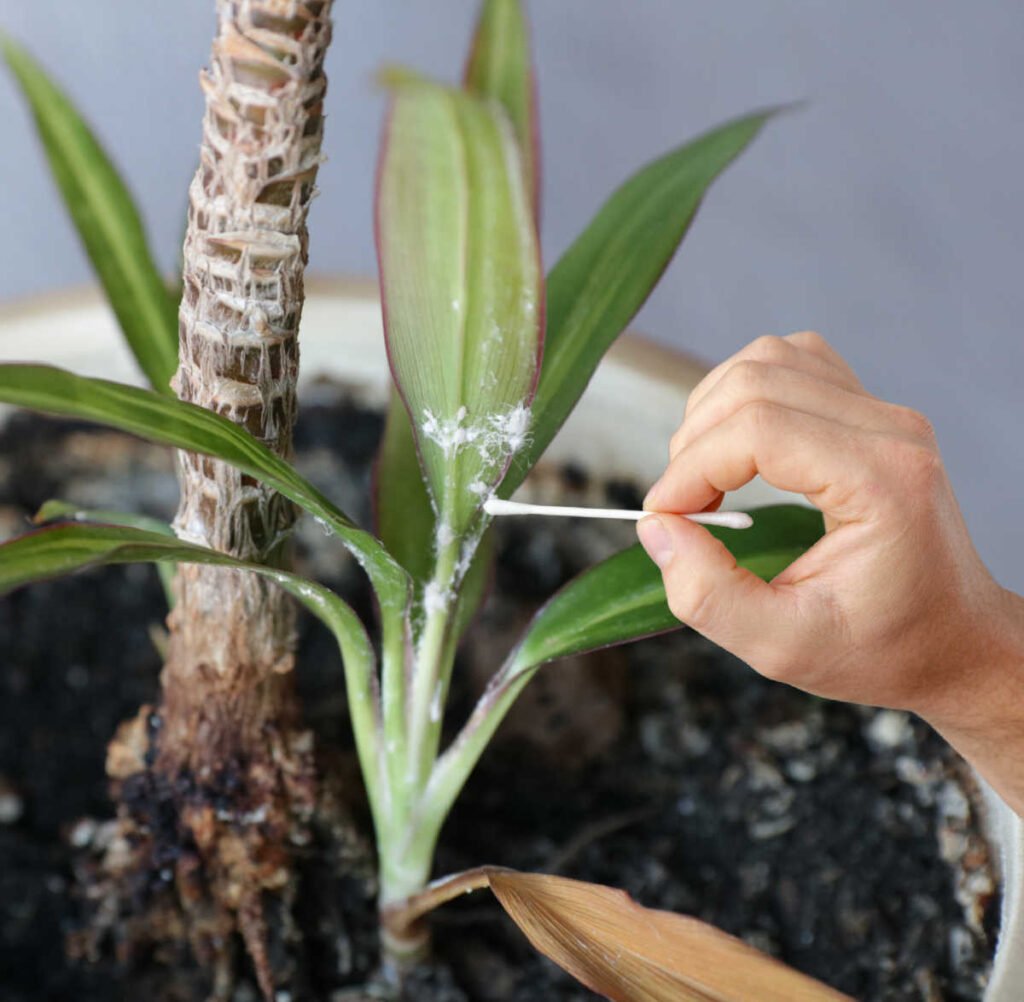
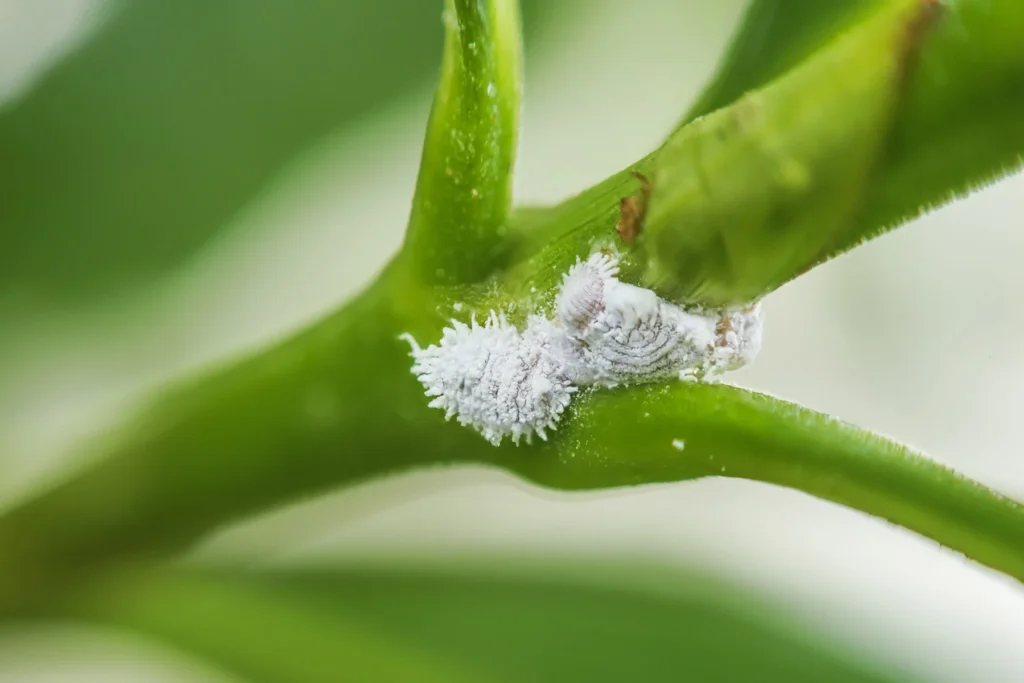
Mealybugs are small, white, cotton-like pests that suck sap from stems, leaves, and roots.
Signs of Mealybugs:
- White, fuzzy patches on stems or leaf joints.
- Sticky residue on leaves (honeydew).
- Stunted growth or leaf drop in severe infestations.
How to Eliminate Mealybugs:
- Remove visible mealybugs with a cotton swab dipped in rubbing alcohol.
- Spray affected plants with insecticidal soap or neem oil.
- Repeat treatments weekly until the infestation is gone.
- Quarantine new plants before introducing them indoors.
Tip: Mealybugs hide in leaf axils and crevices, so careful inspection is necessary.
4. Fungus Gnats
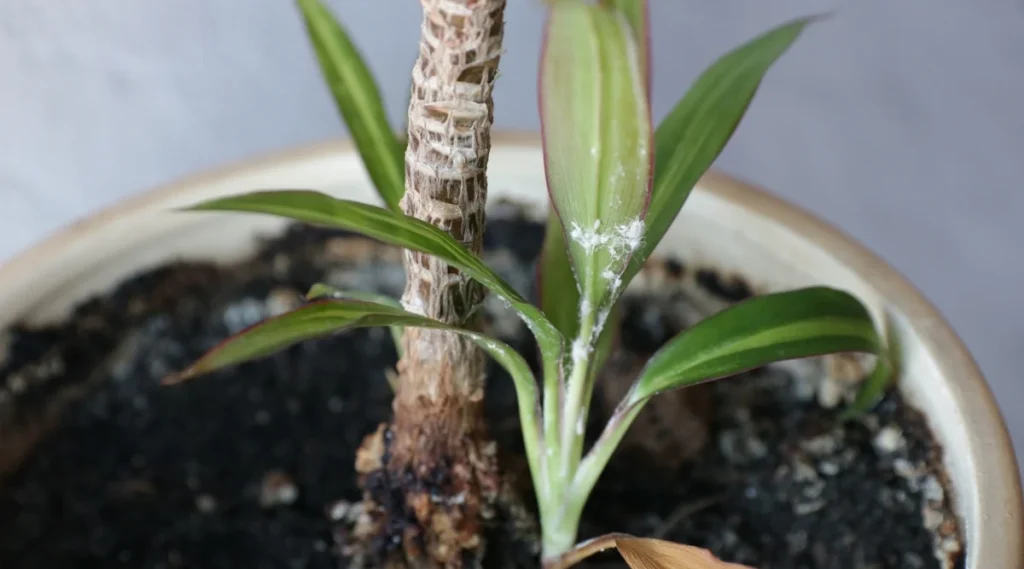
Fungus gnats are small, dark flies that thrive in damp soil and decaying organic matter.
Signs of Fungus Gnats:
- Tiny black flies hovering around soil.
- Larvae feeding on roots, causing weak, yellowing plants.
- Slow growth or wilting.
How to Eliminate Fungus Gnats:
- Allow soil to dry between waterings.
- Use sticky traps to catch adult gnats.
- Apply beneficial nematodes or Bacillus thuringiensis (Bt) to the soil to target larvae.
- Remove decaying plant material from the soil surface.
Tip: Overwatering is the main cause; proper watering habits prevent recurrence.
5. Scale Insects
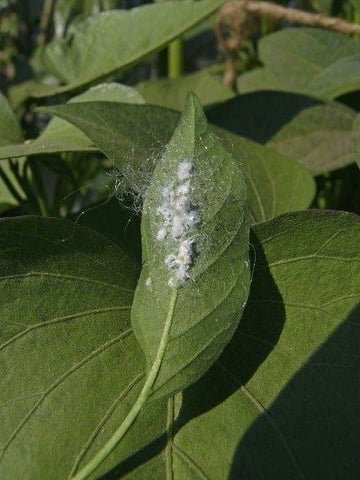
Scale insects appear as small, round, or oval bumps on stems and leaves, often mistaken for part of the plant.
Signs of Scale Infestation:
- Hard, shell-like bumps on stems or leaf undersides.
- Sticky honeydew or sooty mold on leaves.
- Leaf yellowing or drop in severe cases.
How to Eliminate Scale Insects:
- Scrape off visible scales with a soft brush or cotton swab dipped in alcohol.
- Apply insecticidal soap or neem oil to affected areas.
- Isolate infested plants to prevent spreading.
- Repeat treatments every 7–10 days until gone.
Tip: Scale insects can survive in hard shells, so persistence is key.
6. Thrips
Thrips are tiny, slender insects that feed on leaves and flowers, causing silvery streaks, distorted growth, or black specks of excrement.
Signs of Thrips Infestation:
- Silvery or bronze discoloration on leaves.
- Distorted flowers or leaves.
- Small black dots (thrips’ droppings) on foliage.
How to Eliminate Thrips:
- Wash affected plants thoroughly with water or mild soap solution.
- Apply neem oil or insecticidal soap.
- Use blue sticky traps to catch flying adults.
- Remove heavily infested flowers or leaves to reduce population.
Tip: Thrips are often introduced through new plants, so always inspect before bringing them inside.
7. Whiteflies
Whiteflies are tiny, white-winged insects that fly up when plants are disturbed.
Signs of Whitefly Infestation:
- Small white insects flying off when leaves are tapped.
- Sticky honeydew or sooty mold on leaves.
- Yellowing or wilting foliage.
How to Eliminate Whiteflies:
- Use yellow sticky traps to catch adults.
- Spray plants with insecticidal soap or neem oil.
- Regularly wipe leaves with a damp cloth to remove eggs.
- Introduce natural predators like Encarsia formosa, a parasitic wasp (for greenhouse setups).
Tip: Keep plants isolated during an infestation to prevent whiteflies from spreading.
8. Root Aphids
Root aphids are similar to regular aphids but attack roots, causing poor growth, yellowing leaves, and stunted plants.
Signs of Root Aphids:
- Wilting or yellowing despite proper watering.
- Stunted or weak growth.
- White or brown nymphs visible in the soil around roots.
How to Eliminate Root Aphids:
- Remove the plant from the pot and inspect roots.
- Wash roots thoroughly with water to remove pests.
- Repot the plant in fresh, sterile soil.
- Apply insecticidal soap or neem oil to soil if infestation persists.
Tip: Root aphids are harder to detect, so periodic root checks are recommended for vulnerable plants.
Preventive Measures for a Pest-Free Indoor Garden
- Quarantine New Plants: Keep new plants separate for 2–3 weeks to prevent introducing pests.
- Inspect Plants Regularly: Early detection allows for quick treatment.
- Maintain Cleanliness: Remove dead leaves, debris, and dust from plants.
- Avoid Overwatering: Many pests, like fungus gnats, thrive in damp soil.
- Encourage Beneficial Insects: Some indoor setups can support predatory mites or ladybugs.
- Rotate Plants Occasionally: Moving plants to new positions can disrupt pest life cycles.
Tip: Healthy, stress-free plants are less susceptible to pest infestations.
Conclusion
Houseplant pests can be challenging, but most infestations are manageable without chemical pesticides. Understanding the eight common pests—aphids, spider mites, mealybugs, fungus gnats, scale insects, thrips, whiteflies, and root aphids—is the first step toward effective control.
By combining early detection, natural sprays, beneficial insects, hygiene practices, and proper plant care, you can maintain a healthy, thriving indoor garden without harming the environment. Remember, a little vigilance goes a long way in preventing pests from taking over.
Tip: Creating a pest-monitoring routine and combining multiple natural strategies ensures your houseplants stay strong, vibrant, and pest-free year-round.