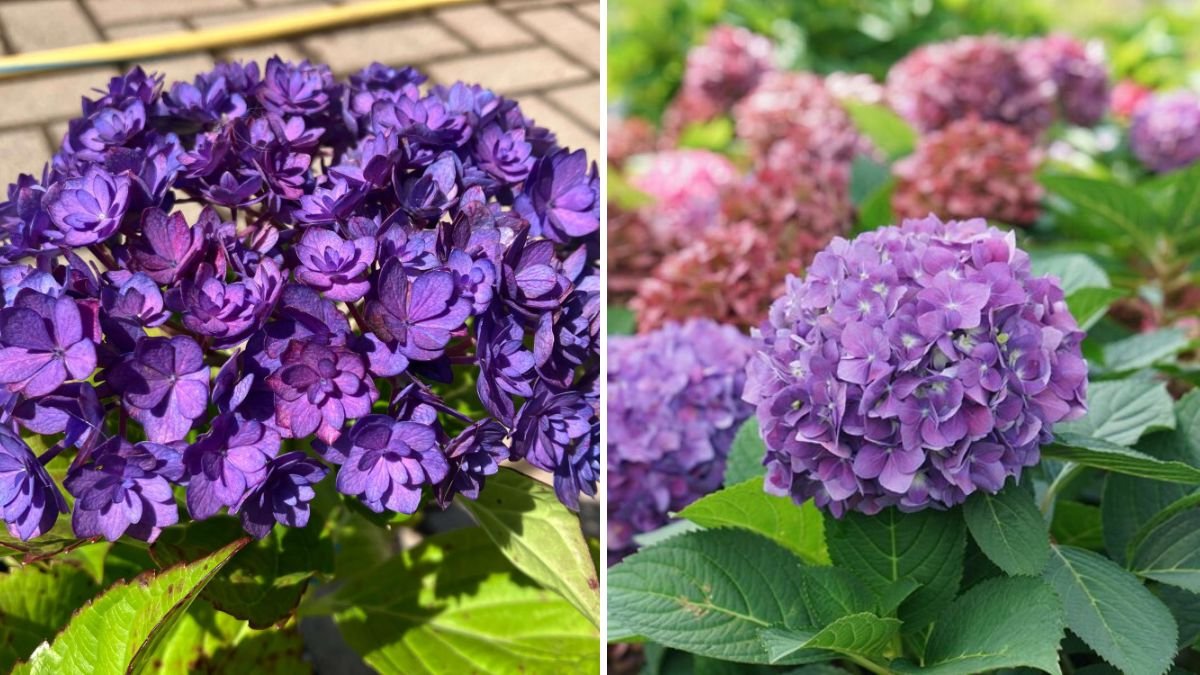
Hydrangeas are a favorite among gardeners for their lush foliage and spectacular clusters of blooms. But many gardeners face the frustrating problem of hydrangeas producing little to no flowers, despite looking healthy. Understanding the reasons why hydrangeas fail to bloom—and taking the right corrective measures—can restore your garden to a vibrant, flowering paradise.
This guide explores common causes of non-blooming hydrangeas and provides practical solutions to encourage healthy, abundant flowers.
1. Pruning at the Wrong Time
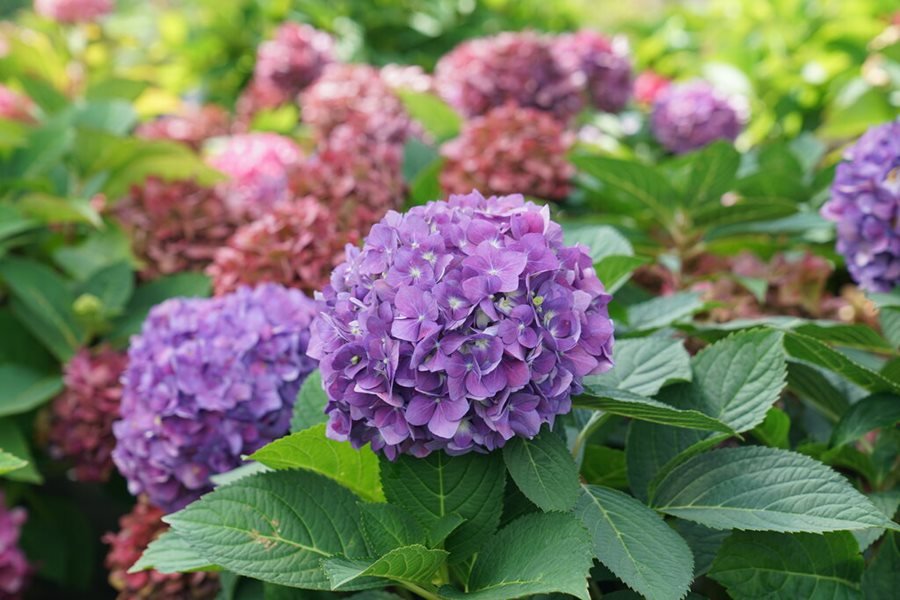
Pruning hydrangeas incorrectly is one of the most frequent causes of missing blooms.
Why Timing Matters:
- Some hydrangea varieties, like Bigleaf (Hydrangea macrophylla) and Oakleaf (Hydrangea quercifolia), bloom on old wood, meaning the buds for next season develop on the previous year’s growth.
- Pruning these plants too late in the season can remove flower buds, preventing blooms.
How to Fix It:
- Identify your hydrangea type before pruning.
- Bigleaf and Oakleaf: Prune immediately after flowering or in early spring before new buds develop.
- Panicle (Hydrangea paniculata) and Smooth (Hydrangea arborescens): Bloom on new wood, so they can be pruned in late winter or early spring without affecting flowers.
Tip: When in doubt, wait until after flowering to prune old wood types to protect buds.
2. Too Much Nitrogen Fertilizer
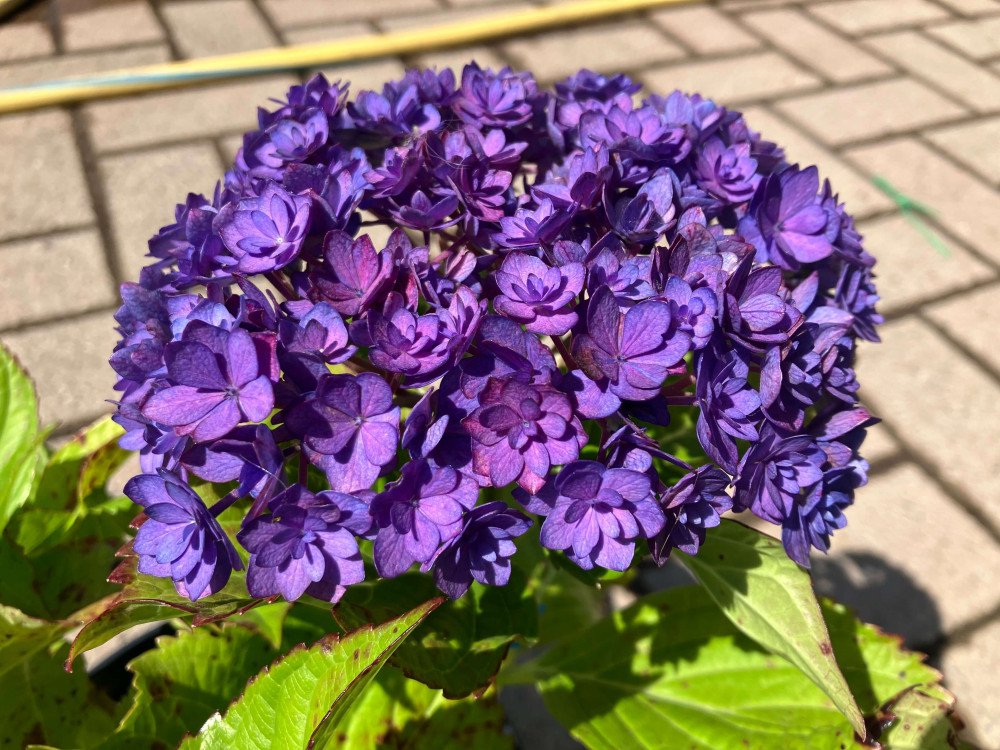
While nitrogen promotes lush green growth, excess nitrogen can discourage flower formation.
Why It Happens:
- Nitrogen encourages leafy growth at the expense of blooms.
- Plants may appear healthy and full but fail to produce flowers.
How to Fix It:
- Use fertilizers with a balanced or low-nitrogen formula, such as 10-10-10 or bloom-boosting fertilizers.
- Apply fertilizer in early spring before new growth emerges and again in mid-summer if needed.
- Avoid heavy late-season fertilization, which can interfere with bud formation for the next year.
Tip: Fertilizing for blooms is about balance—too much nitrogen is as detrimental as too little.
3. Inadequate Sunlight
Hydrangeas need the right amount of sunlight to produce their best blooms.
Light Requirements:
- Bigleaf and Oakleaf: Prefer morning sun with afternoon shade.
- Panicle and Smooth: Thrive in full sun to partial shade, often producing more blooms in sunnier locations.
How to Fix It:
- Ensure your hydrangeas receive at least 4–6 hours of sunlight daily.
- Avoid planting under large trees where dense shade can prevent flowering.
- If possible, relocate container-grown hydrangeas to sunnier spots in spring.
Tip: Too little light leads to weak, leafy growth with few or no flowers.
4. Frost Damage to Flower Buds
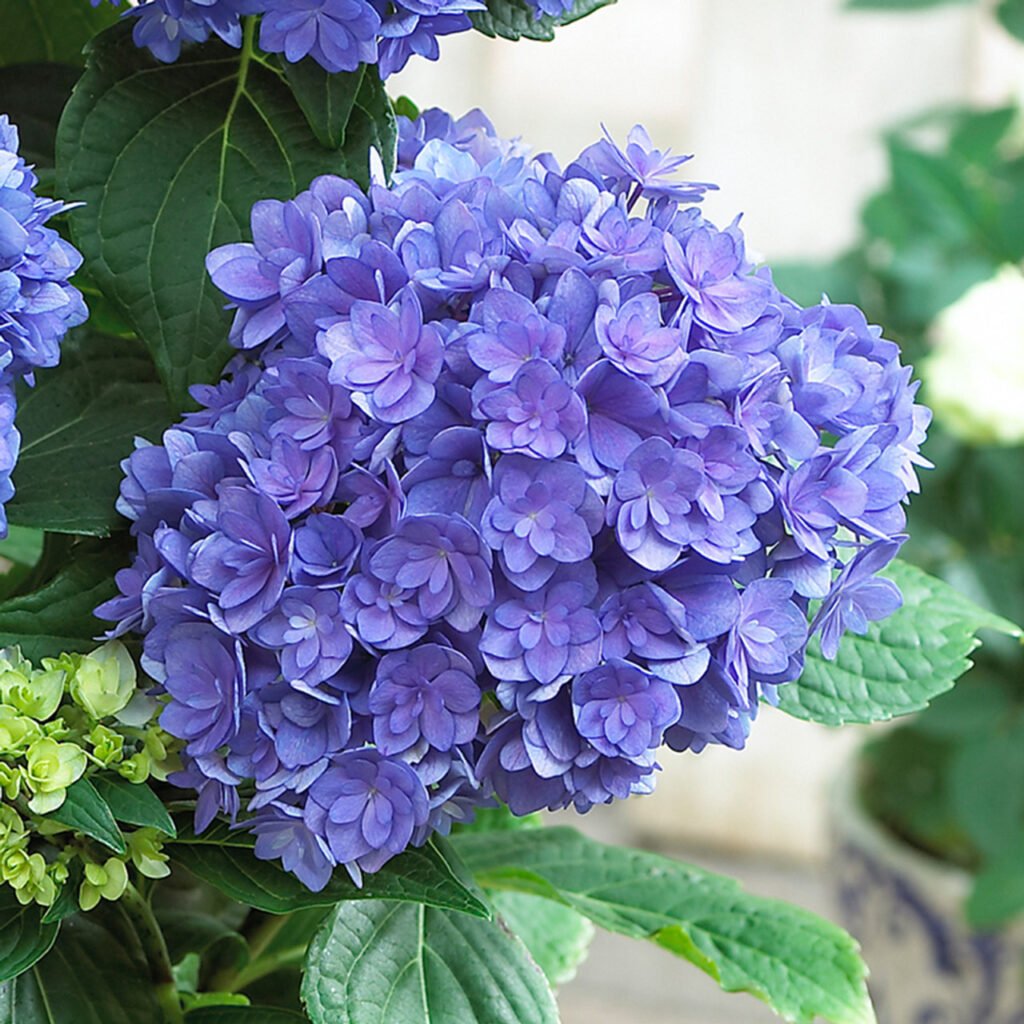
Early spring frosts can damage hydrangea flower buds, especially for varieties that bloom on old wood.
Signs of Frost Damage:
- Buds appear shriveled, brown, or black.
- Stems look healthy, but no flowers develop.
How to Fix It:
- Protect buds with frost cloths or burlap when late frosts are expected.
- For sensitive varieties, plant in sheltered locations such as near a wall or under a tree canopy.
- Avoid heavy pruning in late fall, which can expose dormant buds to frost.
Tip: Timing pruning and choosing frost-protected locations can prevent lost blooms.
5. Improper Soil Conditions
Hydrangeas are particular about soil pH and fertility, which can influence flowering.
Soil Issues:
- Soil that is too acidic or alkaline can affect bud development.
- Poor drainage or compacted soil can stress plants, reducing blooms.
How to Fix It:
- Hydrangeas prefer well-draining, slightly acidic to neutral soil (pH 5.5–6.5).
- Amend soil with organic matter like compost to improve structure and fertility.
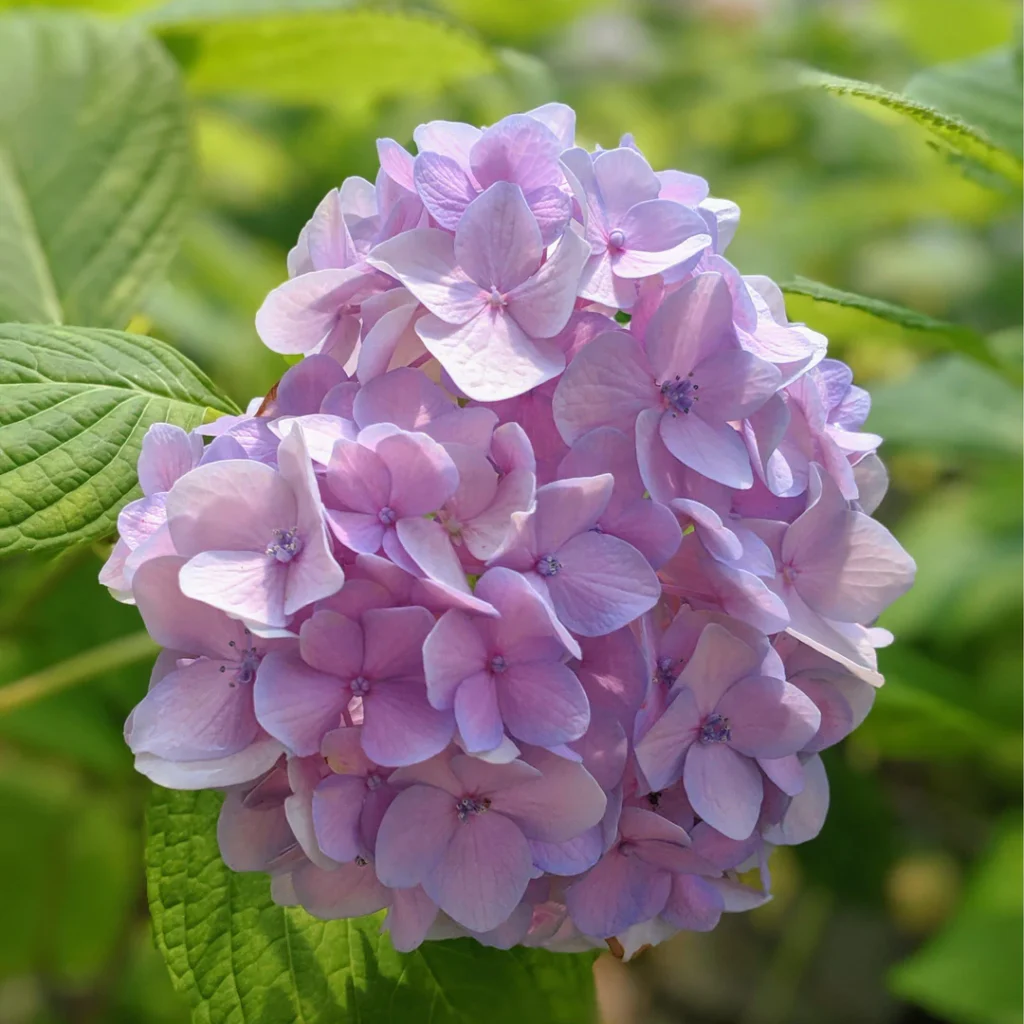
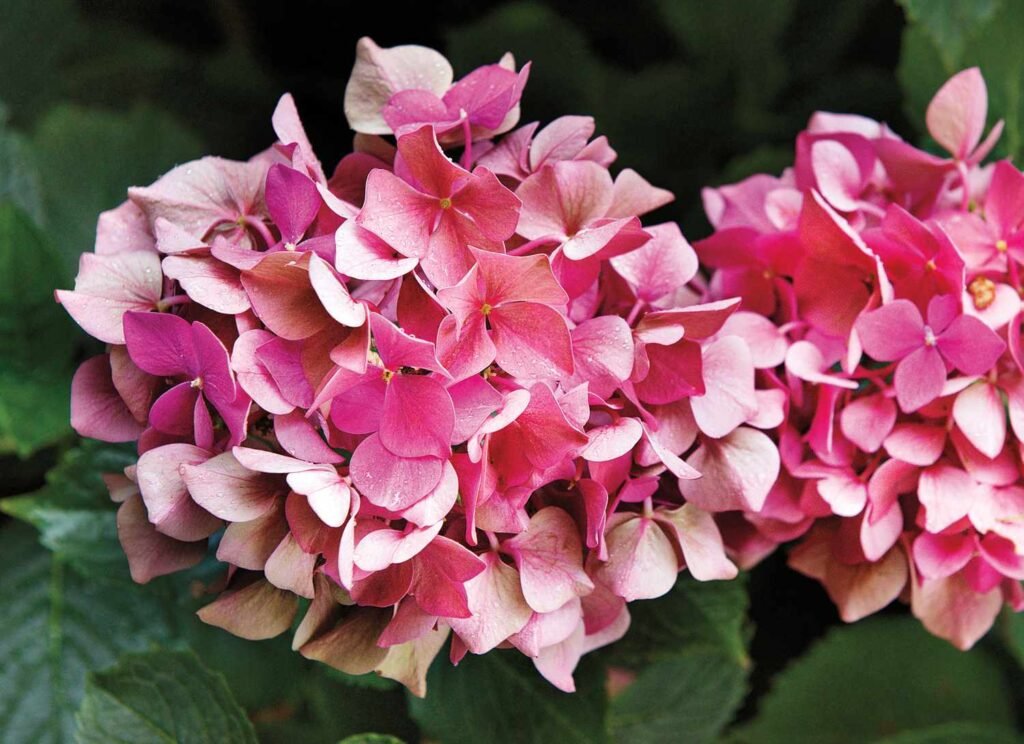
- For color-controllable Bigleaf hydrangeas, adjust soil pH carefully:
- Acidic (pH <6) for blue flowers.
- Neutral to slightly alkaline (pH 6–7) for pink flowers.
Tip: Healthy, well-drained soil supports both strong growth and abundant flowering.
6. Drought or Overwatering Stress
Hydrangeas are water-sensitive plants; both drought and waterlogging can reduce blooms.
Why Watering Matters:
- Drought stress causes buds to abort or fail to form.
- Overwatering leads to root rot, weakening the plant and reducing flowers.
How to Fix It:
- Water deeply 1–2 times per week, more often in hot or dry conditions.
- Mulch around the base to retain moisture and regulate soil temperature.
- Ensure pots or beds have adequate drainage to prevent waterlogged roots.
Tip: Consistent, balanced watering encourages healthy foliage and flower development.
7. Lack of Plant Maturity
Young hydrangeas may need time to establish before producing blooms.
Why It Happens:
- Some varieties take 2–3 years after planting to produce abundant flowers.
How to Fix It:
- Be patient with newly planted hydrangeas and focus on establishing strong roots and foliage.
- Provide optimal care: sunlight, water, and appropriate fertilizer.
- Avoid excessive pruning in the first few years.
Tip: A well-cared-for young hydrangea may surprise you with spectacular blooms once mature.
8. Pest and Disease Problems
Certain pests and diseases can interfere with flowering.
Common Culprits:
- Aphids, spider mites, or scale insects: Suck sap and damage buds.
- Botrytis blight or powdery mildew: Fungal infections reduce flower quality and longevity.
How to Fix It:
- Inspect plants regularly and remove pests manually or with natural sprays like neem oil or insecticidal soap.
- Treat fungal diseases with good air circulation, proper watering, and fungicide if necessary.
- Keep garden clean and remove infected plant parts promptly.
Tip: Healthy plants are more resilient to pests and produce more blooms.
Practical Tips to Encourage Blooming
- Mulch Wisely: A 2–3 inch layer of organic mulch conserves moisture and keeps roots cool.
- Fertilize Strategically: Use bloom-specific fertilizers with phosphorus to promote flower development.
- Pinch and Deadhead: Remove spent flowers to encourage new growth and potential rebloom.
- Winter Care: Protect buds from extreme cold with burlap or frost covers.
- Patience is Key: Some hydrangeas bloom later in the season; avoid premature pruning or fertilizing.
Tip: Combining proper care, correct pruning, and appropriate fertilization maximizes your hydrangeas’ flowering potential.
Conclusion
Hydrangeas are incredibly rewarding, but non-blooming plants can test a gardener’s patience. Common causes include incorrect pruning, excess nitrogen, poor sunlight, frost damage, improper soil, watering stress, plant immaturity, and pests or disease.
By identifying the specific problem and applying the appropriate corrective measures—timely pruning, balanced fertilization, proper watering, pest control, and patience—you can restore your hydrangeas to full bloom.
With consistent care and attention, even the most stubborn hydrangeas can produce vibrant, abundant flowers, transforming your garden into a colorful display year after year.
Tip: Understanding your specific hydrangea variety and adjusting care to its needs is the secret to a healthy, flowering garden.