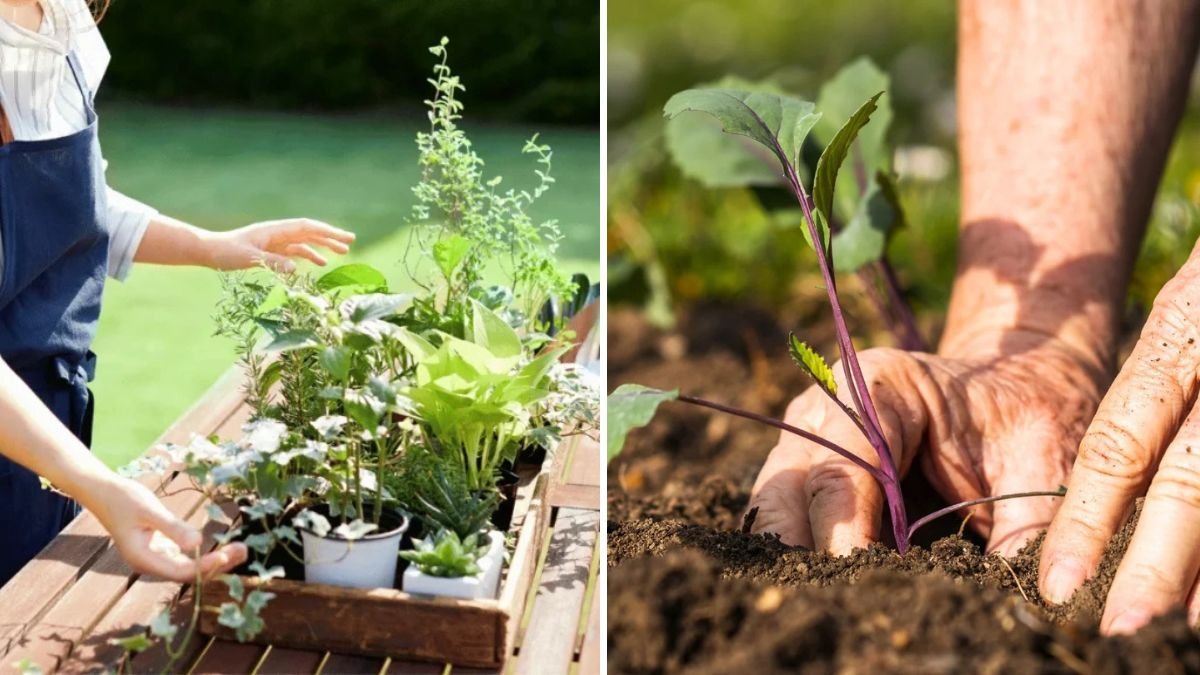
Gardening can be incredibly rewarding, offering fresh produce, vibrant flowers, and a peaceful retreat. However, beginners often face challenges that can limit their success. From overwatering to poor soil management, certain mistakes are surprisingly common—but easily avoidable with the right knowledge.
This guide explores seven common gardening mistakes beginners make, explains why they happen, and provides practical solutions to help you cultivate a thriving garden.
1. Overwatering Plants
Why It Happens:
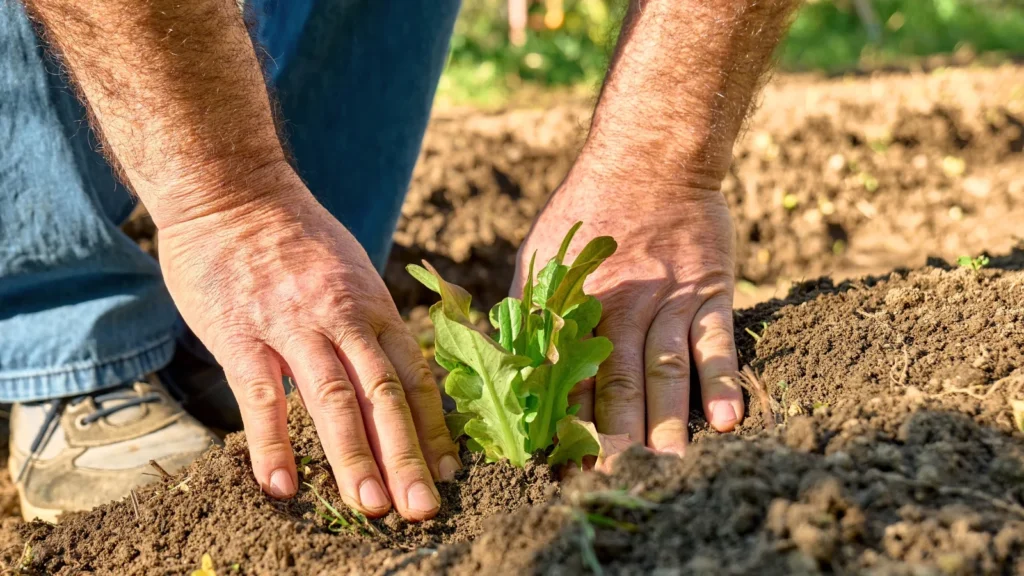
Many beginners assume plants need constant water to survive. While water is essential, too much can harm plants more than too little. Overwatering reduces oxygen in the soil, leading to root rot, fungal infections, and nutrient deficiencies.
How to Correct It:
- Check soil moisture before watering using your finger or a moisture meter.
- Water plants deeply but infrequently, allowing the top layer of soil to dry between watering sessions.
- Use mulch to retain moisture and reduce evaporation.
- Ensure proper drainage in containers and garden beds.
Tip: A drooping plant is not always thirsty—it could be overwatered. Always check the soil first.
2. Planting in Poor Soil
Why It Happens:
Beginners often use garden soil directly in containers or neglect soil testing. Soil that is too compacted, acidic, or nutrient-poor can stunt growth and prevent flowering or fruiting.
How to Correct It:
- Test your soil for pH and nutrient levels before planting.
- Amend garden soil with compost, organic matter, or sand to improve structure, drainage, and fertility.
- For container plants, use high-quality potting mix rather than plain garden soil.
Tip: Healthy soil is the foundation of a thriving garden—it’s worth the extra effort.
3. Ignoring Sunlight Requirements
Why It Happens:
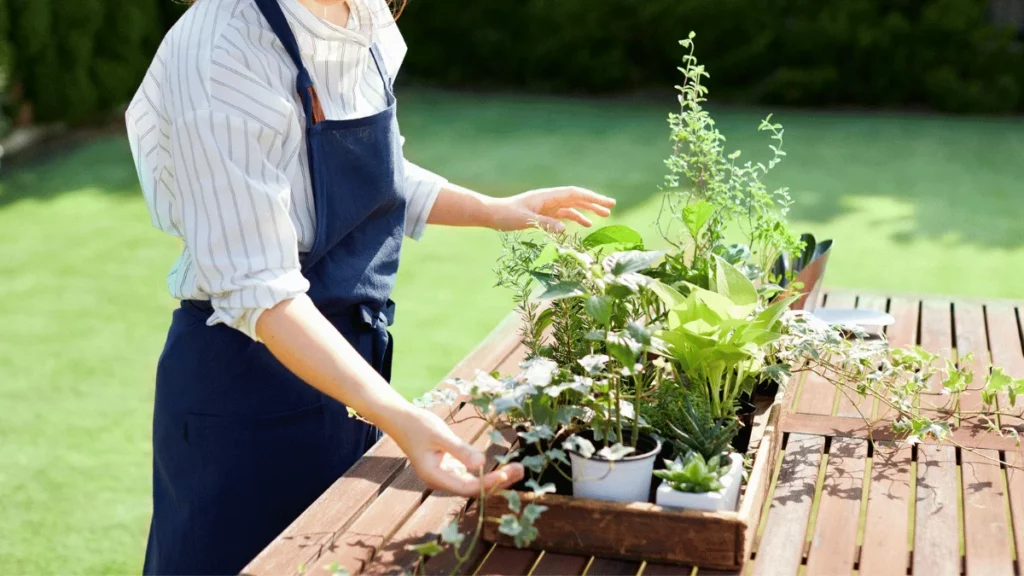
Every plant has specific light needs, but beginners often underestimate the importance of sunlight. Plants planted in too much shade may fail to bloom or produce fruit, while those in full sun may scorch.
How to Correct It:
- Research each plant’s sunlight requirements (full sun, partial shade, or full shade).
- Place sun-loving plants in spots with at least 6 hours of direct sunlight.
- Provide shade for heat-sensitive plants during peak sun hours using shade cloths, umbrellas, or taller companion plants.
Tip: Understanding light requirements prevents weak growth and helps plants flourish.
4. Overfertilizing or Underfertilizing
Why It Happens:
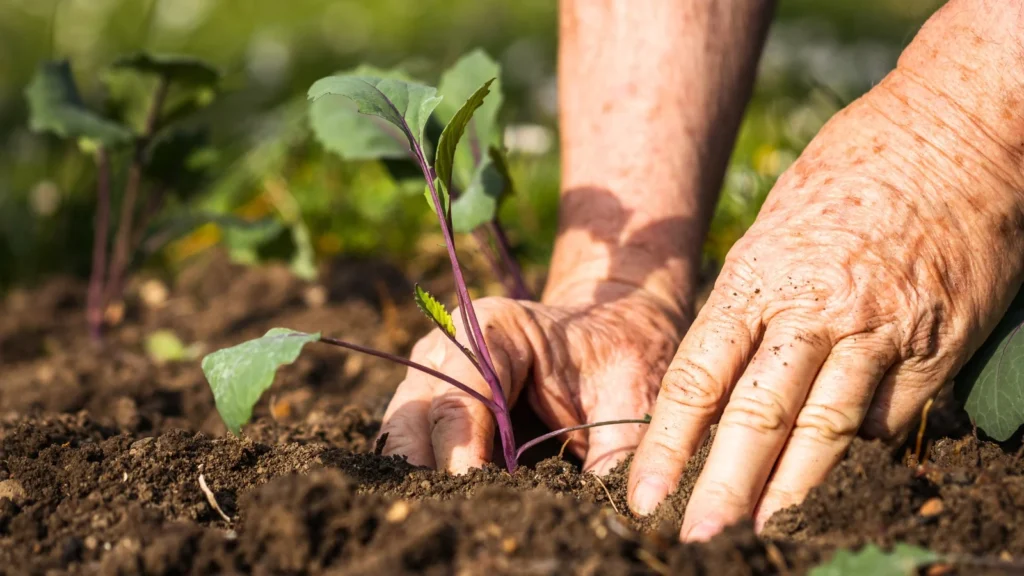
Beginners often rely on generic fertilizer, not realizing that too much or too little can harm plants. Overfertilization can cause lush foliage but no flowers, while nutrient deficiency can stunt growth and discolor leaves.
How to Correct It:
- Use fertilizers appropriate for each plant type. Flowering plants need more phosphorus; leafy greens benefit from nitrogen-rich fertilizers.
- Follow recommended dosages on fertilizer packaging.
- Consider slow-release fertilizers to maintain steady nutrient availability.
Tip: Balance is key—plants need nutrients in moderation to thrive.
5. Improper Pruning Techniques
Why It Happens:
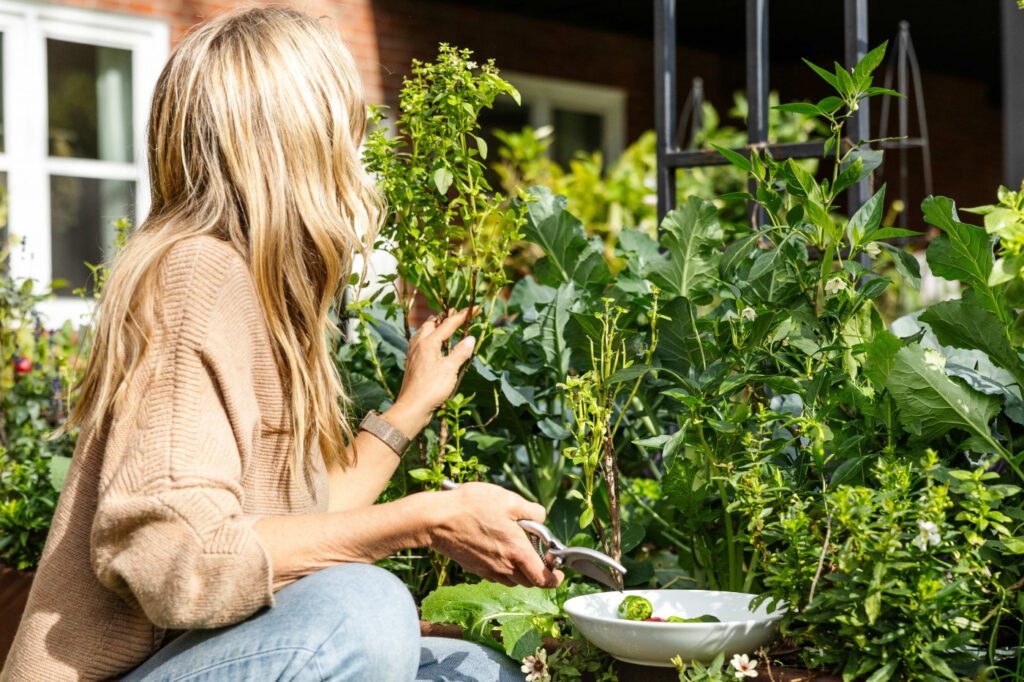
Pruning seems simple, but cutting at the wrong time or removing the wrong parts can reduce blooms, encourage disease, or stunt growth.
How to Correct It:
- Know your plant type and its growth habits.
- Prune dead, diseased, or overcrowded branches first.
- For flowering plants, learn whether they bloom on old wood or new wood to avoid removing next season’s buds.
- Use clean, sharp tools to prevent infections.
Tip: Pruning is an art—start light and observe how your plants respond.
6. Planting Too Close Together
Why It Happens:
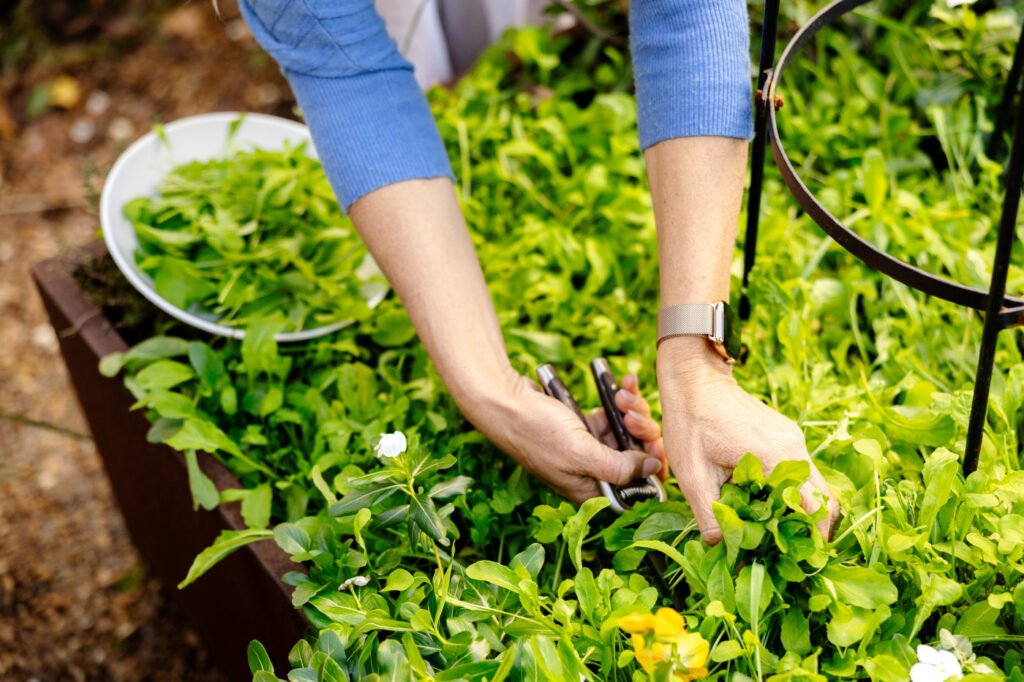
Beginners often plant seeds or seedlings without accounting for mature plant size, leading to overcrowding. Crowded plants compete for water, nutrients, and sunlight, and are more prone to disease.
How to Correct It:
- Follow spacing guidelines on seed packets or plant labels.
- Thin seedlings if they are too close, removing weaker ones to give strong plants room to grow.
- Consider vertical gardening or container planting for space-limited areas.
Tip: Proper spacing ensures better airflow, healthier roots, and more abundant blooms or fruit.
7. Neglecting Pest and Disease Management
Why It Happens:
Beginners often overlook the impact of pests and diseases until they become severe. Common culprits include aphids, slugs, fungal infections, and powdery mildew.
How to Correct It:
- Inspect plants regularly for signs of pests or disease.
- Use natural or chemical treatments appropriately, such as neem oil, insecticidal soap, or fungicides.
- Encourage beneficial insects like ladybugs and bees to maintain a balanced ecosystem.
- Practice crop rotation, proper spacing, and clean gardening tools to prevent recurring problems.
Tip: Early detection is essential—addressing issues promptly prevents widespread damage.
Extra Tips for Beginner Gardeners
- Start Small: Begin with a few easy-to-grow plants and expand gradually.
- Keep a Gardening Journal: Track watering, fertilizing, and growth patterns to learn what works.
- Observe and Adapt: Plants communicate their needs—watch for color changes, leaf drooping, and growth patterns.
- Learn Seasonality: Planting at the right time of year improves success.
- Invest in Tools: Quality tools like sharp pruners, watering cans, and soil meters make gardening easier and more precise.
Tip: Patience and attention are more important than spending a lot of money.
Conclusion
Gardening is a rewarding journey, but beginners often stumble due to overwatering, poor soil, insufficient sunlight, incorrect fertilization, improper pruning, overcrowding, and neglecting pests. Recognizing these mistakes—and applying the corrective strategies outlined above—can transform your garden into a healthy, thriving, and productive space.
By paying attention to soil quality, watering, sunlight, nutrients, pruning, spacing, and pest management, even novice gardeners can enjoy bountiful harvests, vibrant blooms, and a flourishing garden year after year.
Tip: Gardening is as much about learning from mistakes as it is about cultivating plants—embrace the process, observe your plants closely, and adapt your techniques. With practice, your garden will thrive, and your confidence as a gardener will grow alongside it.