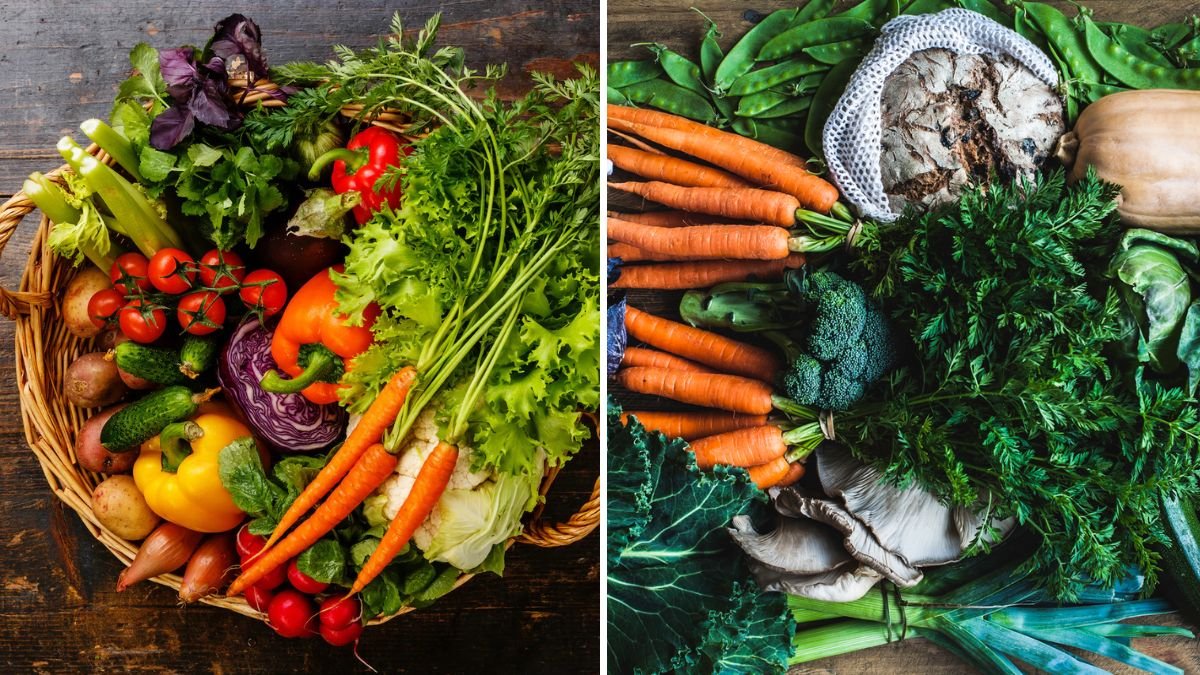
Root vegetables, such as carrots, beets, radishes, turnips, and parsnips, are staples of home gardens worldwide. These vegetables develop their edible parts underground, and their quality, size, and flavor depend heavily on proper soil nutrition. While fertilization is essential to ensure healthy growth, over-fertilizing can lead to poor yields, misshapen roots, and excessive leafy growth at the expense of the edible portion. Understanding the right fertilization methods and timings is key to producing high-quality, flavorful root vegetables without the pitfalls of overfeeding.
Why Fertilization Matters for Root Vegetables
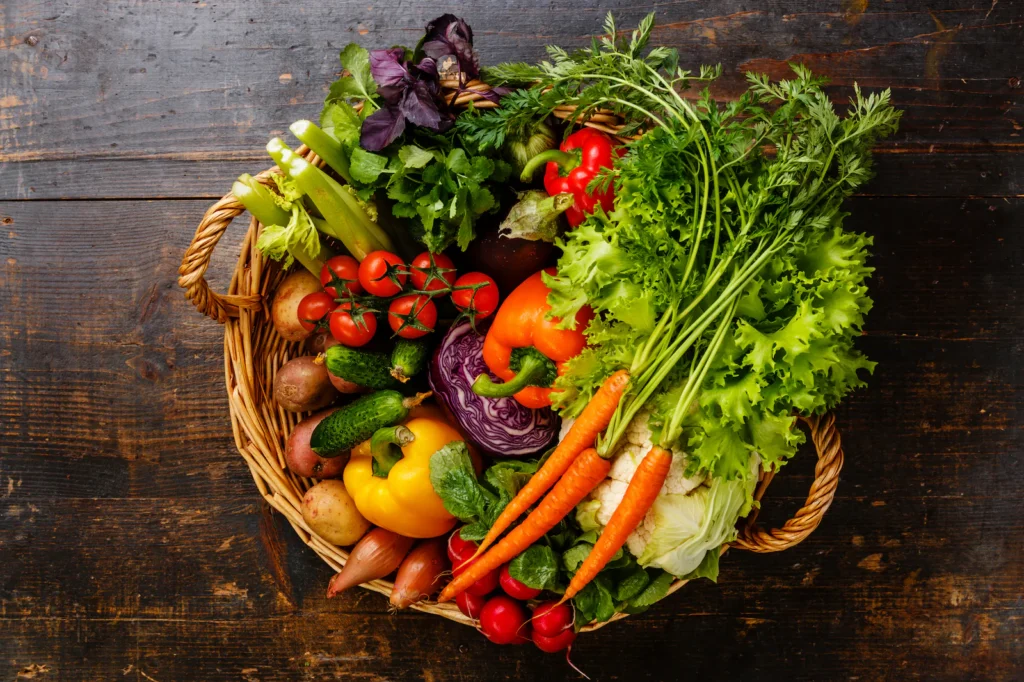
Root vegetables are unique in that the edible portion develops underground. Nutrients in the soil are absorbed by the roots to support both root expansion and leafy growth above ground. The three primary macronutrients—nitrogen (N), phosphorus (P), and potassium (K)—play distinct roles:
- Nitrogen (N): Encourages leafy growth. Excess nitrogen can produce lush tops but small or split roots.
- Phosphorus (P): Promotes root development and strong early growth.
- Potassium (K): Supports overall plant health, disease resistance, and root quality.
A balanced approach to fertilization ensures that the plant invests energy into root formation rather than excessive foliage, leading to better size, taste, and storage life.
Understanding Soil Nutrient Needs
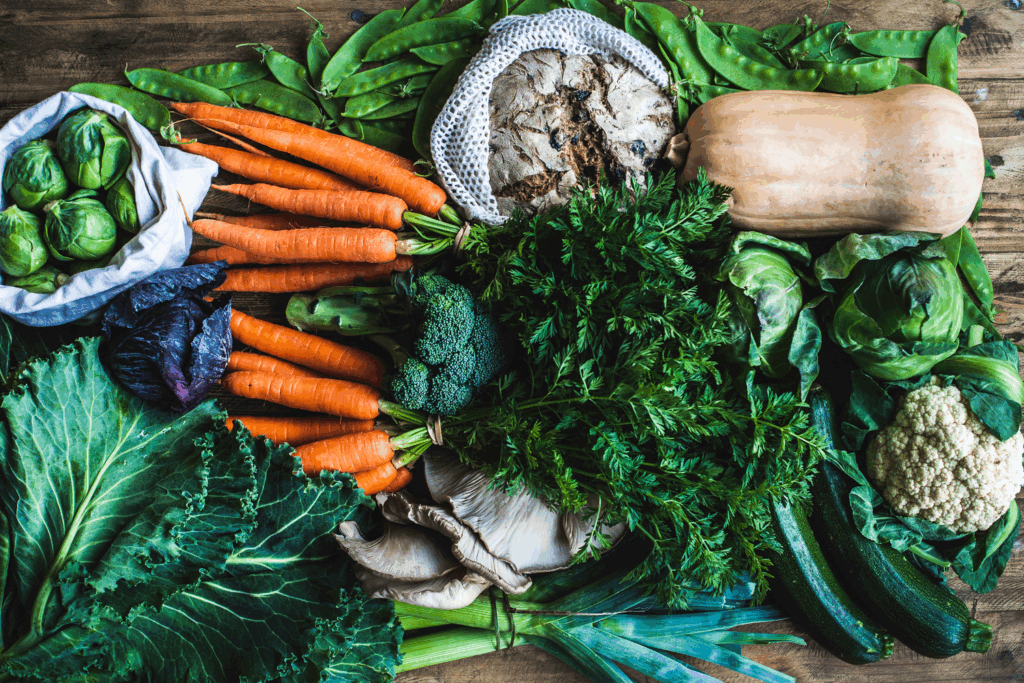
Before fertilizing, it’s crucial to understand the existing nutrient content of your soil. Soil testing is the most reliable way to determine fertility levels, pH, and deficiencies. Key considerations include:
- pH Levels: Root vegetables generally prefer slightly acidic to neutral soil (pH 6.0–7.0). Soil that is too acidic or alkaline can limit nutrient uptake.
- Existing Nutrients: If the soil is already rich in nitrogen, additional nitrogen fertilizer can harm root development.
- Soil Texture: Sandy soils drain quickly and may require more frequent fertilization, while clay soils hold nutrients longer.
Soil testing prevents over-fertilization and guides the appropriate type and quantity of fertilizer to apply.
Choosing the Right Fertilizer
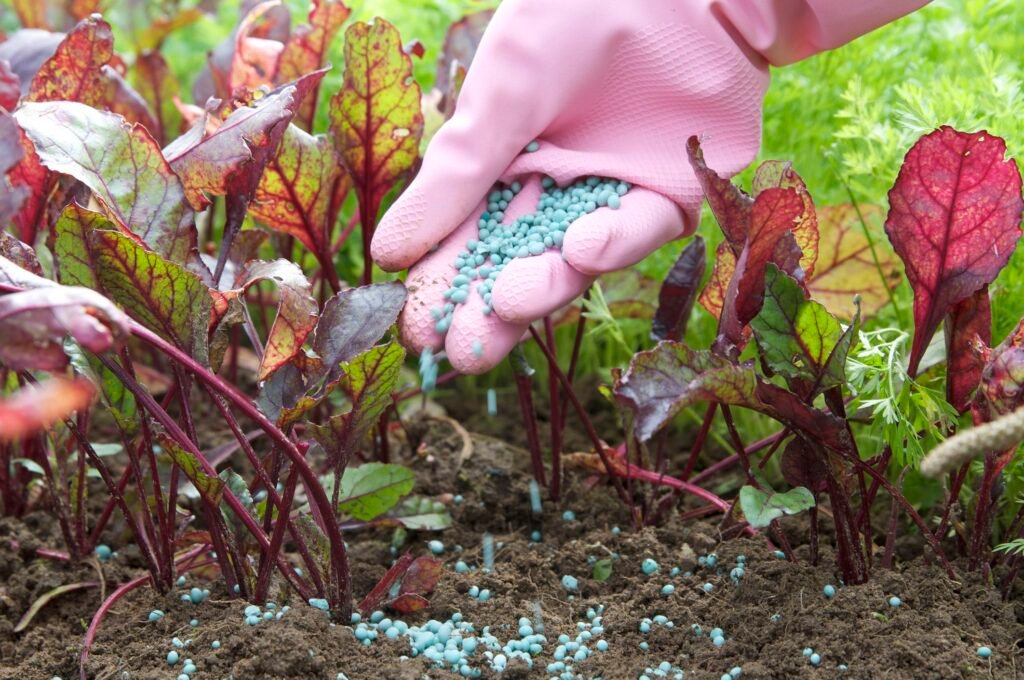
Not all fertilizers are created equal, and root vegetables respond best to specific nutrient profiles.
- Balanced Fertilizers: A balanced NPK fertilizer, such as 10-10-10, can support general growth if the soil lacks nutrients.
- Root-Focused Fertilizers: Fertilizers higher in phosphorus and potassium but lower in nitrogen (e.g., 5-10-10) encourage root development without excessive leaf growth.
- Organic Options: Compost, well-rotted manure, bone meal, or kelp meal release nutrients slowly and improve soil structure while reducing the risk of overfeeding.
- Avoid High-Nitrogen Fertilizers: Fertilizers high in nitrogen are ideal for leafy vegetables like lettuce but can produce long, forked, or hollow roots in carrots and beets.
Selecting the right fertilizer type is the first step to optimizing root growth while preventing nutrient imbalances.
Timing Fertilization for Maximum Effect
Timing is critical for root vegetables because nutrient needs change throughout their growth cycle:
- Pre-Planting: Incorporate compost or slow-release fertilizer into the soil before planting to provide a steady nutrient supply for initial root establishment.
- Early Growth: Once seedlings emerge, a light application of root-focused fertilizer supports healthy root initiation. Avoid heavy nitrogen at this stage.
- Mid-Growth: For crops like carrots and beets that mature slowly, a second light feeding halfway through the season can boost root size without encouraging excessive foliage.
- Late Growth: Avoid additional nitrogen once roots are swelling; this helps prevent leafy growth and maximizes the edible portion.
Proper timing ensures that roots receive nutrients when they need them most, without encouraging imbalances.
How to Apply Fertilizer Correctly
Applying fertilizer properly reduces the risk of over-fertilization and ensures nutrients reach the roots effectively:
- Granular Fertilizer: Spread fertilizer evenly around the base of the plants and lightly work it into the top layer of soil. Avoid piling fertilizer directly on seedlings or bulb tops.
- Liquid Fertilizer: Diluted liquid fertilizers or compost teas can provide nutrients quickly without overwhelming young plants. Apply carefully around the root zone.
- Foliar Feeding: For minor deficiencies, foliar feeding can supplement nutrients without impacting root development. This method is best for micronutrients rather than macronutrients.
- Avoid Over-Concentration: Excess fertilizer, especially nitrogen, can burn roots or lead to cracked, bitter vegetables. Follow recommended dosage rates on packaging or as indicated by soil tests.
Proper application methods ensure that nutrients are absorbed efficiently without harming plant growth.
Signs of Over-Fertilization
Knowing the signs of over-fertilization helps prevent damage to root crops:
- Excessive Leaf Growth: Thick, lush foliage with minimal root development indicates too much nitrogen.
- Misshapen Roots: Forked, twisted, or hollow roots often result from nutrient imbalance or uneven fertilizer application.
- Burned Roots or Leaf Tips: Fertilizer salts can burn plant tissue, especially when applied too heavily or in dry conditions.
- Delayed Maturity: Excess nutrients can slow root bulking, delaying harvest and reducing flavor quality.
Early detection allows gardeners to flush the soil with water or amend with organic matter to restore balance.
Specific Fertilization Tips for Popular Root Vegetables
- Carrots: Avoid high-nitrogen fertilizers. Phosphorus-rich amendments like bone meal encourage straight, sweet roots. Thin seedlings to prevent crowding, which improves nutrient distribution.
- Beets: Moderate nitrogen and phosphorus promote both roots and edible greens. Avoid over-fertilizing late in the season to prevent splitting.
- Radishes: Quick-growing radishes require light, frequent feeding. High nitrogen can produce lush tops at the expense of roots.
- Turnips: Balanced NPK promotes simultaneous root and leaf development. Early feeding helps establish roots, while late nitrogen should be avoided.
- Parsnips: Long-maturing parsnips benefit from well-fertilized soil before planting, then minimal additional fertilizer. Excess nitrogen encourages hollowing and splits.
Tailoring fertilization to the specific crop improves yield, flavor, and storage quality.
Combining Fertilization with Other Root-Growing Practices
Fertilization works best alongside other root-crop best practices:
- Loose Soil: Avoid compacted soil that restricts root expansion. Raised beds or deep digging can help.
- Consistent Moisture: Even moisture prevents cracking, bitterness, and uneven growth. Mulching can help maintain soil moisture.
- Crop Rotation: Rotate root crops to prevent soil-borne diseases and nutrient depletion.
- Intercropping: Plant nitrogen-fixing legumes nearby to naturally enhance soil fertility without over-fertilizing.
By integrating proper fertilization with good cultural practices, gardeners can maximize root vegetable quality.
Conclusion: Achieving Balance for Optimal Roots
Fertilizing root vegetables is a delicate balancing act. The goal is to provide enough nutrients to encourage strong growth without overdoing it, which can compromise root quality and flavor. Key strategies include:
- Conducting soil tests to understand nutrient levels.
- Choosing fertilizers tailored for root development, with low nitrogen and adequate phosphorus and potassium.
- Timing applications correctly, focusing on early and mid-growth stages.
- Applying fertilizer carefully, avoiding direct contact with roots or seedlings.
- Observing plants for signs of over-fertilization and adjusting practices accordingly.
With these approaches, gardeners can enjoy straight, flavorful, and robust root vegetables season after season. Proper fertilization, combined with good soil, adequate water, and attentive care, ensures that homegrown root crops are both productive and delicious.