
For gardeners seeking higher yields, improved soil quality, and easier maintenance, raised bed gardening is an exceptional solution. Raised beds, essentially elevated soil boxes, allow precise control over soil composition, drainage, and plant spacing. They are particularly useful in areas with poor soil, limited space, or urban environments. Beyond productivity, raised beds improve ergonomics, reduce weed pressure, and extend growing seasons. This article provides a comprehensive, step-by-step guide to building a raised bed garden for bigger harvests, including materials, construction methods, soil preparation, planting strategies, and maintenance tips.
What is a Raised Bed Garden?
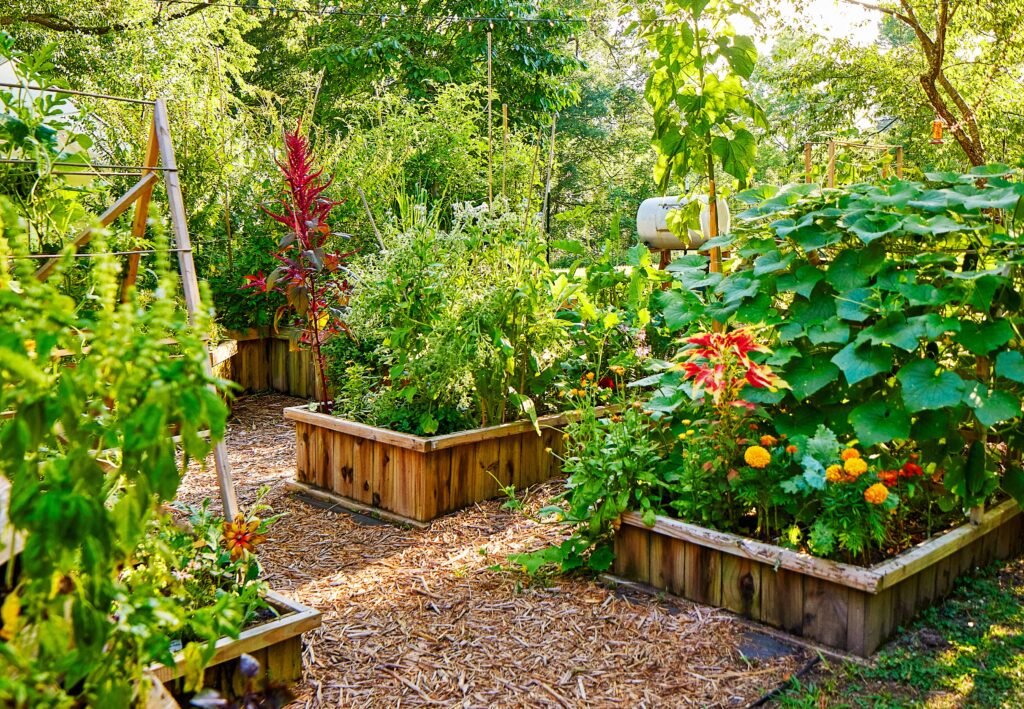
A raised bed garden is an enclosed planting area elevated above the native ground level. It can be constructed from wood, stone, bricks, metal, or recycled materials and filled with nutrient-rich soil to optimize plant growth. Raised beds typically range from 6 inches to 2 feet in height and can vary in width and length based on available space and intended crops.
Benefits of Raised Bed Gardening
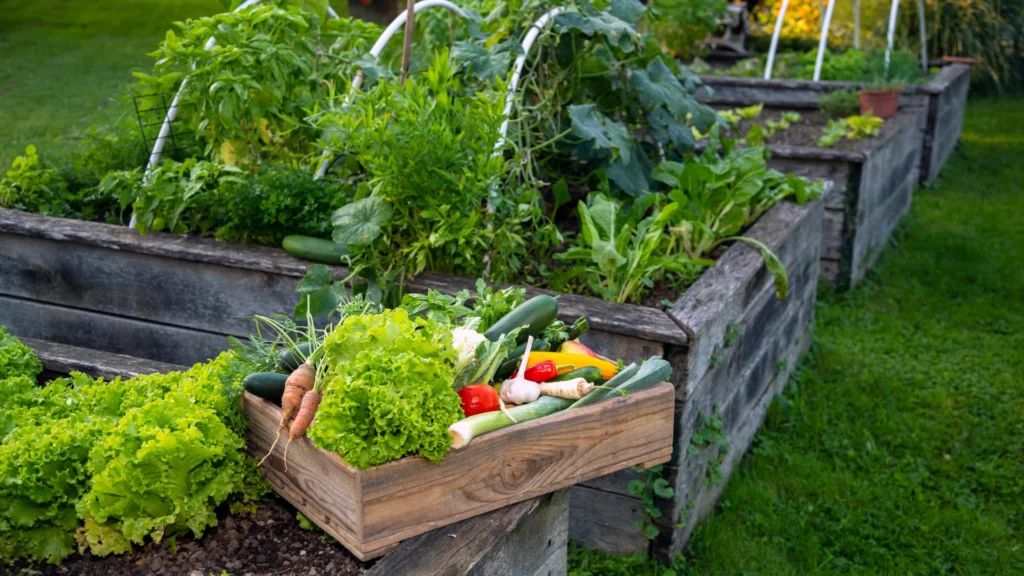
- Improved Soil Quality: Fill beds with fertile, well-draining soil, avoiding poor native soil.
- Higher Yields: Optimized soil and plant spacing promote faster growth and larger harvests.
- Better Drainage: Prevents waterlogging and root rot, especially in clay-heavy or compacted soils.
- Weed and Pest Management: Elevated beds reduce weed growth and can be easier to protect from pests.
- Extended Growing Season: Soil warms faster in spring and retains heat longer in fall.
- Ergonomics: Elevated height reduces bending, making planting and maintenance easier.
- Aesthetic Appeal: Raised beds create organized, visually attractive gardens.
Step 1: Planning Your Raised Bed
Before construction, thoughtful planning ensures efficiency and long-term success.
Location:
- Choose a sunny spot that receives at least 6–8 hours of sunlight daily.
- Ensure easy access for watering, maintenance, and harvesting.
- Avoid areas prone to waterlogging or strong winds.
Size:
- Width: 3–4 feet is ideal to reach the center without stepping into the bed.
- Length: Flexible, typically 4–12 feet, depending on available space.
- Height: 12–24 inches provides ample soil depth for most vegetables.
Layout:
- Arrange beds in rows or rectangles, leaving paths of 2–3 feet for easy access.
- Consider companion planting and crop rotation when planning multiple beds.
Step 2: Choosing Materials
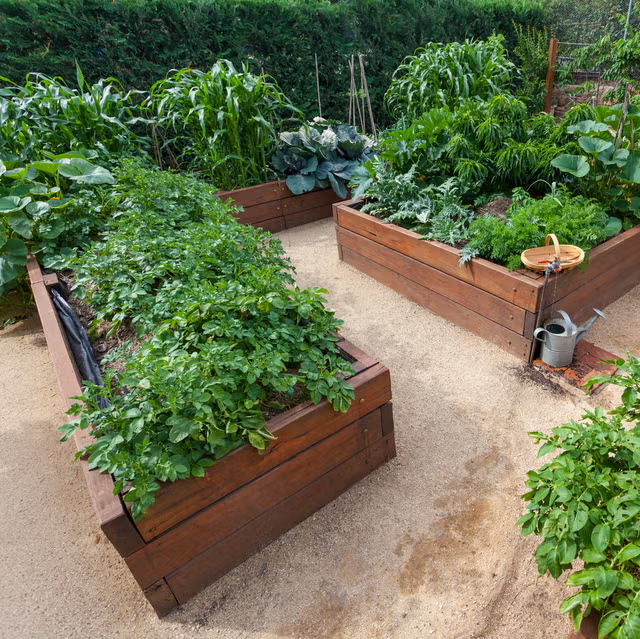
Raised beds can be constructed from a variety of materials, each with unique benefits:
- Wood: Affordable, natural, and easy to work with. Cedar and redwood are rot-resistant options.
- Recycled Wood Pallets: Eco-friendly and budget-conscious, suitable for smaller beds.
- Bricks or Stones: Durable, aesthetically appealing, and low-maintenance.
- Metal Sheets or Corrugated Steel: Modern, long-lasting, and can be shaped for custom beds.
- Concrete Blocks: Strong, modular, and easy to assemble.
Tips: Avoid pressure-treated wood with harmful chemicals if planting edible crops. Line the inside of beds with landscape fabric to prolong life and prevent soil contact with treated materials.
Step 3: Constructing the Raised Bed
Step 1: Build the Frame
- Cut wood or chosen materials to desired dimensions.
- Assemble the frame using screws, nails, or brackets.
- Ensure corners are square and the structure is level.
Step 2: Prepare the Ground
- Clear grass, weeds, or debris from the site.
- Loosen soil beneath the bed to improve drainage.
- Optionally, add a layer of cardboard or newspaper to suppress weeds.
Step 3: Position and Secure the Bed
- Place the frame on the prepared site.
- Adjust for levelness and stability.
- Add support stakes at corners if necessary to prevent bowing over time.
Step 4: Filling the Raised Bed
The right soil mix is critical for bigger harvests:
- Base Layer (Optional): Add coarse material like gravel or small rocks for drainage in very deep beds.
- Soil Mix: Combine topsoil, compost, and organic matter in a 2:1:1 ratio.
- Optional Amendments: Add perlite, vermiculite, or coconut coir for aeration and moisture retention.
- Level the Soil: Fill to just below the top edge, leaving space for watering.
Tips: Avoid compacting soil; lightly pat it down to retain structure. Test soil pH (ideal 6.0–7.0 for most vegetables) and adjust as needed.
Step 5: Plant Selection and Layout
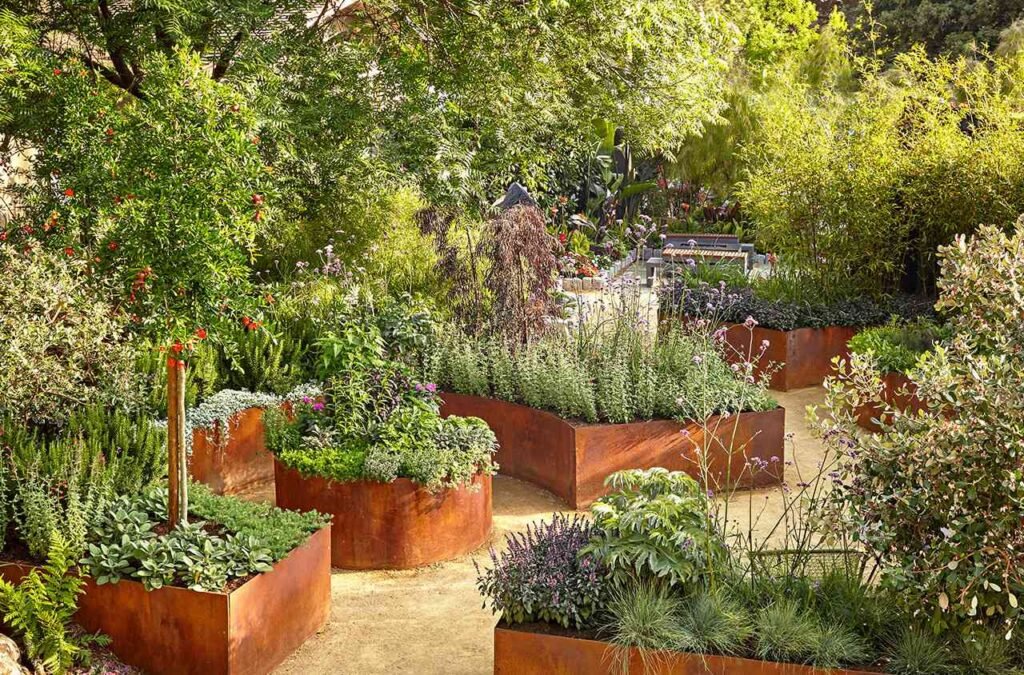
Raised beds accommodate a wide variety of crops. Choosing the right plants and layout maximizes yield:
Leafy Greens:
- Lettuce, spinach, kale, and arugula thrive in shallow soil and mature quickly.
Root Vegetables:
- Carrots, radishes, beets, and onions benefit from loose, deep soil.
Fruiting Crops:
- Tomatoes, peppers, cucumbers, and eggplants perform well in raised beds with ample sunlight.
Companion Planting:
- Plant herbs like basil or marigolds alongside vegetables to repel pests.
- Arrange taller crops on the northern side to avoid shading smaller plants.
Tips: Rotate crops annually to prevent soil nutrient depletion and reduce disease risks.
Step 6: Watering and Irrigation
Consistent moisture is crucial for healthy growth:
- Manual Watering: Use a watering can or hose with a gentle spray nozzle.
- Soaker Hoses: Lay hoses along rows to deliver water directly to roots.
- Drip Irrigation: Efficient and conserves water, ideal for larger beds.
- Mulching: Apply straw, shredded leaves, or compost on top to retain soil moisture and suppress weeds.
Tips: Raised beds dry faster than in-ground beds, so monitor soil moisture regularly.
Step 7: Fertilization and Maintenance
- Compost and Organic Fertilizers: Top-dress beds with compost every few weeks for continuous nutrient supply.
- Crop Rotation: Prevent soil-borne diseases and nutrient depletion by changing crop locations each season.
- Pest Management: Inspect plants regularly; use organic methods such as neem oil, diatomaceous earth, or companion planting.
- Pruning and Thinning: Remove overcrowded plants and dead foliage to encourage airflow and healthy growth.
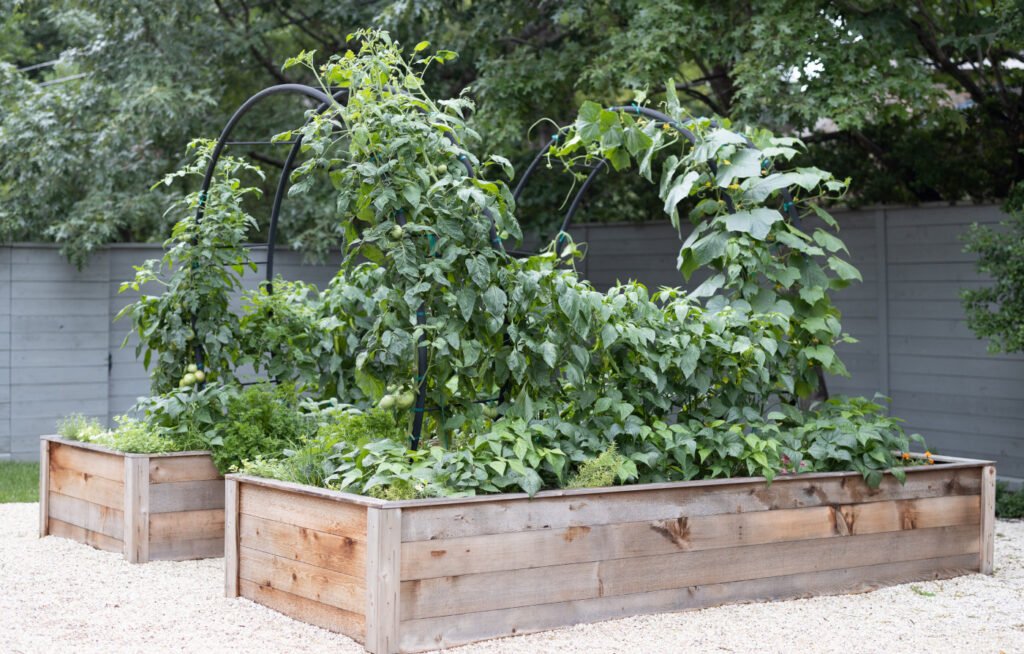
- Seasonal Care: Extend the growing season with row covers, cloches, or hoop houses if needed.
Advantages of Raised Bed Gardening
- Bigger Harvests: Optimized soil and spacing promote faster, healthier plant growth.
- Efficient Water Usage: Water penetrates soil effectively, reducing runoff and waste.
- Reduced Weeding and Maintenance: Raised beds are easier to manage and weed-free with proper soil and mulch.
- Flexibility: Beds can be customized in size, shape, and material to suit any space.
- Aesthetic Appeal: Neat, organized, and visually pleasing garden layout.
- Accessibility: Suitable for gardeners with mobility challenges due to elevated height.
Creative Ideas for Raised Beds
- Tiered Raised Beds: Stack beds at different heights for a visually striking layout and maximize planting area.
- Incorporate Vertical Elements: Add trellises for climbing plants like beans, peas, and cucumbers.
- Edge Planting: Grow herbs or flowers along the bed perimeter for a decorative border.
- Seasonal Rotation: Plant cool-season crops in early spring and warm-season crops in summer for continuous harvest.
- Companion Planting Designs: Integrate flowers, herbs, and vegetables for aesthetic and ecological benefits.
Conclusion
Building a raised bed garden is a practical, effective, and visually appealing way to maximize harvests while improving soil quality and ease of maintenance. With careful planning, appropriate materials, and proper soil preparation, gardeners can create thriving raised beds that accommodate a wide variety of vegetables, herbs, and ornamental plants. By combining smart planting strategies, consistent watering, and regular maintenance, raised beds can deliver bigger, healthier yields and a more sustainable gardening experience. Whether in a backyard, balcony, or community garden, raised bed gardening empowers gardeners to produce more food, beautify their surroundings, and enjoy a more organized and productive garden space.