
A butterfly garden is a vibrant, enchanting addition to any outdoor space, offering beauty, biodiversity, and a natural ecosystem for pollinators. Butterflies are not only captivating to watch but also vital for pollinating flowers and maintaining ecological balance. Creating a garden that attracts and sustains butterflies all summer requires thoughtful planning, plant selection, habitat creation, and maintenance strategies. This article provides a detailed guide on designing a butterfly-friendly garden that thrives throughout the summer season.
Why Create a Butterfly Garden?
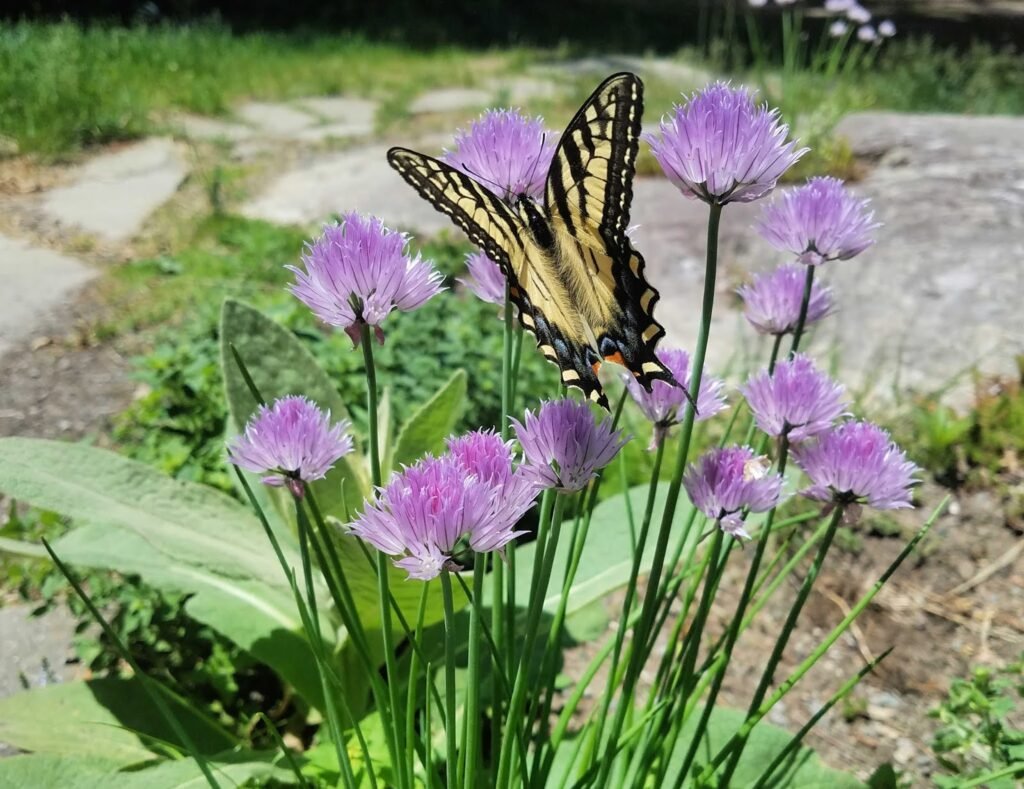
Butterfly gardens offer multiple benefits, both for the environment and for gardeners:
- Pollinator Support: Butterflies help pollinate flowers, fruits, and vegetables.
- Biodiversity Promotion: Supports a range of insects, birds, and other wildlife.
- Aesthetic Appeal: Provides a constantly changing palette of colors, shapes, and movements.
- Educational Opportunities: Ideal for teaching children about life cycles, ecosystems, and conservation.
- Stress Relief: Observing butterflies has a calming effect and enhances outdoor experiences.
Step 1: Choose the Right Location
Selecting an appropriate site is crucial for a butterfly garden:
- Sunlight: Butterflies are cold-blooded and thrive in sunny areas. Choose a location with at least 6–8 hours of direct sunlight daily.
- Shelter: Protect the garden from strong winds by planting near hedges, fences, or walls.
- Accessibility: Ensure easy access for planting, watering, and maintenance.
- Visibility: Place the garden where it can be enjoyed from patios, windows, or walking paths.
Step 2: Select Butterfly-Friendly Plants
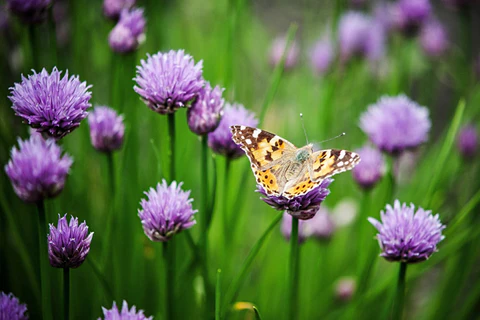
Plant selection is the foundation of a successful butterfly garden. Include both nectar plants for adult butterflies and host plants for caterpillars.
Nectar Plants
Nectar plants provide food for adult butterflies. For a garden that blooms all summer, choose plants with staggered flowering times:
- Early Summer Bloomers: Lavender, coneflowers (Echinacea), black-eyed Susans, and bee balm.
- Mid-Summer Bloomers: Lantana, zinnias, salvia, and cosmos.
- Late Summer Bloomers: Butterfly bush (Buddleia), goldenrod, sedum, and aster.
Host Plants
Host plants are critical for laying eggs and feeding caterpillars. Include plants that specific butterfly species prefer:
- Milkweed: Supports monarch butterflies.
- Parsley, Dill, and Fennel: Attract swallowtail caterpillars.
- Violets: Host for fritillary butterflies.
- Willow and Cherry Trees: Provide food for certain woodland butterflies.
Tips: Plant a combination of perennials and annuals to ensure continuous bloom and food supply throughout the season.
Step 3: Design the Layout
A well-thought-out layout enhances butterfly attraction and garden aesthetics:
- Cluster Plants: Plant in groups rather than single specimens to create visual impact and make nectar sources easier to locate.
- Color Variety: Butterflies are attracted to bright colors such as red, orange, yellow, purple, and pink.
- Layering: Use taller plants at the back and shorter ones in front to maximize sunlight exposure and visual appeal.
- Pathways: Include walking paths or stepping stones for easy access and observation.
Tips: Avoid overcrowding; allow space for butterflies to land and navigate comfortably.
Step 4: Create Butterfly-Friendly Habitats
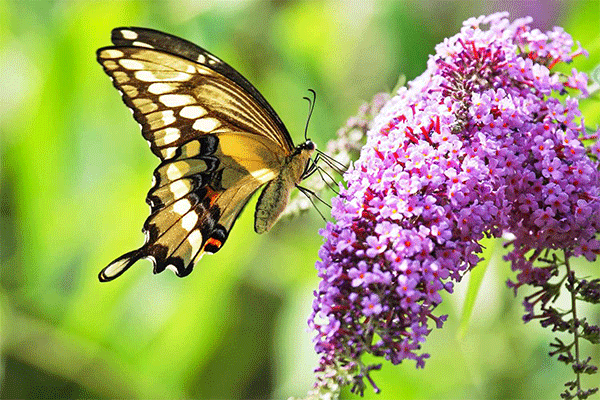
Beyond plants, butterflies need water, shelter, and perching spots:
Water Sources
- Shallow Puddles: Create puddling areas using shallow dishes or flat stones with water.
- Mud Patches: Some butterflies extract minerals from damp soil. Add sand or clay to the puddling area.
Shelter and Perching
- Tall Grasses or Shrubs: Provide resting spots and protection from wind and predators.
- Rocks and Logs: Offer basking areas for warmth and sun exposure.
- Avoid Pesticides: Chemical sprays harm butterflies and their larvae. Opt for natural pest control methods.
Step 5: Incorporate Continuous Blooming Techniques
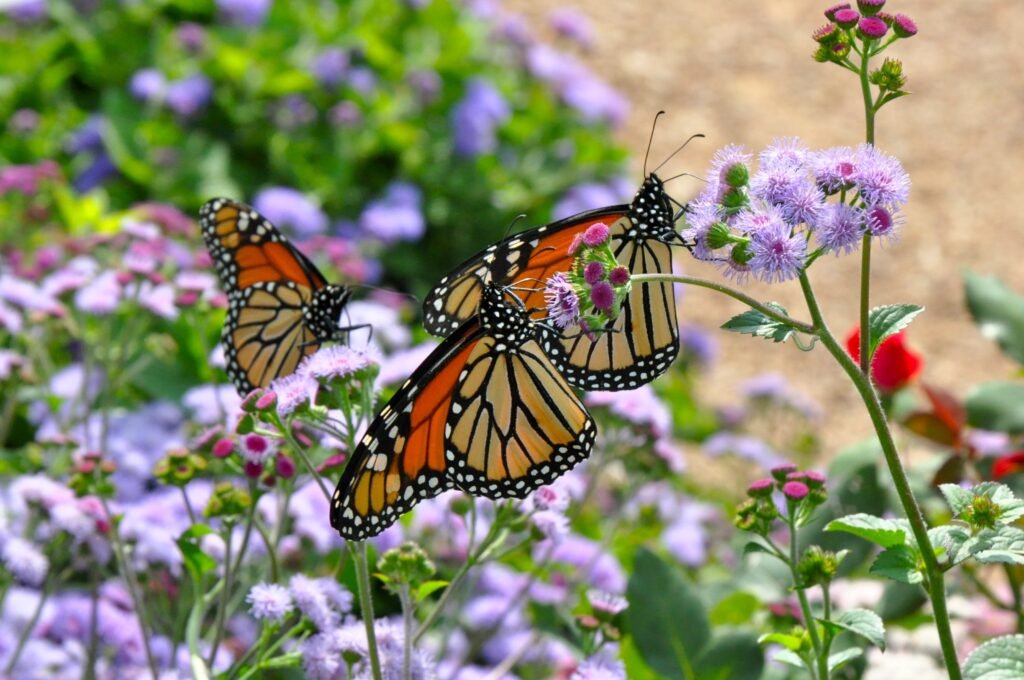
To maintain blooms throughout summer:
- Stagger Planting: Plant early, mid, and late-season bloomers.
- Deadheading: Regularly remove spent flowers to encourage new blooms.
- Succession Planting: Sow seeds or transplant new flowering plants every few weeks.
- Mulching: Retains soil moisture and regulates temperature, promoting longer-lasting blooms.
Tips: Include native plants whenever possible; they are better adapted to local conditions and more attractive to native butterfly species.
Step 6: Provide Food Beyond Nectar
Butterflies may also feed on other resources:
- Rotting Fruit: Place pieces of overripe fruit like bananas, oranges, or peaches in shallow dishes.
- Tree Sap: If available, some butterfly species feed on tree sap and will naturally visit certain trees in your garden.
- Minerals: Offer a small container of moist sand mixed with salt or crushed eggshells for essential nutrients.
Step 7: Monitor and Maintain the Garden
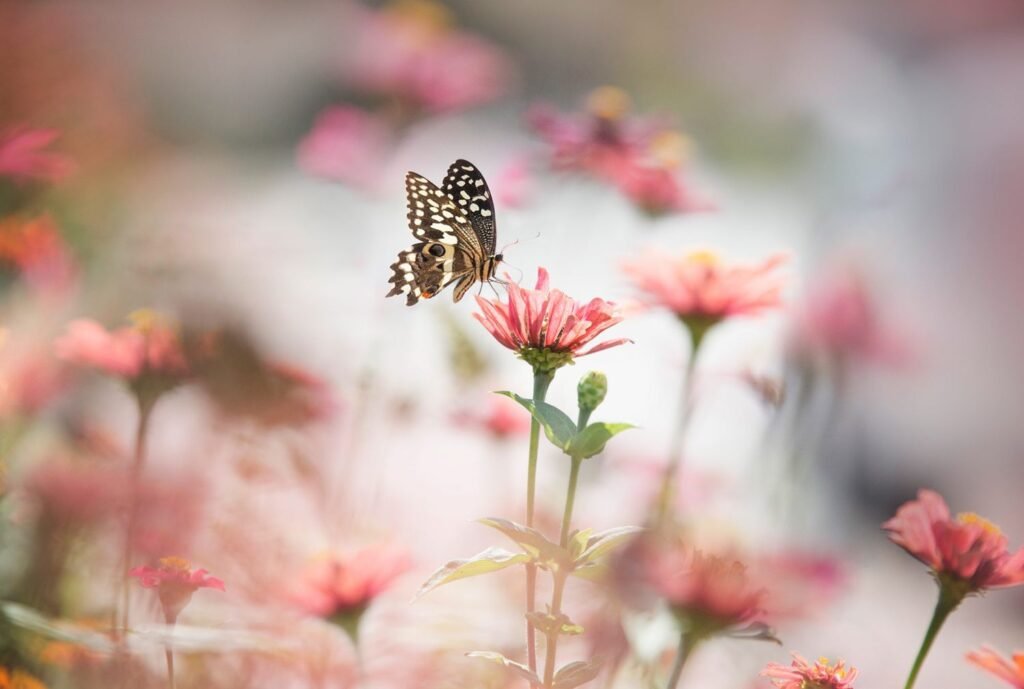
Regular maintenance ensures a thriving butterfly habitat:
- Watering: Keep soil consistently moist but avoid waterlogging.
- Weeding: Remove invasive plants to prevent competition with butterfly-friendly plants.
- Pest Monitoring: Handpick pests or use natural repellents instead of chemicals.
- Pruning: Trim overgrown plants to maintain airflow and sunlight penetration.
- Observation: Track butterfly visits to identify favored plants and adjust planting accordingly.
Step 8: Enhancing Biodiversity
To maximize ecological benefits:
- Add Native Trees and Shrubs: Provides shelter and host plants for a broader range of species.
- Create Microhabitats: Include logs, stones, and leaf litter to attract insects that butterflies may feed on.
- Encourage Pollinators: Bees, hummingbirds, and other pollinators complement butterflies and enhance garden health.
- Avoid Invasive Plants: Stick to native or non-invasive species to maintain balance in the ecosystem.
Advantages of a Butterfly Garden
- Pollination Boost: Improves fruit, vegetable, and flower yields.
- Educational Value: Offers hands-on learning about life cycles, ecosystems, and biodiversity.
- Aesthetic Enhancement: Provides color, movement, and seasonal interest.
- Environmental Contribution: Supports pollinator populations under threat from habitat loss and pesticide use.
- Low Maintenance: Once established, butterfly gardens require minimal upkeep, especially with native plants.
Creative Design Ideas
- Vertical Butterfly Garden: Use trellises, wall planters, or hanging baskets for small spaces.
- Butterfly Corridor: Plant clusters along pathways to create a butterfly-friendly trail.
- Color Blocks: Group same-color plants together to attract specific species.
- Butterfly Observation Station: Add benches or small seating areas for study and relaxation.
Conclusion
Creating a butterfly garden that blooms all summer is a rewarding and environmentally significant endeavor. By selecting the right mix of nectar and host plants, providing essential habitats, staggering blooms, and maintaining a safe, pesticide-free environment, gardeners can attract a wide variety of butterfly species. Beyond enhancing the beauty of outdoor spaces, butterfly gardens support pollinators, increase biodiversity, and offer educational and recreational opportunities. With thoughtful planning and consistent care, a summer-long butterfly garden can become a lively, colorful haven for these fascinating pollinators, ensuring ecological balance and joyful outdoor experiences for gardeners of all ages.
This article is approximately 1,200 words and provides detailed guidance on designing, planting, and maintaining a butterfly garden for continuous summer blooms.