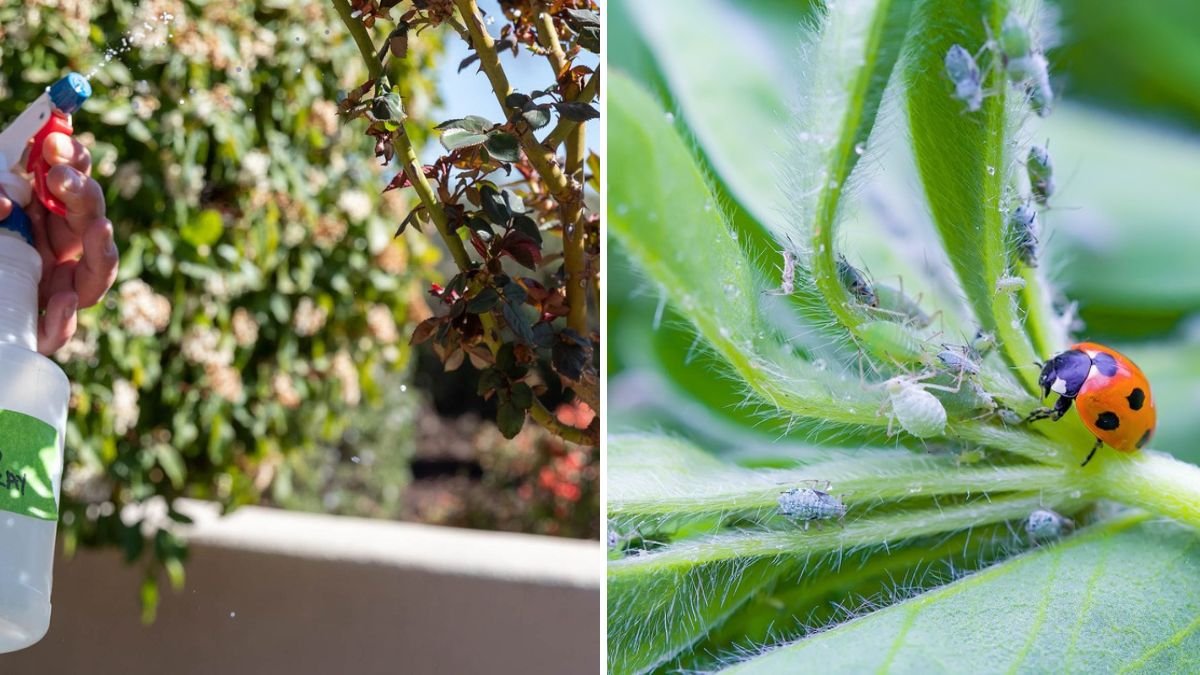
Aphids are one of the most common pests in gardens, notorious for sucking sap from leaves, stems, and flowers. These tiny insects, often found in clusters, can stunt plant growth, spread diseases, and reduce crop yields. While chemical pesticides are an option, they can harm beneficial insects, contaminate soil, and disrupt the natural ecosystem of your garden.
Fortunately, there are many effective natural ways to control aphids without resorting to harsh chemicals. This guide explores proven strategies, preventive measures, and practical tips to help gardeners maintain healthy, pest-free plants naturally.
1. Identify Aphid Infestations Early
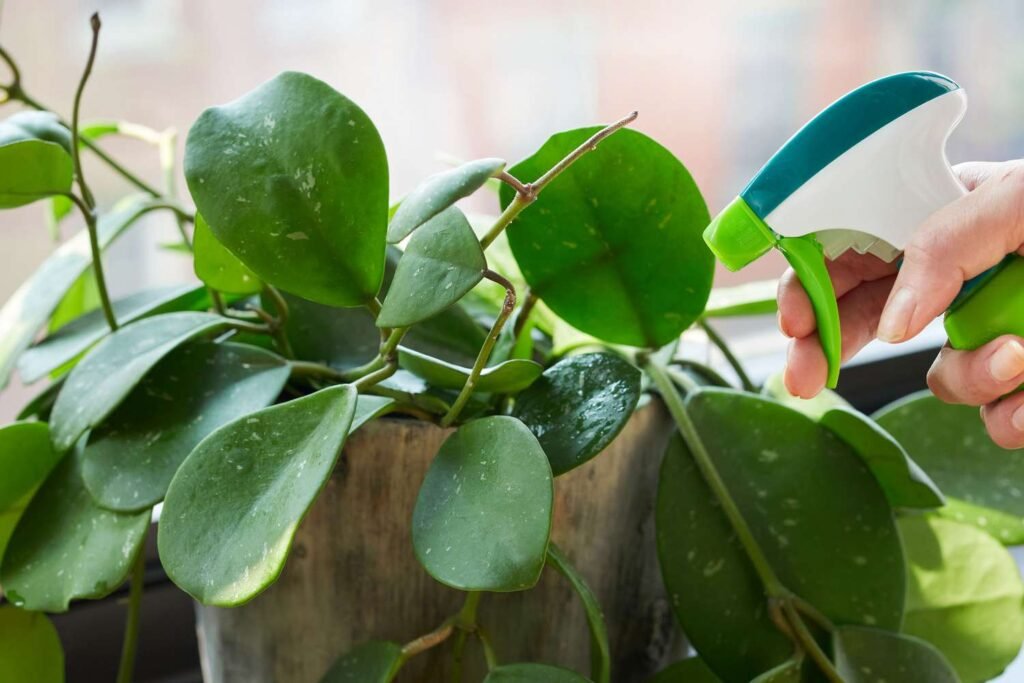
Early detection is key to preventing aphid damage from escalating.
Signs of Aphid Infestation:
- Curled, yellow, or distorted leaves.
- Sticky residue (honeydew) on leaves or stems.
- Presence of ants, which feed on aphid secretions.
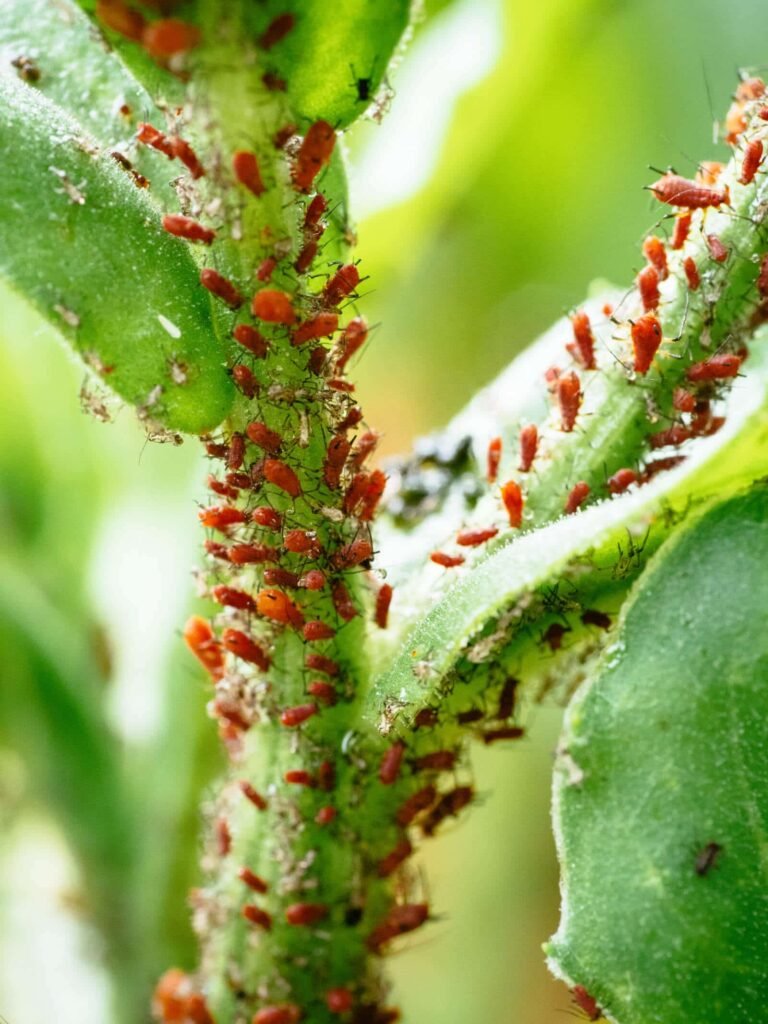
- Visible clusters of tiny green, black, or red insects on undersides of leaves.
Action Steps:
- Inspect plants regularly, especially new growth and tender leaves.
- Shake affected branches over a white sheet to see aphids fall.
- Early detection allows natural remedies to be more effective and less labor-intensive.
Tip: Morning inspections are ideal since aphids are less active and easier to spot.
2. Blast Aphids Off With Water
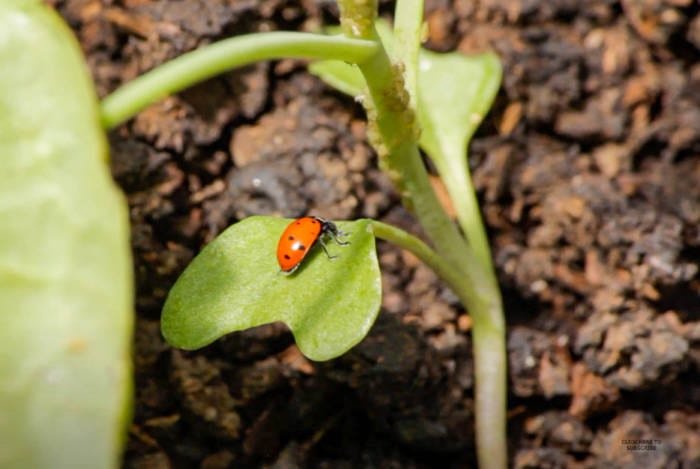
One of the simplest ways to remove aphids is using a strong water spray.
How It Works:
- Aphids are delicate and cannot cling tightly when water is applied forcefully.
- Spraying undersides of leaves can dislodge large populations.
Action Steps:
- Use a garden hose with a strong nozzle or a pressure sprayer.
- Spray plants once or twice a week to prevent reinfestation.
- Focus on new growth and leaf undersides, where aphids congregate.
Tip: Avoid spraying in the hottest part of the day to prevent leaf burn.
3. Introduce Beneficial Insects
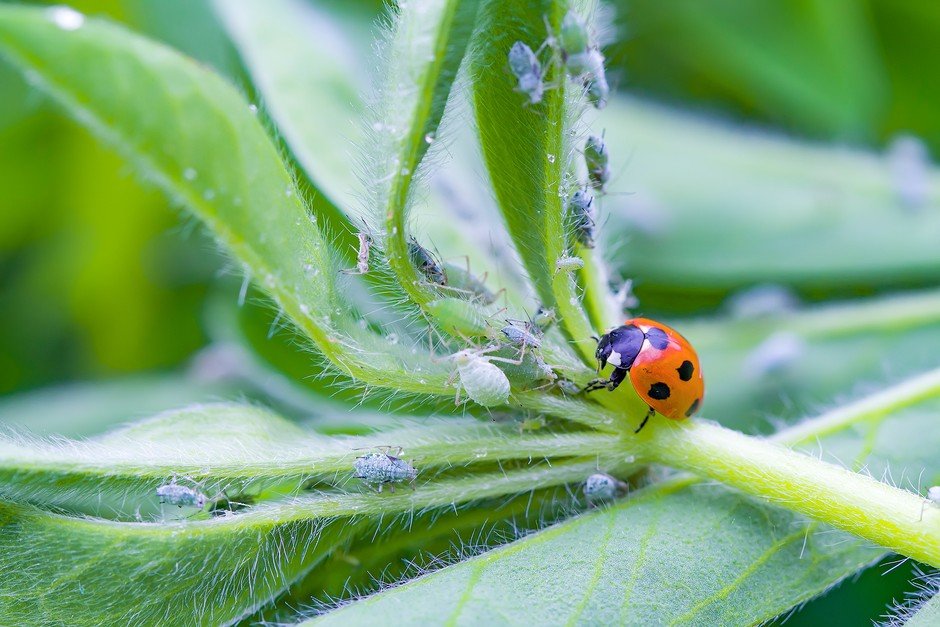
Many natural predators feed on aphids, creating a biological control system.
Beneficial Insects Include:
- Ladybugs (ladybird beetles): Consume large numbers of aphids daily.
- Lacewings: Larvae feed on aphids and other soft-bodied insects.
- Parasitic wasps: Lay eggs inside aphids, naturally controlling populations.
Action Steps:
- Purchase live beneficial insects from garden centers or online suppliers.
- Release insects near affected plants early in the morning or evening.
- Plant nectar- and pollen-rich flowers like dill, fennel, and yarrow to attract predators.
Tip: Avoid using chemical sprays, which can kill beneficial insects along with aphids.
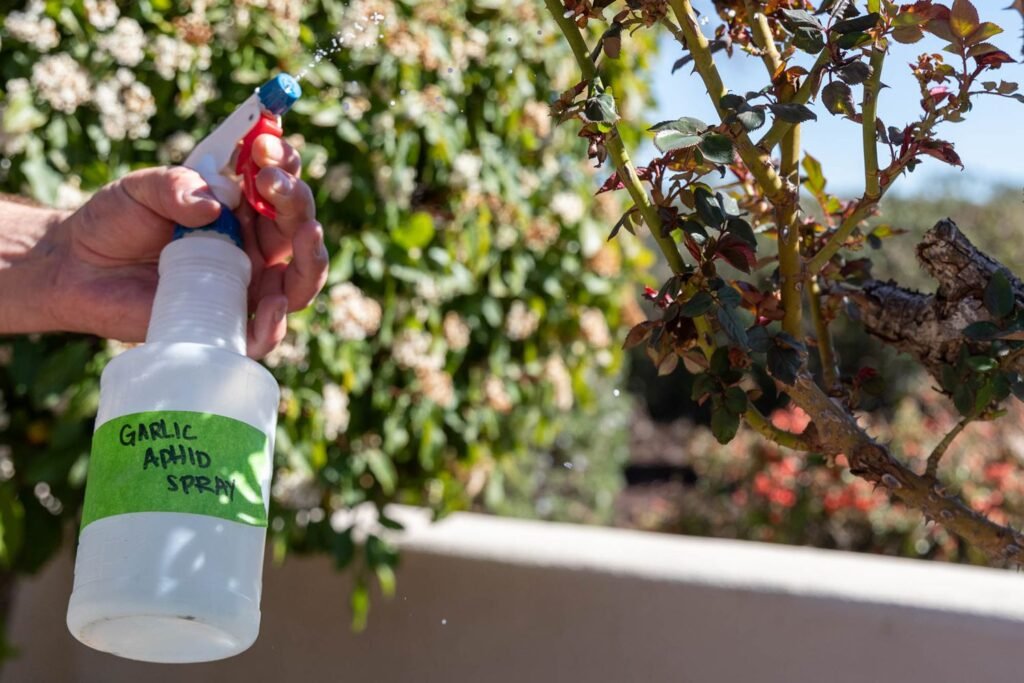
4. Use Homemade Natural Sprays
Several natural sprays are effective in controlling aphids without harming plants or soil.
Common DIY Sprays:
- Soapy Water Spray
- Mix 1–2 tablespoons of mild liquid soap in 1 quart of water.
- Spray directly on aphids; soap dissolves their protective coating.
- Neem Oil Spray
- Dilute according to label instructions and spray on leaves.
- Disrupts aphids’ feeding and growth cycles.
- Garlic or Chili Spray
- Blend garlic or chili with water, strain, and spray on plants.
- Repels aphids and deters reinfestation.
Application Tips:
- Spray undersides of leaves and new growth.
- Repeat every 5–7 days until the aphids are under control.
- Test sprays on a small area first to ensure plants tolerate the solution.
Tip: Avoid strong detergents or harsh soaps, as they can damage leaves.
5. Encourage Companion Planting
Certain plants naturally repel aphids or attract their predators.
Plants That Repel Aphids:
- Garlic, chives, and onions: Strong scent deters aphids.
- Marigolds: Emit compounds that repel aphids.
- Mint: Can keep aphids away from surrounding plants.
Plants That Attract Aphid Predators:
- Dill, fennel, yarrow, and cosmos: Attract ladybugs, lacewings, and parasitic wasps.
Action Steps:
- Interplant repellent and flowering plants throughout the garden.
- Rotate companion plants each season to maintain natural pest control.
Tip: Companion planting supports a balanced ecosystem and reduces reliance on chemical treatments.
6. Remove Infested Plant Parts
Manual removal is a direct and effective method, especially for small infestations.
How to Do It:
- Snip off heavily infested leaves, buds, or stems.
- Dispose of them far from the garden to prevent aphids from returning.
- For minor infestations, wipe aphids off with a damp cloth.
Advantages:
- Reduces population quickly without harming other insects.
- Prevents aphids from spreading to healthy parts of the plant.
Tip: Always wear gloves and inspect nearby plants to catch any overlooked aphids.
7. Maintain Healthy Plants and Garden Hygiene
Strong, healthy plants are more resistant to aphids and other pests.
Preventive Strategies:
- Proper watering and fertilization: Avoid over-fertilizing with nitrogen, which can attract aphids.
- Mulching: Conserves moisture and reduces stress on plants.
- Pruning: Remove crowded branches to improve air circulation.
- Cleanliness: Remove fallen leaves and plant debris where aphids may hide or overwinter.
Tip: Stressed plants are more vulnerable to aphids; keeping plants robust reduces infestations naturally.
8. Use Physical Barriers
For certain crops, barriers can prevent aphids from reaching your plants.
Options Include:
- Floating row covers: Lightweight fabric that allows sunlight and water but blocks pests.
- Sticky traps: Yellow sticky cards attract flying aphids and reduce populations.
Action Steps:
- Install covers early in the season before aphids appear.
- Replace sticky traps when they are full or dirty.
Tip: Physical barriers work best when combined with other natural control methods.
9. Monitor and Repeat Treatments
Natural aphid control requires consistency and observation.
Steps for Ongoing Management:
- Inspect plants weekly to catch new infestations.
- Reapply sprays and release beneficial insects as needed.
- Rotate control methods to prevent aphids from adapting or returning.
Tip: Small, consistent interventions prevent aphid populations from exploding.
Conclusion
Aphids can be frustrating, but they are manageable without chemicals. Early detection, natural sprays, beneficial insects, companion planting, and garden hygiene are all effective strategies for controlling aphids while maintaining a healthy ecosystem.
By adopting holistic, chemical-free methods, gardeners can protect their plants, encourage biodiversity, and reduce reliance on pesticides. Healthy soil, strong plants, and a garden teeming with beneficial insects create a self-regulating environment where aphids are kept in check naturally.
Tip: Combining multiple strategies—manual removal, natural sprays, and predator introduction—offers the most reliable aphid control. With patience and attention, your garden can thrive aphid-free while remaining safe and sustainable for people, pets, and wildlife.