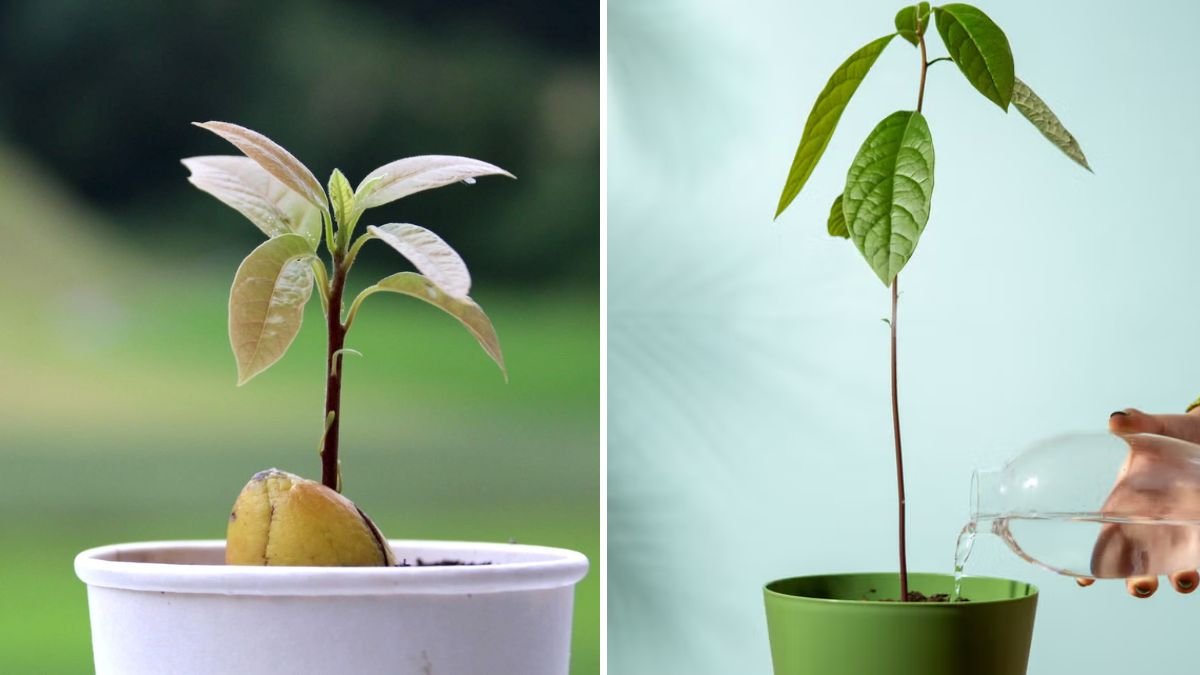
Avocado trees, with their glossy, vibrant green leaves and tropical charm, have become increasingly popular as indoor plants. Growing avocados indoors not only brings a lush, exotic vibe to your living space but also allows you to enjoy the satisfaction of cultivating a plant that can eventually bear fruit. While indoor avocado cultivation requires patience and care, it is achievable with the right techniques, containers, lighting, and maintenance. This guide provides comprehensive information on selecting varieties, planting, care, and maximizing your indoor avocado’s growth potential.
Why Grow Avocados Indoors?
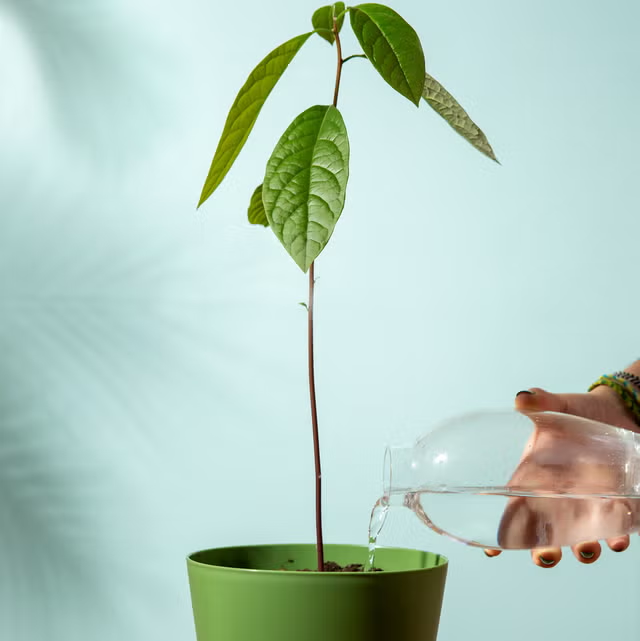
Indoor avocado cultivation offers several benefits:
- Aesthetic appeal: Avocado trees add a tropical touch to homes with their large, glossy leaves.
- Air purification: Like many houseplants, avocado trees help improve indoor air quality.
- Educational experience: Growing avocados from seed or sapling provides insight into plant biology and tropical fruit cultivation.
- Potential fruit harvest: While fruiting may take several years indoors, dwarf and grafted varieties can eventually produce avocados with proper care.
- Space-friendly gardening: Ideal for apartments, sunrooms, or spaces without outdoor garden areas.
Choosing the Right Avocado Variety for Indoor Growth
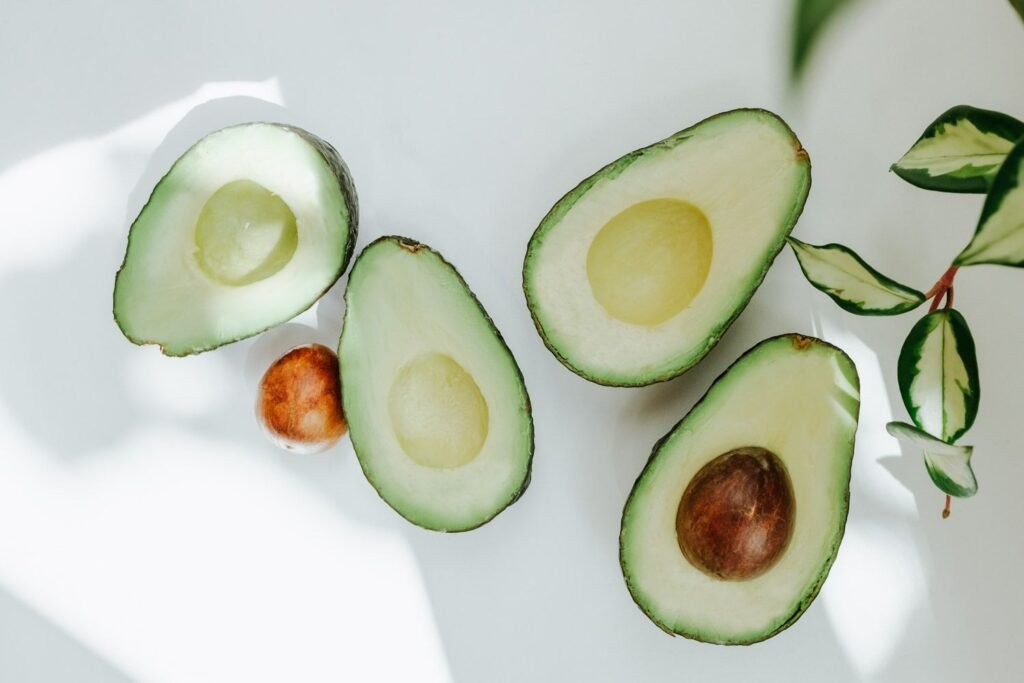
Not all avocado varieties are suitable for indoor cultivation. Dwarf or semi-dwarf types are preferable because they remain compact, grow more slowly, and are easier to manage in containers.
Recommended indoor avocado varieties:
- ‘Wurtz’ (also called ‘Little Cado’): Dwarf variety reaching 6–10 feet indoors; known for early fruiting.
- ‘Bacon’ and ‘Fuerte’: Semi-dwarf varieties suitable for large containers; produce high-quality fruit.
- ‘Gwen’ and ‘Holiday’: Compact trees with excellent flavor and manageable growth.
Tip: Grafted saplings from nurseries are often the best choice for indoor fruit production, as they produce fruit faster than plants grown from seed.
Growing Avocado from Seed or Sapling
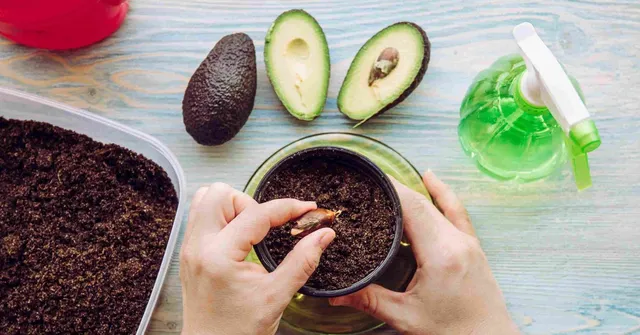
There are two main methods to grow an indoor avocado: starting from seed or planting a young grafted sapling.
Starting from Seed
- Remove and clean the pit from a ripe avocado.
- Suspend the seed in water using toothpicks, keeping the bottom (wider end) submerged.
- Place in a warm, sunny location and change water every 2–3 days.
- In 2–6 weeks, roots and a shoot will emerge.
- Once roots are robust and a stem develops several inches, transplant into a 10–12 inch pot with well-draining soil.
Planting a Grafted Sapling
- Select a young, healthy grafted avocado tree from a nursery.
- Plant in a container with a well-draining potting mix rich in organic matter.
- Water thoroughly and place in a sunny location.
Advantages of saplings: Faster growth, earlier fruiting, and more predictable fruit quality.
Choosing the Right Container and Soil
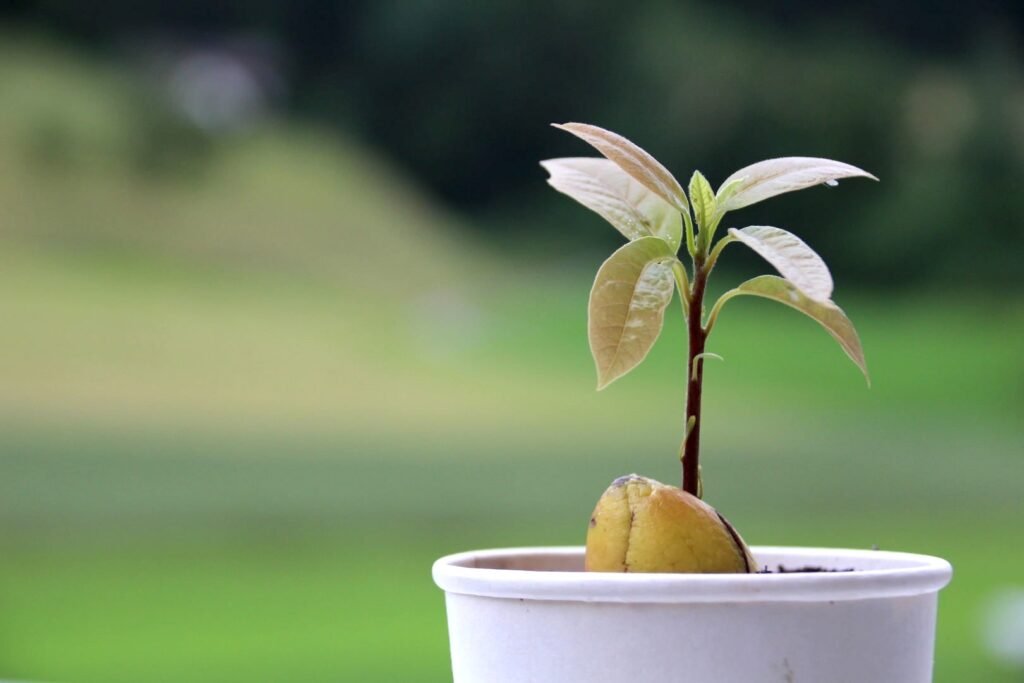
Container selection is critical for indoor avocado success:
- Size: Start with a 10–12 inch pot for seedlings and gradually move to a 15–20 inch container as the tree grows. Large containers allow ample root space and reduce the risk of root-bound plants.
- Material: Terra cotta or plastic pots are ideal. Terra cotta offers good aeration, while plastic retains moisture longer.
- Drainage: Ensure multiple drainage holes to prevent waterlogging, which can cause root rot.
Soil requirements:
- Use a well-draining potting mix with organic matter.
- A mixture of potting soil, sand, and compost works well.
- Slightly acidic to neutral soil (pH 6–7) is optimal for growth.
Tip: Adding perlite or coarse sand enhances drainage and prevents soil compaction.
Lighting Requirements
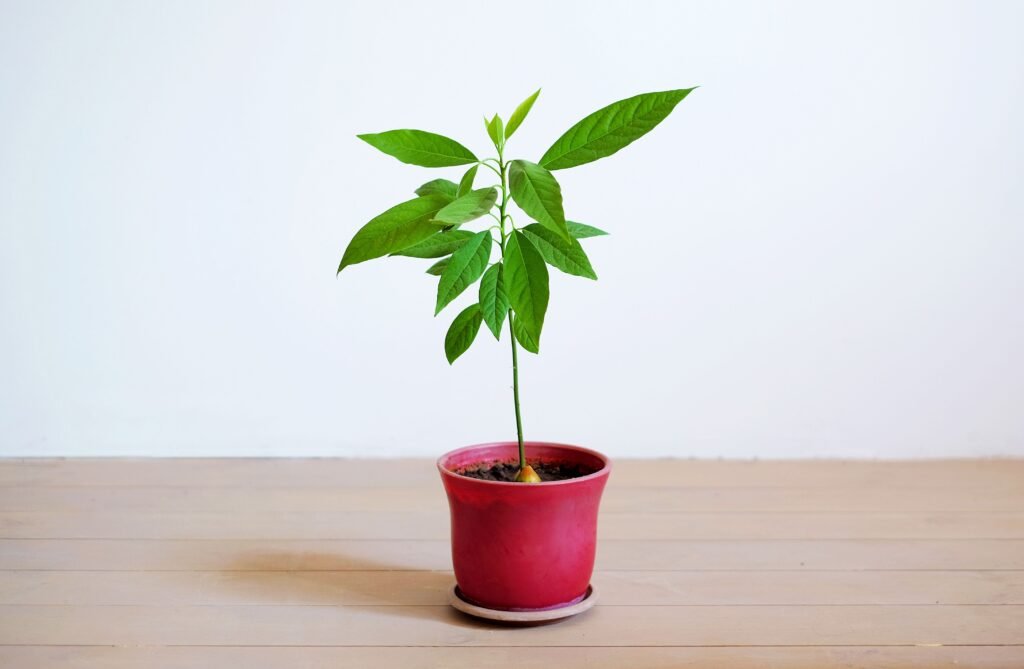
Avocado trees require plenty of sunlight to thrive indoors:
- Sunlight: 6–8 hours of direct sunlight per day is ideal.
- Placement: South or west-facing windows work best.
- Supplemental lighting: In low-light conditions, use a grow light for 12–14 hours daily to ensure proper growth.
Tip: Rotate the tree every few weeks to ensure even light exposure and prevent leaning.
Watering and Fertilization
Proper watering and nutrition are crucial for healthy avocado growth:
Watering tips:
- Water when the top 1–2 inches of soil feel dry.
- Deep watering encourages strong root development.
- Avoid overwatering, which can lead to root rot.
Fertilization:
- Use a balanced, slow-release fertilizer or a fertilizer specifically formulated for fruit trees.
- Apply fertilizer every 2–3 months during the growing season (spring and summer).
- Reduce or pause fertilization in winter when growth slows.
Tip: Avocados benefit from micronutrients like zinc and iron, which can be applied as foliar sprays if deficiencies appear.
Pruning and Training
Indoor avocado trees benefit from regular pruning to control size, encourage branching, and maintain a bushy shape:
- Initial pruning: Pinch the top of the stem when the plant reaches 12–18 inches to promote lateral growth.
- Maintenance pruning: Remove dead, diseased, or overly long branches to maintain structure.
- Training: Use stakes or supports to keep stems upright and prevent breakage.
Pruning helps maintain a manageable size for indoor spaces and ensures light reaches all parts of the tree.
Pollination for Fruit Production
Avocado flowers are unique because they have both male and female reproductive phases. While some avocado varieties are self-pollinating, indoor trees may require assistance to produce fruit:
Hand-pollination tips:
- Use a soft brush or cotton swab to transfer pollen from male flowers to female flowers.
- Perform pollination in the morning when flowers are receptive.
- Focus on multiple flowers to increase fruit set.
Even a small number of flowers can result in successful fruit development if pollination is done carefully.
Managing Pests and Diseases
Indoor avocados are less prone to outdoor pests but may still encounter issues:
Common pests:
- Spider mites, aphids, and scale insects.
Treatment:
- Use insecticidal soap or neem oil to treat infestations.
- Regularly inspect leaves and stems.
Common diseases:
- Root rot due to overwatering.
- Leaf spot caused by fungal pathogens.
Prevention:
- Ensure proper drainage and avoid overwatering.
- Maintain air circulation around the plant.
- Remove diseased leaves promptly.
Repotting and Long-Term Care
As your avocado grows, it will eventually outgrow its container:
- Repot every 1–2 years into a slightly larger container.
- Refresh the potting mix to replenish nutrients.
- Avoid disturbing the roots excessively.
Regular maintenance, including pruning, proper watering, and feeding, ensures a thriving indoor avocado tree that can live for many years and potentially produce fruit.
Additional Tips for a Tropical Indoor Touch
- Companion plants: Plant small tropical companions like ferns or calatheas around the avocado to enhance the tropical ambiance.
- Humidity: Avocados prefer moderate humidity. Use a pebble tray or occasional misting if indoor air is dry.
- Temperature: Keep the tree in temperatures above 60°F (15°C). Avoid placing near drafts or heaters.
- Decorative pots: Choose stylish pots to enhance your indoor décor while providing a healthy root environment.
Conclusion
Growing avocados indoors is a rewarding way to bring a tropical touch to your living space while enjoying the beauty and potential fruit of a lush, vibrant tree. By selecting dwarf or semi-dwarf varieties, using appropriate containers, providing ample sunlight, and maintaining proper watering, fertilization, and pruning routines, gardeners can cultivate thriving indoor avocado trees.
With patience, hand-pollination, and careful monitoring of pests and diseases, indoor avocado cultivation can lead to years of enjoyment, offering a unique combination of aesthetic appeal and the satisfaction of potentially harvesting your own avocados. Whether grown from seed for the experience or from a grafted sapling for faster fruiting, indoor avocados create a tropical oasis that enhances any home, combining greenery, fragrance, and the promise of delicious, homegrown fruit.