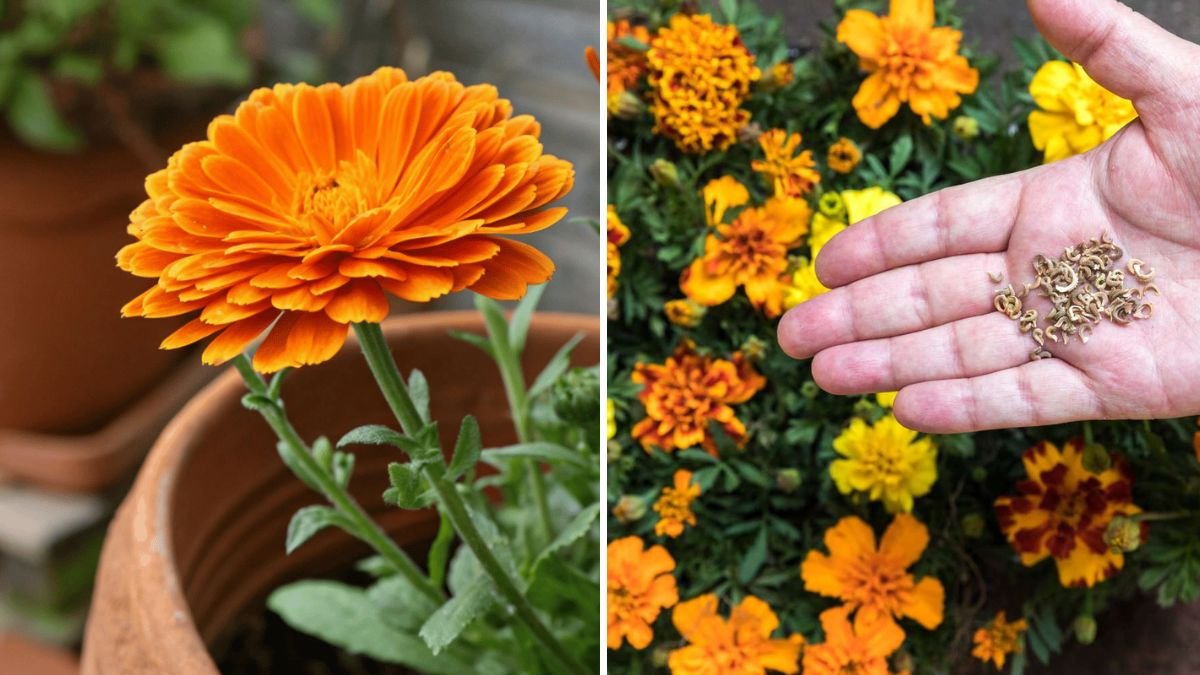
Marigolds (Tagetes spp.) are more than just vibrant, cheerful flowers—they are powerful natural allies in pest control. When grown in pots, marigolds offer gardeners the flexibility to enhance garden aesthetics, protect plants from pests, and enjoy easy maintenance, all in a compact space. Potted marigolds are ideal for patios, balconies, vegetable beds, and container gardens, providing season-long blooms and natural pest deterrence.
This article will guide you through the best practices for growing marigolds in pots, tips for maximizing their pest-repelling properties, and strategies for ensuring healthy, vigorous growth.
Understanding Marigolds and Their Benefits
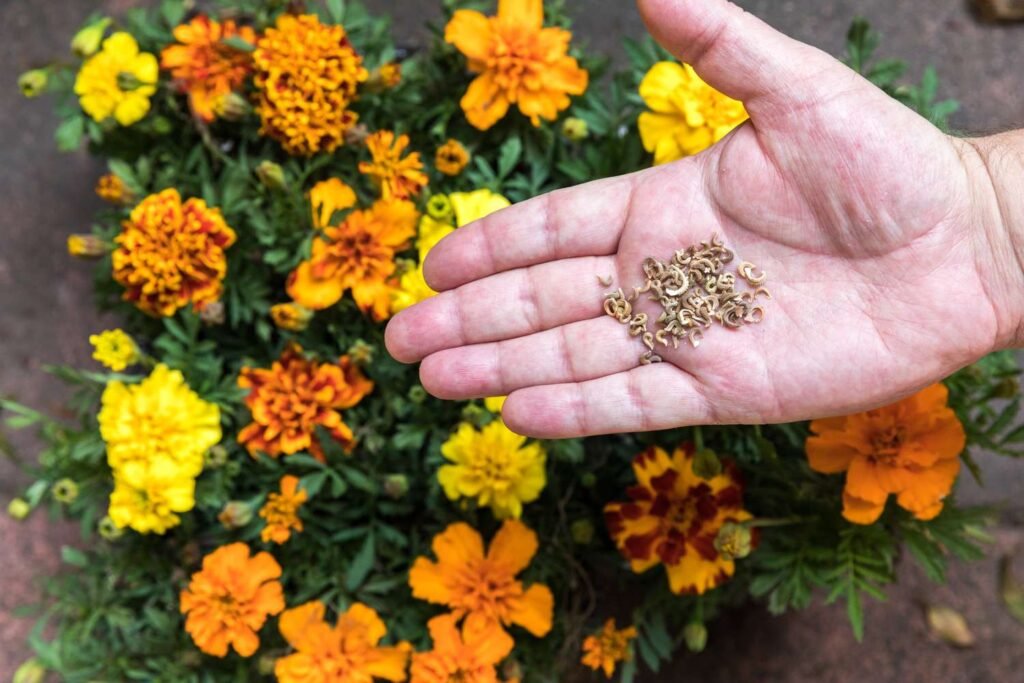
Marigolds are fast-growing annuals with bright orange, yellow, and red flowers. They are known for their strong scent, which acts as a natural repellent for pests such as:
- Aphids
- Whiteflies
- Nematodes
- Mexican bean beetles
Marigolds also attract beneficial insects like ladybugs and hoverflies, which help maintain a healthy garden ecosystem. When grown in pots, they can be strategically placed near vulnerable plants, giving you both beauty and functional pest control.
1. Choosing the Right Marigold Variety
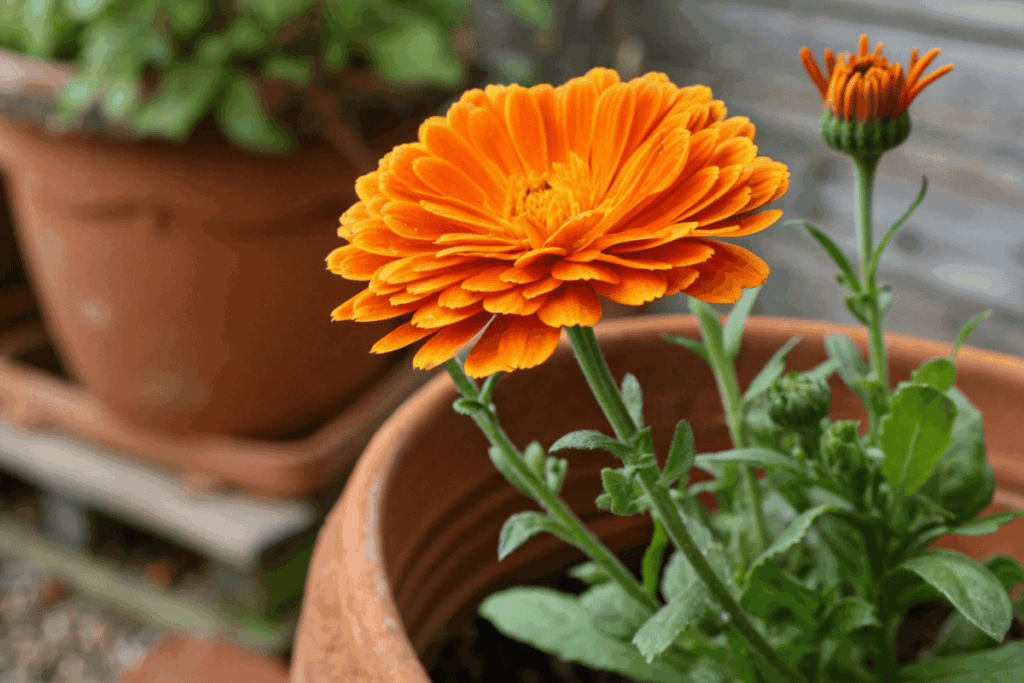
Several marigold varieties are suitable for container gardening:
- French Marigolds (Tagetes patula): Compact, bushy plants ideal for small pots and borders. They produce a continuous display of blooms and repel nematodes effectively.
- African Marigolds (Tagetes erecta): Tall, large-flowered varieties best suited for larger pots or as focal points in container arrangements.
- Signet Marigolds (Tagetes tenuifolia): Trailing varieties perfect for hanging baskets or cascading over container edges, also edible and fragrant.
Tip: Select a variety that matches your pot size and desired garden effect—compact varieties for small spaces, taller varieties for dramatic displays.
2. Selecting the Perfect Pot
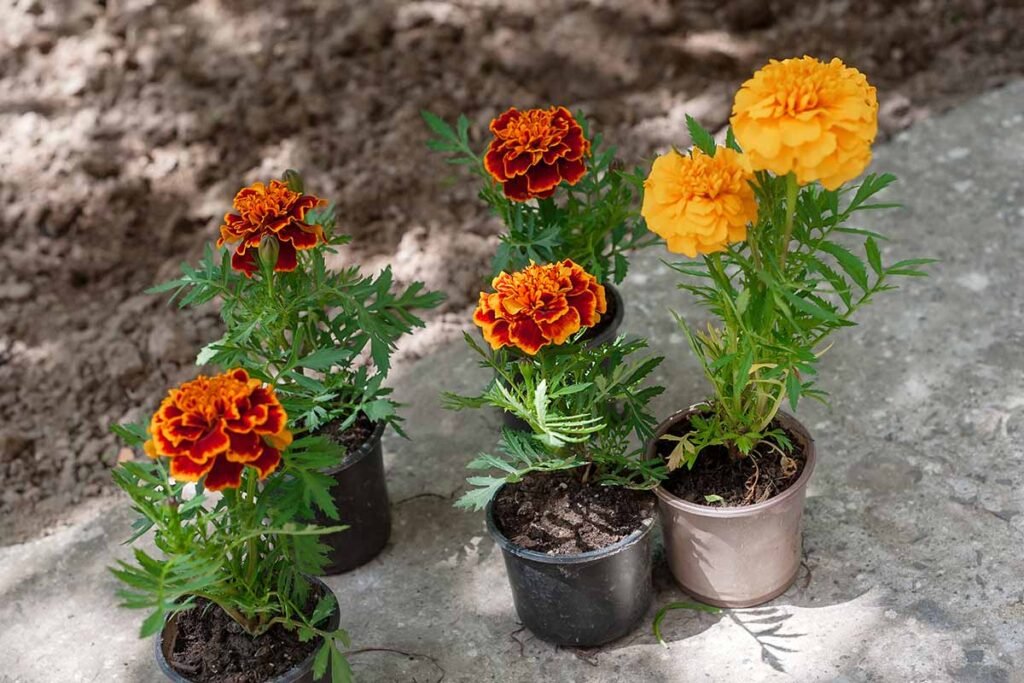
Choosing the right container is crucial for healthy marigold growth:
- Size: Choose pots at least 8–12 inches in diameter for French marigolds; African marigolds may need 12–18 inches.
- Material: Terracotta, ceramic, or plastic pots are suitable. Terracotta is porous, helping prevent overwatering, while plastic retains moisture longer.
- Drainage: Ensure pots have drainage holes to prevent waterlogging, which can lead to root rot.
Tip: Use saucers to catch excess water and protect surfaces, but avoid letting pots sit in standing water.
3. Choosing the Right Soil
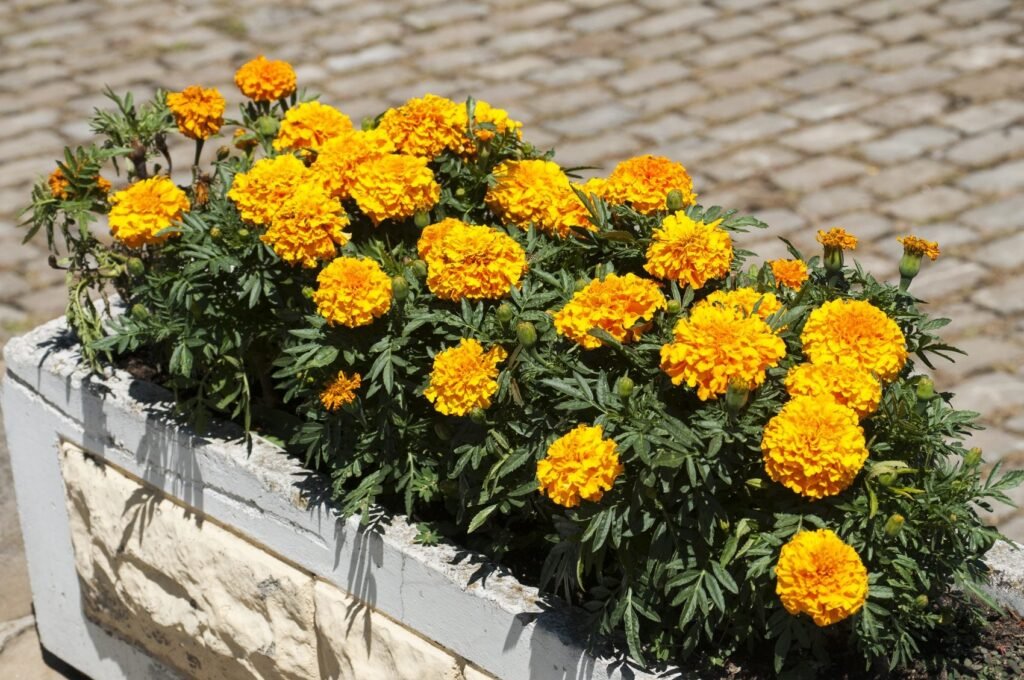
Marigolds thrive in well-draining, nutrient-rich soil:
- Use a high-quality potting mix, ideally with organic matter for moisture retention and nutrients.
- Avoid heavy garden soil that can compact in containers.
- Adding perlite or sand improves drainage and prevents root rot.
Tip: Slightly acidic to neutral soil (pH 6.0–7.0) is ideal for optimal growth and flowering.
4. Planting Marigolds in Pots
Follow these steps for successful planting:
- Fill the pot with potting mix, leaving 1–2 inches at the top.
- Sow seeds directly or transplant seedlings, spacing French marigolds 6–8 inches apart; African marigolds may need 12 inches.
- Cover seeds lightly with soil and water gently to settle the soil.
- Place the pot in a sunny location, as marigolds require at least 6 hours of direct sunlight daily.
Tip: Avoid overcrowding, which can reduce airflow and increase the risk of fungal diseases.
5. Watering and Fertilization
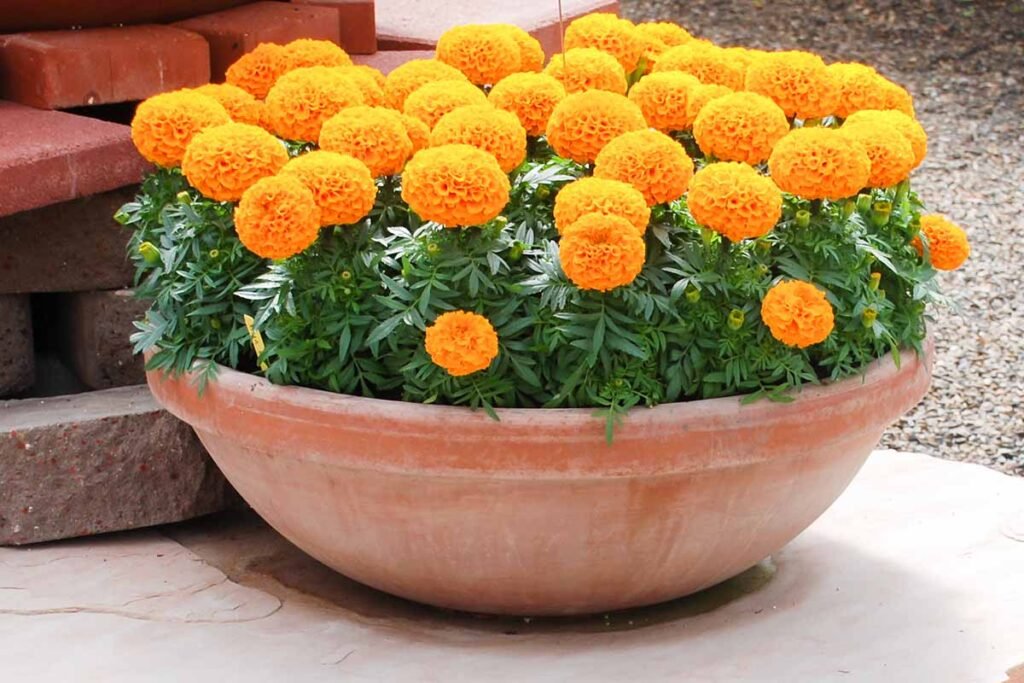
Proper watering and feeding are essential for strong, pest-resistant marigolds:
- Watering: Keep soil consistently moist but not soggy. Water at the base of the plant to avoid wetting foliage, which can encourage disease.
- Fertilization: Use a balanced, slow-release fertilizer or liquid fertilizer every 2–3 weeks. Over-fertilization can lead to lush foliage with fewer flowers.
Tip: Mulching the pot surface with organic material helps retain moisture and keeps roots cool.
6. Maximizing Pest-Repelling Benefits
Marigolds release natural compounds that deter pests. To make the most of this:
- Strategic Placement: Position pots near vegetable beds, tomatoes, peppers, or other vulnerable plants.
- Companion Planting: Pair marigolds with crops like tomatoes, cucumbers, or beans to protect against aphids and nematodes.
- Interplanting: Plant marigolds in small pots interspersed among other container plants for continuous protection.
Tip: Plant a mix of French and signet marigolds to attract beneficial insects while keeping pests at bay.
7. Deadheading and Pruning
Regular maintenance ensures prolonged blooming and pest-free vigor:
- Remove spent flowers (deadheading) to encourage continuous blooms.
- Trim leggy stems to maintain a compact, bushy shape.
- Check leaves for early signs of pests like aphids or spider mites and remove affected parts promptly.
Tip: Healthy, well-maintained plants are naturally more resistant to pest infestations.
8. Overwintering Potted Marigolds
In colder climates, marigolds cannot survive frost. To extend their life:
- Bring pots indoors before the first frost.
- Place in a bright, cool location with indirect sunlight.
- Reduce watering, allowing soil to dry slightly between waterings.
- Alternatively, treat marigolds as annuals and replant next spring.
Tip: Save seeds from healthy plants for a fresh crop next year, ensuring continuity in your pest-repelling garden.
9. Troubleshooting Common Issues
Even container-grown marigolds can face problems:
- Yellowing Leaves: Often caused by overwatering or nutrient deficiency. Adjust watering and fertilize lightly.
- Powdery Mildew: Ensure good air circulation and avoid wetting leaves. Remove affected foliage promptly.
- Aphids: Spray with insecticidal soap or a strong water jet; companion planting helps prevent infestations.
Tip: Regular observation is key. Catching problems early ensures healthy plants and continuous pest protection.
10. Additional Tips for Stunning Potted Marigolds
- Mix different marigold varieties for color contrast and layered height effects.
- Use decorative pots to enhance patio or balcony aesthetics.
- Rotate pots occasionally to ensure even sunlight exposure and prevent uneven growth.
- Combine marigolds with other container-friendly companions like basil, nasturtiums, or petunias for added beauty and garden health.
Benefits of Growing Marigolds in Pots
- Natural Pest Control: Their scent and compounds repel common garden pests, reducing the need for chemical insecticides.
- Quick and Vibrant Blooms: Marigolds grow rapidly and provide color throughout the growing season.
- Versatile and Portable: Pots allow flexible placement and seasonal rearrangement.
- Low Maintenance: Minimal watering, feeding, and pruning are required once established.
- Eco-Friendly Gardening: Companion planting with marigolds reduces pesticide use, supporting a healthy ecosystem.
Conclusion
Growing marigolds in pots is a simple, effective, and visually appealing strategy for maintaining a pest-free garden. By selecting the right variety, providing proper soil, water, and sunlight, and strategically placing pots near vulnerable plants, gardeners can enjoy vibrant blooms and natural pest control all season long.
Whether you are a beginner gardener or an experienced enthusiast, potted marigolds are a reliable, low-maintenance solution that beautifies your space while protecting other plants. With a little planning and care, these cheerful flowers can transform your garden into a lush, colorful, and pest-resistant paradise.