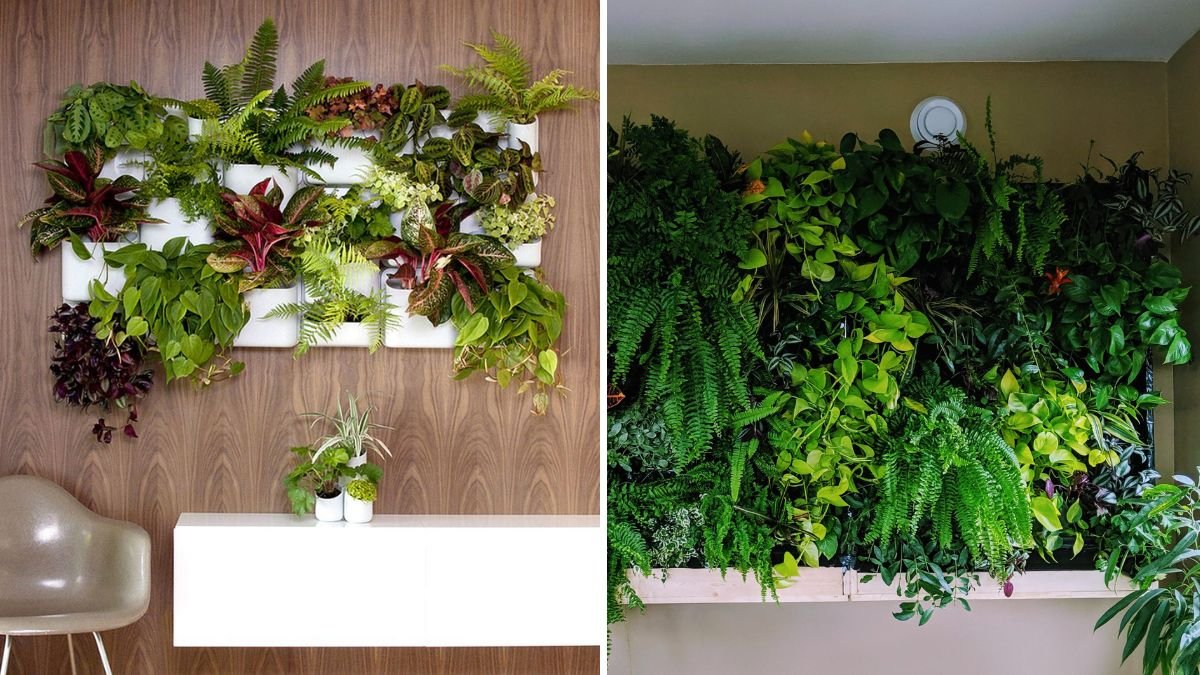
Indoor gardening has evolved from traditional potted plants to innovative vertical designs, and succulent walls have become a popular trend for both homes and offices. A succulent wall is a living piece of art, combining aesthetics, functionality, and greenery. These vertical gardens not only beautify interiors but also improve air quality, provide stress relief, and make efficient use of limited space.
If you’re looking to create a stunning indoor or outdoor feature, here’s a comprehensive guide on how to grow succulent walls, covering planning, plant selection, installation, maintenance, and creative design ideas.
1. Why Choose Succulent Walls?
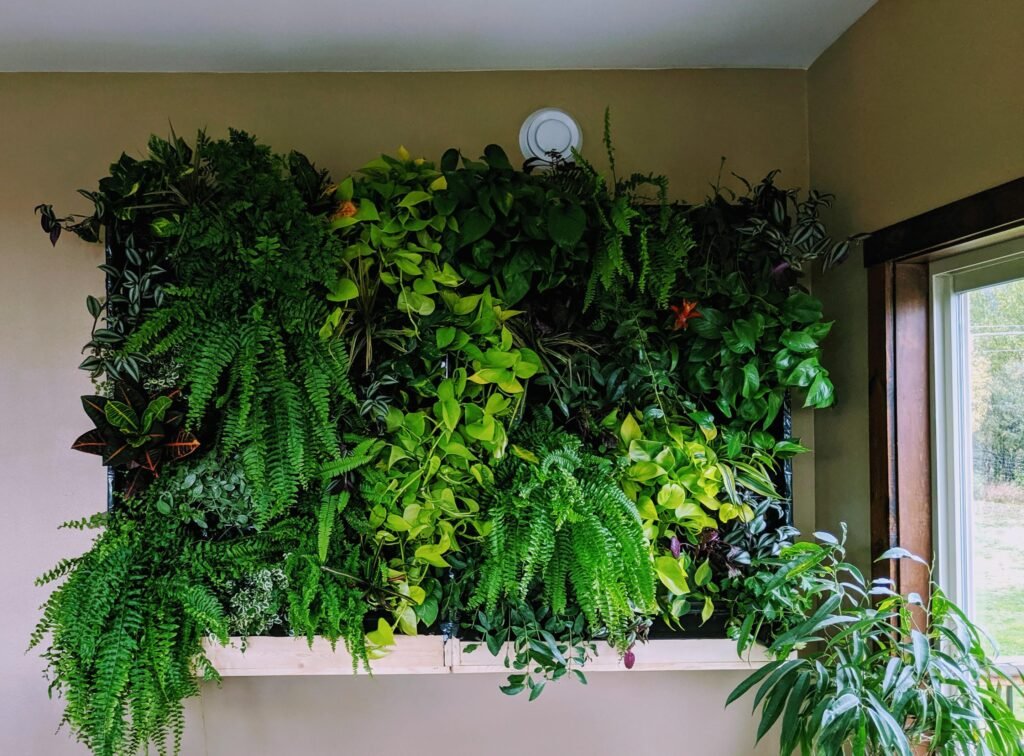
Succulent walls are more than just decorative:
- Space-saving: Perfect for small apartments, offices, or tight outdoor areas.
- Low maintenance: Succulents require minimal watering and care.
- Air purification: Many succulents improve indoor air quality.
- Visual appeal: Provide texture, color, and a natural focal point.
- Stress reduction: Vertical gardens enhance mood and promote a calming environment.
Pro Tip: Succulent walls are ideal for creating a living décor statement, blending art and nature seamlessly.
2. Choosing the Right Location
Succulent walls require thoughtful placement for optimal growth:
- Light requirements: Most succulents need bright, indirect sunlight. Outdoor walls or near a sunny window indoors are ideal.
- Temperature: Ensure moderate temperatures; avoid frost-prone areas for sensitive succulents.
- Accessibility: Position for easy watering and maintenance.
Pro Tip: A south-facing wall indoors or outdoors typically provides the best light conditions.
3. Selecting Succulent Varieties
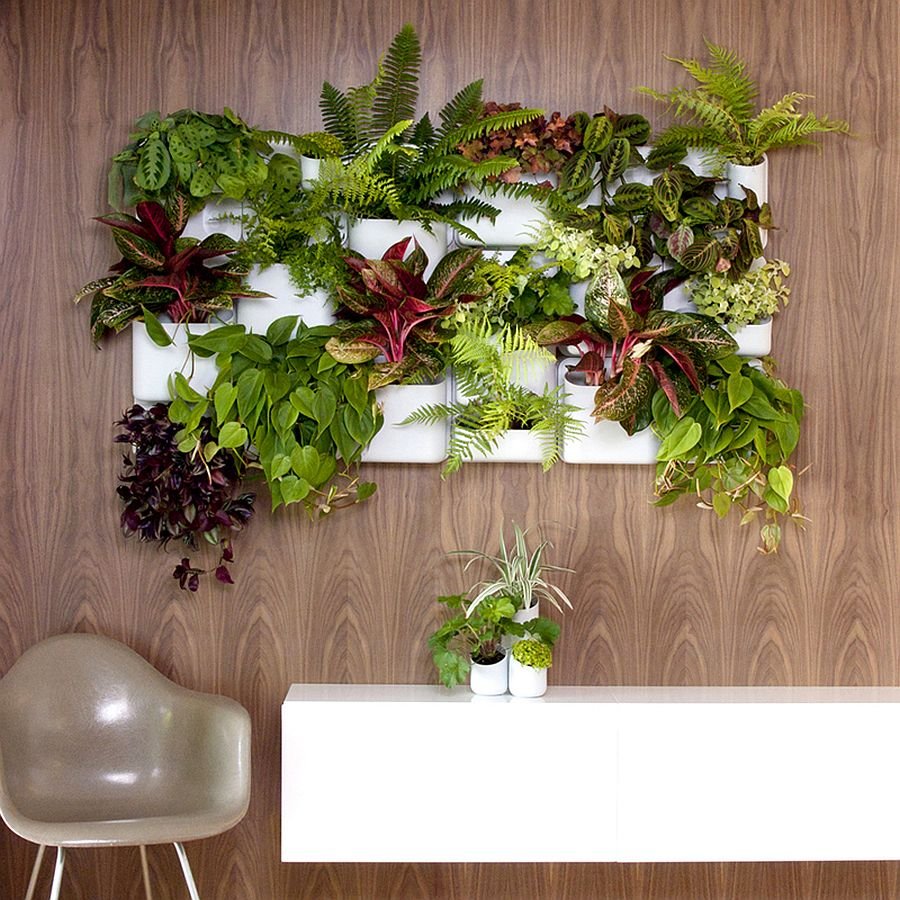
Choosing the right succulents is key for a thriving wall:
- Echeveria: Rosette-shaped leaves with vibrant colors.
- Sedum: Hardy and versatile; spreads easily.
- Crassula: Thick, waxy leaves; adds texture.
- Haworthia: Tolerates shade, ideal for indoor walls.
- Sempervivum: Cold-tolerant, perfect for outdoor succulent walls.
Pro Tip: Combine succulents of different colors, sizes, and textures for a dynamic and visually appealing wall.
4. Designing Your Succulent Wall
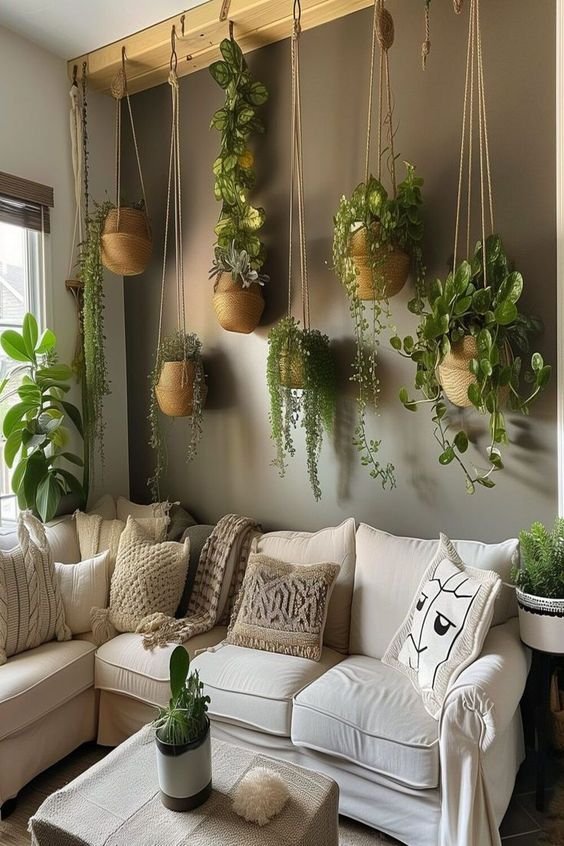
Step 1: Choose a Frame or Structure
- Wooden frame with pockets: Classic DIY option; allows easy planting and drainage.
- Metal frame with mesh: Modern and durable; supports larger installations.
- Modular planter panels: Ready-made and easy to assemble indoors.
Step 2: Consider Layout and Patterns
- Grid patterns: Clean and structured look.
- Random or natural layout: Mimics nature with varied textures.
- Color blocking: Group similar-colored succulents for artistic impact.
Pro Tip: Sketch your design before planting to visualize colors, spacing, and texture.
5. Preparing the Soil
Proper soil is essential for healthy succulents:
- Use a well-draining succulent or cactus mix.
- Mix with perlite or sand to improve aeration and drainage.
- Avoid heavy, moisture-retentive soils that can cause root rot.
Pro Tip: Layer the frame with mesh or fabric to hold soil in place while allowing drainage.
6. Planting Your Succulent Wall
- Prepare the frame: Line the structure with soil, moss, or felt to support the plants.
- Arrange plants: Start from the bottom and work your way up to prevent soil displacement.
- Plant carefully: Insert roots gently into the soil pockets.
- Fill gaps: Use smaller succulents, moss, or pebbles to cover empty spaces.
Pro Tip: Group plants with similar watering and light requirements together for easier maintenance.
7. Watering Your Succulent Wall
Watering is the most critical factor for the success of succulent walls:
- Use a drip irrigation system for large walls or hand-water carefully for small installations.
- Frequency: Water once every 1–2 weeks, depending on light, temperature, and indoor/outdoor location.
- Avoid overwatering; succulents store water in their leaves and do not tolerate soggy soil.
- Mist lightly for humidity but avoid wetting the leaves excessively.
Pro Tip: Water early in the day to allow soil to dry before nightfall, reducing the risk of rot.
8. Maintaining a Succulent Wall
- Prune and trim: Remove dead or damaged leaves to encourage growth.
- Fertilize sparingly: Use a balanced succulent fertilizer during the growing season.
- Monitor pests: Watch for aphids, mealybugs, or spider mites; treat promptly with neem oil or mild soap solution.
- Rotate plants: If indoors, rotate wall panels occasionally to ensure uniform light exposure.
Pro Tip: Inspect your wall regularly for soil dryness and plant health, as vertical installations can dry unevenly.
9. Creative Design Ideas
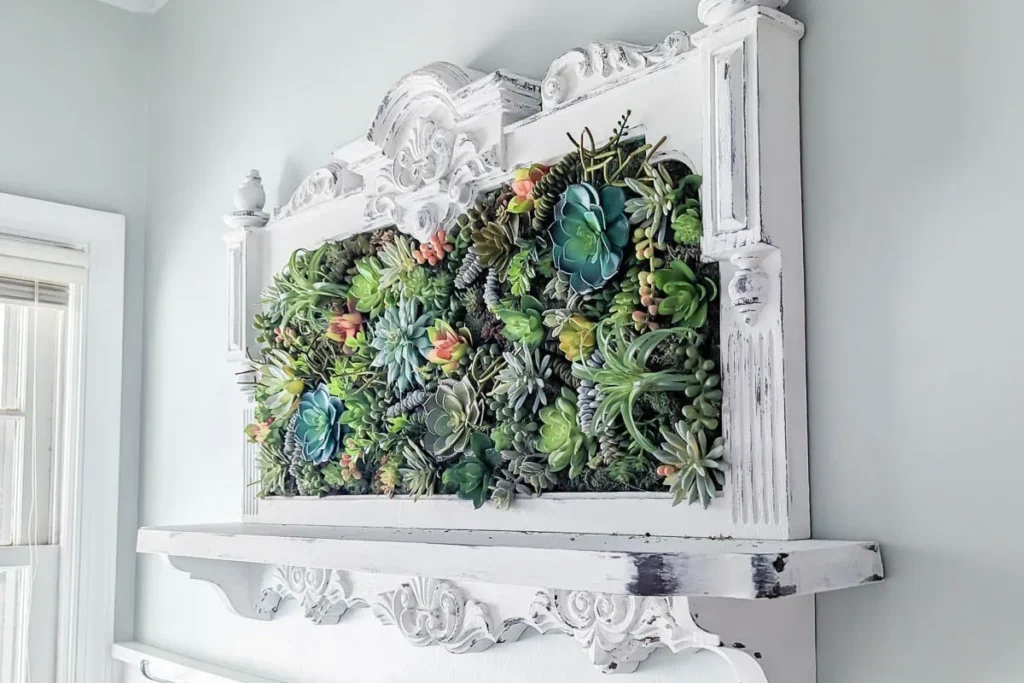
- Living art: Create patterns, shapes, or even words with colored succulents.
- Mixed textures: Combine succulents with trailing plants like string of pearls or sedum.
- Indoor focal wall: Install a small succulent panel in living rooms or hallways for visual interest.
- Outdoor garden feature: Use vertical gardens as privacy screens or boundary walls.
Pro Tip: Succulent walls can be scaled to fit any space, from small desk-sized panels to full wall installations.
10. Common Challenges and How to Overcome Them
| Challenge | Cause | Solution |
|---|---|---|
| Succulent leaves turning yellow | Overwatering | Reduce watering; ensure well-draining soil |
| Plants falling out of pockets | Loose soil or weak frame | Reinforce frame and secure roots |
| Pest infestations | Aphids, mealybugs | Treat with neem oil or insecticidal soap |
| Slow growth | Low light or nutrient deficiency | Increase light exposure; fertilize lightly |
Pro Tip: Start small if you are a beginner, and gradually expand your succulent wall to gain confidence.
11. Benefits of a Succulent Wall
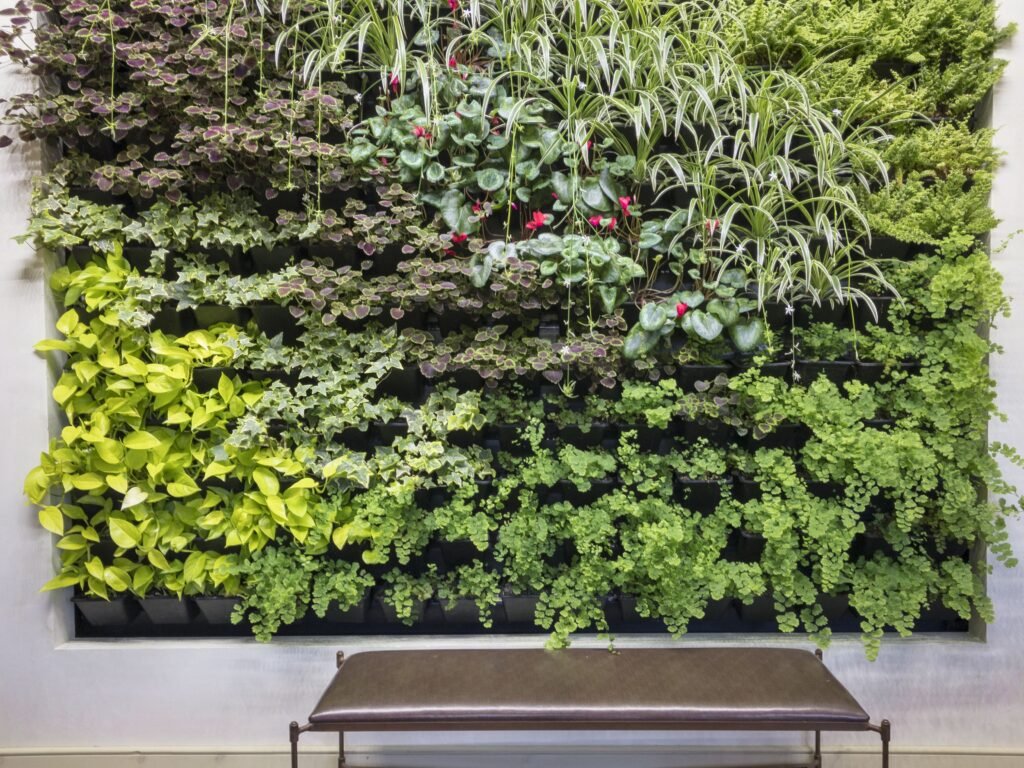
- Visual appeal: Transforms any room into a lush, living space.
- Air purification: Reduces indoor toxins and improves air quality.
- Mental wellness: Adds greenery that reduces stress and promotes relaxation.
- Eco-friendly décor: Low-maintenance and sustainable, perfect for green living.
- Versatility: Can be installed indoors or outdoors, vertically or horizontally.
Pro Tip: Vertical succulent gardens are a modern, eco-conscious alternative to traditional wall art.
Final Thoughts
Creating a succulent wall combines creativity, gardening, and interior design in one beautiful project. By selecting the right plants, preparing the soil, installing a strong frame, and maintaining proper watering and light, your succulent wall can thrive for years.
Key takeaways:
- Choose succulents with similar light and water requirements.
- Use well-draining soil and a sturdy, supportive frame.
- Water carefully and avoid overwatering.
- Incorporate design elements for visual interest.
- Maintain plants regularly to ensure longevity and health.
A succulent wall is not just décor—it’s a living, breathing piece of art that enhances your indoor or outdoor environment, creating a stunning, stress-free green space.