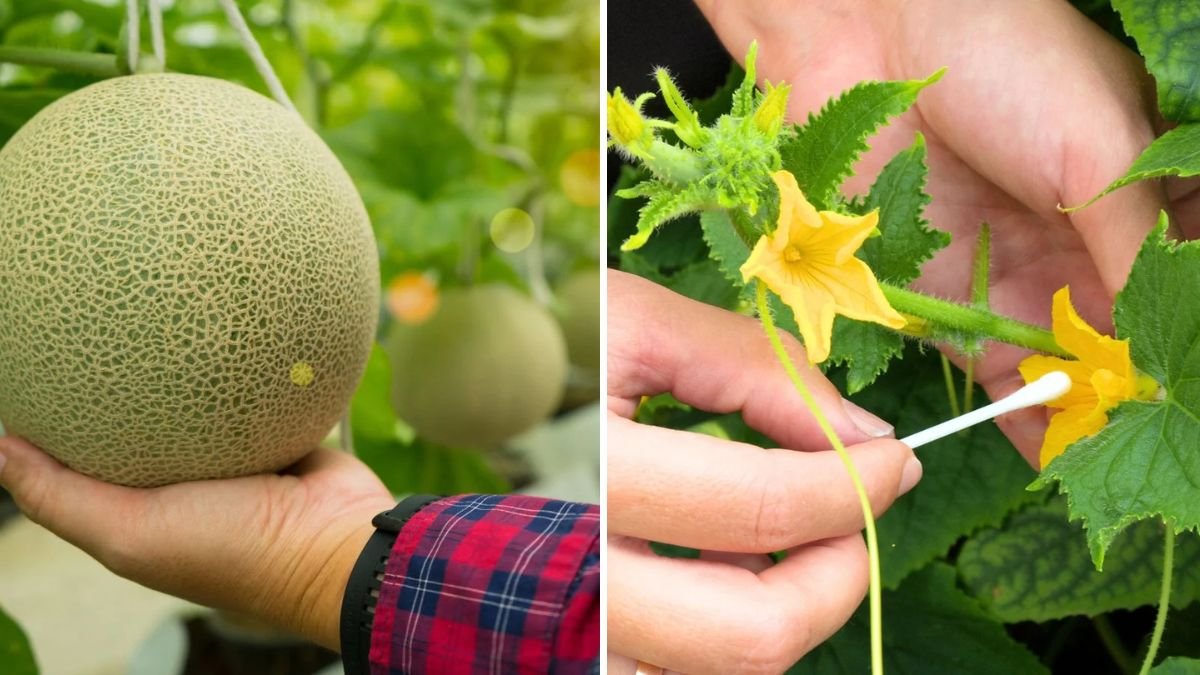
Melons, including varieties like cantaloupe, honeydew, and muskmelon, are prized for their sweet, juicy flesh. However, achieving a bountiful harvest can be challenging, especially in areas where natural pollinators like bees and other insects are scarce or unpredictable. Hand-pollination is a practical and highly effective technique that ensures flowers are fertilized, leading to larger, more uniform fruits. This guide provides detailed information on why hand-pollination matters, how to do it correctly, and tips to maximize melon yields in your garden.
Why Hand-Pollination is Important for Melons
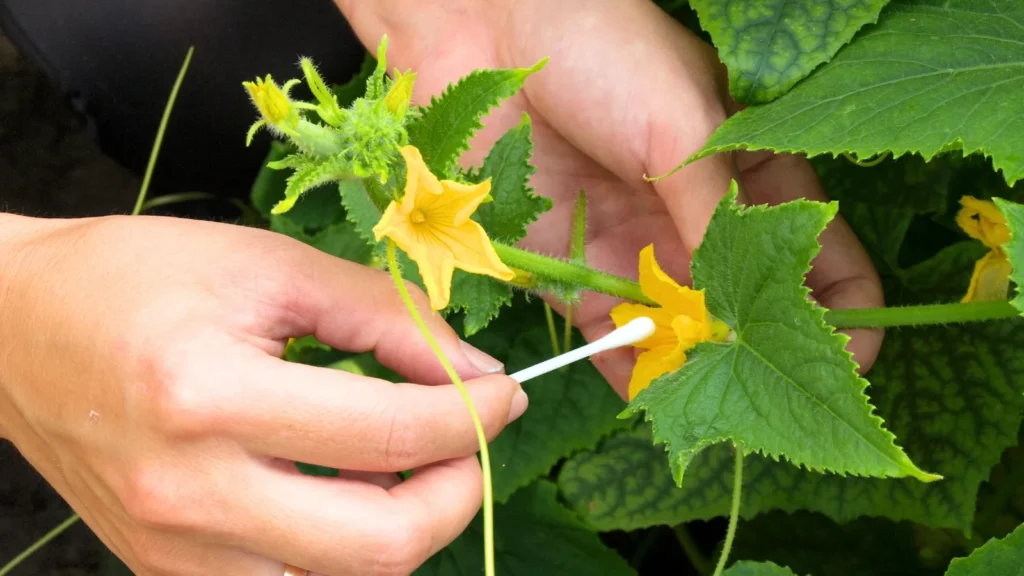
Melon plants are monoecious, meaning they produce both male and female flowers on the same plant. However, not all flowers are naturally pollinated, and environmental factors can interfere with pollination:
- Insufficient pollinators: Urban gardens or areas with pesticide use may have fewer bees.
- Weather conditions: Rain, wind, or extreme heat can reduce pollinator activity.
- Flower timing: Male flowers often appear before female flowers, making natural pollination tricky.
- Maximizing yield: Hand-pollination ensures each female flower receives pollen, increasing fruit set and size.
Without proper pollination, female flowers will shrivel and fall off, resulting in fewer melons. Hand-pollination allows gardeners to bypass these limitations and achieve a consistent, abundant harvest.
Understanding Male and Female Melon Flowers
Before you can hand-pollinate melons, it’s essential to identify male and female flowers:
- Male flowers:
- Appear first on the plant.
- Grow on long, thin stems.
- Contain pollen on the stamen (the central, powdery part).
- Do not produce fruit.
- Female flowers:
- Appear later on the vine.
- Have a swollen base behind the petals, which is the ovary that develops into the melon.
- Contain the stigma, which receives pollen.
Proper identification ensures that pollen is transferred from the male to female flowers efficiently.
Timing Your Hand-Pollination
Melon flowers are usually open in the early morning and close by afternoon. Pollination is most effective during this window:
- Best time: Early morning (7–10 a.m.) when flowers are fully open.
- Frequency: Check your plants every morning during peak flowering season.
- Weather consideration: Avoid pollinating on rainy or windy days, as moisture can wash pollen away and wind can prevent proper pollen transfer.
Hand-pollinating at the right time increases the chance of fruit set and produces bigger, more uniform melons.
How to Hand-Pollinate Melons
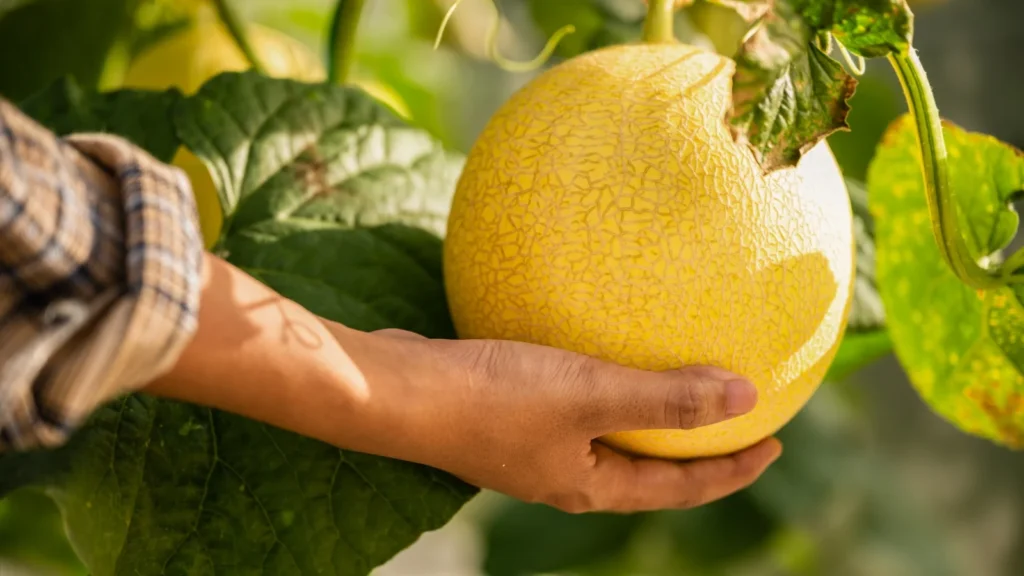
Hand-pollination can be done using a brush, cotton swab, or directly with the male flower. Here are step-by-step instructions:
Method 1: Using the Male Flower Directly
- Identify a healthy male flower with mature pollen.
- Carefully remove the petals to expose the stamen.
- Gently brush or dab the stamen onto the stigma of a female flower.
- Repeat for multiple female flowers to maximize fruit set.
Method 2: Using a Brush or Cotton Swab
- Collect pollen from the stamen of a male flower using a small paintbrush or cotton swab.
- Transfer the pollen to the stigma of the female flower by gently brushing it over the sticky surface.
- Clean the brush or swab between flowers to avoid cross-contamination.
Tips for successful pollination:
- Use only fresh, fully open male flowers.
- Apply pollen lightly but thoroughly to the female stigma.
- Ensure the female flower is fully open and receptive.
- Repeat after 1–2 days if the first attempt doesn’t result in fruit set.
Maximizing Fruit Size Through Proper Pollination
Proper hand-pollination not only ensures fruit set but also influences the size and quality of the melons:
- Single vs. multiple pollination: Some gardeners apply pollen from multiple male flowers to one female flower to maximize fertilization.
- Avoid over-pollination: While thorough pollination is good, excessive handling can damage the delicate stigma.
- Nutrition matters: Healthy, well-fed plants with adequate water and nutrients will convert pollination into larger, sweeter fruits.
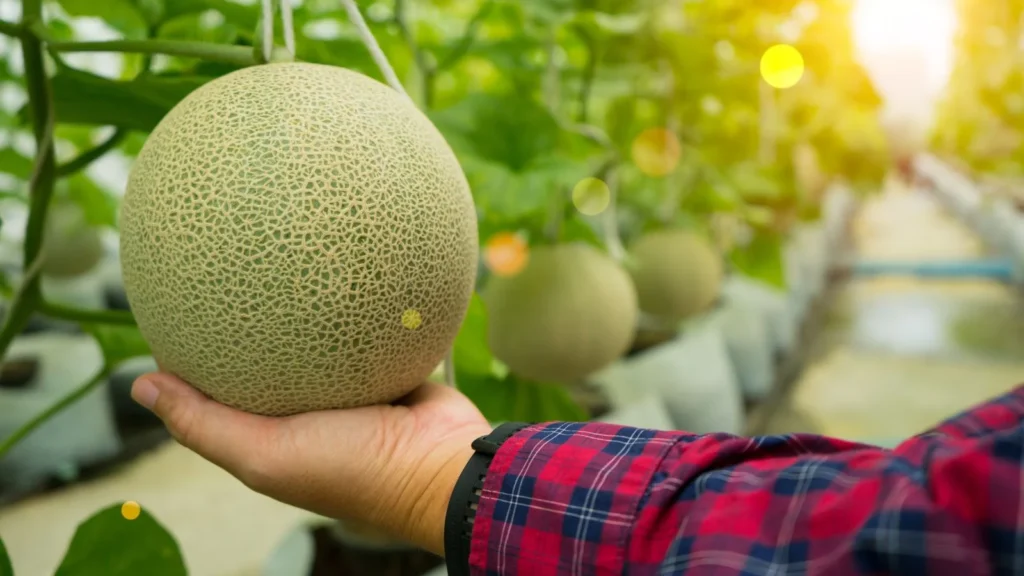
Melons that are hand-pollinated correctly often grow larger and more uniformly than those left to chance, giving gardeners a visually appealing and flavorful harvest.
Caring for Pollinated Flowers
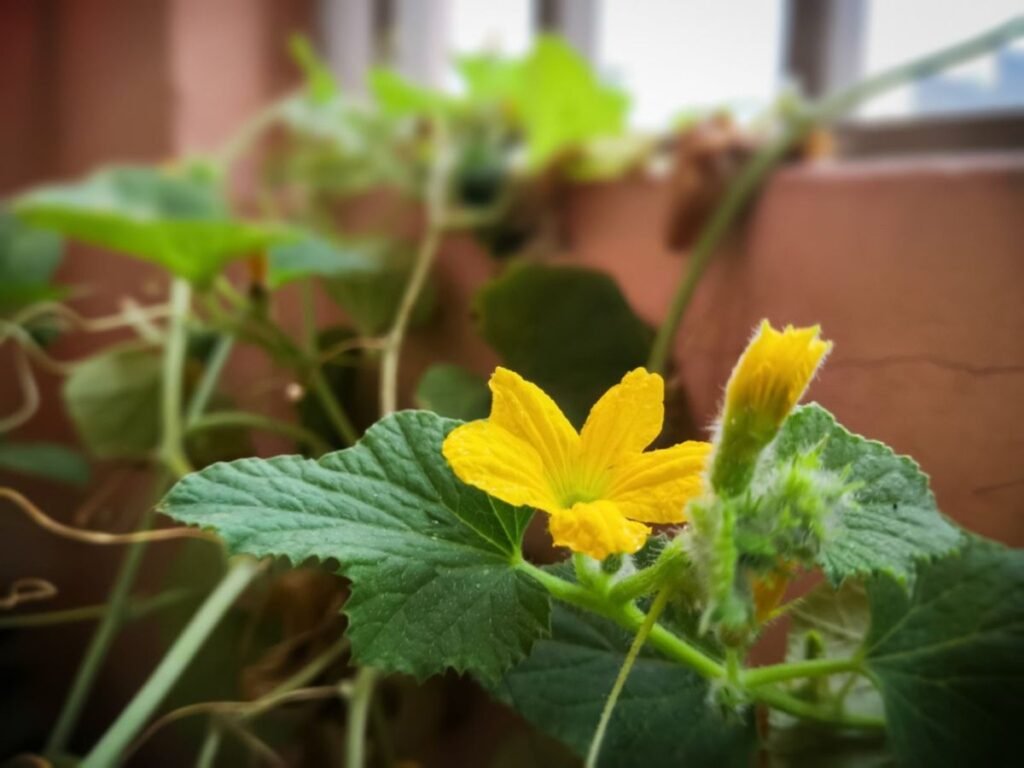
After hand-pollination, the female flower will start developing into a melon. Proper care during this phase ensures maximum fruit size:
- Watering: Keep soil consistently moist but not waterlogged. Deep watering helps the fruit develop fully.
- Fertilization: Apply a balanced fertilizer high in potassium and phosphorus to support fruit growth.
- Mulching: Mulch around the base of the plant to retain moisture and regulate soil temperature.
- Pruning: Remove excess flowers or small fruits to direct energy toward the largest melons.
Monitoring and nurturing your pollinated flowers significantly improves the quality and quantity of your harvest.
Common Mistakes to Avoid
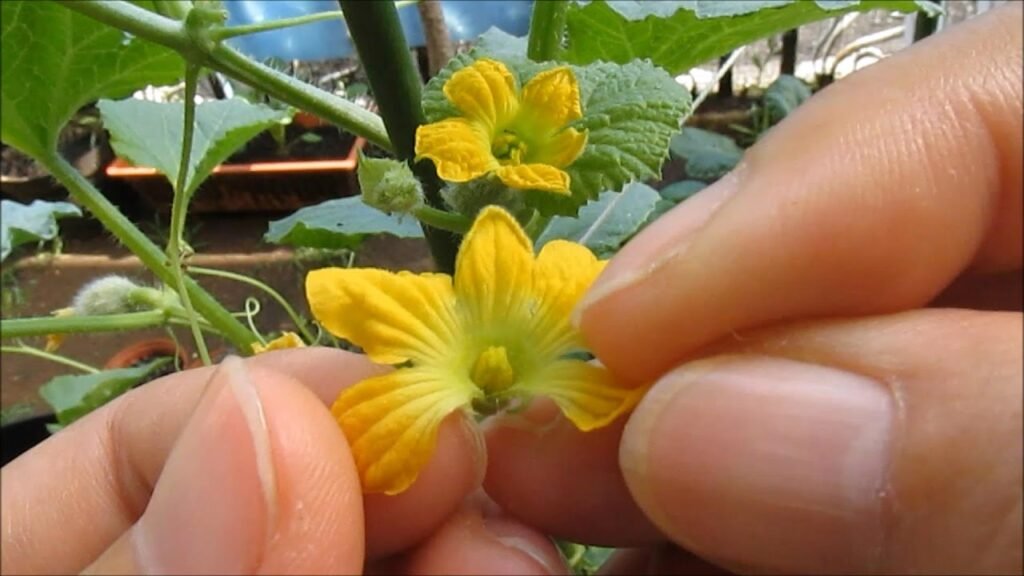
Even experienced gardeners can make mistakes during hand-pollination. Avoid these pitfalls to ensure success:
- Using immature male flowers: Pollen from unopened or underdeveloped male flowers is ineffective.
- Pollinating too late in the day: Flowers close in the afternoon, and the stigma may no longer be receptive.
- Ignoring plant health: Weak or stressed plants may not produce healthy fruits even after pollination.
- Overcrowding: Too many fruits on one vine can lead to smaller, less flavorful melons. Thin excess fruits early.
By avoiding these common errors, hand-pollination becomes a reliable tool for increasing yields.
Benefits of Hand-Pollinating Melons
Hand-pollination offers several advantages for gardeners:
- Increased yield: Ensures every viable female flower has a chance to develop into fruit.
- Bigger fruits: Proper pollination supports fuller fruit development.
- Control over timing: You can manage pollination even when natural pollinators are scarce.
- Variety hybridization: Hand-pollination allows selective crossing of different melon varieties for unique flavors or traits.
- Reduced crop loss: Prevents flowers from shriveling and falling off due to poor natural pollination.
With consistent hand-pollination, even small backyard gardens can produce abundant, high-quality melons.
Conclusion
Hand-pollination is an essential technique for gardeners looking to maximize melon harvests, especially in areas with limited pollinators or unpredictable weather. By understanding the difference between male and female flowers, timing your pollination correctly, and using effective techniques like brushes or male flowers directly, you can ensure a higher fruit set and larger, sweeter melons.
Beyond pollination, proper care after fertilization—including watering, fertilization, mulching, and pruning—plays a critical role in producing exceptional fruit. Avoiding common mistakes, such as using immature flowers or overcrowding plants, will further increase your chances of success.
For home gardeners, hand-pollinating melons not only guarantees bigger harvests but also provides a satisfying connection to the growth process, allowing you to enjoy fruits that are fully ripened, flavorful, and harvested at peak quality. With a little attention to detail and consistent effort, your garden can yield a mini melon bounty that rivals even larger farms.