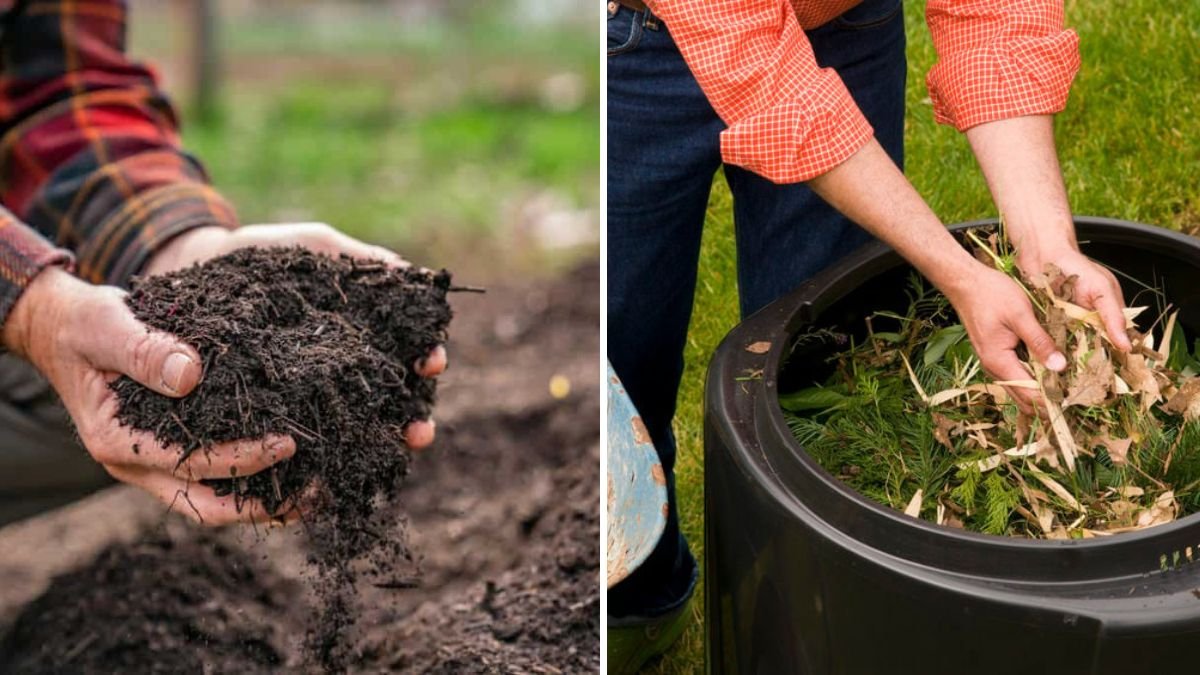
Composting is one of the most effective ways to recycle organic waste and create nutrient-rich soil amendments for your garden. Homemade compost transforms kitchen scraps, garden clippings, and other biodegradable materials into a natural fertilizer that improves soil structure, promotes healthy plant growth, and reduces the need for chemical fertilizers. This article provides a comprehensive guide on how to make homemade compost, including the types of materials to use, methods of composting, troubleshooting, and tips for maximizing nutrient content—essential knowledge for gardeners seeking sustainable, cost-effective plant care solutions.
What is Compost?
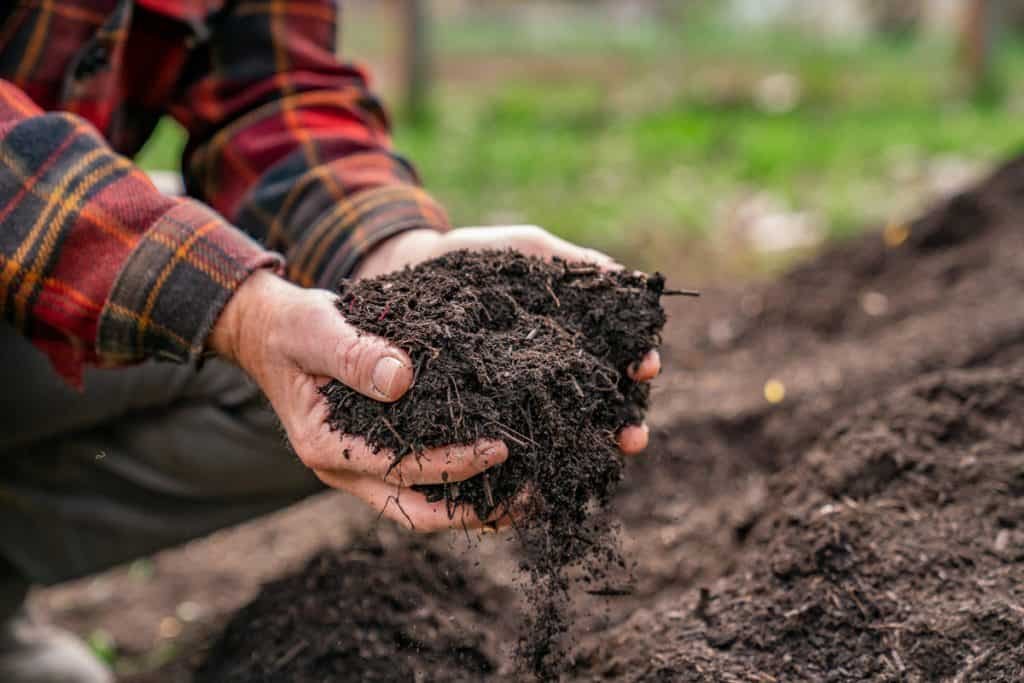
Compost is decomposed organic matter that serves as a natural soil conditioner and fertilizer. Microorganisms such as bacteria, fungi, and earthworms break down plant and food waste into humus—a dark, earthy material rich in nutrients like nitrogen, phosphorus, and potassium. Well-prepared compost enhances soil fertility, retains moisture, and supports beneficial microorganisms that improve plant health.
Benefits of Homemade Compost
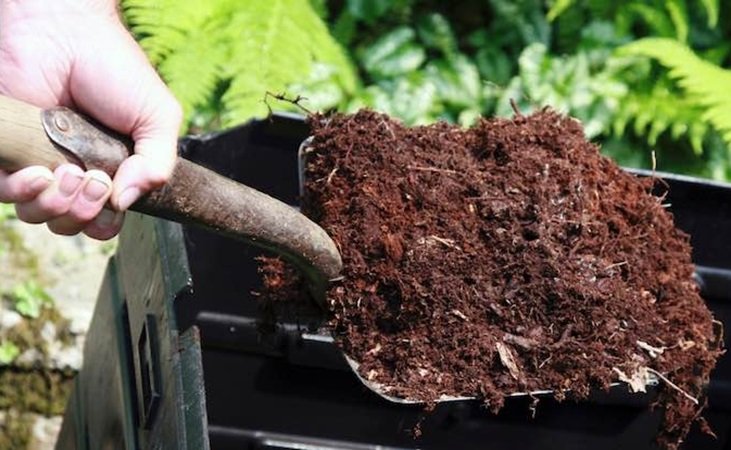
- Cost-Effective: Reduces reliance on store-bought fertilizers and soil amendments.
- Sustainable: Recycles household and garden waste, minimizing landfill contributions.
- Soil Improvement: Enhances soil structure, aeration, and water retention.
- Nutrient-Rich: Provides essential macro and micronutrients for plants.
- Disease Resistance: Supports healthy soil microbiomes that suppress pathogens.
Homemade compost is not only economical but also environmentally responsible, making it a cornerstone of sustainable gardening.
Materials for Composting
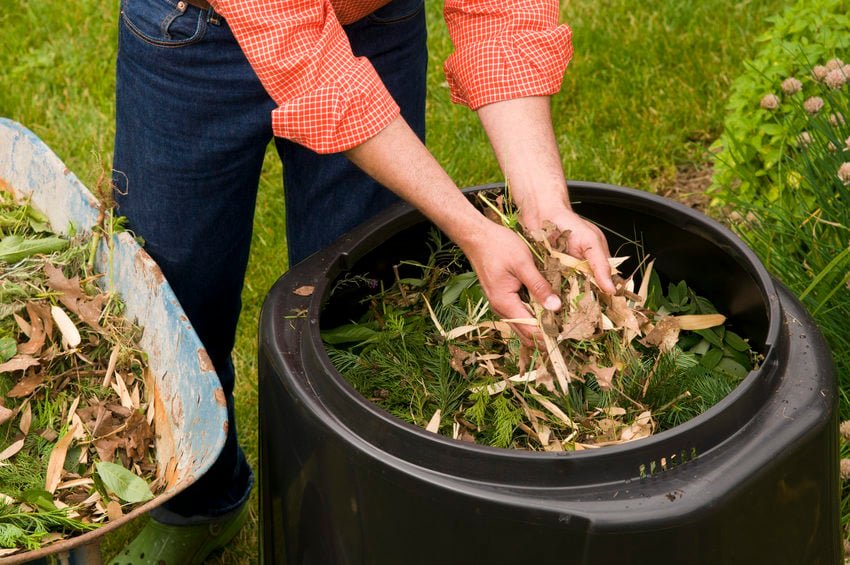
Compost requires a balance of “greens” and “browns” to provide nutrients and support decomposition.
Greens (Nitrogen-Rich):
- Vegetable and fruit scraps (carrot tops, potato peels, apple cores)
- Coffee grounds and tea leaves
- Grass clippings
- Eggshells (after crushing)
Browns (Carbon-Rich):
- Dry leaves
- Straw or hay
- Shredded newspaper or cardboard
- Sawdust or wood chips
Tips for Material Selection:
- Avoid meat, dairy, oily foods, and diseased plants as they attract pests and slow decomposition.
- Chop large items into smaller pieces to speed up the composting process.
- Maintain a 2:1 ratio of browns to greens to balance carbon and nitrogen for optimal microbial activity.
Steps to Make Homemade Compost
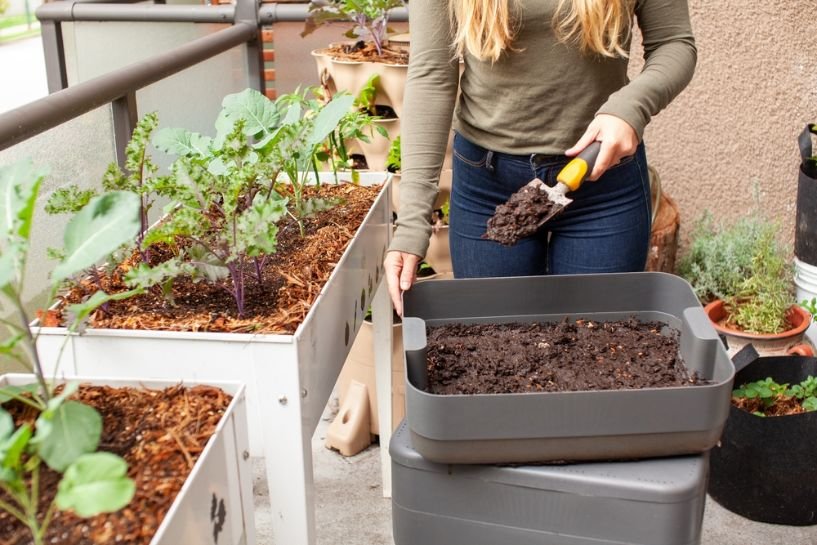
Step 1: Choose a Composting Site
- Select a well-drained area in your garden, preferably partially shaded.
- Ensure easy access for adding materials and turning the pile.
- Use a compost bin or create an open pile depending on space availability.
Step 2: Layering Materials
- Start with a 4–6 inch layer of coarse browns, like twigs or straw, at the bottom to improve aeration.
- Alternate layers of greens and browns, keeping the pile moist but not soggy.
- Aim for layers of 2–4 inches for each type of material.
Step 3: Maintain Moisture
- Compost should feel like a wrung-out sponge.
- Water the pile as needed, especially during dry weather.
- Avoid overwatering, which can create anaerobic conditions and unpleasant odors.
Step 4: Aerate the Pile
- Turn the compost every 1–2 weeks to supply oxygen to microbes and accelerate decomposition.
- Use a pitchfork or compost aerator for thorough mixing.
- Aeration prevents odors and promotes faster, uniform composting.
Step 5: Monitor Temperature
- A healthy compost pile heats up naturally due to microbial activity.
- Ideal temperatures are between 130–160°F (54–71°C) for hot composting.
- If the pile is too cool, add more greens to stimulate decomposition.
- If too hot, turn the pile to release excess heat and balance moisture.
Step 6: Troubleshoot Common Issues
- Odor: Usually caused by too many greens or excessive moisture; turn the pile and add browns.
- Slow Decomposition: Chop larger materials, maintain moisture, and turn regularly.
- Pests: Avoid food scraps like meat and dairy; cover fresh greens with browns to deter animals.
Types of Composting Methods
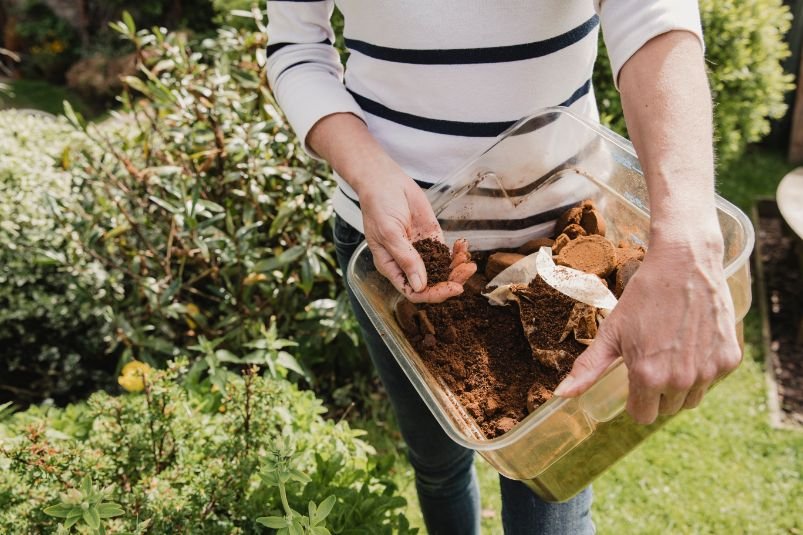
1. Hot Composting
- Uses a well-balanced mix of greens and browns to reach high temperatures quickly.
- Produces finished compost in 1–3 months.
- Requires regular turning and monitoring.
2. Cold Composting
- Involves slowly decomposing materials over 6–12 months.
- Requires minimal maintenance; just add materials as they become available.
- Results in nutrient-rich compost but at a slower pace.
3. Vermicomposting (Worm Composting)
- Uses worms, typically red wigglers, to digest organic waste.
- Produces highly nutrient-rich worm castings in 2–3 months.
- Ideal for indoor or small-space composting with kitchen scraps.
- Requires a worm bin with bedding materials like shredded paper and coconut coir.
Harvesting and Using Homemade Compost
When is Compost Ready?
- Dark brown or black in color
- Earthy smell
- Crumbly texture
- Original materials no longer recognizable
How to Apply Compost:
- Soil Amendment: Mix 2–3 inches of compost into garden beds before planting.
- Top Dressing: Spread 1 inch of compost around established plants to enrich soil.
- Potting Mix: Combine compost with garden soil or coco coir for nutrient-rich container media.
Benefits to Plants:
- Enhances root development and nutrient uptake.
- Improves water retention in sandy soils and drainage in clay soils.
- Supports beneficial soil organisms that protect against pests and diseases.
Tips for Maximizing Compost Quality
- Diversity of Materials: Use a wide range of greens and browns to ensure balanced nutrients.
- Particle Size: Chop or shred materials to increase surface area and accelerate decomposition.
- Layering: Properly layer greens and browns to optimize aeration and moisture retention.
- Temperature Control: Maintain optimal temperatures for hot composting to kill weed seeds and pathogens.
- Regular Turning: Aerate frequently to prevent anaerobic conditions and odor formation.
Advantages of Homemade Compost
- Cost Savings: Reduces the need for commercial fertilizers.
- Waste Reduction: Diverts kitchen and garden waste from landfills.
- Sustainable Gardening: Supports organic gardening practices and soil health.
- Enhanced Plant Growth: Promotes robust root systems, better nutrient uptake, and higher yields.
- Safe for Edibles: When properly composted, it is safe to use for fruits, vegetables, and herbs.
Conclusion
Making homemade compost is a practical, environmentally friendly way to create free, nutrient-rich plant food. By using kitchen scraps, garden clippings, and other organic waste, gardeners can produce compost that improves soil health, enhances plant growth, and reduces reliance on chemical fertilizers. Understanding the types of materials to use, maintaining proper moisture and aeration, monitoring temperature, and choosing the right composting method ensures a successful composting process. Whether using hot composting for quick results, cold composting for a slower but steady supply, or vermicomposting for nutrient-dense worm castings, homemade compost is an indispensable tool for sustainable gardening. With regular practice and attention, gardeners can transform everyday organic waste into a valuable resource, creating a thriving, productive, and eco-friendly garden.