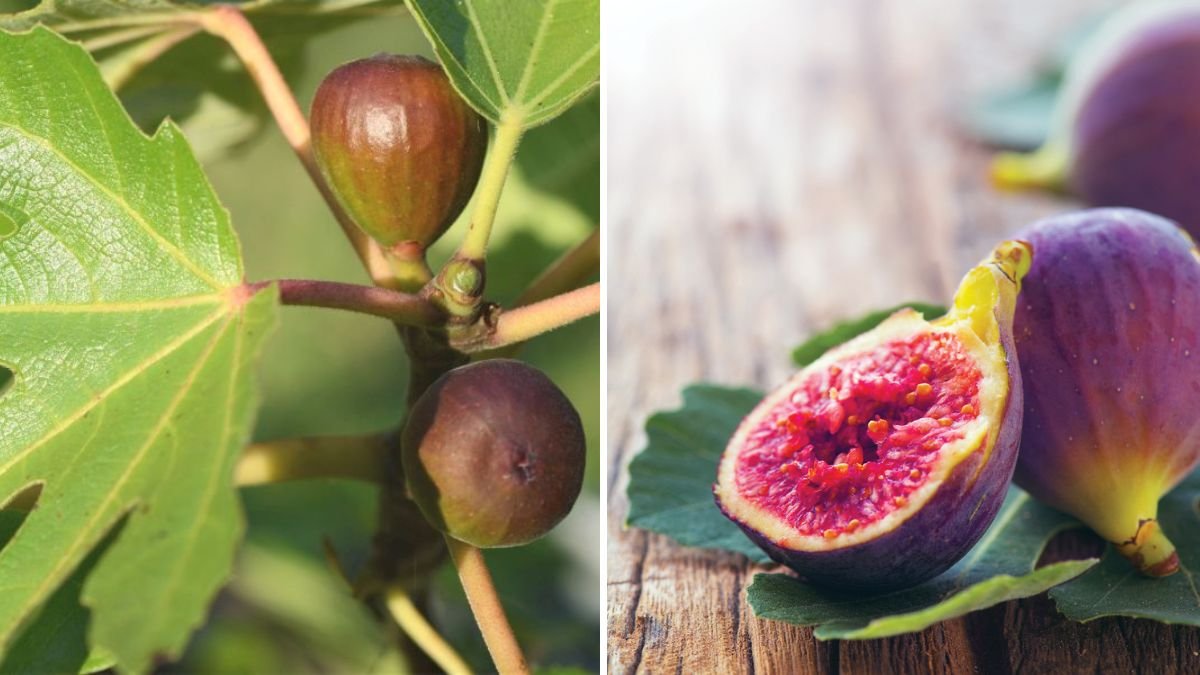
Fig trees (Ficus carica) are beloved for their sweet, nutrient-rich fruits and lush, ornamental foliage. While figs thrive in warm climates, gardeners in temperate or cooler regions often face challenges overwintering their trees to ensure a productive harvest the following year. Proper overwintering protects fig trees from frost damage, encourages healthy growth, and sets the stage for abundant fruit. This guide provides detailed, expert-backed advice on preparing, protecting, and caring for your fig tree during the winter months.
Why Overwintering Figs Is Important

Fig trees are semi-hardy, meaning they can tolerate some cold but may suffer damage or die in freezing temperatures. Overwintering is essential for several reasons:
- Protects roots and branches from frost damage: Frost can kill new growth and weaken the tree.
- Preserves the tree’s energy: Healthy trees can store carbohydrates during dormancy to support spring growth and fruiting.
- Prevents dieback: Exposure to cold can result in the death of branches and reduce next season’s yield.
- Ensures next year’s fruit: Proper winter care allows the tree to produce larger and sweeter figs in the following season.
Even in milder climates, overwintering improves overall tree health and resilience, making it a crucial part of fig cultivation.
Understanding Fig Tree Dormancy

Figs are deciduous and naturally enter dormancy in late fall as temperatures drop. During dormancy:
- Leaves fall, reducing energy expenditure.
- Growth slows significantly, conserving resources.
- The tree focuses on root survival and carbohydrate storage.
Understanding dormancy helps gardeners plan overwintering strategies, including pruning, insulation, and container placement.
Selecting the Right Fig Tree for Your Climate
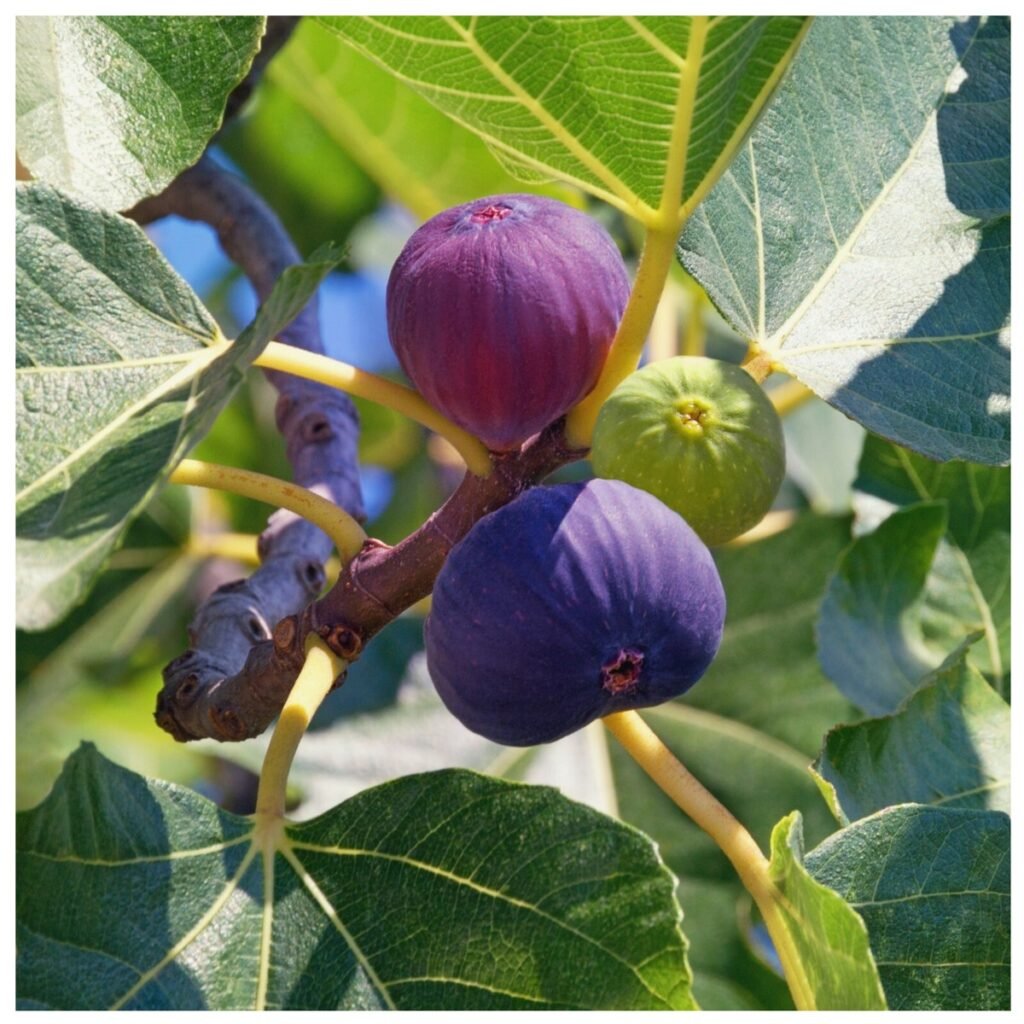
Certain fig varieties are better suited for overwintering in cooler regions:
- Cold-hardy varieties: ‘Chicago Hardy,’ ‘Celeste,’ and ‘Brown Turkey’ tolerate temperatures as low as 10–15°F (-12 to -9°C).
- Container-friendly varieties: Dwarf or semi-dwarf cultivars are easier to move indoors for winter protection.
- Early-fruiting varieties: Trees that produce fruit earlier in the season often recover better from winter stress.
Choosing the right variety simplifies overwintering and maximizes your chances of a successful harvest.
Preparing Fig Trees for Winter
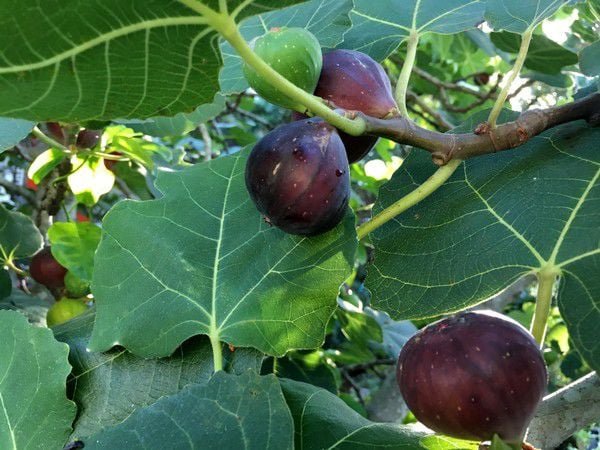
Proper preparation begins in late summer to early fall, when growth slows and the tree is transitioning into dormancy.
1. Pruning
- Remove dead, damaged, or diseased branches.
- Shorten long branches to reduce wind exposure and make trees easier to cover or move.
- Avoid heavy pruning in late fall, as it can stimulate new growth susceptible to frost.
Tip: Light pruning encourages airflow and reduces the risk of fungal diseases during storage or winter cover.
2. Reducing Watering
- Gradually reduce watering as dormancy approaches.
- Overwatering in late fall can encourage new growth that is vulnerable to frost.
- Maintain slightly moist soil, but allow it to dry out between watering sessions.
3. Fertilizing
- Stop high-nitrogen fertilization in late summer to prevent excessive late-season growth.
- Apply a balanced fertilizer in early fall to store nutrients in roots for winter survival.
Overwintering Techniques for Fig Trees
Overwintering methods depend on climate, tree size, and whether the fig is planted in the ground or a container.
1. Container Fig Trees
Container figs are easier to protect and move indoors.
Steps:
- Move the tree to a sheltered location, such as a garage, basement, sunroom, or unheated porch.
- Ensure the location maintains temperatures between 35–50°F (1–10°C).
- Reduce watering to prevent root rot but maintain slight moisture.
- Provide indirect light or occasional sunlight if possible.
Benefits:
- Protects roots and branches from extreme cold.
- Allows controlled environmental conditions for better survival.
2. In-Ground Fig Trees
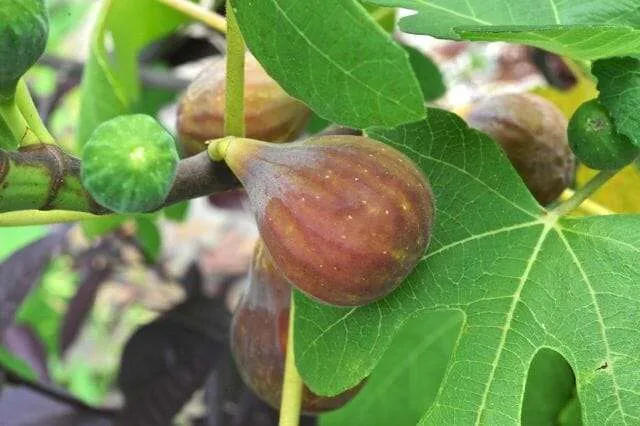
For trees planted outdoors, insulation and protective measures are essential.
Techniques:
- Mulching: Apply 4–6 inches of organic mulch (straw, shredded leaves, or compost) around the base to protect roots.
- Wrapping: Cover the trunk and main branches with burlap, horticultural fleece, or frost cloth.
- Soil mounding: Pile soil or compost around the trunk to insulate the root zone.
- Caging or support: Use stakes or cages to prevent heavy snow or ice from breaking branches.
Tip: Remove covers gradually in early spring to prevent sudden temperature shock.
3. Hybrid Approach
For semi-dwarf or medium-sized trees, combining containerization with protective wrapping offers the best of both worlds:
- Move the tree indoors or to a sheltered area.
- Wrap the canopy in breathable material.
- Apply mulch to the soil surface in the container.
This approach ensures maximum protection while allowing the tree to remain in its pot.
Managing Pests and Diseases During Winter
Even in dormancy, fig trees can be susceptible to pests and diseases if not properly managed:
- Scale insects and mealybugs: Inspect branches and trunks before storing indoors; remove visible pests.
- Fungal diseases: Avoid excessive moisture and provide airflow around stored trees.
- Rodents: Mulch or indoor storage can attract mice or rats; consider physical barriers.
Regular inspection during storage helps maintain tree health and prevents overwinter losses.
Spring Preparation After Overwintering
Once temperatures rise in spring, proper preparation ensures the fig tree produces abundant fruit:
- Gradual acclimation: Move container trees outdoors gradually to avoid shock from sudden sunlight or wind exposure.
- Pruning: Remove any dead or damaged wood from winter. Shape the tree to promote new growth.
- Fertilization: Apply a balanced or fruit-specific fertilizer to encourage flowering and fruit development.
- Watering: Resume regular watering schedules to support new shoot and root growth.
- Training and support: Ensure branches are properly supported for fruiting and canopy development.
By following these steps, fig trees will recover quickly and set the stage for a productive fruiting season.
Tips for Maximum Fruit Yield
- Select the right site: Choose a sunny location with at least 6–8 hours of direct sunlight.
- Water consistently: Adequate moisture is critical during the active growing season for fruit development.
- Pollination: Most fig varieties are self-pollinating, but maintaining healthy flower growth ensures maximum fruit set.
- Prune annually: Remove weak or overcrowded branches to focus energy on fruiting wood.
- Protect young trees: Smaller or newly planted figs are more vulnerable to frost and benefit from extra insulation.
Consistent attention and care from overwintering through spring ensure larger, sweeter figs for the next season.
Conclusion
Overwintering fig trees is a vital practice for gardeners in cooler climates who wish to enjoy bountiful fruit harvests year after year. By understanding fig dormancy, choosing cold-hardy varieties, pruning appropriately, and providing protection through containerization, wrapping, or mulching, gardeners can shield their trees from frost damage and environmental stress.
Spring preparation after winter ensures trees resume vigorous growth, flower development, and fruiting. Combined with consistent watering, fertilization, and pruning, overwintered figs can produce larger, sweeter fruits that reward careful management. Whether growing figs in containers on a patio or planted in the garden, proper overwintering techniques ensure a thriving, productive tree that will provide delicious fruit for years to come.
With patience and attention to detail, overwintering becomes not just a survival strategy but a cornerstone of successful fig cultivation, allowing gardeners to savor the rewards of homegrown, sun-ripened figs season after season.