
Frost is one of the most challenging aspects of winter gardening. Sudden temperature drops can damage leaves, stems, and roots, reducing plant health or even killing them outright. While commercial frost protection solutions exist, they can be expensive and impractical for small or home gardeners. Fortunately, there are cost-effective strategies to safeguard your plants from frost using materials and methods that are accessible, eco-friendly, and highly effective.
This guide provides practical, low-cost techniques for protecting your plants from frost while ensuring healthy growth and bountiful harvests throughout the cold season.
1. Understanding Frost and Its Effects on Plants

Frost forms when water vapor in the air freezes on surfaces, typically overnight when temperatures drop below 32°F (0°C). Frost damage occurs when ice crystals form inside plant tissues, rupturing cells and causing wilting, blackened leaves, and stunted growth.
Types of Frost Damage:
- Leaf frost: Thin, tender leaves are the first to show damage, becoming black or brown.
- Stem frost: Stems may weaken or break due to ice formation.
- Root frost: Prolonged freezing can kill roots in shallow soil.
Understanding how frost affects plants helps gardeners choose appropriate protection methods tailored to their specific needs.
2. Choosing Frost-Resistant Plants
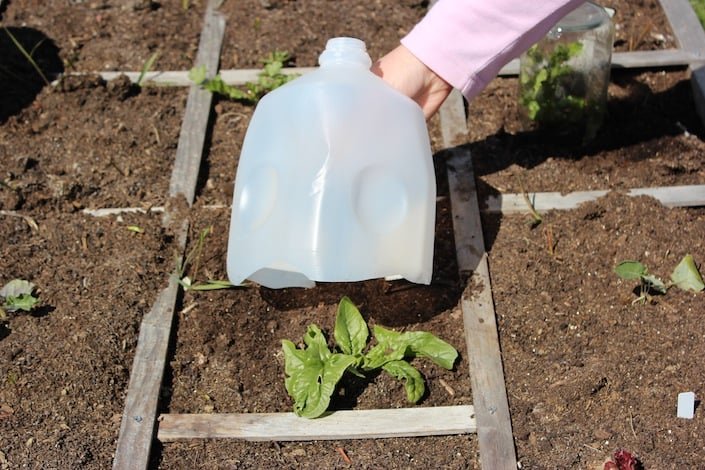
One of the most cost-effective strategies is selecting frost-tolerant plants. Some species naturally withstand cold temperatures better than others:
- Vegetables: Kale, spinach, cabbage, broccoli, and winter peas.
- Herbs: Thyme, rosemary, parsley, and chives.
- Flowers: Pansies, violas, and snapdragons.
Benefits:
- Reduces the need for constant frost protection.
- Ensures a more resilient garden during winter months.
- Ideal for gardeners who want low-maintenance winter crops.
Tip: Pair frost-tolerant plants with protective measures to maximize survival during extreme cold snaps.
3. Using Mulch for Insulation
Mulching is one of the simplest and cheapest ways to protect plants from frost. It acts as an insulating layer, keeping soil temperature more stable and protecting roots.
Materials for Mulching:
- Straw or hay
- Dry leaves
- Grass clippings
- Pine needles
- Shredded newspaper or cardboard
How to Apply:
- Spread a 2–4 inch layer of mulch around the base of plants.
- Ensure that mulch does not touch the stems directly to prevent rot.
- Add extra layers before forecasted frost nights.
Benefits:
- Retains soil warmth and moisture.
- Reduces root freezing in shallow-rooted plants.
- Suppresses weeds during winter.
Tip: Organic mulches decompose over time, adding nutrients back into the soil.
4. Covering Plants With Simple Materials
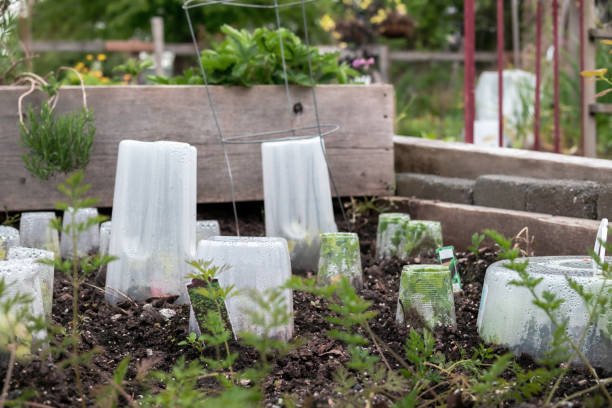
Covering plants is an effective low-cost strategy to shield them from frost. Many materials can be repurposed for frost protection:
Options Include:
- Old sheets or blankets: Lightweight fabrics trap heat while allowing airflow.
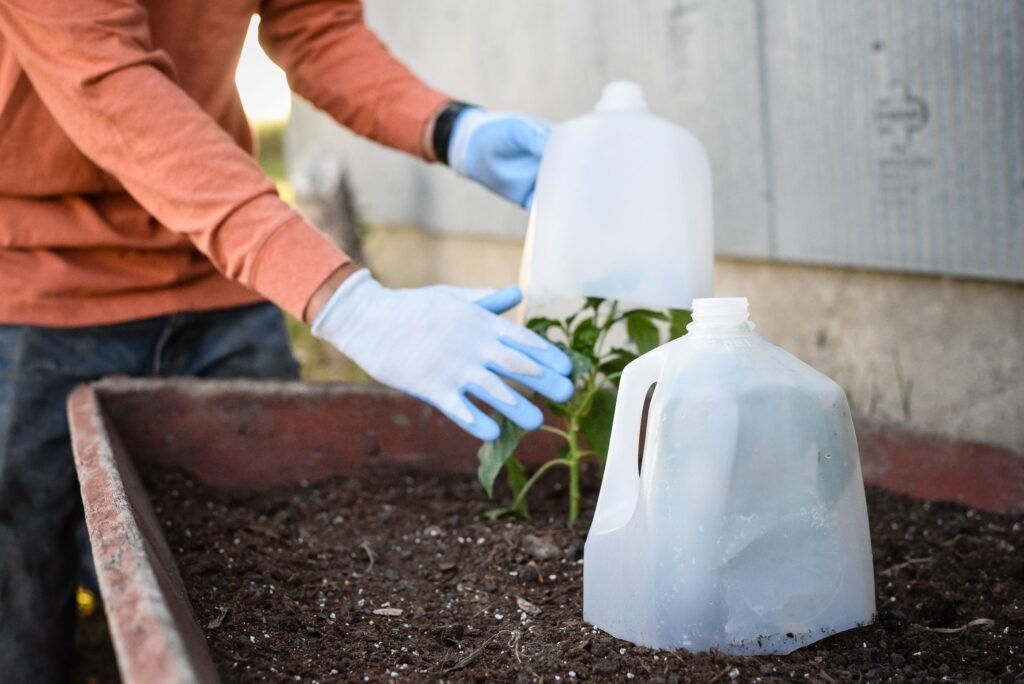
- Cardboard boxes or milk jugs: Ideal for small plants or seedlings.
- Plastic bottles (cut in half): Acts as mini greenhouses for individual plants.
- Row covers or burlap sacks: Protect larger garden rows inexpensively.
How to Use:
- Drape the material over plants before frost forms in the evening.
- Secure edges with rocks, bricks, or stakes to prevent wind from blowing covers away.
- Remove coverings during the day to allow sunlight and ventilation.
Benefits:
- Prevents leaf burn and stem damage.
- Creates a microclimate around the plant, retaining heat.
- Cost-effective and reusable for multiple seasons.
Tip: Avoid plastic directly on plants, as it can trap moisture and cause freezing on contact.
5. Watering Plants to Reduce Frost Damage
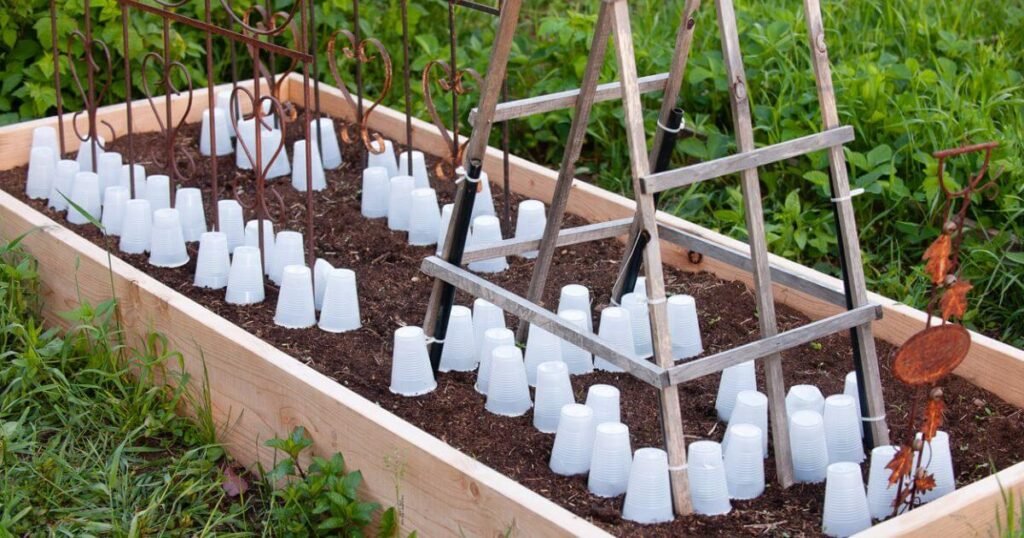
Watering might seem counterintuitive, but hydrated soil retains heat better than dry soil, which can protect roots from freezing.
How to Water for Frost Protection:
- Water plants thoroughly during the day before a frost night.
- Focus on the soil around the root zone rather than leaves.
- Avoid overwatering, as soggy soil can promote rot in cold conditions.
Benefits:
- Warmer soil helps insulate roots during cold nights.
- Moist soil prevents frost from penetrating as deeply as dry soil.
- Increases overall plant resilience during winter.
Tip: Avoid watering in the evening, as the added moisture can freeze on foliage and worsen frost damage.
6. Using Cloche and Mini Greenhouses
Creating miniature greenhouses or cloches is another affordable way to protect plants from frost:
- DIY Cloche: Use clear plastic bottles, jars, or cut-up containers to cover small plants.
- Row Tunnels: Repurpose PVC pipes and plastic sheeting to create low-cost row covers.
- Cold Frames: Wooden boxes with clear lids can act as small greenhouses for seedlings and tender plants.
Benefits:
- Traps heat during the night while allowing sunlight during the day.
- Protects against frost, wind, and pests.
- Can be made with recycled or inexpensive materials.
Tip: Ventilate mini greenhouses during sunny days to prevent overheating.
7. Grouping Plants for Microclimate Benefits
Grouping containers or garden beds together can create mutual protection during frosty nights.
How It Works:
- Plants generate and retain heat in proximity to one another.
- Larger containers or beds release heat slowly, protecting nearby smaller plants.
Benefits:
- Reduces temperature fluctuations around sensitive plants.
- Enhances frost protection without additional materials.
- Easy to implement in small garden spaces or patios.
Tip: Place the most sensitive plants in the center of the grouping for maximum benefit.
8. Using Windbreaks and Protective Barriers
Cold winds intensify frost damage. Creating simple windbreaks can protect plants effectively:
- Use fences, old doors, or walls to shield plants.
- Burlap or garden fabric can act as temporary barriers.
- Position plants near south-facing walls to maximize solar heat.
Benefits:
- Reduces wind chill and frost severity.
- Helps maintain warmer soil temperatures.
- Protects delicate stems and leaves from breakage.
Tip: Combine windbreaks with mulching and covers for layered frost protection.
9. Timing and Seasonal Awareness
Awareness of frost schedules can help gardeners prepare proactively:
- Check local frost dates and weather forecasts regularly.
- Cover or move plants before frost occurs, rather than reacting after damage.
- Adjust planting schedules to avoid frost-sensitive crops during peak cold periods.
Benefits:
- Reduces plant stress and damage.
- Allows for better planning of indoor and outdoor winter crops.
- Saves money by minimizing the need for replacement plants.
Tip: Keep a calendar of frost dates and use it to schedule planting, covering, and harvesting.
10. Benefits of Cost-Effective Frost Protection
Using low-cost frost protection methods has multiple advantages:
- Saves money: Avoids expensive commercial frost blankets or heaters.
- Eco-friendly: Utilizes recycled or natural materials, reducing waste.
- Adaptable: Methods can be scaled for large gardens or small patios.
- Protects a variety of plants: From vegetables and herbs to flowers and shrubs.
- Encourages creativity: DIY solutions often result in innovative, personalized gardening strategies.
By combining multiple strategies, gardeners can safeguard their plants effectively without breaking the budget.
Conclusion
Protecting your plants from frost doesn’t have to be costly or complicated. By understanding how frost affects plants, selecting frost-tolerant varieties, and using mulch, covers, cloches, groupings, windbreaks, and strategic watering, gardeners can shield their plants from damage effectively and inexpensively.
These simple, cost-effective strategies allow you to enjoy healthy, thriving plants even in the coldest months, ensuring year-round productivity and beauty in your garden. With careful planning, observation, and a little creativity, winter gardening can become a rewarding and budget-friendly experience, allowing you to protect your green treasures without spending a fortune.