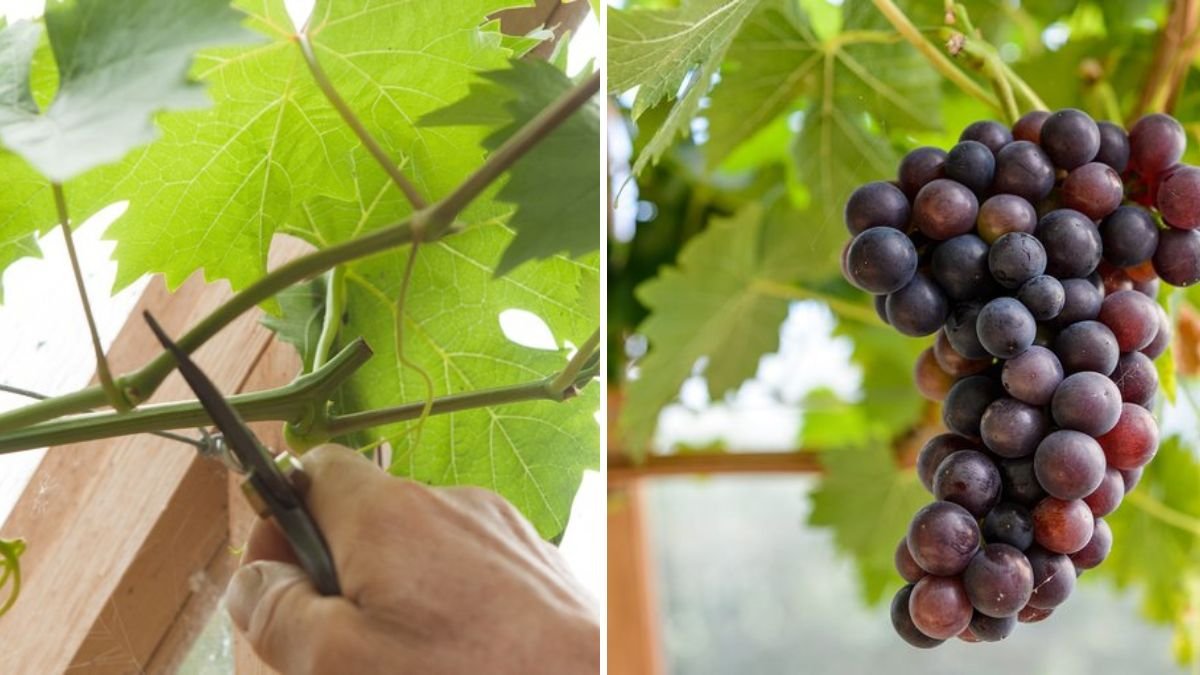
Grapes are one of the most rewarding fruit crops for home gardeners, offering sweet, juicy clusters that can be enjoyed fresh, juiced, or turned into homemade wine. However, achieving large, flavorful bunches requires more than just planting grapevines and waiting for harvest. Proper pruning is a critical factor in promoting vigorous growth, increasing sunlight exposure, and directing the plant’s energy toward producing bigger, sweeter grapes. This guide provides detailed insights, expert tips, and step-by-step instructions for pruning grapevines effectively to maximize both quality and yield.
Why Pruning is Essential for Grapevines
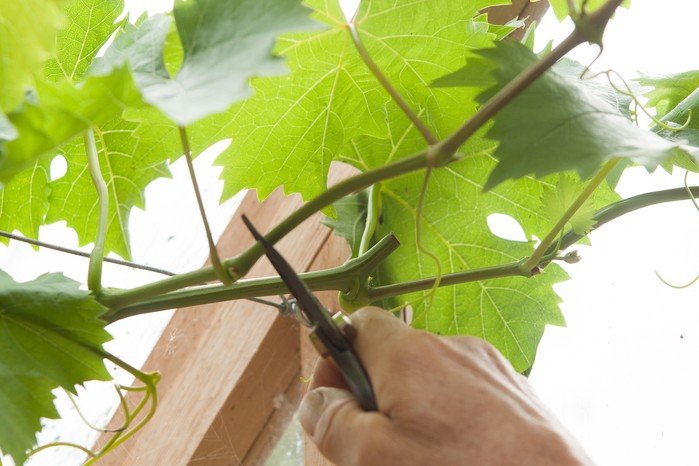
Pruning grapevines is more than an aesthetic practice—it directly influences the plant’s health and fruit production. Experts highlight several key benefits:
- Encourages fruiting: Grapevines produce fruit on new growth from last year’s wood. Pruning removes excess growth, allowing the plant to concentrate energy on fruit production.
- Controls size and shape: Proper pruning maintains a manageable vine structure for easier maintenance and harvesting.
- Improves air circulation and sunlight exposure: Reduces disease risk and improves grape sugar content.
- Removes dead or diseased wood: Promotes healthy growth and reduces pest infestations.
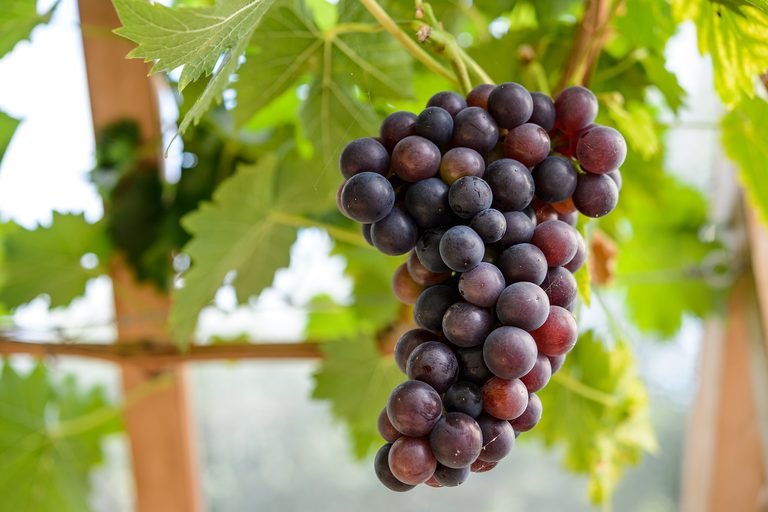
- Balances fruit and foliage: Ensures the vine produces fewer but larger and sweeter grape clusters.
Without pruning, grapevines can become overgrown, shaded, and unproductive, resulting in smaller, less flavorful grapes.
Understanding Grapevine Structure
Before pruning, it’s essential to understand the parts of a grapevine:
- Trunk: The main vertical stem of the vine.
- Canes: Year-old stems that grow from the trunk or cordons. These are the primary fruit-bearing structures for the next season.
- Spurs: Short, stubby canes left after pruning that will produce new shoots.
- Cordons: Horizontal arms extending from the trunk that support spurs.
- Shoots: New growth that emerges from spurs in spring, eventually producing leaves and fruit clusters.
Understanding these components allows you to target the right areas for pruning and optimize fruit production.
When to Prune Grape Vines
Timing is crucial for effective pruning:
- Dormant pruning: Conducted during late winter or early spring before buds swell. This is the primary pruning stage and is essential for shaping the vine and preparing for fruit production.
- Summer pruning: Performed during the growing season to remove excess foliage and shoots, improving air circulation and sunlight penetration.
Experts recommend focusing on dormant pruning to control structure and fruit quantity, while summer pruning fine-tunes growth and light exposure.
Tools Needed for Pruning
Proper tools make pruning easier and reduce damage to the vine:
- Pruning shears: For cutting small canes and shoots.
- Loppers: For thicker canes or branches.
- Gloves: Protect hands from cuts and thorny vines.
- Sanitizing solution: To prevent spreading diseases between plants.
Tip: Always make clean, angled cuts just above a bud to promote healthy new growth.
Pruning Techniques for Sweeter, Bigger Grapes
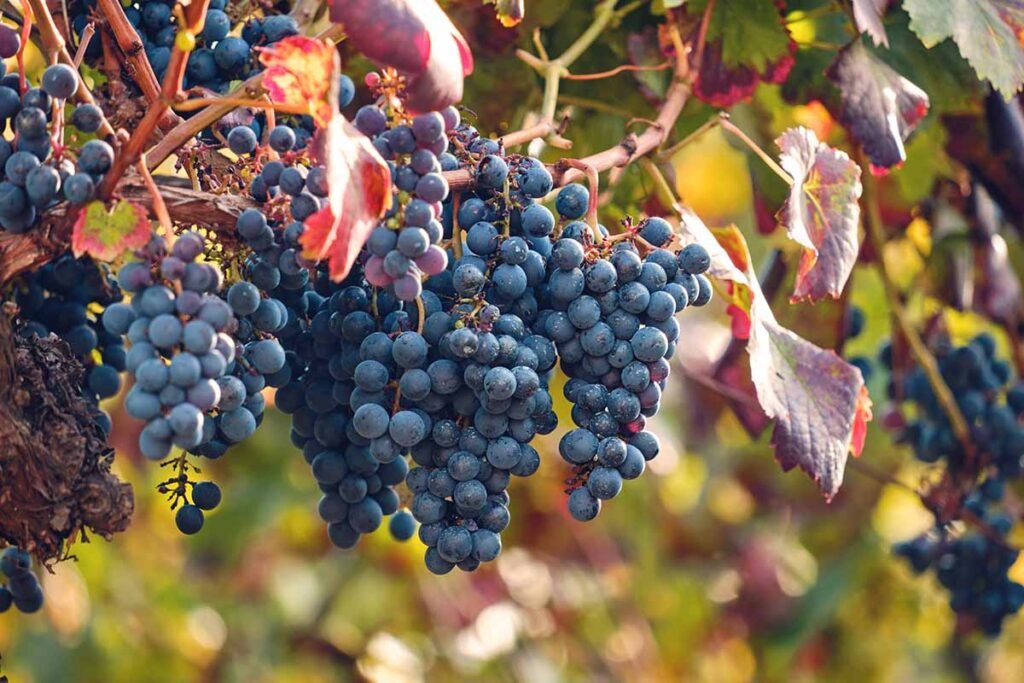
There are two primary methods for pruning grapevines: spur pruning and cane pruning. The choice depends on the grape variety and training system.
1. Spur Pruning
Spur pruning involves leaving short spurs (1–3 buds) along cordons. This method is suitable for varieties that fruit on one-year-old wood and trained on permanent horizontal arms.
Steps:
- Identify the cordons and healthy canes.
- Cut last year’s growth back to 1–3 buds per spur.
- Remove weak, diseased, or crowded canes.
- Maintain even spacing to ensure sunlight reaches all buds.
Benefits:
- Promotes consistent growth along cordons.
- Reduces overcrowding, improving grape size and sweetness.
- Easier to maintain for beginner gardeners.
2. Cane Pruning
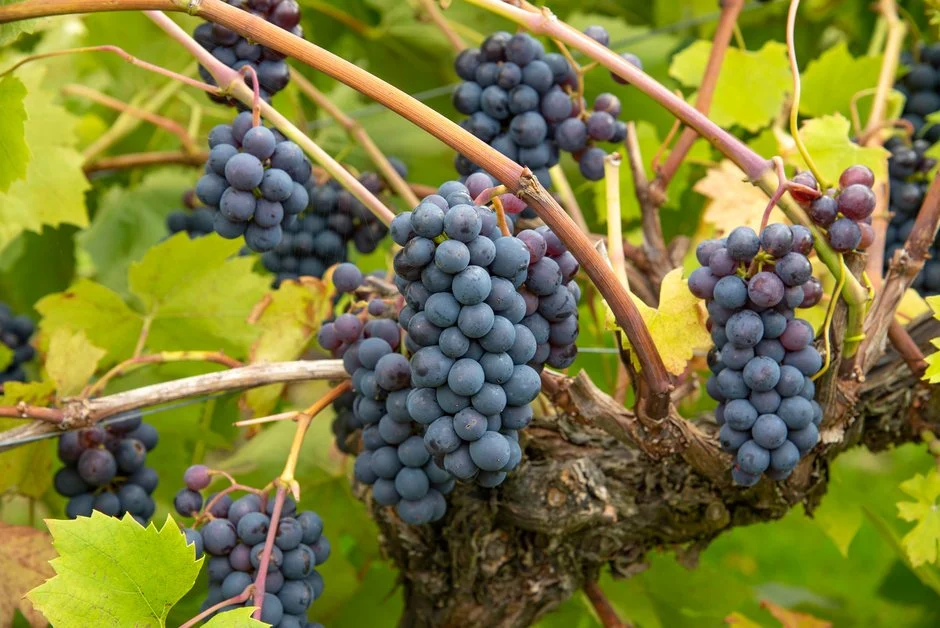
Cane pruning involves leaving longer canes (6–12 buds) and removing older wood entirely. This method is ideal for varieties requiring more vigorous growth or fewer spurs.
Steps:
- Select 1–4 healthy canes from last year’s growth.
- Cut each cane back to 6–12 buds.
- Tie the canes horizontally to a trellis or support.
- Remove all other canes, including old fruiting wood.
Benefits:
- Directs more energy to fewer clusters, producing larger and sweeter grapes.
- Helps maintain an open structure for sunlight and air circulation.
Additional Pruning Tips for Optimal Fruit Quality
- Remove excess shoots and leaves in summer: Thin shoots around grape clusters to reduce shading and allow air to reach the fruit.
- Balance vine vigor and fruit load: Overloaded vines produce smaller, less sweet grapes. Experts recommend leaving 20–30 buds per mature vine for a balanced yield.
- Remove suckers: Cut shoots that grow from the base of the trunk or along the trellis that do not bear fruit.
- Angle cuts properly: Make pruning cuts at a 45-degree angle, about ¼ inch above a bud, to encourage healthy new growth.
- Sanitize tools between plants: Prevents the spread of fungal diseases like powdery mildew and black rot.
Training and Support Systems
Pruning works best in combination with proper training and support:
- Trellises: Provide horizontal support for cordons and canes, making pruning and harvesting easier.
- Vertical shoot positioning (VSP): Keeps shoots upright and spaced evenly, optimizing sunlight and airflow.
- Arbors and pergolas: Offer shade for sprawling varieties while providing structural support.
Proper training ensures that pruning efforts translate into maximum fruit quality and size.
Disease and Pest Management Through Pruning
Pruning not only shapes the vine but also helps manage common grape diseases:
- Powdery mildew and downy mildew: Remove shaded or overcrowded growth to reduce humidity and disease risk.
- Botrytis bunch rot: Thin fruit clusters to improve airflow.
- Pest management: Open canopy structure allows beneficial insects to access and control pests like grapevine moths and aphids.
Regular inspection during pruning allows early detection and treatment of problems before they impact yield or fruit quality.
Post-Pruning Care
After pruning, proper care ensures vigorous growth and sweet, large grapes:
- Fertilization: Apply a balanced fertilizer high in potassium and phosphorus to promote flowering and fruiting.
- Watering: Maintain consistent moisture, especially during fruit development, but avoid waterlogging.
- Mulching: Apply organic mulch around the base to retain moisture, regulate temperature, and improve soil fertility.
- Monitoring: Watch for new shoots and remove any that compete with fruiting branches.
Consistent care post-pruning maximizes the benefits of proper cuts and encourages high-quality fruit production.
Conclusion
Pruning grapevines is an essential practice for home gardeners aiming to produce bigger, sweeter grape clusters. By understanding vine structure, selecting the appropriate pruning technique—spur or cane pruning—and maintaining a balance between growth and fruit load, gardeners can optimize both quality and yield. Proper timing, tools, and post-pruning care further enhance results, ensuring healthy vines and abundant harvests.
Incorporating training systems, thinning shoots, and managing pests and diseases through pruning creates an ideal environment for grapevines to thrive. With patience, attention to detail, and consistent pruning practices, even backyard grape growers can enjoy a tropical-like abundance of luscious, sweet, and beautifully sized grape clusters, transforming their garden into a productive and visually stunning oasis.