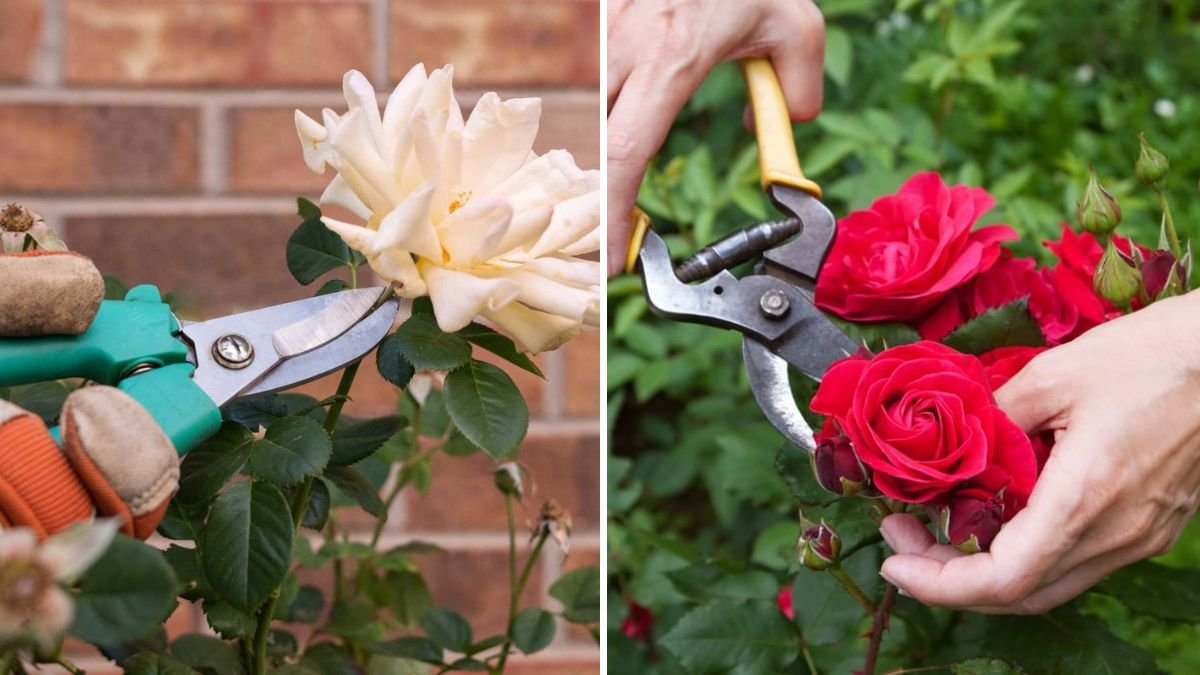
Roses are the quintessential garden flowers, symbolizing beauty, elegance, and romance. But to achieve bigger, more vibrant blooms throughout the summer, proper pruning is essential. Many gardeners underestimate the impact of pruning, thinking it’s just for shaping the plant. In reality, strategic pruning stimulates new growth, improves air circulation, and maximizes flower production.
In this article, we’ll explore expert tips and techniques for pruning roses to ensure they bloom abundantly and remain healthy all summer long.
Understanding Rose Growth
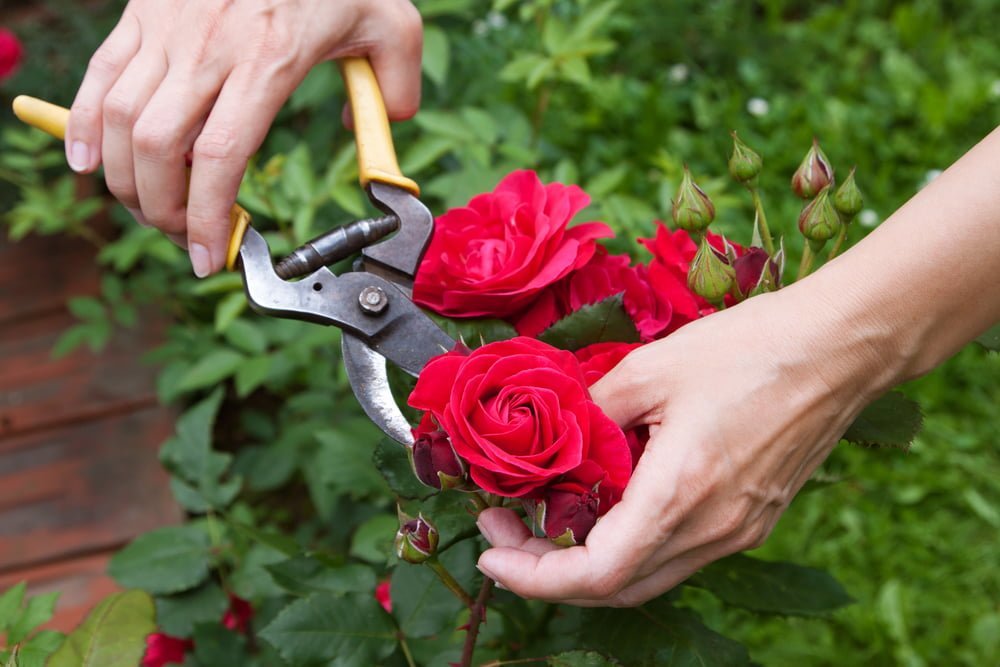
Before pruning, it’s important to understand how roses grow. Most garden roses produce flowers on new wood, meaning the current season’s growth is where blooms will appear. By pruning correctly, you:
- Remove old, unproductive wood
- Encourage stronger, more vigorous stems
- Promote larger flowers and more frequent blooms
Different types of roses—hybrid teas, floribundas, climbers, and shrub roses—have slightly different pruning requirements, but the principles remain similar.
1. Choose the Right Time to Prune
Timing is critical for successful rose pruning.
General guidelines:
- Early spring: For most roses, prune when buds begin to swell but before leaves fully open. This encourages strong new growth.
- After first bloom: Light pruning or deadheading can be done throughout the season to encourage repeat flowering.
- Fall pruning: Minimal pruning is needed, mainly for removing dead or diseased wood.
Tip: Avoid heavy pruning in late summer or fall, as this can stimulate growth that may be damaged by frost.
2. Gather Proper Tools
Pruning roses requires sharp, clean tools to make precise cuts and reduce the risk of disease.
Essential tools:
- Bypass pruners: Ideal for making clean cuts without crushing stems.
- Loppers: Useful for thicker canes.
- Gloves: Thick gardening gloves protect hands from thorns.
- Disinfectant: Clean tools with rubbing alcohol before and after pruning to prevent disease spread.
Tip: Keeping tools sharp ensures smooth cuts, which heal faster and reduce stress on the plant.
3. Remove Dead, Damaged, or Diseased Wood
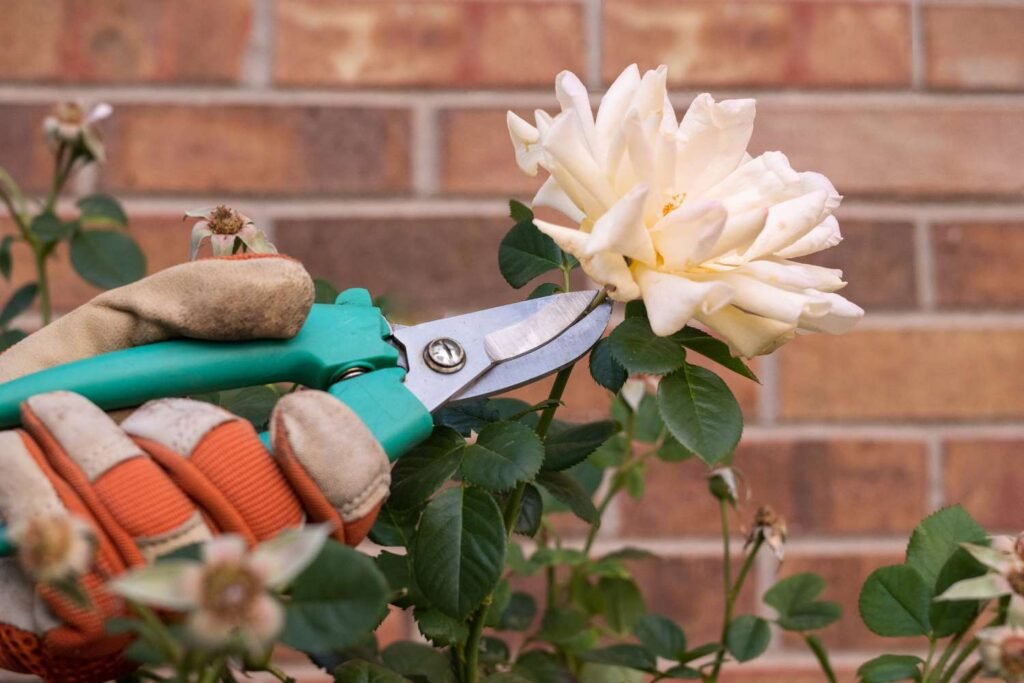
The first step in pruning is removing unproductive or unhealthy stems.
How to identify:
- Dead stems are brown or black and brittle.
- Damaged wood may have cracks, splits, or broken branches.
- Diseased wood may show discoloration, spots, or fungal growth.
Technique:
- Cut at least 1 inch below the damaged area, just above an outward-facing bud.
- Dispose of removed material to prevent disease spread.
Why it matters: Removing unhealthy wood allows the plant to focus energy on producing strong, healthy blooms.
4. Shape the Plant and Encourage Airflow
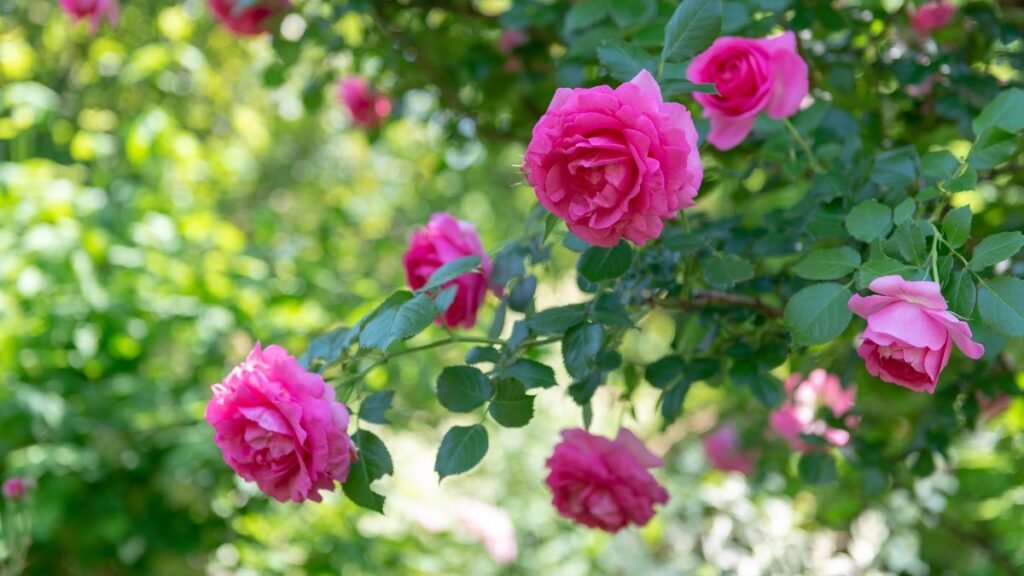
Proper shaping improves air circulation, reducing the risk of fungal diseases like black spot and powdery mildew, while also promoting bloom production.
Steps:
- Identify the main canes and cut to create an open vase shape.
- Remove weak or inward-growing stems that cross other branches.
- Maintain 3–5 strong, outward-facing canes for hybrid teas and floribundas.
Tip: For shrub roses, prune to maintain a natural mound shape while thinning crowded areas.
5. Cut at the Right Angle and Location
Where and how you make the cut affects how the rose grows:
- Angle: Make cuts at a 45-degree angle, sloping away from the bud. This prevents water from collecting and reduces rot.
- Bud placement: Always prune just above an outward-facing bud, which encourages growth away from the center.
- Height: Hybrid teas and floribundas can be cut down to 12–24 inches from the ground in early spring, depending on desired size.
Tip: Avoid cutting too close to the bud, which can damage it, or too far, which leaves old wood that won’t bloom.
6. Deadheading to Encourage Repeat Blooms
Deadheading is removing spent flowers to stimulate new blooms and extend the flowering season.
Technique:
- Cut just above the first set of five leaves below the spent flower.
- Remove only the faded bloom, leaving healthy leaves intact.
- Repeat every 1–2 weeks throughout the summer.
Why it works: Deadheading prevents the plant from directing energy to seed formation, redirecting it to produce bigger, vibrant flowers.
7. Fertilize After Pruning
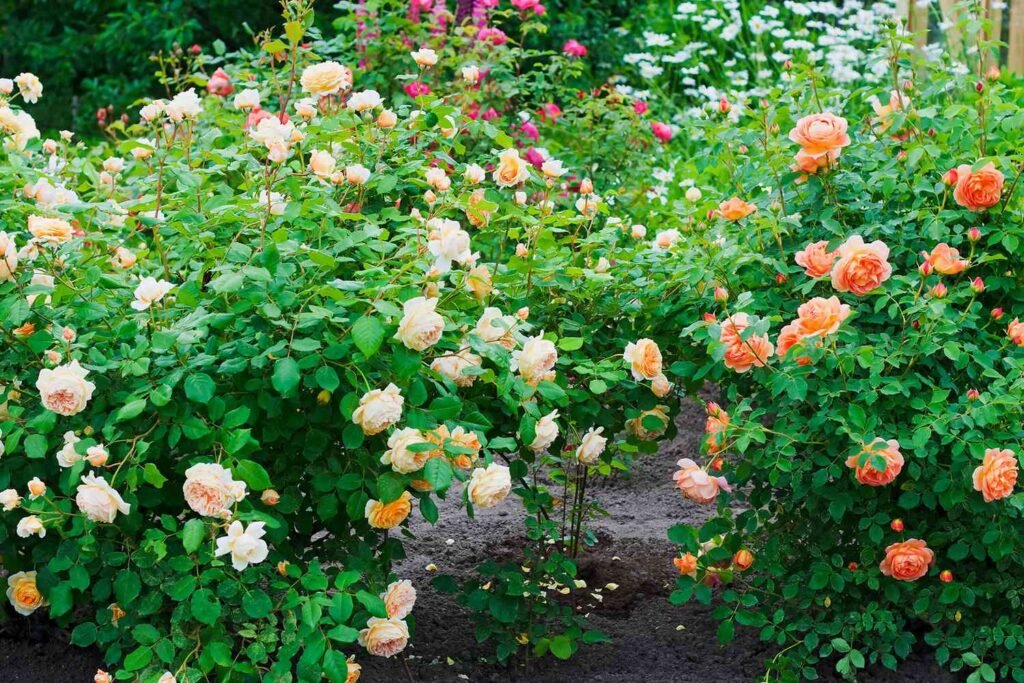
Pruning creates an opportunity to feed your roses, as they are entering a growth phase.
Tips:
- Use a balanced rose fertilizer high in phosphorus to encourage blooms.
- Apply according to package instructions, usually every 4–6 weeks during the growing season.
- Incorporate organic matter like compost or well-rotted manure to improve soil structure and nutrient availability.
Tip: Water well after fertilizing to help nutrients penetrate the soil and prevent root burn.
8. Mulching and Soil Care
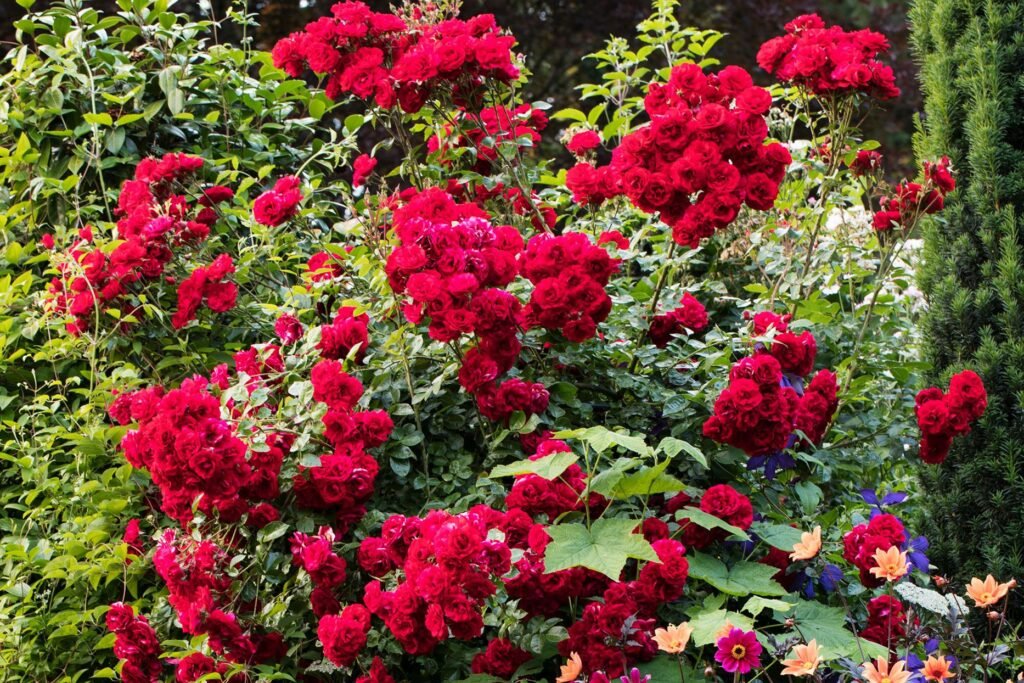
Mulching helps retain moisture, suppress weeds, and improve soil health—key factors for bigger, longer-lasting blooms.
Steps:
- Apply a 2–3 inch layer of organic mulch, such as bark, compost, or straw, around the base of the plant.
- Keep mulch 1–2 inches away from the crown to prevent rot.
- Maintain consistent soil moisture; avoid letting soil dry out completely.
Tip: Healthy roots support vigorous growth, which in turn leads to larger and more abundant blooms.
9. Monitor and Control Pests and Diseases
A stressed rose bush produces fewer flowers. Common pests like aphids, spider mites, and thrips, along with fungal diseases, can reduce bloom size and longevity.
Tips for prevention:
- Inspect plants weekly and remove pests by hand or with a gentle spray of water.
- Use natural insecticidal soaps if necessary.
- Ensure good spacing between plants to improve airflow and reduce disease risk.
Tip: Addressing problems early keeps your roses healthy and allows them to focus energy on producing bigger flowers.
10. Additional Expert Tips
- Stagger pruning: Lightly prune and deadhead throughout the season rather than a single heavy prune.
- Rotate pruning techniques: Alternate between cutting above the topmost bud and side buds to create layered blooms.
- Support tall varieties: Use stakes or cages to prevent long stems from breaking under the weight of blooms.
- Encourage sunlight exposure: Remove nearby competing plants that shade rose canes to maximize photosynthesis and flower growth.
Conclusion
Pruning roses is both an art and a science. By removing dead and damaged wood, shaping plants for optimal airflow, cutting correctly, deadheading, fertilizing, and maintaining soil health, gardeners can enjoy bigger, more vibrant blooms all summer.
Roses respond beautifully to attentive care, rewarding gardeners with continuous bursts of color, fragrance, and visual appeal. By following these expert-backed strategies, your roses can flourish season after season, transforming your garden into a spectacular display of summer blooms that captivates the senses and inspires admiration.