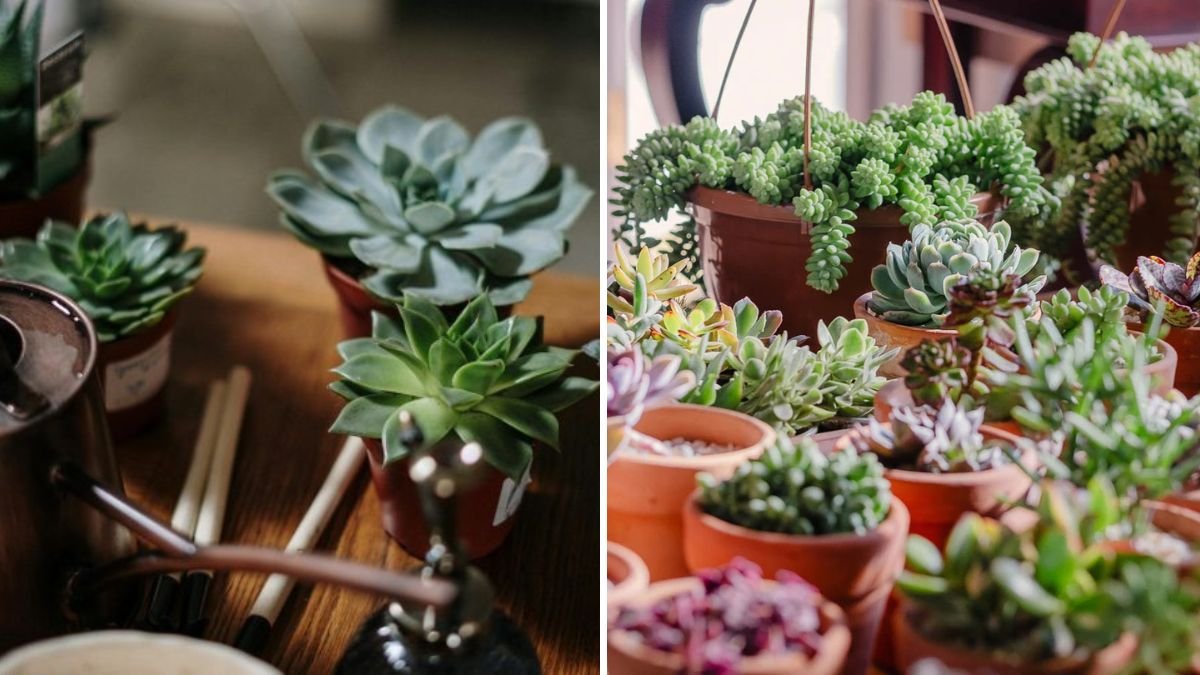
Succulents are among the most popular plants for indoor and outdoor gardens. Their striking forms, vibrant colors, and minimal maintenance requirements make them a favorite for beginners and seasoned gardeners alike. Despite being hardy, succulents have one major vulnerability: overwatering. Many new succulent owners unintentionally kill their plants by giving them too much water or watering incorrectly. Understanding the right watering practices is crucial to keeping succulents healthy, vibrant, and long-lasting.
In this guide, we’ll explore how to water succulents correctly, identify common watering mistakes, and provide practical tips for thriving succulent care.
1. Understanding Succulent Water Needs
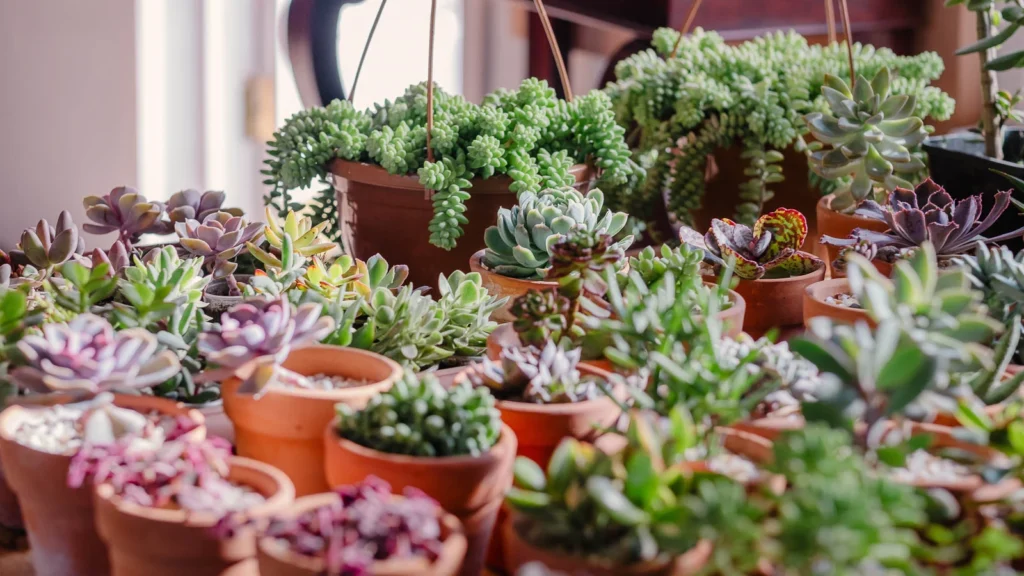
Succulents store water in their leaves, stems, and roots, allowing them to survive long periods without water. Unlike many plants, succulents are adapted to arid environments, making them extremely sensitive to waterlogged soil. Key points to understand:
- Water storage: Their leaves act as reservoirs, so they need less frequent watering.
- Root sensitivity: Succulent roots are shallow and prone to rot if the soil remains wet.
- Environmental factors: Temperature, light, humidity, and container type affect how often succulents need water.
Tip: Knowing your succulent’s natural habitat helps mimic its ideal watering conditions.
2. Signs Your Succulent Needs Water
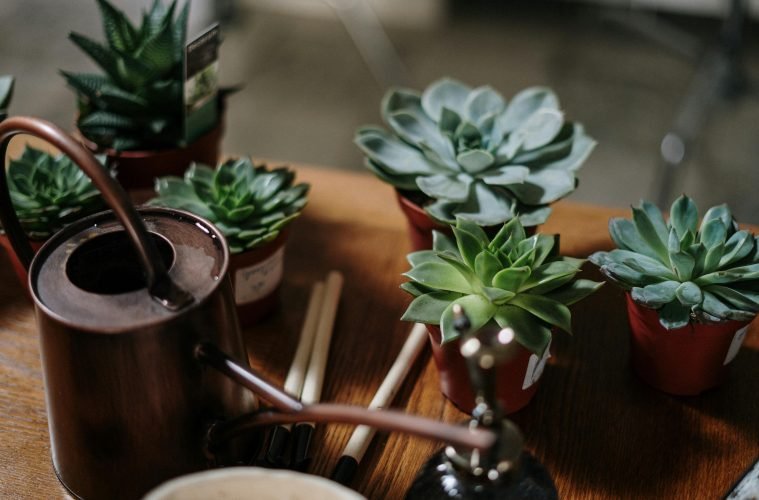
Succulents often show visible signs when they need water:
- Wrinkled or shriveled leaves: Indicates dehydration.
- Soft or drooping leaves: Can signal lack of water (if not overwatered).
- Pale or dull color: Some succulents lose vibrancy when thirsty.
Tip: Touch the soil—if it’s completely dry several inches down, it’s time to water.
3. Signs of Overwatering
Overwatering is the most common cause of succulent death. Warning signs include:
- Mushy, translucent leaves: Leaves may rot and fall off.
- Yellowing leaves: Often occurs from waterlogged roots.
- Foul smell: Indicates root rot.
- Soil constantly wet: Even the top layer remaining damp is a warning.
Tip: Succulents rarely need frequent watering; it’s safer to underwater than overwater.
4. The Right Watering Method
Proper watering is about quality and technique rather than quantity. Here’s how to do it:
Step 1: Check Soil Moisture
- Insert your finger or a wooden stick 1–2 inches into the soil.
- Only water when soil is completely dry.
Step 2: Use Deep Watering
- Water thoroughly so that water reaches the roots.
- Let excess water drain out from the pot’s drainage holes.
- Avoid letting succulents sit in water.
Step 3: Water the Soil, Not the Leaves
- Direct water at the base of the plant.
- Avoid wetting leaves, especially for rosette-shaped succulents, to prevent rot.
Pro Tip: Use a watering can with a narrow spout for precision.
5. Watering Frequency
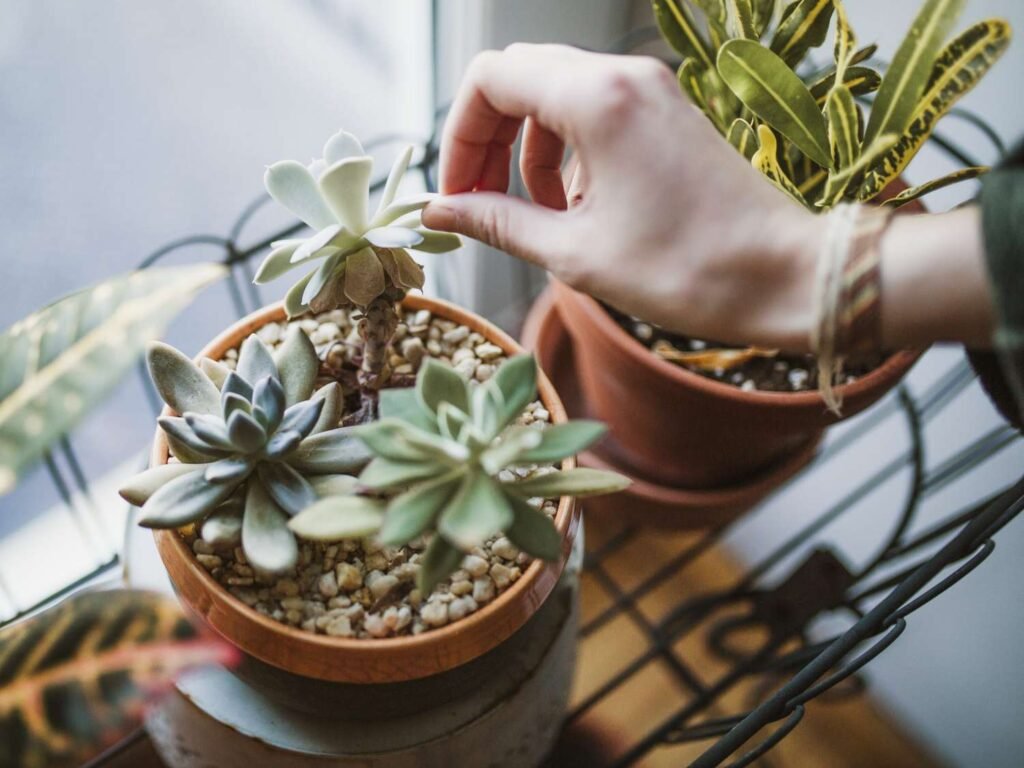
Frequency depends on season, light, and environment:
- Growing season (spring and summer): Water every 1–2 weeks.
- Dormant season (fall and winter): Water every 3–4 weeks or less.
- Indoor vs outdoor: Indoor succulents need less frequent watering due to lower evaporation.
Tip: Always adjust based on soil dryness, not a fixed schedule.
6. Choosing the Right Soil and Pot
Proper drainage is essential for watering success:
- Soil: Use a well-draining cactus or succulent mix. Mix in sand, perlite, or pumice for better drainage.
- Pot: Select containers with drainage holes to prevent waterlogging.
- Avoid: Heavy garden soil or pots without drainage, which increase rot risk.
Pro Tip: Terracotta pots are ideal as they absorb excess moisture, helping prevent overwatering.
7. Environmental Factors Affecting Watering
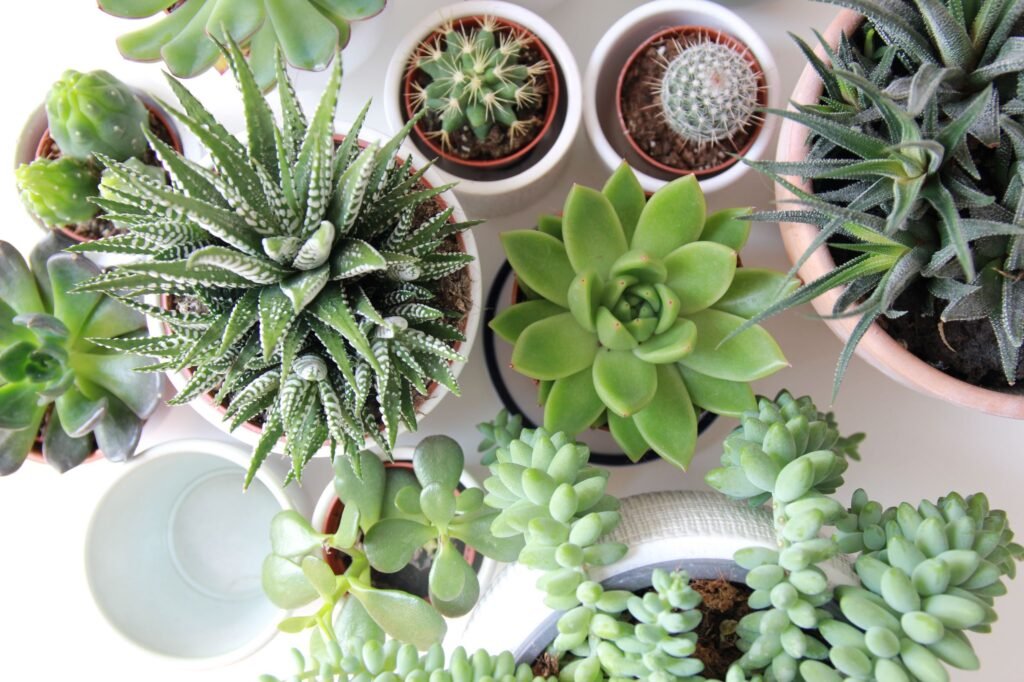
Several environmental factors influence how often succulents need water:
- Light: More light increases evaporation and water needs.
- Temperature: Hotter climates or indoor heating can dry out soil faster.
- Humidity: High humidity slows down evaporation, requiring less frequent watering.
- Container size: Smaller pots dry out faster, requiring more frequent watering.
Tip: Always consider these factors rather than relying solely on calendar-based watering.
8. Watering Techniques for Different Succulents
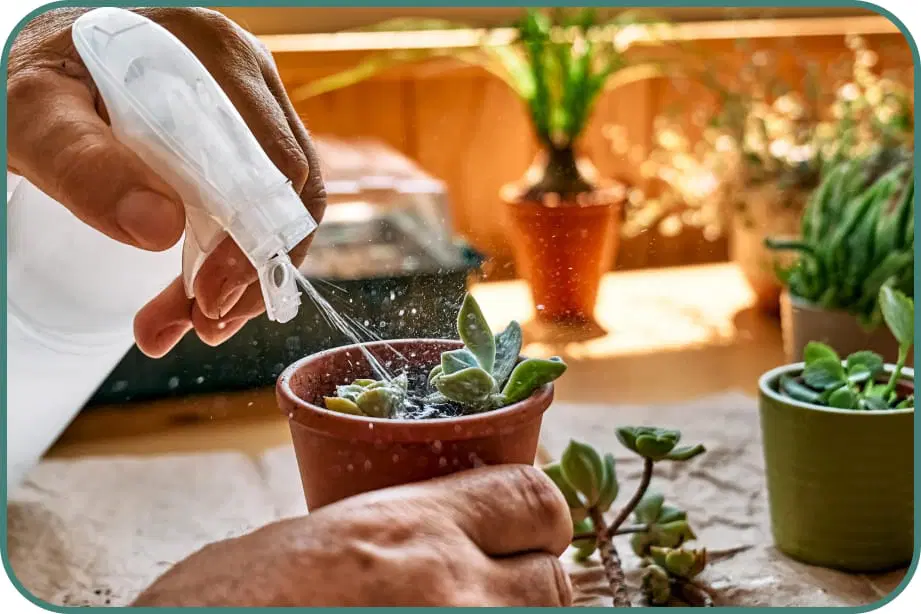
Rosette Succulents (Echeveria, Sempervivum)
- Water around the base, avoiding leaves to prevent rot.
Columnar Succulents (Cactus, Aloe Vera)
- Water deeply but infrequently, allowing soil to dry completely.
Trailing Succulents (String of Pearls, Burro’s Tail)
- Water lightly to prevent the delicate roots from rotting.
Pro Tip: Adjust watering technique to the succulent’s growth form and root system.
9. Common Watering Mistakes
- Frequent shallow watering
- Encourages weak roots and increases rot risk.
- Ignoring seasonal changes
- Succulents need less water in dormant months.
- Using cold water
- Use room temperature water to avoid shocking the roots.
- Watering in poor light conditions
- Low light reduces water absorption, increasing rot risk.
Tip: Learning from these mistakes prevents long-term damage to your succulent collection.
10. Advanced Tips for Healthy Succulents
- Self-watering spikes: Use for consistent but controlled watering.
- Bottom watering: Place pots in a shallow tray of water for 10–15 minutes to let roots absorb water evenly.
- Mulching: Use decorative gravel to reduce evaporation and improve aesthetics.
- Rotate plants: Ensures even light exposure and prevents uneven soil drying.
Pro Tip: Regularly inspect succulents for early signs of over- or under-watering.
11. Combining Watering with Fertilization
- Growing season: Fertilize lightly once a month with a balanced, diluted fertilizer.
- Dormant season: Avoid fertilizing to prevent unnecessary stress.
- Over-fertilization: Can increase water demand and cause leggy growth.
Tip: Healthy, well-fed succulents absorb water more efficiently and grow stronger.
12. Troubleshooting Watering Issues
| Problem | Cause | Solution |
|---|---|---|
| Mushy leaves | Overwatering | Let soil dry completely; remove rotting parts |
| Wilting leaves | Underwatering | Water thoroughly, allow soil to drain |
| Leaf drop | Watering stress | Adjust frequency and check light conditions |
| Yellow leaves | Poor drainage | Repot in well-draining soil; ensure drainage holes |
Pro Tip: Early detection of watering issues saves your succulents from irreversible damage.
13. Seasonal Adjustments
- Spring/Summer: Active growth; more frequent deep watering.
- Fall/Winter: Dormancy; water sparingly and only when soil is dry.
- Indoor environments: Consider humidity and heating, which influence watering frequency.
Pro Tip: Keep a small journal tracking watering dates and soil conditions to refine your care routine.
14. Final Thoughts
Watering succulents correctly is the single most important factor in keeping them alive and thriving. By understanding their water-storage capabilities, soil needs, and seasonal growth cycles, you can avoid overwatering, prevent root rot, and enjoy healthy, vibrant plants year-round.
Key takeaways:
- Check soil dryness before every watering.
- Water deeply, but infrequently, and avoid wetting leaves.
- Use well-draining soil and pots with drainage holes.
- Adjust watering frequency based on season, light, and temperature.
- Monitor plants for signs of over- or under-watering.
By mastering proper watering techniques, you’ll keep your succulents thriving, resilient, and beautiful, making your indoor or outdoor garden a stunning, low-maintenance success.