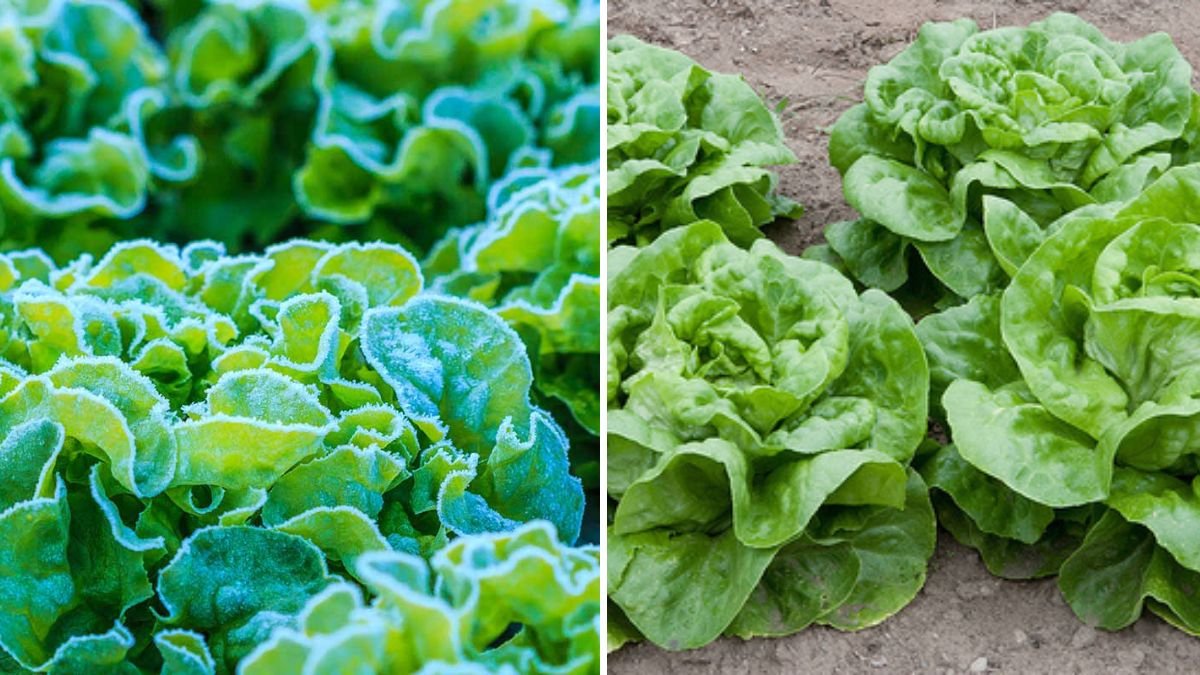
Lettuce is a staple in many gardens and kitchens alike, valued for its crisp texture, vibrant colors, and versatility in salads, sandwiches, and garnishes. While it’s typically thought of as a spring or summer crop, fall is actually an ideal season for growing lettuce, thanks to cooler temperatures and fewer pest pressures. However, the challenge lies in maintaining tender, flavorful leaves despite the shorter days and colder weather. With the right strategies, gardeners can achieve a perfect fall lettuce harvest, enjoying fresh greens well into late autumn or even early winter.
Why Fall Lettuce is Special
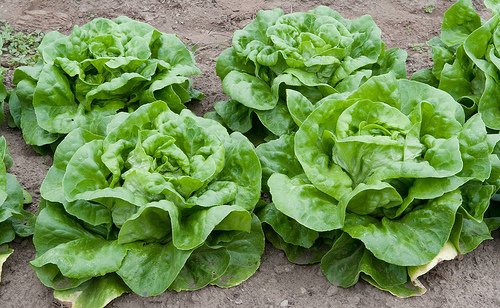
Growing lettuce in fall offers several advantages:
- Cooler Temperatures: Lettuce thrives in cooler conditions, with optimal growth at 60–65°F (15–18°C). Fall’s mild temperatures reduce the risk of bolting—a common problem when lettuce is exposed to heat.
- Better Flavor: Cooler weather slows leaf growth, concentrating sugars and enhancing flavor. Fall lettuce often tastes sweeter and more tender than summer-grown leaves.
- Fewer Pests: Many summer pests, including aphids and slugs, become less active in cooler weather, reducing the need for chemical interventions.
- Extended Harvest: By planting in late summer or early fall, gardeners can enjoy a continuous supply of fresh lettuce until frost.
Understanding these benefits makes fall the perfect time to plan for a robust and delicious lettuce harvest.
Choosing the Right Lettuce Varieties
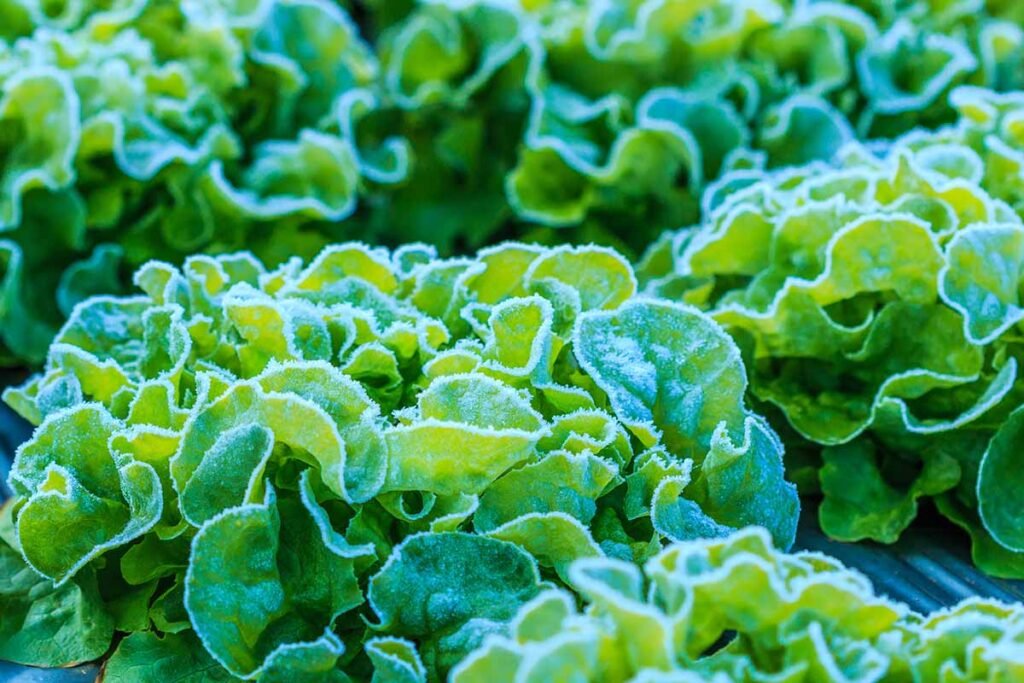
Not all lettuce varieties perform equally well in fall. Selecting cold-tolerant types ensures crisp, tender leaves even as temperatures drop. Some excellent choices include:
- Romaine (Cos) Lettuce: Upright heads with thick leaves that are resistant to cold and slow to bolt. Examples: ‘Parris Island Cos’ or ‘Winter Density.’
- Butterhead Lettuce: Soft, loose heads with tender leaves that maintain texture in cool weather. Examples: ‘Buttercrunch’ and ‘Bibb.’
- Looseleaf Lettuce: Perfect for cut-and-come-again harvesting, these varieties continue producing new leaves throughout fall. Examples: ‘Red Sails,’ ‘Green Ice,’ and ‘Oakleaf.’
- Asian or Crisphead Varieties: Some Asian lettuces, such as ‘Mizuna’ or ‘Tatsoi,’ tolerate cold exceptionally well and add unique flavors to salads.
Selecting varieties suited for cool weather lays the foundation for a successful fall harvest.
Planting Techniques for Cold-Weather Lettuce
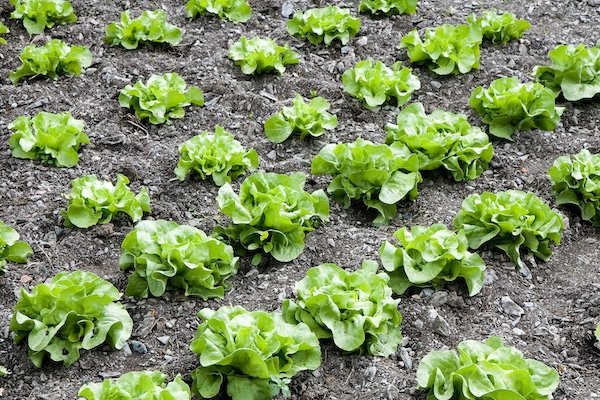
Timing and technique are crucial for fall lettuce:
- Sow Early: Plant lettuce 6–8 weeks before the first expected frost. This allows seedlings to establish roots before temperatures drop.
- Succession Planting: To maintain a continuous harvest, sow new seeds every 2–3 weeks. This ensures a steady supply of tender leaves throughout fall.
- Seed Depth and Spacing: Sow seeds ¼ inch deep and thin seedlings to 6–12 inches apart, depending on the variety. Adequate spacing prevents overcrowding, reduces disease risk, and promotes airflow.
- Container Options: Fall lettuce grows well in containers, raised beds, or garden rows. Containers allow for easy relocation to sunnier spots and provide protection from frost with portable covers.
Proper planting techniques set the stage for strong growth and extended harvests.
Soil Preparation and Fertility
Lettuce prefers loose, fertile, and well-draining soil. Cold-weather growth can be enhanced by preparing the soil carefully:
- Soil Testing: Check pH levels (ideal range 6.0–7.0) and nutrient content. Amend the soil with lime or sulfur if necessary to achieve the correct pH.
- Organic Matter: Incorporate compost, aged manure, or leaf mold to improve soil structure, fertility, and moisture retention.
- Fertilization: Apply a balanced fertilizer or organic alternatives like fish emulsion to support leafy growth. Avoid excessive nitrogen late in the season, which can reduce cold hardiness.
- Mulching: Add a 1–2 inch layer of straw, shredded leaves, or pine needles to moderate soil temperature, retain moisture, and suppress weeds.
Well-prepared soil ensures robust roots and resilient plants in cool weather.
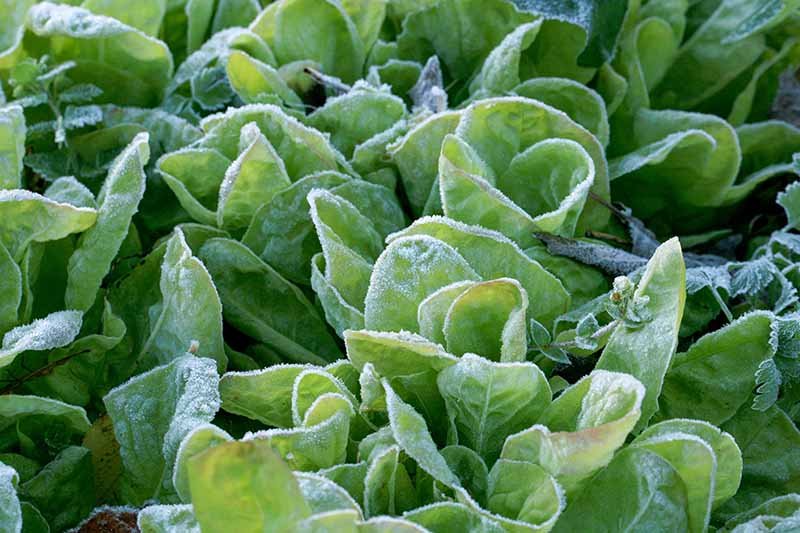
Protecting Lettuce from Cold Weather
Even cold-hardy varieties can benefit from some winter protection:
- Row Covers: Lightweight fabric row covers trap warmth and shield plants from frost while allowing sunlight and water to pass through.
- Cold Frames: Simple cold frames, such as cloches or mini hoop tunnels, provide extra insulation for late-season crops.
- Mulching: Mulch around the base of plants helps prevent root freeze and maintains steady soil moisture.
- Site Selection: Plant lettuce in a location with full sun and protection from strong winds, which can damage leaves and slow growth.
With these techniques, lettuce can survive temperatures near or just below freezing, extending the harvest season significantly.
Watering and Maintenance
Watering is critical for crisp, tender lettuce, especially in fall:
- Consistent Moisture: Lettuce has shallow roots, so the soil should remain evenly moist. Avoid letting it dry out, as this causes bitter leaves.
- Morning Watering: Water in the morning to allow leaves to dry before evening, reducing fungal disease risk.
- Pruning and Harvesting: For looseleaf varieties, harvest outer leaves regularly to promote new growth. Avoid cutting the central growing tip, as this can stop production.
Fall lettuce requires attention to both moisture and leaf care to ensure high-quality harvests.
Common Challenges and Solutions
Even in fall, lettuce faces challenges that can affect quality:
- Bolting: Sudden temperature spikes can trigger bolting. Choosing slow-bolting varieties and using row covers can minimize this.
- Pests: Slugs, snails, and aphids may still be active. Use barriers, handpicking, or organic pest controls to protect plants.
- Disease: Downy mildew and leaf spot can appear in cool, wet conditions. Ensure good spacing, airflow, and avoid overhead watering.
- Frost Damage: Severe frost can damage leaves. Row covers or cold frames can prevent significant loss, allowing for partial harvests even in freezing conditions.
Anticipating and mitigating these challenges ensures consistent fall lettuce production.
Harvesting for Optimal Flavor
Timing is key for perfect fall lettuce:
- Tender Leaves: Harvest leaves when they are young and tender. Older leaves can become bitter, especially after frost exposure.
- Cut-and-Come-Again: For looseleaf varieties, harvest outer leaves while leaving the central growth tip intact to encourage ongoing production.
- Whole Heads: For head-forming lettuce like romaine or butterhead, harvest when heads are firm and fully developed. Early harvesting prevents bitterness from frost stress.
- Storage: Fall lettuce is best consumed fresh but can be stored in the refrigerator for up to one week in a perforated bag or container.
Proper harvesting maximizes both flavor and yield.
Advanced Tips for Fall Lettuce Success
- Choose Cold-Hardy Varieties: Varieties labeled for “winter” or “fall” are bred to withstand lower temperatures.
- Use Reflective Mulch: Aluminum foil or white plastic mulch can increase light exposure and slightly warm the soil in shaded areas.
- Companion Planting: Plant with carrots, radishes, or herbs to deter pests and maximize space.
- Indoor Rescue: If temperatures drop below freezing for extended periods, bring containers indoors or under grow lights for continued growth.
- Monitor Light Exposure: Shorter days slow lettuce growth. In low-light conditions, consider supplemental lighting for container-grown plants.
Following these tips ensures a lush, continuous supply of crisp, flavorful lettuce throughout fall.
Conclusion
Perfect fall lettuce is entirely achievable, even in cold weather, by understanding the plant’s requirements and adapting growing techniques to seasonal conditions. Selecting cold-hardy varieties, preparing fertile soil, using protective measures like row covers and mulching, and maintaining consistent watering create ideal conditions for crisp, sweet, and tender leaves. Succession planting and careful harvesting extend the season, providing fresh, nutritious greens long after summer crops have faded.
For gardeners seeking early autumn salads or winter greens, fall lettuce offers a rewarding and reliable crop. With strategic planning, attention to detail, and a little protection against the elements, you can enjoy the secret to perfect fall lettuce—even when the weather turns chilly.