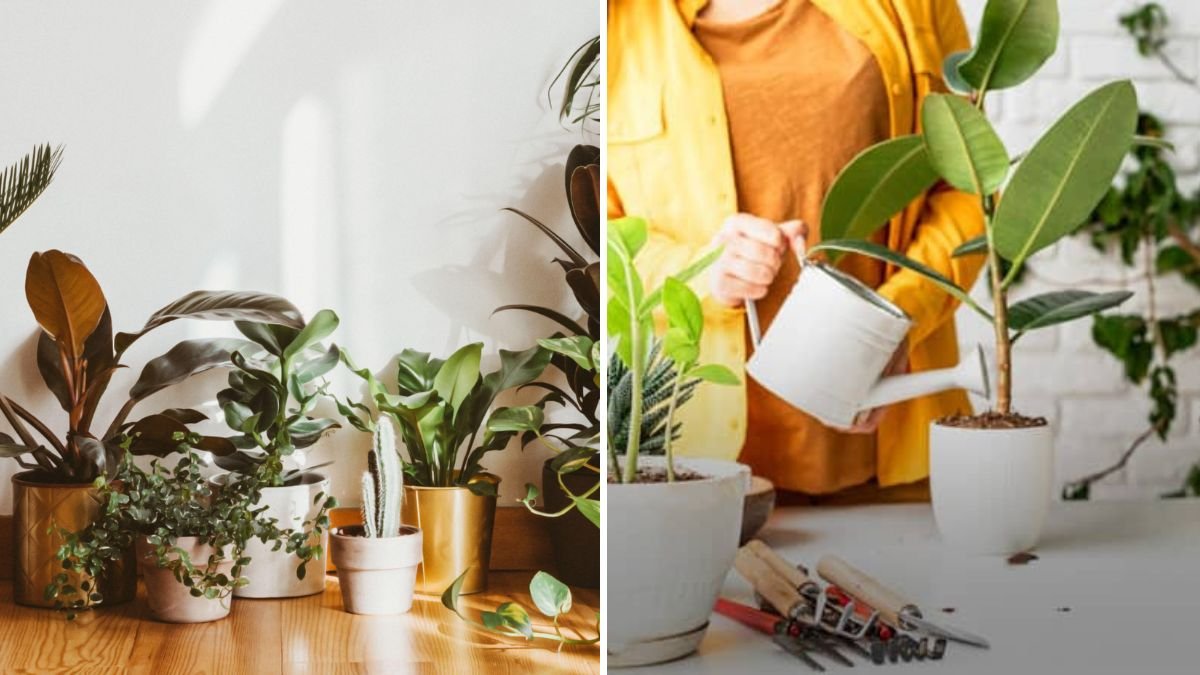
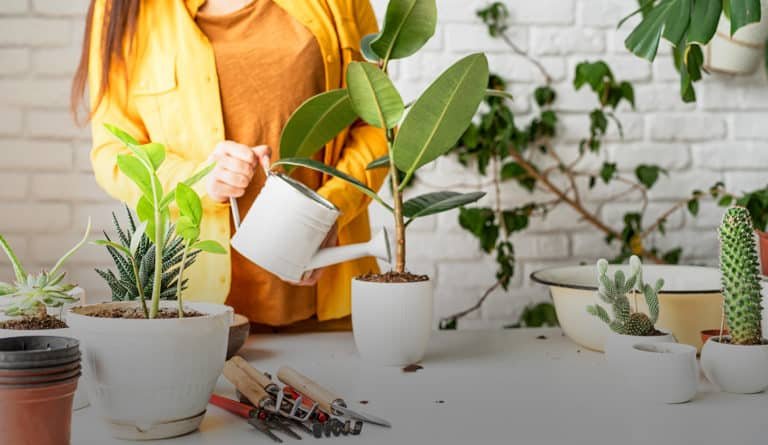
For both novice and experienced gardeners, one of the most common mistakes is overwatering plants. While it may seem counterintuitive, giving plants too much water is far more damaging than letting them go slightly dry. Overwatering is considered the #1 killer of houseplants, garden plants, and even container-grown specimens. Understanding why excess water harms plants—and how to avoid it—can dramatically improve plant health, growth, and longevity.
This guide explores the dangers of overwatering, signs to watch for, and practical strategies to keep plants healthy and thriving.
1. Why Overwatering Is So Harmful
A. Root Rot
Roots require oxygen to function, and overwatering saturates the soil, depriving roots of air. This creates a perfect environment for fungal pathogens like Pythium, Phytophthora, and Rhizoctonia, which cause root rot.
Signs of root rot include:
- Mushy, brown, or black roots
- Foul odor from the soil
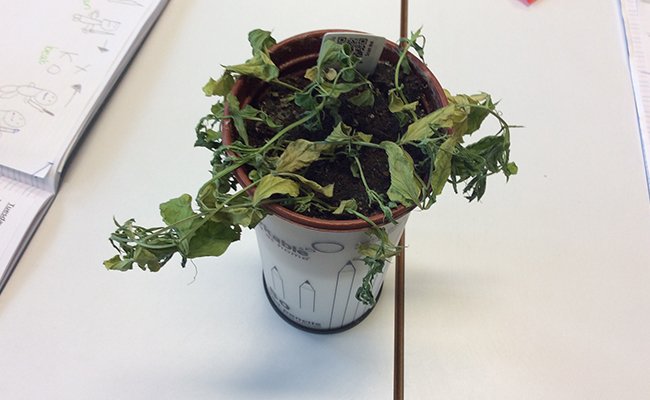
- Wilting despite consistently moist soil
Once root rot sets in, plants struggle to absorb nutrients, eventually leading to plant death.
B. Nutrient Deficiency
Excess water can leach nutrients from the soil, washing away essential elements like nitrogen, potassium, and phosphorus. Even when the soil appears moist, the plant may show yellowing leaves, poor growth, or weak stems due to nutrient shortages.
C. Increased Susceptibility to Pests and Disease
Overwatered plants are weaker and more attractive to pests such as fungus gnats, root aphids, and slugs. Damp conditions also promote fungal growth, including powdery mildew and leaf spot, which further stress plants.
D. Stunted Growth
Excess water can suffocate roots and prevent proper absorption of oxygen and nutrients, resulting in slow or stunted growth. Overwatered plants may develop small leaves, reduced blooms, and drooping stems.
2. Signs Your Plants Are Overwatered
Detecting overwatering early can save your plants. Key signs include:
- Yellowing Leaves: Leaves often turn yellow starting from the lower parts of the plant.
- Wilting Despite Moist Soil: Wilting is usually associated with drought, but overwatered roots cannot absorb water properly.
- Soft, Mushy Stems: Excess water weakens the plant’s structural integrity.
- Leaf Drop: Plants shed leaves to reduce stress when roots are overwhelmed.
- Fungal Growth: White mold or algae may appear on the soil surface.
Tip: If you see these signs, check the roots before cutting back on water—healthy roots are firm and white, while rotting roots are dark and mushy.
3. Factors That Make Plants Susceptible to Overwatering
A. Poor Drainage
Plants in pots without drainage holes or garden beds with compacted soil are prone to water accumulation.
B. Incorrect Potting Mix
Using garden soil instead of well-draining potting mix for container plants retains excessive moisture.
C. Frequent Watering Without Checking Soil
Many gardeners follow rigid watering schedules without considering the plant’s actual water needs, resulting in overwatering.
D. Environmental Conditions
High humidity, cool temperatures, or low light reduce water evaporation, making plants less thirsty than expected.
4. How to Avoid Overwatering
A. Understand Your Plant’s Water Needs
- Research the specific water requirements of your plants.
- Succulents, cacti, and drought-tolerant species need less frequent watering than tropical or leafy plants.
Tip: Watering should match the plant’s growth stage. Seedlings may need more consistent moisture than established plants.
B. Use Well-Draining Soil
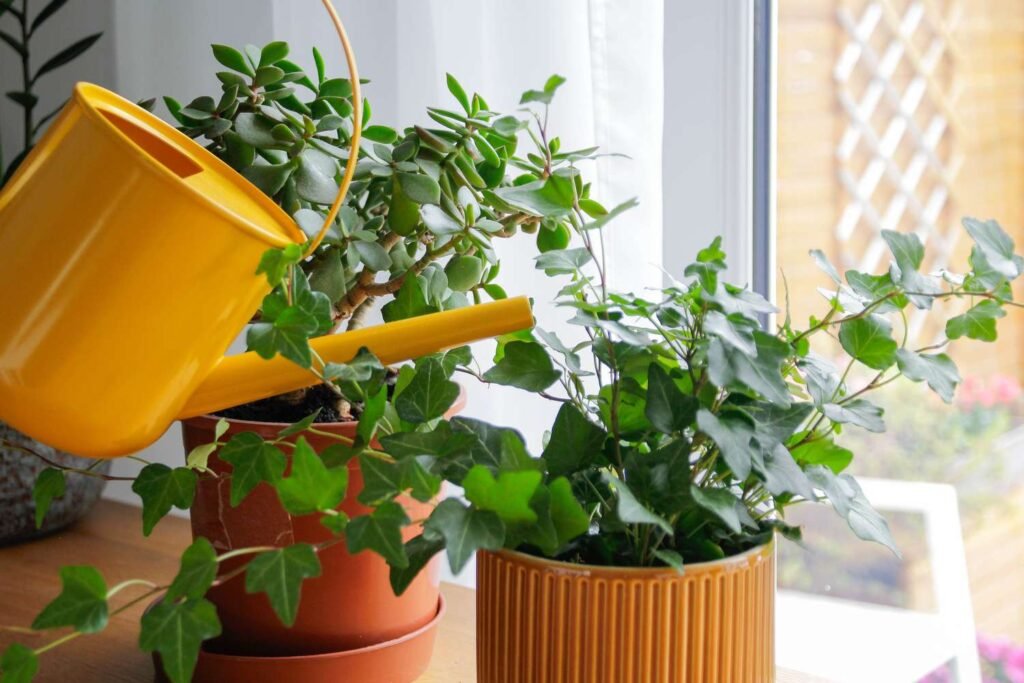
- Choose a potting mix that includes perlite, sand, or bark to improve drainage.
- Avoid dense garden soil in pots, which holds too much water and limits oxygen to roots.
Tip: For in-ground plants, amend clay soil with compost or sand to enhance drainage.
C. Ensure Proper Drainage in Containers
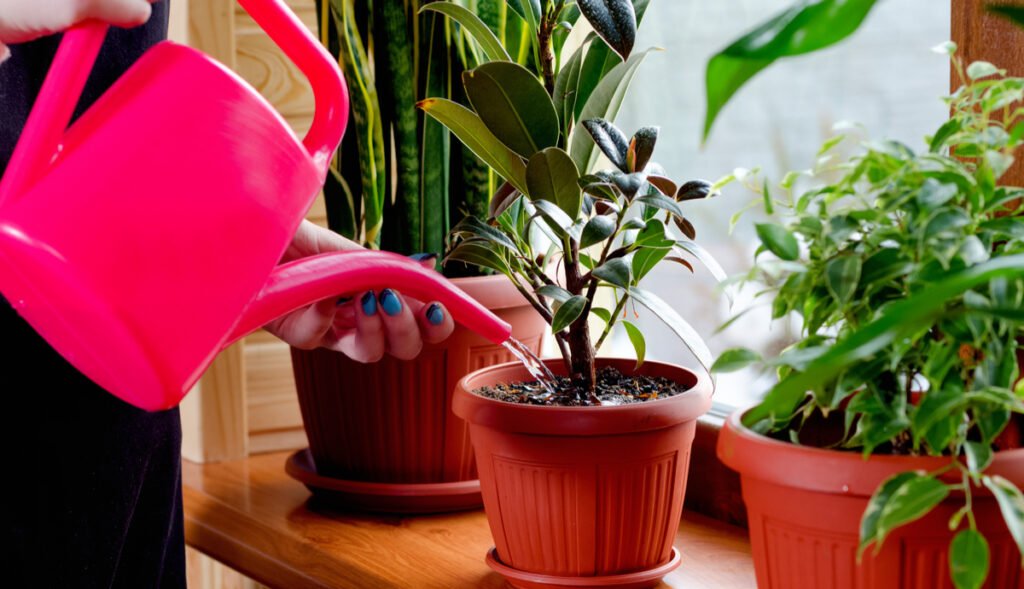
- Always use pots with adequate drainage holes.
- Elevate pots slightly using pot feet or saucers with holes to prevent water pooling at the bottom.
Tip: If excess water collects in saucers, empty them after watering.
D. Check Soil Moisture Before Watering
- Use your finger, a moisture meter, or a wooden skewer to test soil.
- Water only when the top 1–2 inches of soil are dry for most indoor plants.
Tip: Avoid watering on a fixed schedule; instead, observe the plant and soil conditions.
E. Adjust Watering Based on Environmental Conditions
- During cool, low-light periods, plants need less water.
- In hot, dry weather, plants may require more frequent watering, but the soil must still dry out between sessions.
Tip: Container plants often dry out faster than garden beds, so monitor pots carefully.
F. Use Mulch to Regulate Soil Moisture
- Mulching conserves soil moisture while preventing overwatering by slowing water infiltration.
- Use organic mulch like bark, straw, or compost around in-ground plants.
Tip: Mulch reduces watering frequency while protecting roots from temperature extremes.
G. Avoid Overfertilizing Moist Soil
- Fertilizing plants in constantly wet soil can worsen root damage and nutrient imbalance.
- Apply fertilizers only when the soil is slightly moist but not saturated.
5. Rescue Techniques for Overwatered Plants
If overwatering occurs, you can save your plants with these steps:
- Stop Watering Immediately: Allow the soil to dry out naturally.
- Check the Roots: Remove any rotten or mushy roots with clean scissors.
- Repot if Necessary: Place the plant in fresh, well-draining soil in a clean container.
- Provide Air Circulation: Keep the plant in a well-ventilated area to aid drying and prevent mold.
- Monitor and Adjust Watering: Resume watering gradually once roots recover.
Tip: Quick intervention improves the chances of recovery, especially for container plants.
6. Preventing Overwatering Through Observation and Routine
- Develop a watering habit based on observation rather than fixed schedules.
- Rotate plants occasionally to ensure uniform light exposure and even soil moisture.
- Keep a watering journal to track plant needs and adjust frequency seasonally.
- Educate household members about watering habits to prevent unintentional overwatering.
Tip: Awareness and consistent observation are more effective than guessing or following generic watering rules.
Conclusion
Overwatering is deceptively dangerous, often masquerading as healthy care. By drowning roots, leaching nutrients, and promoting fungal diseases, it remains the #1 cause of plant decline in homes and gardens.
Understanding plant-specific water requirements, using well-draining soil and containers, testing soil moisture before watering, and providing proper environmental conditions are all key strategies to prevent overwatering.
With careful observation, adjustment, and timely interventions, plants can thrive, producing lush foliage, vibrant blooms, and healthy root systems. Remember, plants rarely die from thirst; most plant deaths are caused by too much love in the form of water.
Tip: Embrace the mantra—“Less is more” when it comes to watering—and watch your garden flourish.