
Gardens are ecosystems teeming with life—plants, insects, birds, and soil organisms all interact in complex ways. Among these inhabitants, spiders often evoke fear or disgust, yet they play a critical role in maintaining garden health and balance. Far from being pests, spiders are natural allies for gardeners, controlling insect populations and promoting biodiversity.
This article explores why spiders are essential for a balanced garden, their ecological roles, and how to encourage their presence safely and effectively.
Understanding the Role of Spiders in Gardens
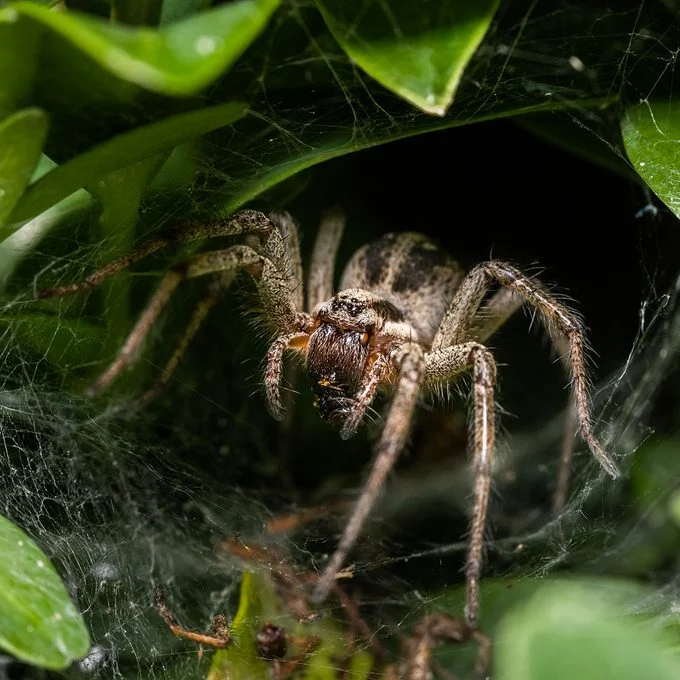
Spiders are predatory arachnids that feed primarily on insects, helping control pest populations naturally. While often misunderstood, their presence is a sign of a healthy ecosystem.
How Spiders Contribute to Garden Balance
- Natural Pest Control: Spiders feed on aphids, caterpillars, flies, mosquitoes, and other insects that can damage plants.
- Biodiversity Support: By regulating insect populations, spiders maintain a balance that allows plants, pollinators, and other beneficial insects to thrive.
- Indicator Species: A diverse spider population indicates a well-functioning, pesticide-free garden ecosystem.
- Food Web Integration: Spiders serve as prey for birds, lizards, and other wildlife, contributing to the overall food chain.
By controlling insect populations naturally, spiders reduce the need for chemical interventions, supporting healthier, more sustainable gardening practices.
Spider Species Commonly Found in Gardens
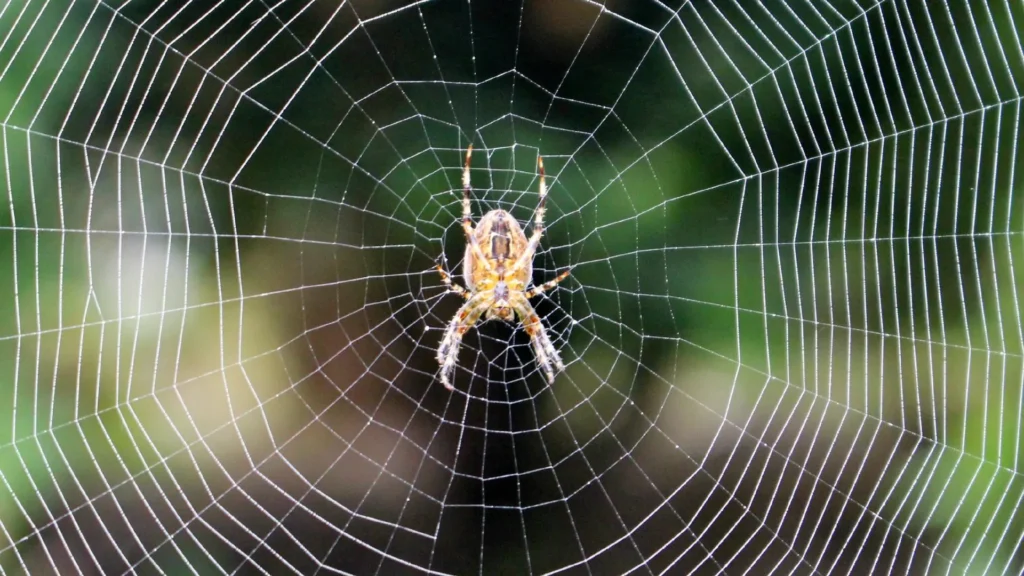
Different spider species serve unique roles in garden ecosystems. Understanding their behaviors helps gardeners appreciate their contributions.
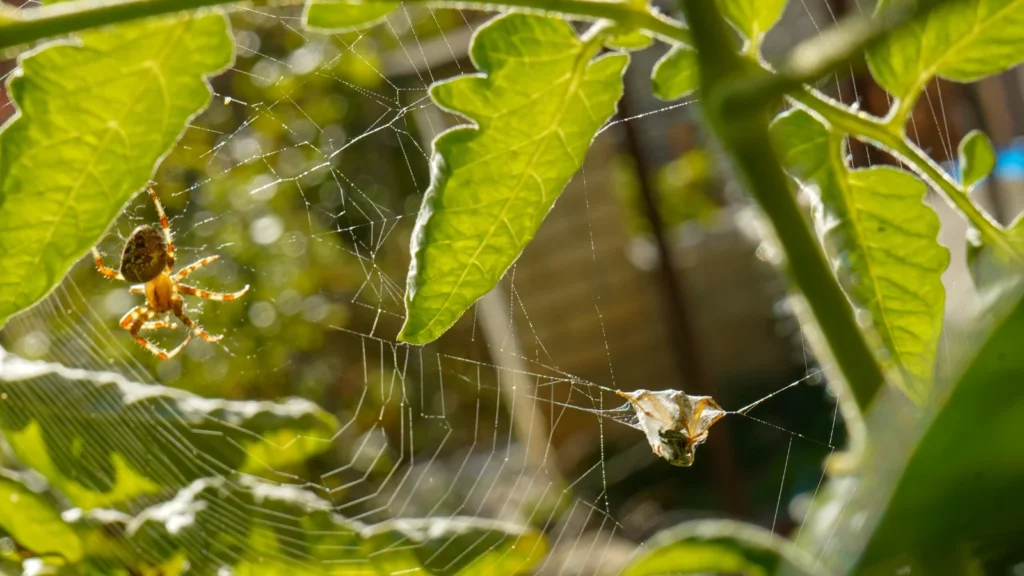
Orb-Weaver Spiders (Araneidae)
- Appearance: Large, rounded abdomens with intricate web patterns.
- Behavior: Build circular webs between plants to catch flying insects.
- Benefit: Excellent at controlling mosquitoes, flies, and moths.
Jumping Spiders (Salticidae)
- Appearance: Small, agile spiders with large front-facing eyes.
- Behavior: Hunt actively during the day, leaping on prey.
- Benefit: Control ground-level pests such as aphids, leafhoppers, and small beetles.
Wolf Spiders (Lycosidae)
- Appearance: Stout, hairy spiders that do not spin webs.
- Behavior: Hunt on the ground and among vegetation.
- Benefit: Excellent for reducing populations of caterpillars, grasshoppers, and other leaf-eating insects.
Crab Spiders (Thomisidae)
- Appearance: Flattened, crab-like stance with color-changing ability.
- Behavior: Sit on flowers and ambush pollinators and pests.
- Benefit: Reduce herbivorous insect activity while coexisting with pollinators.
Each species contributes to controlling a range of insect populations, creating a more balanced and resilient garden ecosystem.
Benefits of Spiders in Garden Pest Control
1. Reducing Chemical Use
Spiders naturally regulate pests, reducing the need for pesticides. Fewer chemicals lead to:
- Healthier soil and water quality.
- Reduced risk to pollinators like bees and butterflies.
- Safer garden spaces for children and pets.
2. Targeting Specific Pests
Unlike broad-spectrum pesticides, spiders selectively target insects that cause plant damage, including:
- Aphids that transmit plant diseases.
- Caterpillars and beetles that chew leaves and fruits.
- Mosquitoes and flies that can be nuisances.
This precision helps maintain a healthier, more productive garden.
3. Encouraging Biodiversity
Spiders contribute to ecological balance by controlling pest populations, allowing beneficial insects and plants to flourish. Healthy biodiversity improves soil health, pollination, and resilience against garden stressors.
4. Enhancing Pollination Efficiency
By reducing herbivorous pests that damage flowers, spiders indirectly support pollinator activity. Pollinators can access flowers more easily, improving fruit set and vegetable yields.
How to Encourage Spiders in Your Garden
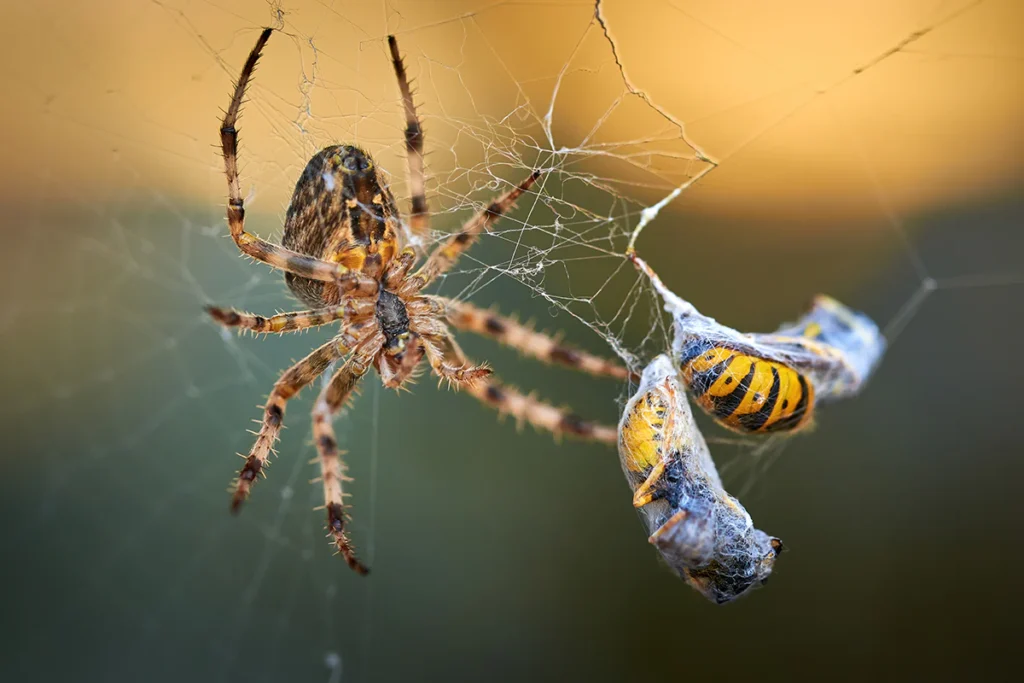
Gardening practices can either attract or repel spiders. Encouraging their presence involves creating a hospitable environment while avoiding practices that harm them.
1. Reduce Pesticide Use
- Avoid broad-spectrum chemical sprays that kill spiders along with pests.
- Opt for organic pest control methods or natural deterrents that do not harm beneficial arachnids.
2. Provide Shelter and Habitat
- Include shrubs, tall grasses, and dense plantings where spiders can hide and build webs.
- Add garden features like logs, rocks, and leaf litter for ground-dwelling species.
- Avoid excessive garden cleanup that removes these natural shelters.
3. Maintain Plant Diversity
- A variety of plants supports diverse insect populations, providing a steady food supply for spiders.
- Interplant flowers, herbs, and vegetables to encourage a balanced garden ecosystem.
4. Avoid Disturbing Webs
- Recognize that spider webs are tools for pest control.
- Minimize brushing or destroying webs, especially in the early morning or late evening when spiders are most active.
5. Water Strategically
- Use drip irrigation or targeted watering to maintain soil moisture without flooding habitats.
- Excess water can disrupt web-building and ground-dwelling spider activity.
By providing suitable habitat and food sources, gardeners can foster a healthy spider population that naturally protects plants.
Common Misconceptions About Garden Spiders
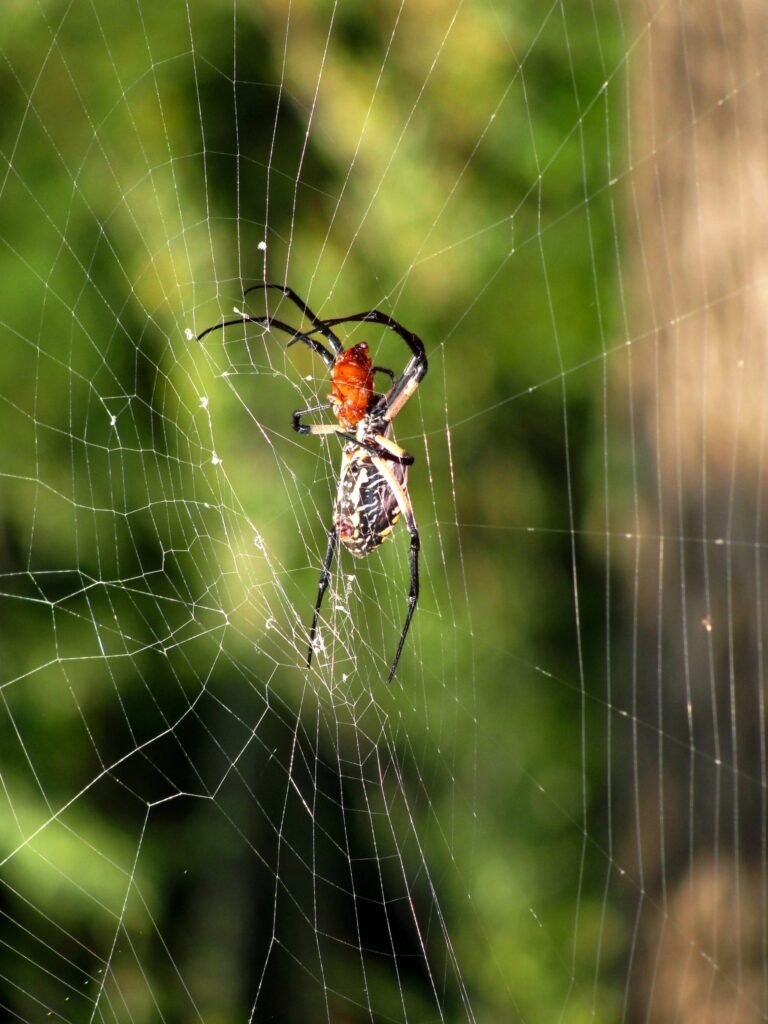
Many gardeners fear spiders, but most species are harmless to humans and provide essential ecosystem services.
Misconception 1: All Spiders Bite
- Most garden spiders are non-aggressive and only bite in self-defense.
- Bites are rare and typically cause minor irritation.
Misconception 2: Spiders Eat Only Beneficial Insects
- While spiders do capture pollinators occasionally, they primarily control pest species.
- Their presence generally benefits plant reproduction and overall garden health.
Misconception 3: Spiders Are Pests
- Spiders are predators, not pests.
- They reduce pest populations naturally, decreasing the need for human intervention.
Understanding these facts helps gardeners embrace spiders as allies rather than threats.
Integrating Spiders Into a Balanced Garden Strategy
To maximize the benefits of spiders, combine their presence with other sustainable gardening practices:
- Encourage pollinators: Plant nectar-rich flowers to support bees and butterflies.
- Maintain healthy soil: Use compost and organic fertilizers to improve plant health.
- Introduce companion plants: Certain herbs like basil and mint attract beneficial insects while repelling pests.
- Monitor garden conditions: Observe pest populations and spider activity to ensure ecological balance.
A holistic approach ensures spiders thrive while maintaining a productive, healthy garden.
Benefits of Maintaining Spider Populations
- Pest control: Spiders reduce damage from herbivorous insects and disease vectors.
- Chemical reduction: Fewer pesticides lead to a healthier, sustainable environment.
- Biodiversity: Supports a wide range of organisms, from insects to birds.
- Ecosystem resilience: Balanced gardens recover more quickly from pest outbreaks and environmental stress.
- Educational opportunities: Observing spiders provides insight into predator-prey relationships and ecological interactions.
Encouraging spiders benefits the garden, wildlife, and gardeners alike.
Conclusion
Spiders are often overlooked yet indispensable allies in gardens. By naturally controlling insect populations, supporting biodiversity, and enhancing ecosystem balance, they help maintain healthy, productive gardens.
Key strategies to foster spider populations include:
- Reducing pesticide use to protect beneficial arachnids.
- Providing shelter with shrubs, logs, and leaf litter.
- Maintaining plant diversity to ensure a steady food supply.
- Avoiding destruction of webs and minimizing garden disturbance.
- Integrating spiders into a holistic, sustainable gardening plan.
By embracing spiders rather than fearing them, gardeners can reduce pests, minimize chemical use, and create a thriving, balanced garden ecosystem. Far from being a threat, spiders are natural partners in maintaining the health, productivity, and harmony of your garden.